Home Blog Page 418

Samsung Reveals Q4 2018 Sales – Shows A 14% Decline In Operating Profits Over Last Year

0

Last year definitely put Samsung in an awkward position economically speaking. The sales revenue exceeded everyone’s expectations in Samsung electronics department especially the IT department. The smartphone market lost over 10% of its sales in Q3 2018 thanks to all the trouble spelt by Chinese manufacturers overthrowing the old players in mainstream markets. 2018 was an eventful year considering the economical standpoint of major brands. Over 52% of all smartphones shipped came from Chinese manufacturers while Huawei overtook Apple in terms of sales.

Today Samsung officially announced their Q4 2018 earnings and the statistics do not look good. As far as the overall sales numbers are concerned, there has been an improvement at a fractional level which summed up to about $58.6 Billion over $58.1 Billion of Q4 2017. That accounts for only a 1% year on year growth which is not really considered ideal. The numbers have been going down throughout 2018 for Samsung and they were not able to get any positive impact on sales lately. The release of their first ever 8K TV and Galaxy Note 9(Review) did very little to help the cause as the numbers keep on sinking.

The sales profit in Q4 2017 summed up to $15.6 Billion while Q4 results show a 14% decline in operating profits making up only $13.45 Billion. Samsung IT’s success in the mid-range smartphone market proved to be a huge question mark thanks to the increasing competition in the budget device category. Samsung also talked about how the Galaxy Alpha series changed its direction by making a name for itself and following its own path away from the Galaxy S lineup. As 2019 comes to a start with Samsung planning quite a few things like the first ever 5G device and with the Galaxy S10 promising a new trend for flagships we may expect them to get back on track sooner than later. 2018 was in a way a leap year for Samsung with only marginal improvements over the same design of 2017 and it seemed evident that they were, in fact, playing for the long shot. 2019 brings a ton of opportunities for Samsung to regain the top spot and lead the modern electronic world.

Razer Raptor IPS Monitor Announced – Features HDR, 144Hz Refresh Rate & QHD

0

As CES 2019 continues to unveil its fruits, Razer has made sure that it gets the spotlight it deserves. Following their long streak of gaming notebook releases, Razer has expanded itself into smartphones and now, into gaming monitors. As Razer’s smartphone lineup enters its second generation with the launch of the Razer Phone 2 late last year, this new monitor from Razer definitely seems to be following the route.

Razer Raptor Gaming Monitor Announced – Here’s The Specifications & Features

The newly-announced monitor definitely seems to be one of the major candidates you should be looking out for if you’re planning to pick up a high-end gaming monitor, especially when you have the moolah to afford it. The newly-announced monitor features an amazing minimalistic design along with very thin strips of bezels surrounding the panel itself. Being a monitor from Razer, the monitor also features Razer’s in-house Chroma RGB lighting along with a hint of that classy green Razer accent at the back.

The monitor measures in at 27-inches diagonally and features some incredible specs to keep up with the competition. The monitor is able to output 2560 x 1440 and features a 144Hz refresh rate to make e-sports that much more appealing for competitive gamers. Regarding response times, the display features a 7ms typical response time that could be dramatically cut down to 4ms and 1ms with the help of Overdrive and Motion Blur Reduction if you want to maximize your competitive gaming experience. For those who do rock AMD’s card, the display also supports AMD’s Freesync technology and also managed to cater a ton of users thanks to its fine-tuned display for content creation and HDR playback.

Regarding connectivity, there’s a decent selection of ports on the Razer Raptor. With the Razer Raptor, we’re looking at a single HDMI 2.0 port, a single DisplayPort 1.4 port, and two USB 3.0 passthrough ports.

For those who care about aesthetics, the Razer Raptor features incredibly thin bezels as well as a ton of RGB beneath the monitor’s stand. However, it doesn’t end there. Height and angle adjustment are also available. In addition to that, to make your table even cleaner, the Razer Raptor also comes with excellent cable management ducts behind the monitor’s stand to house and hide cables behind it.

Razer Raptor Gaming Monitor Pricing & Availablity

Razer has announced that the Razer Raptor Gaming Monitor is set to be released later this year at an unknown date and would begin reaching the US and Canadian market carrying a US $699 price tag along with it.

Xiaomi Poco F2 Renders Emerge – Features Metal Body, Ditches IR Sensor For A Waterdrop Notch

0

As 2019 begins, Xiaomi’s sub-brand, Poco, is carrying a lot of hype on its shoulders. With the brand emerging as a shock from the ground up with the launch of the highly-successful Poco F1, fans couldn’t keep themselves apart from the latest cards Poco could be playing behind its concealed curtains. And as renders for the Poco F2 begin to appear along with a fresh start with the new year, it seems like that enthusiasm for Poco isn’t going anywhere.

Credible leaker and concept designer, Ben Geskin has apparently leaked a major render of the Poco F2. Renders released by the leakster suggest that the Poco F2 would come with a new metal body as well as an Infinity-U waterdrop notch on top. Not only do we see some welcoming additions, but it’s also worth noting that the Poco F2 would most likely come with a waterdrop notch upfront which means that Xiaomi could potentially ditch the usual IR sensor that had included in the first iteration of the device, the Poco F1 (review).

Additional details derived from the leak also suggest some keen details regarding the device too, including the fact that the Poco F2 would stick to the basics and would most likely skip on the under-display fingerprint sensor and on a number of other gimmicks. However, being a device that “focuses on the basics” we would expect Xiaomi not to ditch the headphone jack on the Poco F2 and continue its reign on offering impressive practicality and performance.

Speaking of performance, it isn’t hard to speculate the hardware we could get to see from the successor to the Poco F1. With Android OEMs all aboard the whole Snapdragon 845 hype-train, Poco would most likely launch the Poco F2 with the Snapdragon 855 SoC, up to 8GB of RAM, 256GB of internal storage, and a 4000 mAh battery. However, if Xiaomi does plan to shock everyone, something they typically do now and then, 10GB of RAM or 512GB of internal storage, albeit a higher but reasonable price, that would be incredible, especially considering that the Mi MiX 3 and OnePlus 6T have officially begun the spec wars again.

As usual, it’s in Xiaomi’s best interest to keep the upcoming Xiaomi Mi 9 the top-king as it progresses, especially in such a competitive market. Not only would we not get to see an under-display fingerprint sensor, but there’s a good chance, heck, there’s a good chance that Xiaomi would yet again re-use the same IPS LCD for the Poco F2 to ensure that the Mi 9  reserves its Super AMOLED panel and premium features.

If Xiaomi does all of a sudden plan to increase the price of the Poco F2, we’re pretty confident that the Poco F2 wouldn’t be priced higher than the $349 mark, that is, for the base variant of the device.

However, since this render is purely based on a concept rather than a few leaks, we would advise our readers not to take this render as the final product as it’s too early for concrete leaks to emerge on the internet.

If you’re enthusiastic about the Xiaomi Mi 9, head here to read why we believe that the Xiaomi Mi 9 could be launched sooner this year. However, if you’re interested in Xiaomi’s arch nemesis, OnePlus, head here to read our predictions for the OnePlus 7.

Fortnite Update 7.10 #3 – Suppressed Sniper & Dual Pistol, Tweaks For Boom Box & X4-Stormwing Plane

The folks over at Epic Games have just released the first details regarding the last update making its way to the game under the 7.10 Content Update roadmap. With the third and last update 7.10 making its way into the game, Epic has already teased what’s about to come in the latest update due for launch tomorrow as servers are taken offline.

In a tweet posted an hour ago, the folks over at Fortnite have teased the introduction of the Suppressed Sniper Rifle. Following their tweet, the Design Lead for Fortnite, Eric Williamson added even more details to the tweet over on his personal Twitter page giving us a deeper insight into what to expect from the next update.

According to the details posted by Eric, the new adjustments coming to Fortnite Content Update 7.10 #3 include tweaks made to the recently-announced Boom Box, X-4 Stormwing, and Dynamite. In addition to that, with this new update in effect, players would also be able to see the dualies, originally known as the Dual Pistols, make a return back into Fortnite with this update.

Balance adjustments coming with 7.10 content update: tweaks to Boom Box, X-4 Stormwing, and Dynamite. And… Dual Pistols make their return! – Eric Williamson, Design Lead @ Epic Games via Twitter

While they specifically haven’t mentioned the nooks and crannies of the new update, we’re expecting nerfs for the Boom Box as well as the X-4 Stormwing Plane. Specifics regarding these tweaks would definitely be posted in their patch notes tomorrow.

Hopefully with the new update in effect, Epic would actually nerf the boom box due to how destructive it has been over the course of these past few weeks since its introduction in the second Fortnite Content Update 7.10.

Razer Introduces An Updated Blade 15 Lineup Housing RTX GPUs For 2019 – Plans To Unveil New Display Tech At CES

0

2018 for Razer was an eventful year, to say the least. The manufacturer brought in a ton of improvements to their laptop lineup and also partnered with Microsoft to deliver quality peripherals for Xbox keyboard program. A few months ago Razer introduced the Blade Stealth additions to the consumer base reaching quite a few milestones and achieving a lot. The Blade 15 was undoubtedly the go-to notebook when it came to portable performance. Equipped with an 8th Gen Intel Core i7 and GTX 10xx GPU the notebook was a tank fitted in a notebook form factor.

Today Razer announced an updated Blade 15 lineup fit ready to face 2019 with all its might. The new Blade 15 lineup will in fact house Nvidia RTX graphics which will enable it to reach an even higher benchmarking level. Throttled by the greatest and latest GDDR5 technology and DDR4 RAM the device reaches new levels of snappiness. The rest of the experience remains the same which means that you’ll still get the 1080p 144 Hz option for that smooth transition while Razer plans on showcasing a new technology capable of reaching 240Hz to take portable gaming to another level.

The Razer Blade 15 will now have greater options for different configurations ranging from the 60Hz display paired with a GTX 1060 all the way up to a 144 Hz display paired with an RTX 2080 GPU. Moreover, Razer will also be releasing updated models for its Blade Mercury models available exclusively at Razer’s website and Bestbuy. The new updated RTX Blade laptops will be available from January 29th starting at a price of $2,299 with more configurations available at Razer. Users, however, will still be able to buy the first announced Razer Blade 15’s for the price they were announced for rocking the GTX graphics options. Overall, the new Blade 15 and Blade 15 Mercury is a generation upgrade in the GPU department while the rest of the device is very much the same. With the slogan of providing the best in smallest of packages, Razer once again ceases to amaze enthusiasts with the updated internals.

iPhone 2020 Features A Punch-Hole Display, Credible Tipster Suggests

0

It seems like the first leaks and hints regarding next year’s iPhone have just begun to emerge. As folks wait for this year’s iPhone to launch, it seems like major design changes wouldn’t be coming to the iPhone until 2020. In a tweet by the credible leaker, Apple could potentially ditch their traditional notch for a punch hole display.

For those who don’t know, the new punch-hole display design is the new rage pretty much all OEMs have on their hands this year. As Android OEMs continue to experiment all of the notch options, it seems like Apple isn’t planning to redesign their iPhones. Several leaks from this year’s iPhone have suggested that Apple would be leaving their design unchanged this year apart from a few tweaks at the back to accommodate a few new camera gimmicks.

Several leaks have pretty much cemented that the upcoming Samsung Galaxy S10 family of devices would feature a punch-hole notch to exclusively house the selfie camera. Huawei, on the other hand, has already released the Huawei Honor V20 featuring the, as Samsung calls it, the Infinity-O notch.

While all of these OEMs continue to perfect their taste, it seems like Apple has no plans to jump around with its design language this soon. Ice Universe said in a tweet…

iPhone 2019: Still Notch

iPhone 2020: Hole in display – Ice Universe via Twitter

Several leaks have also suggested that the iPhone X that would be launching this year would not feature 5G support until the next iPhone, suggesting that this iPhone launch could be stagnant without much bells and whistles.

As we head forward, a ton of Android OEMs would be making some major strides and potentially design changes to adapt to the ever-thriving trends. As Apple typically releases their iPhones in September, it’s likely that Apple could potentially prepare for some major head-turners as they continue to work on the new iPhone.

Redmi Note 7 To Ship In 3 Flavours, Rock A Snapdragon 660 SoC & Much More

0

Xiaomi just recently announced that Redmi, one of the key lineups by Xiaomi targetting e-commerce will be a separate brand. After being separated from Xiaomi, Redmi also announced a new smartphone to be released on January 10th. Now this smartphone will be the first ever by them in 2019 and first after the separation as well. Some leaks lead to the fact that the new smartphone will be the Redmi Note 7 but it is yet unclear.

As the event closes in with only a few days left, new leaks have emerged which say quite enough about the device. First and foremost the release of a new poster shows the design of the smartphone from the front and the back, courtesy of Weibo. Furthermore, the device looks very similar to the Huawei nova lineup with a teardrop notch and a very mainstream rear camera setup. Overall the device looks clean as far as the exterior is concerned and the bezels are surprisingly thin. For the complete 360 degrees view, we would have to wait till 10th of January.
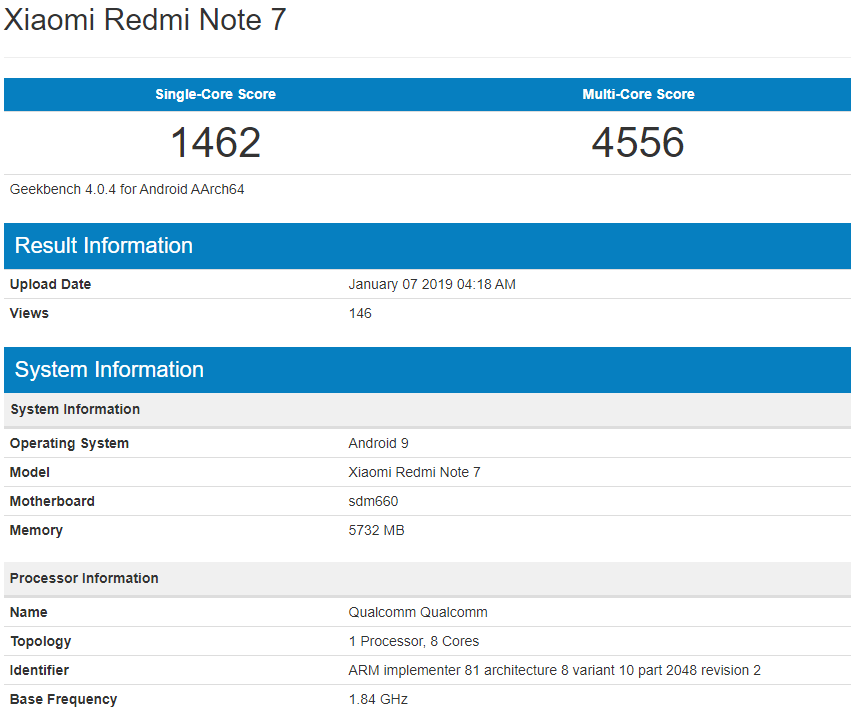
As a bonus, the Redmi Note 7 also made an appearance in a geekbench score which is a controversy itself. The Geekbench score confirms the model name while giving out a fair chunk of the specification sheet. According to the above-leaked score, the Redmi Note 7 will come with a Snapdragon 660 octa-core processor paired with 6GB of RAM and Android 9 Pie out of the box. Looking at the scores and the specification list it is safe to say that the device won’t turn any heads but Redmi devices are known for their exemplary performances while costing a fraction of the price. Moreover, the Note 7 will be their entry phone in 2019 which will further keep the competition busy. The Redmi Note 7 is expected to ship in 3 flavours, Black, Blue and a gradient colour from purple to shocking pink.
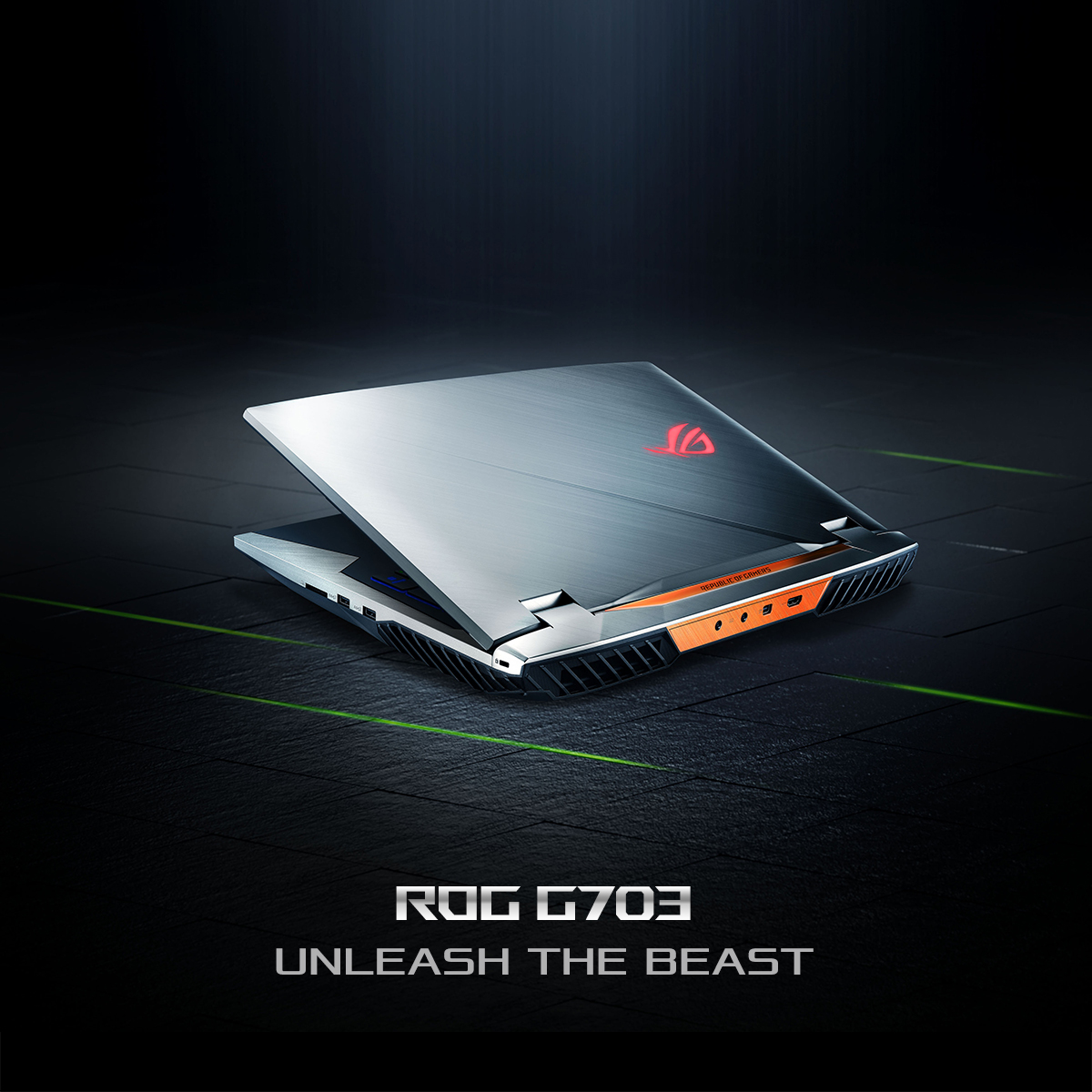
Asus Introduces Latest Gaming Laptops Sporting RTX GPUs At CES 2019

0

When it comes to premium gaming experience Asus and Razer go neck in neck for the top spot. The ROG branding on Asus devices strive to provide the best portable gaming experience money can buy. Today Asus at CES showcased their latest and greatest ROG Gaming laptops based on the new RTX technology by Nvidia. These RTX gaming machines will be the first ever to do so not only for Asus but for everyone else alike period. The ROG G703, ROG Zephyrus S GX531, ROG Strix SCAR II, and ROG Strix Hero II are updated with new NVIDIA GeForce RTX graphic options are here and here’s all you need to know.

01| The ROG G703

The Asus ROG G703 takes portable computing to a whole new level by bringing desktop grade performance to a fraction of its size for the all-new year. Powered by an Intel Core 8th Gen processor with options ranging up to a 4.8 GHz overclocked i9 everything is sure to go butter smooth on the G703. Sticking to the 17″ laptop form factor with a not so very different geometry of the device, the G703 is still praiseworthy. The laptop features a 144Hz IPS panel with 3ms response time so nothing gets by unnoticed. G703 also features HyperDrive Extreme storage which allows read speeds up to 8700MB/s never before seen in such a form factor. Thanks to the outside geometry of the device itself everything stays cool and smooth despite heavy load thanks to the very Asus looking heat sinks. The G703 despite being chunky still proves to be a valid option when deadlines are to be crossed and one needs that sort of power when on the go. Complete specifications are as under

ModelROG G703GX
Display17.3-inch Full HD (1920x1080) IPS-level panel, 144Hz, 3ms, 100% sRGB, G-SYNC
MemoryDDR4 2666MHz SDRAM (Dual-channel)
Up to 64GB
ProcessorIntel® Core™ i9-8950HK
Intel® Core™ i7-8750H
GPUNVIDIA® GeForce RTX™ 2080
8GB GDDR6 VRAM
Storage3 x M.2 NVMe PCIE 3.0 x4 256GB/512GB SSD

2.5“ 5400 rpm 1TB SSHD
I/O Ports1 x USB 3.1 Gen 2 (Type-C)/Thunderbolt 3
3 x USB 3.1 Gen2
1x mDP 1.4
1 x HDMI 2.0a
1x RJ-45 Jack
KeyboardBacklit chiclet keyboard
Per key RGB
Aura Sync
Marked WASD keys
Hot keys: Volume down / Volume up/ Microphone Mute / AURA/ Xbox/ Xsplit Gamecaster /Armoury Crate
2.5mm travel distance
0.3mm keycap curve

02| ROG Zephyrus S GX531

The ROG Zephyrus S GX531 sets a new standard for portable computing by adding quality internals to a chassis as thin as 15mm. The GX531 sacrifices very little and brings top-notch performance to an already competitive ultrabook market. The laptop sports high-end specs like an Intel Core i7-8750H CPU with a premium 144Hz display with very small bezels which add to the smaller form factor to deliver more in less real estate. The GX531 is easily Asus’s go to device when it comes down to portability and light usage on the go. The GX531 is a direct competitor to the Razer blade lineup and stacks quite well and the timing is exquisite as well. The complete specifications are listed below.

ModelZephyrus S (GX531GX)
ProcessorIntel® Core™ i7-8750H
MemoryDDR4 2666MHz SDRAM
Up to 24 GB (8GB on board memory)
Display15.6-inch Full HD (1920x1080) IPS-level panel, 144Hz, 3ms, 100% sRGB, Pantone® Validated
StorageM.2 NVMe PCIE 3.0 x4 1TB SSD
M.2 NVMe PCIE 3.0 x2 512GB/1TB SSD
I/O Ports1 x USB3.1 Gen2 Type-C with DisplayPort™ 1.2 and Power Delivery
1 x USB3.1 Gen 1 Type C
1 x USB3.1 Gen2 Type A
2 x USB 2.0 Type A
1x HDMI 2.0b
1x 3.5mm headphone and microphone combo jack
1x Kensington Lock
Dimensions36 (W) x 26.8 (D) x 1.53~1.61 (H) cm
KeyboardBacklit Chiclet Keyboard
Marked WASD keys
N-key rollover
RGB 4 zones
Aura Sync
1.2mm travel distance

03| Asus Strix SCAR II

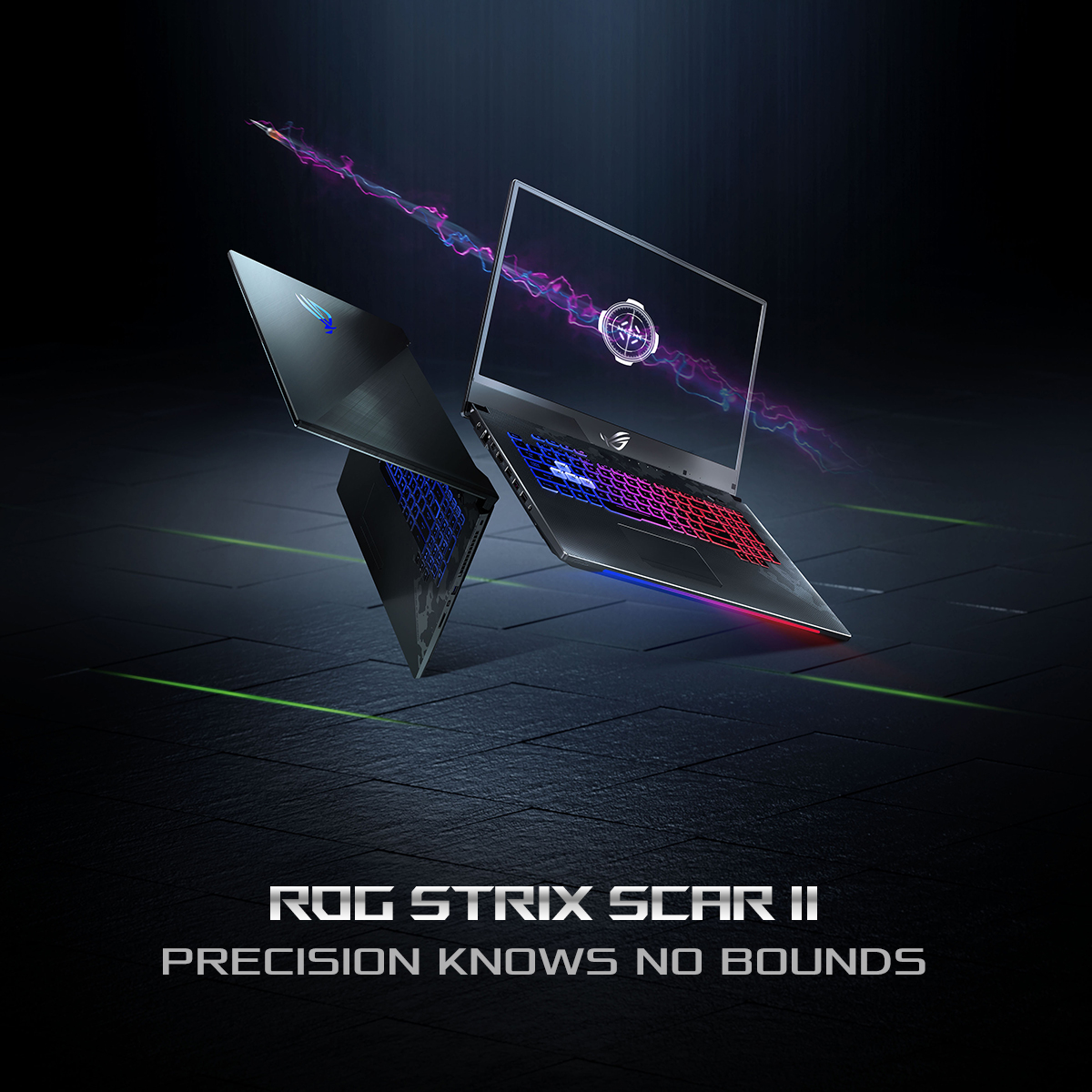
Asus along with their ROG lineup also announced a much updated Strix lineup dubbed the Strix SCAR II and ROG Strix Hero II. Both the laptops are focussed on two different genres of esports. The Strix SCAR II is set up for FPS games. Available in 15.6” and 17.3”flavours and built with the same 144Hz, 3ms response time provide an immense boost when playing multiplayer. The exterior of both versions is covered in shooter inspired motif to give a very rugged and battle like look hence adding flavour to the cause. The RTX 2060/70 graphics give both 15″ and 17″ versions enough boost to run AAA games without breaking a sweat and e-sports titles reach triple-digit frames with maxed out setting. The graphics options also allow for a very immersive and top of the line VR experience for users who are interested in those sort of things. Portability, however, is kept in mind is not compromised so that you can take your workstation to LAN events and wherever you like. The specifications are under.

Model ROG Strix SCAR II (GL704GW)
ProcessorIntel® Core™ i7-8750H
GraphicsNVIDIA® GeForce RTX™ 2070
8GB GDDR6 VRAM
Display17.3-inch Non-glare Full HD (1920x1080) IPS-level panel, 144Hz, 3ms, 100% sRGB
KeyboardBacklit chiclet keyboard
RGB 4 zones
Aura Sync
Marked WASD keys
Hot keys: Volume up/ Volume down / Microphone mute / ROG Armoury Crate
Travel Distance 1.8mm
Keycap curve: 0.25mm
I/O Ports1 x USB 3.1 Gen 2 (Type-C)
3 x USB3.1 Gen1 , 1 x USB3.1 Gen2
1x mDP 1.4
1 x HDMI 2.0b
1x RJ-45 Jack
1x SD card reader
1x 3.5mm headphone and microphone combo jack
1x Kensington lock
Dimensions39.98 (W) x 27.35 (D) x 2.49~2.64 (H) cm
StorageM.2 NVMe PCIE 3.0 256GB/512GB/1TB SSD
2.5" 5400rpm 1TB SSHD

04| Asus Strix Hero II

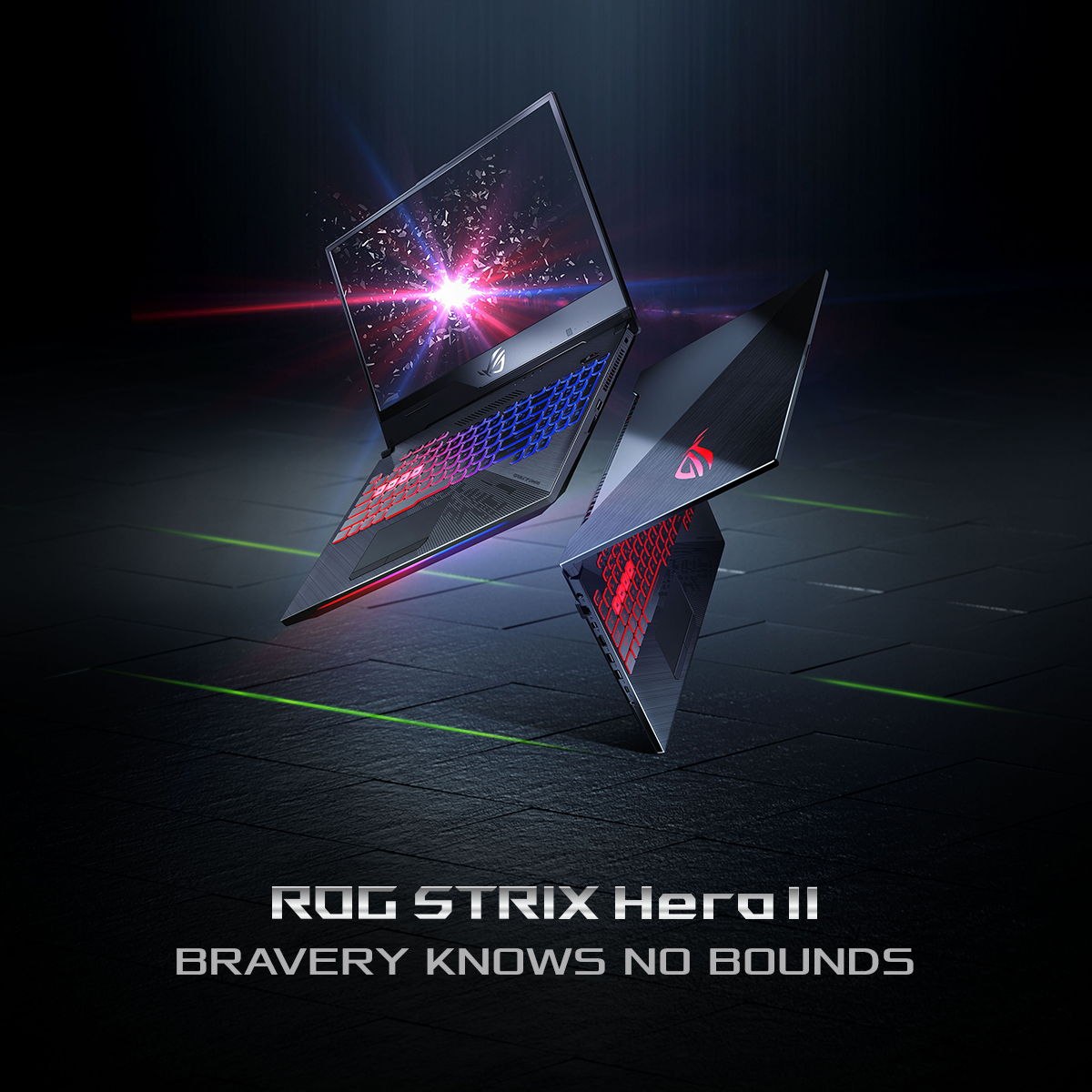
The ROG Strix Hero II is built for MOBAs and is ideal for those wanting a gradient look on their mean machines. The Hero II offers very subtle looks when compared to the SCAR II and hence is open to a variety of audiences. The Hero II instead of the highlighted WASD keys bring a translucent keycap cluster to bring in aesthetic looks and extra glow. The Hero II sports an RTX 2060 GPU exclusively which is more than enough to power through a device this size. The spec sheet is below.

ModelROG Strix SCAR II (GL504GW)
ProcessorIntel® Core™ i7-8750H
Intel® Core™ i5-8300H
Graphics
NVIDIA® GeForce RTX™ 2070
8GB GDDR6 VRAM
Memory2666MHz SDRAM (Dual-channel)
Up to 32GB
Display15.6-inch Non-glare Full HD (1920x1080) IPS-level panel, 144Hz, 3ms, 100% sRGB
KeyboardBacklit chiclet keyboard
RGB 4 zones
Aura Sync
Marked WASD keys
Hot keys: Volume up/ Volume down / Microphone mute / ROG Armoury Crate
Travel Distance 1.8mm
Keycap curve: 0.25mm
I/O Ports1 x USB 3.1 Gen 2 (Type-C)
2 x USB3.1 Gen1 , 1 x USB3.1 Gen2
1x mDP 1.2
1 x HDMI 2.0b
Storage2.5" 5400rpm 1TB SSHD

M.2 NVMe PCIE 3.0 256GB/512GB/1TB SSD

Samsung Notebook Odyssey 2019 Launched – Sports An 8th-Gen Intel Core i7 & RTX 2080

Samsung definitely seems to be getting serious for the PC gaming market as it continues to get aggressive by the day. Their latest announcement, the Samsung Notebook Odyssey 2019 has just been announced by Samsung following their CES 2019 coverage.

Samsung Notebook Odyssey 2019 Features Nvidia’s new RTX 2080 GPU – Here’s What It’s All About

The newly-announced Samsung Notebook Odyssey 2019 comes right after Nvidia’s announcement of the RTX 2060. It features high-end internals and an incredible array of features for gamers. With Samsung Notebook Odyssey 2019, we’re looking at an 8th-gen hexa-core Intel Core i7 CPU, an Nvidia RTX 2080, 16GB RAM, a 256GB NVMe SSD, 1TB HDD, and a 15.6-inch Full HD display under the hood.

Further mesmerizing the experience, the Samsung Notebook Odyssey comes with thin side-bezels, G-Sync support, and 144Hz support for some crazy smooth frame-timings.

To keep everything cool, Samsung revealed that they’ve included two “Jet Blade” blowers that sport 83 blades each along with a penta-pipe cooling system that allows the system to run at manageable temperatures during long gaming sessions.

If you do plan to upgrade the storage on the notebook, you could either swap our the HDD or even populate the extra NVMe SSD slot within the notebook’s clamshell.

With all of this performance, the Samsung Notebook Odyssey doesn’t manage to give us a sick face. Impressively enough, the Samsung Notebook Odyssey packs all of this power within a shell that’s no thicker than two of your overage smartphones stacked on top of each another.

Samsung Notebook Odyssey Pricing & Availability

As of this moment, Samsung has shown that it would be targeting the US market with the Samsung Notebook Odyssey first, followed by launches in several other Asian regions at an unknown date.

Regarding pricing, Samsung hasn’t given us any clue regarding how this beast of a machine would be priced. However, given the internals Samsung is offering here, it won’t be cheap, especially with Razer new Blade lineup around.

Nvidia RTX 2060 Launched – Twice As Fast As The GTX 1060, Retails For $349

0

Nvidia has just announced the RTX 2060 at CES 2019. After months of wait following the RTX 2080 Ti, 2080 and 2070 launch, mid-range gamers would now be able to get their hands on Nvidia’s new GeForce RTX 2060 with all the bells and whistles it’s elder brothers come with.

The newly-introduced RTX 2060 yet again would be able to captivate a large portion of the PC gaming community thanks to the fact that the RTX 2060 has been built with a ton of emphasis on Nvidia’s push for ray-tracing technology. However, it’s not all shiny without some performance metrics, is it? Well, according to Nvidia, the newly-introduced RTX 2060 is twice as fast as their last-gen Turing-based GTX 1060 and is even faster than the GTX 1070 Ti. This means that the RTX 2060 is well in the league of the last-gen GTX 1080, a GPU that barely managed to differentiate itself from the GTX 1070 Ti in performance.

It seems like someone has definitely been a good boy at Nvidia as the RTX 2060 lineup has been simplified… extensively. This year, the RTX 2060 is launching in one variant only featuring 6GB of GDDR6 memory along with 52T Tensor Flops. Regarding Gigaray metrics, the new Nvidia GeForce RTX 2060 is capable of rendering 5 Gigarays/second. That’s considerably closer to the RTX 2070s 6 Gigarays/second that retails for around $499 right now.

To make the deal a fair bit cheesier for early adopters, Nvidia has announced that they would be bundling either Anthem or Battlefield V with RTX 2080 Ti, RTX 2080, RTX 2070, and RTX 2060 GPUs with the latter two users given the option to choose either one while RTX 2080 and 2080 Ti owners would be able to get both of the games.

Nvidia has announced that the RTX 2060 would be available on January 15th worldwide and would also be available with a number of board partners such as Asus, Gigabyte and MSI.

Samsung Smart TVs To Support iTunes & AirPlay 2 As Early As Spring 2019

0

When it comes to consumer electronics Samsung is a brand name which comes first in mind. The Korean tech giant has been leading the consumer electronics race worldwide besides its staggering success in the smartphone world. As 2018 ends Samsung starts off the new year with a bold statement. A statement so bold that it would certainly improve Samsung’s standing in the TV world even more so than it is today.

Today Samsung electronics announced officially announced complete support for all Samsung Smart TVs starting spring 2019. Apple’s iTunes has been a very specific ecosystem but a very successful one as well providing quality experiences to customers which were not so mainstream back when it was launched. Samsung’s move on giving complete support doesn’t seem to be out of the blue but very well calculated. Considering the fact that Apple users account only second to Android in the Smartphone race and not having the support for iTunes could prove to be a deal breaker for many. This package also provides Apple AirPlay 2 which allows users to directly play their favourite media out of their iOS device without breaking a sweat.

This bold move by Samsung will allow people in over 100 countries to access iTunes in their upcoming Smart TVs and those who already own Smart TVs will be able to enjoy the experience via a firmware update. Users will be able to stream, play and enjoy content at its best quality including QLED 4K and 8K TVs. With Samsung leading the display technology by a long shot we can all agree that they certainly don’t plan on slowing down any time soon. 8K technology being the norm of 2020 we can see that this step will very well force many users into accepting the technology at a much lower level.

Given how all the rivalry has been going between the two brands it is safe to say that when it comes down to delivering Samsung ceases to disappoint. As streaming services rise to the surface Samsung has decided to redeem this opportunity to the fullest providing customers the complete experience so they could have a bit of everything they desire. It is clear that the barrier between Samsung or any other major manufacturer is growing at a rapid pace and if they keep up spicing things up then they may very well stay on top for another few years, to say the least.

OnePlus 7 Would Be Among The First Set Of Devices To Feature UFS 3.0 Storage, Rumors Suggests

0

As hype for the Samsung Galaxy S10 and Huawei P30 increases, it seems like the first details regarding the OnePlus 6T’s successor, most likely the OnePlus 7, have started to chime in.

UFS 3.0 Flash Is Coming To The OnePlus 7, Tipster Suggests

The trusty tipster from China, Ice Universe, has just tipped off some details regarding the OnePlus 7’s storage, suggesting that the next flagship from OnePlus would most likely feature the newly-introduced UFS 3.0 storage standard under its clamshell.

After showcasing some impressive numbers regarding the alleged new flash storage medium, Ice Universe suggested users look for the new storage in the next OnePlus device.

For those who don’t know, we recently reported that the Samsung Galaxy S10 lineup could feature the newly-introduced flash storage medium after Samsung announced their new Exynos 9820 SoC. While Samsung had been clear about the introduction of the new standard, Qualcomm, on the other hand, hasn’t been very vocal about their flash storage standards.

As many would expect, the next-gen OnePlus 7 would most likely feature the Snapdragon 855 SoC. And since development for the OnePlus 7 is most likely underway, there’s a good chance OnePlus may opt to jump in onto the new standard as soon as they could to keep up with the status quo. However, the linking doesn’t end there. If the Snapdragon 855 actually supports the new hardware, there’s an even better chance that Samsung would include the new storage medium on the Galaxy S10 lineup of devices to keep their Qualcomm and Exynos variants in parity.

If true, OnePlus could potentially join Samsung in the race towards the next-generation of mobile flash storage technology thanks to its blazing fast read and write speeds. However, as expected, many users wouldn’t be able to experience the full speed of the device other than the fact that devices that feature UFS 3.0 might be a bit more responsive than the current UFS 2.1 storage standard.

Where this would be a killer would definitely be for users who always prefer to record videos in 4K, are active in content production and care about getting some serious would done while on the go. After all, all the 23.2Gbps reads need some justice.

There’s a ton of hype that OnePlus has to meet later this quarter with the launch of the OnePlus 7, especially at a time when Samsung and Huawei are done with their Galaxy S10 and P30 launches. There’s a ton of leaks still to come regarding the OnePlus 7 and there’s a good chance that the device may release in at the end of the first half of 2019, eventually allowing our speculation regarding the Xiaomi Mi 9’s release window to slip through.

If you’re interested in the OnePlus 7, here are our predictions for the OnePlus 7.

Sony Xperia XZ4 Design Cues Leaked & Compared Against The iPhone XS Max

0

It seems like Sony is definitely planning to make a huge comeback this year. After years of staying in the dark, the Japanese company has had enough and is planning to release the Sony Xperia XZ4 with a major design overhaul to bring it back in the game. And as Ice Universe has put it in a recent leak, the Sony Xperia XZ4 is not the flagship you want to overlook this year.

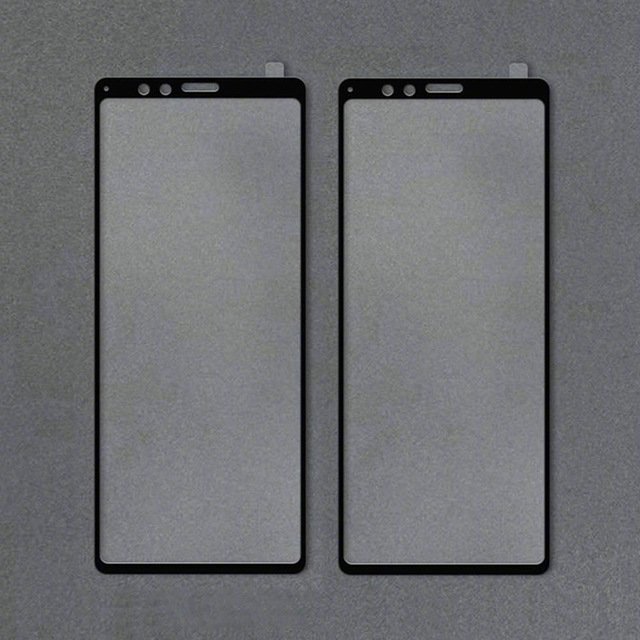
Earlier this morning, Ice Universe leaked what he alleges to be a screen protector for the Sony Xperia XZ4. The unannounced Sony Xperia XZ4 is expected to drop into the market within the next few months and by the vibes, these first images are giving off, it seems like Sony has got a hold of something here. The screen protector shown in the images showcases what the Sony Xperia XZ4 would look like next to the iPhone XS Max featuring a super-thin chin and forehead for those that care about them to most. The sides are also well-trimmed and sport that classy Sony glamour to it.

Following right into the leaks and rumors, the Xperia XZ4 leak here does feature a 21:9 ratio. Early leaks suggested that the Sony Xperia XZ4 would feature a 21:9 display ratio and that definitely seem to be a continuous theme here. In the picture released by Ice Universe, surprisingly, the XZ4 is no taller than the iPhone XS Max. Not only does it put an end to our early contradictions somewhat due to how hard it would be to reach the top of the display, but it also shows you how well Sony is planning to make 21:9 the standard while other Android OEMs fumble with their weird display ratios.

Being a Sony device, there’s a good chance that Sony would try to make this phone as much of a powerhouse they could, internally and externally. With the help of the 21:9 display ratio, users would be able to view 21:9 content without any black borders (or checkerboards as they call it).

Given that the display on the Xperia XZ4 would most likely be a QHD+ panel, it’s not hard to come out with what the resolution of the display would be given the new monument Sony is planning to introduce here. According to our calculations, the display on the XZ4 should come out to be 3360 x 1440 if the rumors and leaks do reign true once the device hits the market.

Whether Sony plans to make a huge deal out of this display is yet to be seen, but if Sony does manage to retain the headphone jack and managed to slap in some incredible sound drivers within the device itself, Samsung better watch out. After all, Sony’s next big rack comes from their movies.

Samsung Galaxy S10 Lite To Pack A Snapdragon 855/Exynos 9820 & 3100mAh Battery, Tipster Suggests

0

With 2019 beginning in full swing, the tech community is anxious regarding Samsung’s upcoming flagships, namely, the Samsung Galaxy S10, S10 Lite, S10 Plus, and possibly the S10 5G Edition. Several leaks have excited our taste buds so far and have also showcased a ton of details regarding how the Samsung plans to revolutionize this year’s premium smartphone segment with the S10 family of devices. However, one leak that did put a sore taste in our mouth was a leak that suggested that the Samsung Galaxy S10 Lite would feature a Snapdragon 845 SoC instead of the newly-announced Snapdragon 855 SoC (more details).

However, that information was recently contradicted as Ice Universe has just suggested that the Samsung Galaxy S10 Lite would pack a Snapdragon 855/Exynos 9820 rather than the Snapdragon 845/Exynos 9810 as touted by the previous S10 rumor.

Samsung Galaxy A8s vs Samsung Galaxy S10 size comparison in renders | Via @VenyaGeksin1

The Samsung Galaxy S10 Lite would be the entry gate for those who want to enter Samsung’s flagship experience. As speculated previously, the Samsung Galaxy S10 Lite would retail for about $699 and would gradually reduce its pricing as time progresses due to the stiff competition coming from the Chinese shores. That was even more notable when OnePlus made its way to the US with the introduction of the OnePlus 6T, eventually laying the ground for the launch of the upcoming OnePlus 7 with help of T-Mobile.

So far, leaks and renders have pretty much stood with the fact that the Samsung Galaxy S10 Lite would come with a flat-display rather than a curved one and would also feature an Infinity-O notch just like its elder brothers, the Galaxy S10 and S10 Plus. In addition to that, first leaks regarding the batteries of the Galaxy S10 family came out suggesting that the Galaxy S10 Lite would feature a 3100 mAh battery under the hood. If that seems too small for your 2018 tastebuds, display leaks regarding the upcoming Galaxy S10 family of devices suggested that the Samsung Galaxy S10 Lite would have the sharpest display of the three/four S10 devices, clocking in about 585 PPI or 597 PPI depending on the display ratios.

There’s a ton of information out there regarding the Samsung Galaxy S10 family of devices, couple that with all of the hype users have regarding these device and Samsung has a ton of expectations to meet here. What’s left to be seen is whether Samsung plans to make 5G a standard on the whole S10 lineup or if, as leaks suggested, would be exclusive to a 5G-based variant that leaksters are dubbing as the S10 Plus 5G.

Galaxy S10+, S10& S10 Lite To House 4000, 3500 & 3100 mAh Batteries

0

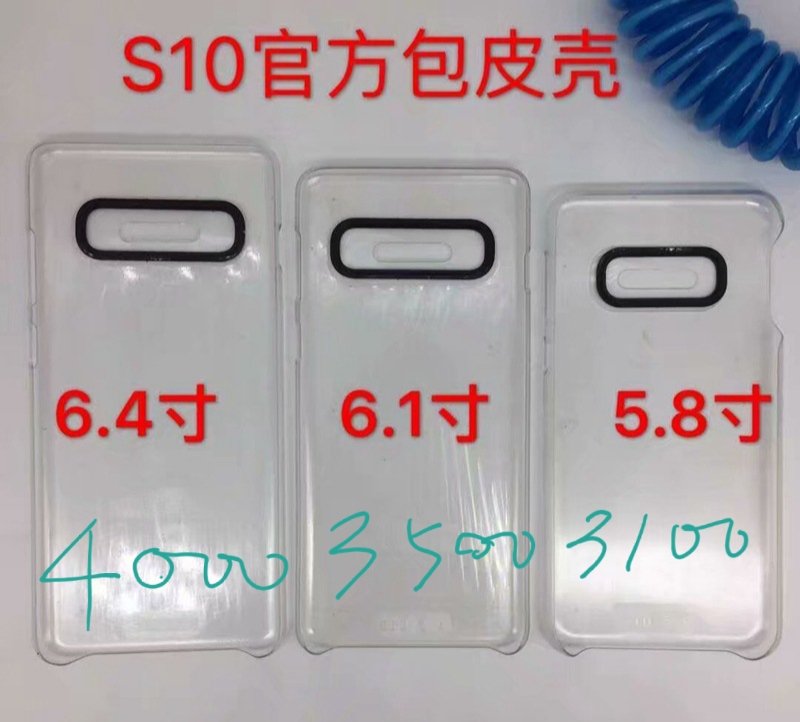
Only a few months remain for Samsung’s yearly release of their next big Smartphone. This year counts to be the 10th anniversary for the world-renowned Galaxy “S” series which took the world by storm. Up until now, we’ve learned quite a lot about the next flagship by Samsung dubbed to be the Galaxy S10 going to hit markets in three variants. The S10 will most definitely hold all sorts of candies for enthusiasts with neat features covering almost every sector with an infinity O display, decent camera setup and most importantly quality battery time. It seems that new leaks just keep on popping here and there. Once again thanks to our trusty Ice Universe we get a glimpse of what may be the back covers for all three variants of the Galaxy S10.

The leaked photo showcases the actual footprints of the device along with the battery capacity stated.
As we’ve uncovered before how Samsung approached all three of the variants by differentiating them in terms of the camera setups and the screen sizes but now it is clear that all three versions will have different battery sizes as well. The S10+ being the most advanced and top of the line model is expected to have a 4000 mAh battery while the S10 would house a 3500 mAh and the most budget-friendly option, the S10 Lite is to contain a 3100 mAh battery.

Given the battery sizes and how Samsung is to keep the same chipset throughout the models, battery life will greatly be affected. The Galaxy Note 9, for instance, had a similar 4000 mAh battery paired with the Snapdragon 845 but as we’ve uncovered the Snapdragon 855 will greatly improve efficiency and we may see a 2-day battery life for once after all these years. The Galaxy Note 9 squeezed through a whole day without an issue and with the Snapdragon 855, numbers are bound to increase. Only a few months are left for the release and with these vital points covered, Samsung will make an entry into 2019 a bold statement for how they would want to pursue this year.

Last year wasn’t really great when it came to the old players’ thanks to the tough competition in the lower ladders by the Chinese manufacturers pushing innovation to the very edge. With Xiaomi intending to step into the international zone, Samsung would certainly not want to hold back any punches in this crucial time. Not to forget the 5G factor which has been thrown a lot quite recently. Samsung was to release a 5G version with beefed up internals and most importantly the X50 modem which would allow it to be the first 5G ready smartphone.

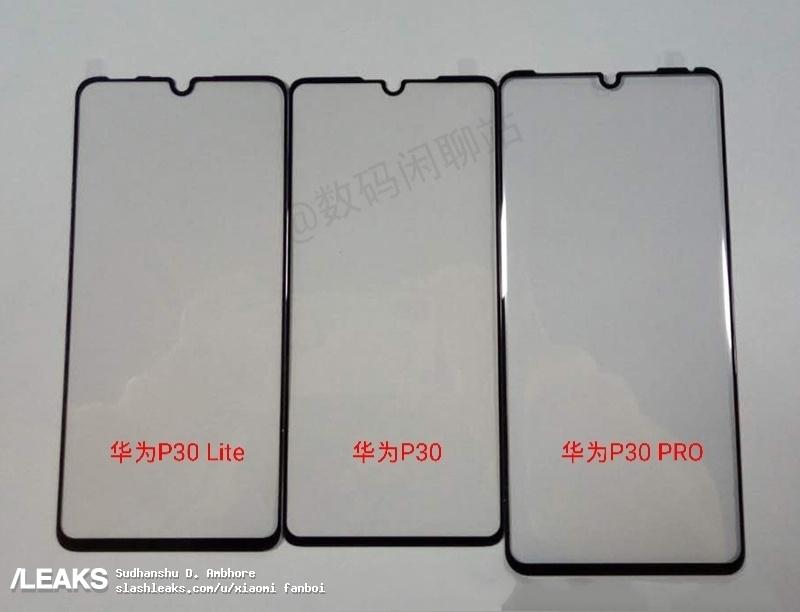
Huawei P30, P30 Lite, and P30 Pro Screen Protectors Leak Key Design Elements, Including an Infinity-U Notch

0

It 2019 and oh boy is Huawei heating up the market. Following the introduction of the Huawei Nova 4 and Honor V20, it seems like Huawei could be calling it a day with the punch-hole displays. New leaks coming in from Slashleaks are suggesting some key details regarding Huawei’s upcoming lineup of devices, namely, the P30, P30 Lite, and P30 Pro.

Huawei P30, P30 Lite, and P30 Pro Design Leaked In Screen Protectors

Slashleaks has just leaked three screen protectors showcasing what the fronts of the Huawei P30 Lite, P30, and P30 Pro would look like. In addition to that, not only do we get our first look at them, but there are a fair bit of details that we could derive from these leaks other than the fact that we’re getting closer to their launches.

Since all three of the devices have managed to make their way into one shot, we could get a fair bit of detail as for how well the three devices compare to each another, at least on the outside.

All three of the devices seem to be sporting the usual full-view displays, a trend that has now become the norm with smartphones throughout 2018. However, contrary to Huawei’s recent announcements, Huawei is moving towards an Infinity-U notch.

If we take a closer look at how the three compare, it seems like the Huawei P30 Lite and P30 feature the same display. However, with the P30 being the middle one of the three, Huawei has managed to trim off some of that chin at the bottom. All three devices seem to have their earpieces aligned weirdly with the P30 Pro featuring the largest of the three. Furthermore, the Huawei P30 Pro does seem to have a slightly larger chin compared to the P30 and does seem to sport a 3.5mm headphone jack on the top of the device.

Details provided by the leaker on Slashleaks suggested that the Huawei P30 and P30 Pro would feature an under-display fingerprint sensor, leaving out the P30 Lite with a physical scanner to compensate for the pricing. Additional details provided by the leaker suggest that the Huawei P30 Pro would feature a 6.4-inch display while the other two feature a 6-inch display under the hood.

While everything seems to be speculation thus far, the predictions and details we could derive seem to be pretty accurate based on recent Huawei P30 leaks and renders. However, all of this would count if these leaks turn out to be in the final launch of the Huawei P30, P30 Lite, and P30 Pro. For all, we have our eyes set for the launch of the three devices later this year, most probably in April.

If you’re interested, you may want to check out the renders, speculations and leaks of the Huawei P30 and P30 Pro.

Huawei P30 Renders Emerge – Expect An Under-Display Fingerprint Sensor, Infinity-U Notch & New Gradient Colors

0

Huawei has been an aggressive leader over the past few years. Following the flagship launch of the Huawei Mate 20 and Mate 20 Pro last year, everyone has their eyes set for Huawei’s next big thing, the Huawei P30 lineup. Being the successors to last year’s Huawei P20 lineup, there’s a ton of expectations to adhere over here as 2019 begins. As we move forward, the first round of renders and concepts, courtesy of OnLeaks and 91Mobiles have emerged online suggesting what the Huawei P30 may look like.

Huawei P30 Render

Based on the renders released, the Huawei P30 would feature an Infinity-U notch along with a full-view display. In addition to that, the device would seemingly offer a rear dual camera set up along with a headphone jack at the bottom. While colors nor variants of the device have been leaked in detail, thus far, the renders suggest that the Huawei P30 would pack a green-blue gradient back along with an under-display fingerprint sensor up front.

Regarding specifications, all we could do for now is speculate. However, based on how well the Mate 20 lineup and P20 lineup were specced, it isn’t hard to speculate what the Huawei P30 would pack under its shell.

Huawei P30 Specifications

Internally, there’s a good chance that the Huawei P30 would pack a Kirin 980 SoC, the same SoC that fuels the Huawei Mate 20 lineup. However, there’s also a good glimpse of hope that we may see Huawei opt for their rumored Kirin 990 SoC as well that would bring 5G into the spotlight for the company.

The Huawei Mate 20 comes with up to 6GB RAM and 128GB of internal storage. Given that Huawei would most likely launch the Huawei P30 Pro along the P30 hints to us that the Huawei P30’s internals shouldn’t be that far off from the Huawei Mate 20. Therefore, we’re expecting the Huawei P30 to pack 6GB of RAM and 128GB of internal storage.

There isn’t much concrete information regarding the display either. However, given the recent shift in trends in the smartphone market, the Huawei P30 would most probably feature a 6-inch display.

Huawei P30 Pricing & Availability

Regarding the release date and pricing, we don’t expect Huawei to shake anything up this year. We’re expecting to see the Huawei release the Huawei P30 later this year, most probably in April for about the same price the P20 retailed for, €740 (US $739).

A Foldable Xiaomi Device Has Leaked – Features A Tri-Fold Design

0

It seems like Xiaomi could simply not sit back and relax as Samsung bakes their foldable phone back in the kitchen. According to a new leak, a first from Xiaomi, Xiaomi could potentially be working on a device that features a foldable display, similar to what we’ve seen from Samsung so far.

While not explicitly mentioned, the device does give away the fact that it’s a device from Xiaomi simply due to the fact that it runs on Xiaomi’s in-house MIUI ROM. Other than that, there wasn’t much to note regarding this mysterious Xiaomi device since the video does seem to have been recorded with another smartphone crippling the exposure of the video.

Leaked device via @evleaks

What’s special though is the fact that this mysterious device from Xiaomi does seem to have some smooth transitions and animations in place for the device that tri-folds. What’s even more intriguing though is the fact that the tri-fold design, other than looking amazing, would definitely offer a ton of flexibility if this turns out to be true.

Given that this is among the first series of rumors and leaks making its way to the internet, there’s a ton of skepticism that we’re carrying along with it. However, if true, this could be ground-breaking giving how this technology is still in its early stages with Samsung leading the race.

Xiaomi typically excels at budget devices, regardless of its internals. If this device is actually true, this could potentially mean that we could see foldable devices featuring an affordable price tag. While foldable devices aren’t going to be cheap, that’s for sure, what we’re quite confident in claiming is that this device would be way cheaper than Samsung’s offerings.

Xiaomi Makes Redmi A Standalone Brand – New Redmi Device To Launch On 10th January

0

Xiaomi has done a lot of new things the previous year and reached quite a lot of milestones in a very short period of its existence in the smartphone world. As 2019 emerges, the company decides to start a new year with a bang. The Redmi series by Xiaomi has been a vital part of the brand’s influence over the Asian markets offering very aggressive specifications with a fraction of the price compared to its competitors.

Xiaomi in a statement confirmed that the Redmi branding will finally be separated from Xiaomi and will commence as an independent brand. This may come to be very absurd news but makes definite sense considering the long shot. The Redmi sub-brand and the Mi branding both targetted very separate markets in a very tiny differential of the budget smartphone industry. Given how both the brands were controlled by Xiaomi solely, numbers weren’t actually that great. This new move will prove to be in favour of Redmi and will give it a breath of fresh air. The device heavily relied on e-commerce sales and will continue to do so while the Mi brand will be sold in the same manner it has been.

The next Redmi device is scheduled to be released on 10th of January and we will most certainly expect something different in it from the previous devices. This separation will allow Redmi to grow as an independent brand, make a name for itself and most importantly find its own DNA. With Xiaomi taking over the International markets with the launch of their Redmi and Mi devices this step will have an impact on sales and all the aggressive prices set by the manufacturer. It will certainly be interesting what the next Redmi smartphone brings to the table and to the already crowded Asian region.

Leak: Xperia XZ4 Antutu Benchmarks Show A 10% Increase Over The iPhone XS

0

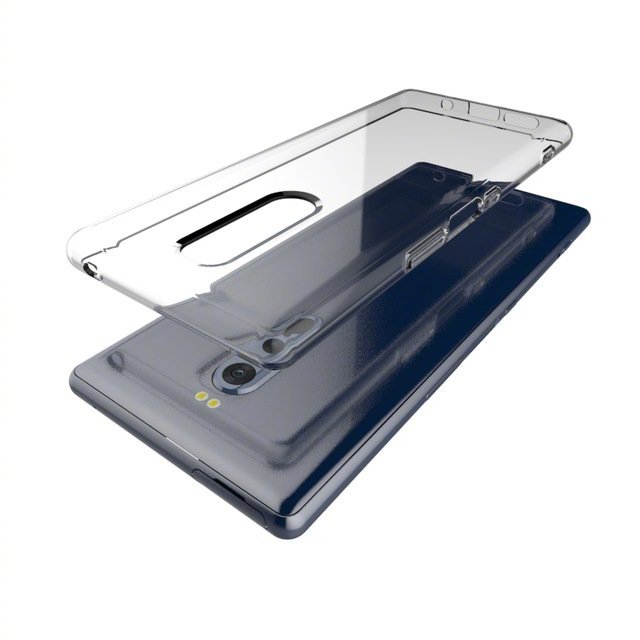
The Sony Xperia has been in the spotlight quite a lot recently with its front screen film leaked and the actual renders revealed. The phone is expected to make its way into the international markets later this year with a very absurd set of features. The Xperia XZ4 will house no notch and no sort of punch-hole camera with a 21:9 aspect ratio and 3 rear facing cameras. Overall the specifications seem very standard given how manufacturers like Samsung, Huawei and LG have been innovating their devices not to forget Xiaomi and Oppo with their budget solutions.

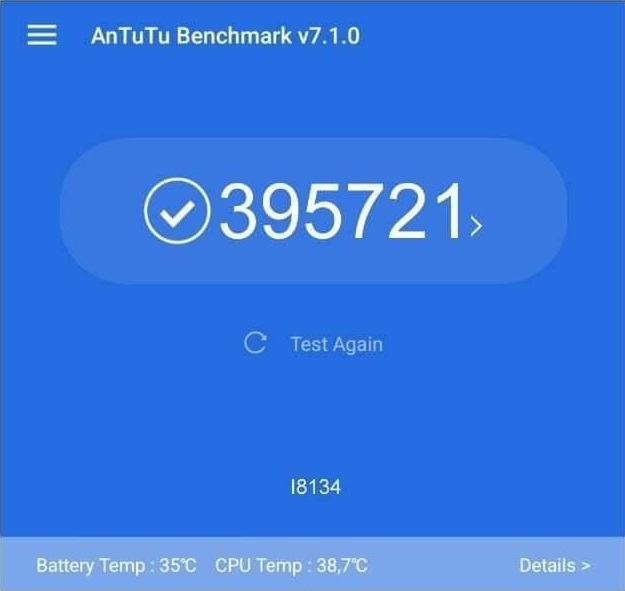
The leaked Antutu benchmarks reveal a total score of 395,721 points. Given how Android smartphones managed around the 300,000 marks seems very interesting. It is almost certain that the Xperia XZ4 will house a Snapdragon 855 SoC which will definitely be the standard for 2019 Android smartphones. What’s interesting here is the fact the benchmarks actually surpass the Kirin 980 by Huawei which had very similar architecture to the 855. Moreover, the benchmarks also surpass the latest iPhone XS in terms of the score by almost 50,000 points which is certainly an overwhelming number.

Source: SlashLeaks

It is clear that Android smartphones are catching up to Apple’s invincible chipsets but it all comes down to optimization of the software phone is running. The fact that the XZ4 doesn’t really provide any sort of a neat feature which we may have not seen in any other smartphone is certainly puzzling but we never know what Sony has been cooking for all this time. The manufacturer definitely has a lot to catch up but let’s not lose hope in Xperia just yet.

Leaks For Sony’s Xperia XZ3 Confirm The 21:9 Aspect Ratio & No Notch

0

With a new year comes an opportunity for manufacturers to set new trends and with all the leaks we may have an idea for what the next big trend would be. Samsung, Huawei & LG managed to get rid of the very 2018ish notch design by embracing a pinhole design camera with their latest devices while providing a maximum screen to body ratio with practicality and very little tradeoffs. Sony, on the other hand, has been very subtle in the smartphone market lately. The brand is easily one of the old players in the game and was known to bring the top of the line camera’s and IP ratings to smartphones but have seemed to lost their touch over the years.

The latest addition to the Xperia franchise is expected to be named the Xperia XZ4, the successor to the XZ3 released last year with a ton of improvements on the inside while keeping a very similar outside geometry. As uncovered earlier by one of the editors that the XZ4 is likely to ship with a 21:9 aspect ratio with a triple rear camera setup and no sort of notch or any other workaround. The latest leaks courtesy of Weibo unravelled that the XZ4 will, in fact, have a triple camera setup while retaining the no notch policy even in 2019.

With folks over at Samsung and LG pushing innovation to the very edge in terms of display technology and the overall device itself, Sony’s XZ4 doesn’t actually appeal much to the general enthusiast. Apart from the fact that Sony has not actually even hinted any unique feature about the phone is also quite vague. The same happened with the XZ3 and it truly performed poorly. It seems that the manufacturer aims to make a yearly update of a very mainstream design which has been running in the DNA for ages. Sony also showed interest in making a “Transparent” smartphone reported by LetsGoDigital. The patent is definitely plausible and worth turning heads but will most likely become a part of a new different series.

In order to regain their market especially in Asia, Sony will have to bring something new to the table and soon because times are desperate for the manufacturer. With the influence of budget smartphones growing at a steady rate and with the gap between flagships and budget smartphones reducing drastically. Sony will need to act smart and quick.

Xiaomi Mi 9 Would Release Much Earlier Than Anticipated – Here’s Why

Xiaomi is definitely prepping the Xiaomi Mi 9 behind their curtains and it’s about time leaks regarding the Xiaomi Mi 9 begin to leak. Over the past year, Xiaomi has drastically changed their smartphone lineup and landscape in the smartphone industry and there’s a good reason why Xiaomi would be releasing the Xiaomi Mi 9 way earlier than last year’s Mi 8. Since nothing about the Mi 9 has been leaked so far, apart from a few speculations, courtesy of Ben Geskin, here’s our take on when and why Xiaomi would be releasing the Xiaomi Mi 9 way earlier this year.

The Xiaomi Mi 9’s Release Date Could Come In As Early As March/April 2019

Xiaomi has been playing with their release schedules for a while now. With the company now pushing for the successor to the Mi 8, most probably dubbed as the Mi9, it seems like Xiaomi would be playing their release dates carefully this time around. The Xiaomi Mi 6 followed the usual launch schedule from 2016’s Mi 5 with the device making its debut in April for each of the two devices. Following the launch of the Mi 6, enthusiasts were aching to see what Xiaomi has in store for 2018. Fast forward to April 2018 and enthusiasts were getting increasingly anxious regarding the arrival of the Mi 7. However, Xiaomi did not release the Mi 8 until June later this year suggesting that Xiaomi has changed some of their deadlines along the way.

The Race For The Snapdragon 855

The race for Qualcomm’s Snapdragon 855 SoC has become a whole lot more intense than previous SoCs. Last month, Qualcomm announced their next major flagship SoC, the Snapdragon 855. The newly introduced SoC would be powering some of the very best flagships from all across the aisle with Lenovo leading the race with the launch of the Z5 Pro GT.

The race for the Snapdragon 855 seemed to become even more intense when both, Samsung and OnePlus were caught in the feud suggesting that they would be among the first manufacturers to sport Qualcomm’s Snapdragon 855 SoC. Days later, Xiaomi decided to jump by revealing a Mi MiX 3 featuring the Snapdragon 855 under the hood following up on its 5G promises from the 5G hype Xiaomi has built back in October 2018.

With manufacturers stalking the Snapdragon 855 this much, there’s a good chance that Xiaomi wants to get into the race as well and won’t let its arch nemesis, OnePlus, get away with an early launch.

Xiaomi Would Want To Keep The Poco F2 Launch Further Apart

One of the biggest shocks from 2018 had to be launch announcement of Xiaomi’s new sub-brand, Poco. With the launch of the sub-brand, Xiaomi shook the smartphone industry with the launch of their first device under the Poco branding, dubbed as the Poco F1 (review). For $299, Xiaomi was basically offering a “flagship killer… killer”. Featuring a Snapdragon 845 SoC, 8GB RAM and 256GB of internal storage, Xiaomi managed to stick to the basics while offering a solid performer alongside the Mi 8. Everyone knew, including Xiaomi how this launch would basically undermine Xiaomi’s own flagship, the Mi 8, but Xiaomi persisted.

To keep enough of a distance, Xiaomi would most likely launch the Poco F2 later that year, most probably in August 2019, to give the Xiaomi Mi 9 some spotlight. If they do release the Mi 9 alongside Samsung’s Galaxy S10 series of devices, which is expected to be revealed by March/April 2019, Xiaomi would have about five months to keep the Mi 9 in the spotlight unlike the 2018 release where the Mi 8 barely got three months worth of spotlight. After all, at the end of the day, Mi 9 is where Xiaomi would want to show off its prowess against OnePlus and Huawei. If true, this would definitely be a smart move from Xiaomi.

Finalizing Our Speculation For The Xiaomi Mi 9

These are the two major reasons why Xiaomi could potentially release the Mi 9 sooner than what we had expected. At least, that’s what we could speculate so far. The Xiaomi Mi 9 would be the device that would showcase the best of Xiaomi apart from the Mi MiX lineup.

If we do find a few more points along the line, we’ll be sure to add it here. Until then, this is our take on why Xiaomi could potentially release the Mi 9 earlier than expected.

Also, if you’re interested, read our list of predictions for the OnePlus 7.

Nokia 9 Pureview Official Teaser Leaked – It’s A Flagship Killer Putting Nokia Back In The Game

0

With 2019 just taking its first toll today, it seems like Nokia is about to start off the year with a major bomb. A leaked teaser trailer for the Nokia 9 has just emerged on the internet revealing all that Nokia has to offer this year with the Nokia 9 Pureview.

Early leaks of the Nokia 9 were stunning. As 2018 came to an end, leaks and renders regarding the Nokia 9 begun to emerge, suggesting some insane features. We’re talking about a penta-camera setup here on its rear. However, courtesy of MySmartPrice, the Nokia 9 has become an even more enticing of a device than ever.

Nokia 9 Pureview Official Teaser Spills The Beans – Here’s the Nokia 9’s Specifications & Features

According to the leaked teaser, the Nokia 9 would indeed be featuring a penta-camera on its rear. However, our excitement for the device has been further elevated by the extras that Nokia is putting on the table here. Not only does it feature a penta-camera setup on its rear, but it’s also backed up by Zeiss Optics, runs on Android One out of the box with 2 years worth of guaranteed updates, comes with an under-display fingerprint sensor and support for Qi Wireless charging out of the box.

The SoC responsible for munching all the information is the Qualcomm Snapdragon 845. The device would come in one variant only, that is with 6GB of RAM and 128GB of internal storage. Furthermore, the device comes with a 5.99-inch flat 2K display with support for the HDR 10 standard.

Nokia 9 Would Feature Five Cameras On Its Back

Coming back to the penta-camera setup though, the teaser trailer has confirmed that the Nokia 9 would be able to take 5 shots simultaneously and would also be able to combine those shots for an amazing, yet crispy shot with an amazing amount of detail and balanced exposure.

Surely this isn’t anything new, Huawei has implemented similar techniques in the past with their dual camera setups. However, what Nokia is doing here is simply taking it to the next level. That’s for sure. Couple that with the added bonuses that Nokia is offering and Nokia has a shot at shaking the field here.

Nokia 9’s Pricing & Expectations

How well it would be priced is yet to be seen. However, given the specs and how Nokia has been working on this device for the past year or two tells us that Nokia is intending to release the Nokia 9 for the high-end market, more or closer to the Pixel 3 and Pixel 3 XL’s $899 price tag.

Given that we’ve come this close to the renders and leaks, we’d speculate that Nokia is planning to release the device later this month or next month. And with Sony and HTC continuously dropping out of the race, it seems like Nokia wants to showcase their prowess with the Nokia 9. The future for Nokia seems to be bright, and the Nokia 9 seems to be a testament to HMD Global’s efforts over the past few years after acquiring it from Microsoft.

Xiaomi Poco Delays 4K/60FPS and Netflix HD Support For Next Year

0

Xiaomi had a rocky start with the Xiaomi Poco F1. Soon after the launch of the Poco F1, Xiaomi’s newly formed Poco team got to work to address a number of issues plaguing the Poco F1. Beginning with the touch input lag, Poco clearly knew that they weren’t done with their updates and soon after the fact promised to deliver 4K/ 60FPS and support for Netflix HD for the Poco F1 at a time when no device featuring the IMX 363 supported the feature and when none of the devices, including the Mi 8, featured Netflix HD support.

Poco F1 4k 60FPS and Netflix HD support delayed

Last week, Xiaomi promised that the development to enable 4K/60FPS was in its “final stages” and that Netflix HD support for the Poco F1 would be arriving later this month. However, it seems like that wouldn’t be the case as Xiaomi has just announced that they have delayed the two updates for next year.

The Poco F1 features a Snapdragon 845 SoC, up to 8GB RAM and 256GB of RAM and a 4000mAh battery. In addition to that, the Poco F1 features a headphone jack and a vapor-chamber liquid cooling system. The Poco F1 was an incomplete flagship killer for $299 when it launched earlier this year. But without a doubt, Xiaomi’s enthusiastic update team has made the Poco F1 a complete package that many should not overlook.

The Poco F1 would be the first device in Xiaomi’s fleet to support Netflix HD. In addition to that, if we haven’t been mistaken, the Poco F1 would be the first device with an IMX 363 to add 4K 60FPS support with the help of Xiaomi’s update team and the Qualcomm Snapdragon 845 SoC. When Xiaomi plans to release those updates to the rest of its fleet that consists the likes of the Mi MiX 3, Mi 8 and more is yet to be seen. But for now, the pattern is clear, Xiaomi has their eyes peeled on the Poco F1 for now.