Oh boy has it been an amazing weekend. Both, Xiaomi and Samsung finally showcased their flagships, namely, the Samsung Galaxy S10 and the Xiaomi Mi 9, ahead of MWC 2019 in a complete blast. With Xiaomi taking the lead hours before Samsung’s Unpacked event, Xiaomi managed to secure a respectable third place on DxOMark’s rankings. However, with DxOMark following up with the review of the Galaxy S10, Samsung has managed to dethrone the short-term glory Xiaomi had going with the Mi 9.
With DxOMark now becoming a tool for bragging rights for manufacturers, no one has been able to dethrone the Huawei Mate 20 lineup this far. According to the current standings, the Huawei Mate 20 Pro and P20 Pro still take the first and second spot in DxOMark’s rankings, with the newly-introduced Samsung Galaxy S10 and Xiaomi Mi 9 taking third and fourth places, respectively.
All three of the top smartphones on DxOMark’s rankings hold 109 points to their name, including the Samsung Galaxy S10. However, it seems like the Samsung Galaxy S10 may have taken an edge over here as DxOMark’s new selfie camera tests put the S10 ahead of the competition. And this is where Samsung is raking in all the sugar. While the rear cameras seem to be neck and neck between major flagships these days, it seems like Samsung has gotten a good grip of what it takes to take good selfies. Not only does the Galaxy S10 lead the selfie race, but it takes the Note 9 from 2018 along with it carrying 96 and 92 points to their name.
Now with Samsung delivering some huge blows to the competition, it’s worth noting that DxOMark’s scores shouldn’t be your final consideration when choosing a smartphone based on its camera. Regardless of all of the scores, a larger part of smartphone enthusiasts would agree that the Pixel 3 and Pixel 3 XL take some of the best shots on a smartphone to date, albeit the lack of 4k/60FPS recording.
With MWC 2019 now underway, the competition is about to heat up as flagships from Sony, Huawei, OnePlus and LG pop up within the next few weeks and months. And with Sony and Huawei teasing some major reveals already, it seems like niether of the companies is willing to back down on showcasing their prowess.
Foldable smartphones are definitely the future. Samsung is the first to actually unveil a full-fledged foldable device and left enthusiasts to wonder. Although the idea of a foldable smartphone remains unclear, one thing is certain and that is the fact that we’ll see a lot more foldable smartphones in the future. Huawei out of all has been keeping pace with the Korean tech giant lately. First with the punch hole design and now the foldable smartphone. The poster for Huawei’s foldable smartphone leaked via Twitter and the leaker claimed it being a poster for MWC 2019 which is to begin in a couple of days.
Dubbed to be the “Mate X”, Huawei it seems was ready to launch a device as the first competition to Samsung. Despite various smartphone manufacturers patenting the technology Huawei has brought this fantasy to reality. The phone itself seems to have a similar fold in half like the Galaxy Fold but instead of a notch houses all the neat sensors in a small bar. Moreover, the device folds in such a manner that when converted offers a screen on both the front and the back, unlike Samsung’s approach.
Overall the display of the device consists of minimal side bezels while almost all the physical features of the phone reside on a sleek looking bar. Taking a closer look at the poster we notice that the phone will, in fact, be 5G capable. Given how Samsung released the S10 5G, first mainstream phone to do so, Huawei would most certainly want a piece of that cake for the market which is yet to build. The device is a direct competitor to Samsung’s foldable smartphone raises a plethora of questions. The smartphone itself will most probably be revealed in a few days at MWC and with it, we may see Huawei’s approach on foldable smartphones and 5G itself.
The pricing for the Mate X should not come shy of a thousand dollar mark. Given how the gimmick has grasped the attention of almost every tech enthusiasts, manufacturers would not mind to charge extra for a feature which doesnt actually prove anything or bring emphasis to anything.
Razer has finally joined the race of manufacturers enabling 4k/60FPS for phones that feature Qualcomm’s Snapdragon 845 SoC. After months of wait, Razer has finally delivered on the update.
Thanks to a quick catch by one of the editors at XDA, it was finally confirmed that the latest Android Pie update for the Razer Phone 2 enables 4k/60FPS under the default camera app on the Razer Phone 2. Furthermore, Mishaal Rehman noticed the lack of any mention regarding the inclusion on the press releases.
Whether this was a mistake from the folks over at Razer is yet to be seen as Xiaomi has to do some intensive testing to enable 4k/60FPS for the Poco F1, Mi 8 and Mi Mix 3 several months after they were released. For now, all we could hope for is to see that the feature is stable and does actually manage to support a decent time of recording at that frame rate and resolution. Nonetheless, a great addition from the folks over at Razer, that’s for sure!
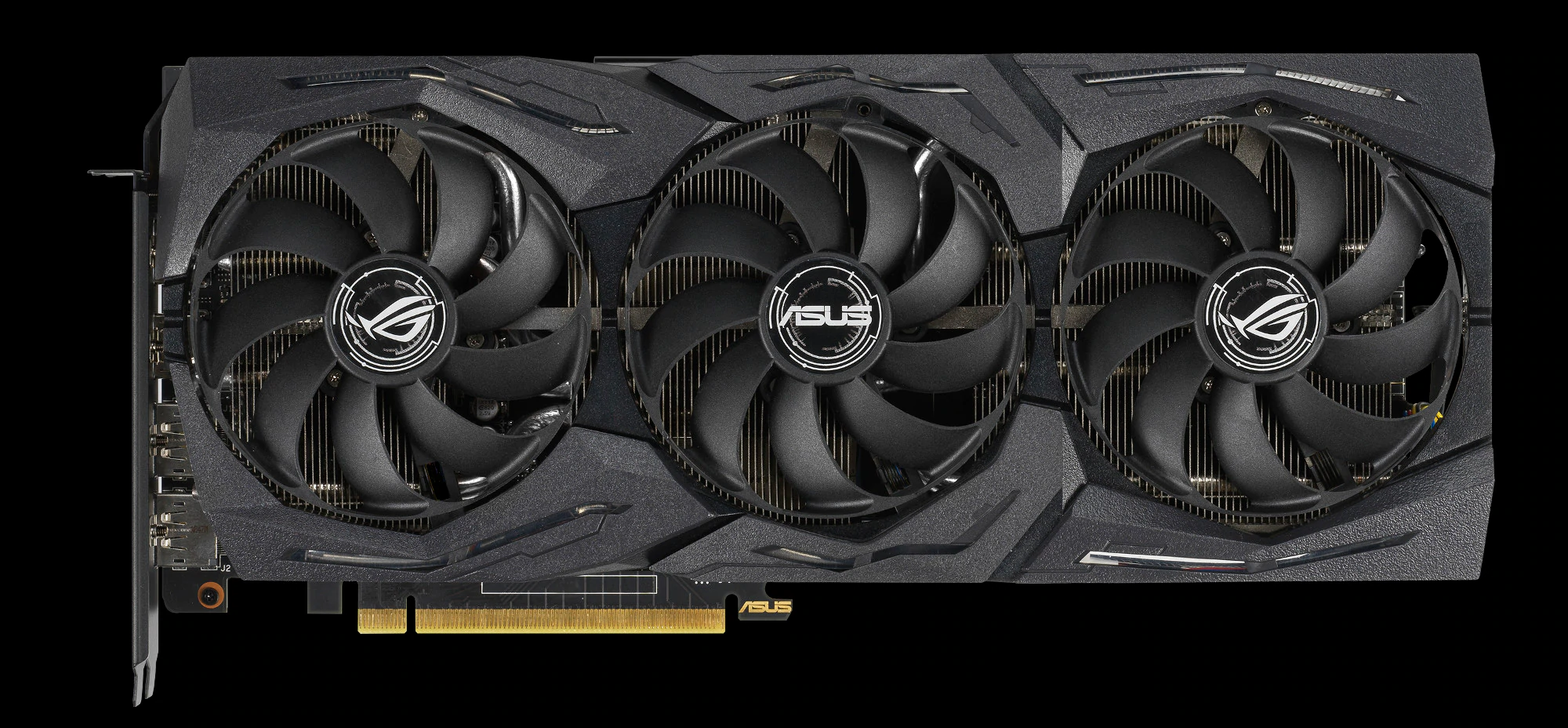
As the leaks suggested earlier, the GTX 1660ti GPU has finally been released to the general consumer. Coming in at a worldwide MSRP of only $279 is key for PC gaming enthusiasts on playing every video game title on premium settings. As far as performance is concerned, the GTX 1660ti has significantly improved in performance over the previous 960 and 1060 GPUs.
Based on the 12th generation Turin architecture, the GPU performs drastically better in terms of raw performance and efficiency than the outdated Pascal GPUs. Supporting concurrent floating point and integer operations, a unified cache architecture with three L1 cache, and turbocharged performance using modern shading technology the 1660ti provides 140% the efficiency of the 1060.
The Turing architecture delivers 1.5 times instructions per clock thereby setting a new standard for modern-day GPUs. All this occurs with the GPU consuming only 120W of power thereby making it the best mid-ranger when it comes to power-performance ratios. As far as common multiplayer gaminsis concerned the 1660ti performs satisfactory with almost every esport title like PUBG, Fortnite and Apex Legends giving 120 frames at the highest of settings.
With 1,536 CUDA cores, 6GB of the new GDDR6 memory running at 12Gbps and a boost clock of almost 1.8 GHz the 1660ti proves to be a valid and worthy upgrade for gamers. The manufacturer claims that almost two-thirds of all videogames run on GPUs the quality of a GTX 960 and the new GTX 1660ti while being cost-effective provides 3 times the power needed to run those games. As far as the experience is concerned, the 1660ti comes with all the fun Nvidia software and features for enthusiasts to toy around.
The GTX 1660ti starts retailing today in all the neat flavours which PC enthusiasts are aware of such as ASUS, Colorful, EVGA and many more for an MSRP of $279. Prices and variants vary on location and regions.
Now for those who haven’t been following me personally, I recently made the switch from my Xiaomi Mi 5 from 2016 to the Poco F1 and the Poco F1 has been my companion ever since. Now, there are a few major differences between the Poco F1 and the Xiaomi Mi 8 Pro. And therefore, I would be highlighting my first impressions of the device, coming from the Poco F1.
The Xiaomi Mi 8 Pro is definitely a spectacle for Xiaomi enthusiasts. Following my embarrassing unboxing of the Xiaomi Mi 8 Pro, Xiaomi confirmed that the Mi 8 Pro is basically a re-incarceration of the Mi 8 Explorer Edition for the global market. This means that the Mi 8 Pro virtually mirrors the Mi 8 Explorer Edition minus a few exceptions.
01 | Xiaomi Mi 8 Pro – The Design
After unboxing the Mi 8 Pro, one of the first things that I noted was how full the phone felt. Not only was it much more premium, but the experience of holding a glass-back phone is unrivaled compared to a plastic-back device.
The next thing that I noticed with the Mi 8 Pro was the subtle, yet neat, hints of red all across the device. On the Mi 8 Pro, not only do you get a red-colored power button, but you also get a hint of red in the USB Type-C port as well as a hit of red at the back on the device surrounding the rear cameras and artificial board.
02 | Xiaomi Mi 8 Pro – That Display Though!
Coming from the Poco F1, I definitely noticed and appreciated the incredible AMOLED display on the Mi 8 Pro. The deep blacks and incredible colors definitely make your phone a whole lot more enjoyable to use, especially for consuming media.
The Xiaomi Mi 8 Pro comes with a 6.21-inch AMOLED display. Like the Poco F1, the Mi 8 Pro comes with a notch on top, housing the IR camera as well as the selfie camera in about the same footprint as the rest of Xiaomi’s lineup so that wasn’t an issue with me.
Aside from that, the Mi 8 Pro did definitely solve one of the dilemmas I had with my Poco F1. The Poco F1 definitely felt awkward when I took a closer look at its display. Aside from the screen leak at the bottom of the Poco F1, that Xiaomi wouldn’t admit, the Poco F1 does feature horrible rounded corners all around the display. With the Mi 8 Pro, not only was that display much better than the Poco F1’s, but it also showcased uniformity in its design around the display’s corners.
03 | Xiaomi Mi 8 Pro – The Cameras Are Impressive
Even though the Mi 9 is out, the cameras on the Mi 8 Pro are no slouch. The Mi 8 Pro shares the same main camera sensor as the one on the Mi 8, Mi MiX 3 and Poco F1. However, compared to the Poco F1, there definitely seems to be a credible improvement, continuing us to believe that the Poco F1’s camera was nerfed just to keep the Mi 8 and Mi 8 Pro appealing.
For those who have been following our reviews, we tested the camera on the Poco F1 running the stock MIUI camera app as well as the Google Camera apk to investigate the nerfs Xiaomi had dug into the MIUI camera app for the Poco F1. Not only did the Poco F1 perform much favorably, but it took on the Samsung Galaxy Note 9 toe to toe.
However, after seeing the shots the Mi 8 Pro achieved, we were impressed with the camera Xiaomi has implemented on the Mi 8 Pro. While we aren’t revealing any test shots here, we would definitely be showcasing camera samples from the Mi 8 Pro really soon in a written review here at GeeksULTD.
04 | Xiaomi Mi 8 Pro – Still Looking For The Headphone Jack
One of the things I missed about the Poco F1 as soon as I moved to the Mi 8 Pro had to be the headphone jack. Coming from the Mi 5 to the Poco F1 and now to the Mi 8 pro, albeit temporarily, the 3.5mm headphone is still one of the things that I personally take for granted.
One gripe that most user have with their smartphones ever since the Apple iPhone 7 is how brands have jumped onto idea of removing the headphone jack.
With the Mi8 Pro, you may not have the luxury of simply plugging in your favorite headphones in and gaming for hours in PUBG, that is, unless you have wireless headphones sitting in a corner.
Xiaomi Mi 8 Pro Review & Plans Moving Forward
Now that we have the Xiaomi Mi8 Pro for review, we should be releasing a review of the Mi8 Pro within the next two weeks.
Despite the recent launch of the Mi 9, the Xiaomi Mi 8 Pro, at this point, still seems to be a great option for those who aren’t planning to fork out cash for the newly-introduced Mi 9 Transparent Edition. On top of that, a review at this time would also showcase how far Xiaomi has come in 2019 and if their Mi 8 lineup is still a plausible option for the present and future.
Samsung has had an amazing time releasing the Samsung Galaxy S10 lineup yesterday. Following the announcement of their new devices, it seems like the folks in the Netherlands would be able to get their hands on what Samsung calls the 10-Year Galaxy Edition Galaxy S10 Plus.
The quick catch comes from one of the editors over at WinFuture.De, Ronald Quandt, who managed to get a glimpse of the exclusive 10-Year Galaxy Edition Galaxy S10 Plus. According to him, the 10-Year Galaxy Edition Galaxy S10 Plus would come with the 1TB Samsung Galaxy S10 Plus in Ceramic Black as well as the new Galaxy Watch.
According to a few other users, the 10-Year Galaxy Edition Galaxy S10 Plus would only be available in Ceramic Black and that users would not be able to choose the color of their Galaxy Watch.
Pricing for the exclusive box hasn’t been revealed yet. However, given the tech Samsung is offering here in addition to that already hefty Galaxy S10 Plus simply tells us that this wouldn’t be cheap, we mean, $1899 cheap. Whether Samsung plans to bring the box to other regions other than the Netherlands seems plausible. However, given how vague the special edition box has been, we would doubt that.
Xiaomi has definitely turned a lot of heads with the launch of the Xiaomi Mi 9 lineup yesterday. Just as with many launches nowadays, as soon as Xiaomi was over with the launch of their new devices, DXOMark revealed the scores of Xiaomi’s latest and greatest smartphone, the Xiaomi Mi 9.
According to the ranks found on DXOMark’s site, the Xiaomi Mi 9 has cemented its place as the third best smartphone shooter they’ve tested so far, trumping the likes of Apple’s iPhone XS Max, Samsung’s Galaxy Note 9 (review) and more. However, the Xiaomi Mi 9 lost to the likes of Huawei’s Mate 20 and Mate 20 Pro by a slight margin that is expected to push even further with the launch of the upcoming Huawei P30 lineup next month.
The Xiaomi Mi 9 launched yesterday consists of a trio of cameras on the back, with the newly-introduced Sony IMX 586 48MP sensor as a standard on the Mi 9, Mi 9 Transparent Edition and even the budget-oriented Mi 9 SE. In addition to that, the other two cameras on the Xiaomi Mi 9 serve exactly as how any other shooter would, featuring an ultra-wide shooter as well as a telephoto shooter to complement the 48MP sensor.
Tests conducted by DXOMark were solely conducted on the Mi 9, leaving out the slightly tweaked Mi 9 Transparent Edition. To differentiate the Mi 9 Transparent Edition from the Mi 9, Xiaomi has enlarged the aperture on the Mi 9 Transparent Edition from f/1.75 on the Mi 9 to f/1.47 as well as enhance the lens on the Mi 9’s 6P to the Mi 9 Transparent Edition’s 7P setup.
With that out of the way, we’re finding the scores obtained by the Xiaomi Mi 9 to be pretty respectable even though DXOMark scores do not make up how a camera may perform.
And given that DXOMark hasn’t released details regarding their Samsung Galaxy S10 results yet eerily tells us that the ranking is about to get another shake very soon.
Samsung has finally unveiled the Galaxy F, or now as it would be known as, the Samsung Galaxy Fold. Following the Samsung Galaxy S10 launch, Samsung unveiled the Samsung Galaxy Fold, the device that would now dictate the future of the very definition of smartphones.
The Samsung Galaxy Fold would be no slouch, that’s for sure. Samsung has revealed that the Samsung Galaxy Fold would come with a 7.3-inch display when extended and would be able to be folded to view a 4.6-inch display, essentially transforming it into a smartphone.
Internally, we finally get to see the Samsung’s UFS 3.0 chips in action. Following our broken hopes of seeing UFS 3.0 storage in the S10 lineup, the Samsung Galaxy Fold has been confirmed to support the new technology. The rest of the specs continue to dictate the flagship featuring Samsung’s Exynos 9820 SoC, 12GB LPDDR4x RAM and more.
Furthermore, the Samsung Galaxy F would feature five cameras in total. The Samsung Galaxy Fold is said to back a trio of sensors at the back, consisting of a 16MP ultra-wide shooter, 12MP wide shooter and a 12MP telephoto camera. The latter of the two 12MP sensors would feature OIS and with the former 12MP wide shooter featuring Samsung’s classy dual aperture mode.
When extended, the Samsung Galaxy F would feature two cameras up front, that is, a 10MP sensor and an 8MP sensor. When folded, only the 10MP camera would be visible, leaving the 8MP camera hidden.
With the Samsung Galaxy F though, Samsung would finally give away with the MicroSD card slot, something that Samsung has been holding on to for a very long time.
With the Samsung Galaxy F, Samsung would be tweaking their new One UI software to make the whole experience on the Samsung Galaxy F plausible. Furthermore, Samsung has already revealed the color options the Samsung Galaxy F would come with. Samsung Galaxy F would come in four colors, Space Silver, Cosmos Black, Martian Green, and Astro Blue.
Samsung hasn’t revealed an official debut date for the device, neither have they revealed the price tag we could expect of the device when it launches this year. However, given how things are moving forward, Samsung could potentially be moving the Galaxy F launch towards the last quarter of 2019. But then given how much they’ve revealed at this point, we can’t make up our mind. What we are sure about is the fact that this device would definitely be priced above the $1500 mark.
The Galaxy S10 has been the talk of 2018 and undoubtedly the most awaited smartphone of the year. With Samsung taking extreme measures to ensure the perfectness of the device, the S10 is bound to succeed. Up until now, we’d had learnt a lot of information about the phone itself from geometrics of the phone to the core features and not to forget the specifications. But today Samsung has finalized everything with the announcement of the Galaxy S10.
With the S10 Samsung really preplanned its release to perfection. Having a device with updated specs and features at the very start of the year offers users a better option when half the market is still waiting to release their smartphones in October. The Galaxy S10 powered by the latest Snapdragon 855 chipset offers top of the line performance never before seen. Xiaomi took a very similar approach with the Mi9 but taking Samsung’s standpoint into consideration it is very well confirmed that the S10 will most certainly be the game changer.
Official Launch
Today Samsung unveiled the Galaxy S10 in all its glory. The smartphone itself I’ve got to say has truly brought the renders to life. The device itself has brought to life the best grade specifications and hardware available on the market. From the display to the cameras the device will surely set a new benchmark for manufacturers to beat. Given how the Samsung shaped it’s Galaxy S series smartphones it is evident that they’ve come a long way and for a 10 year anniversary things had to be different.
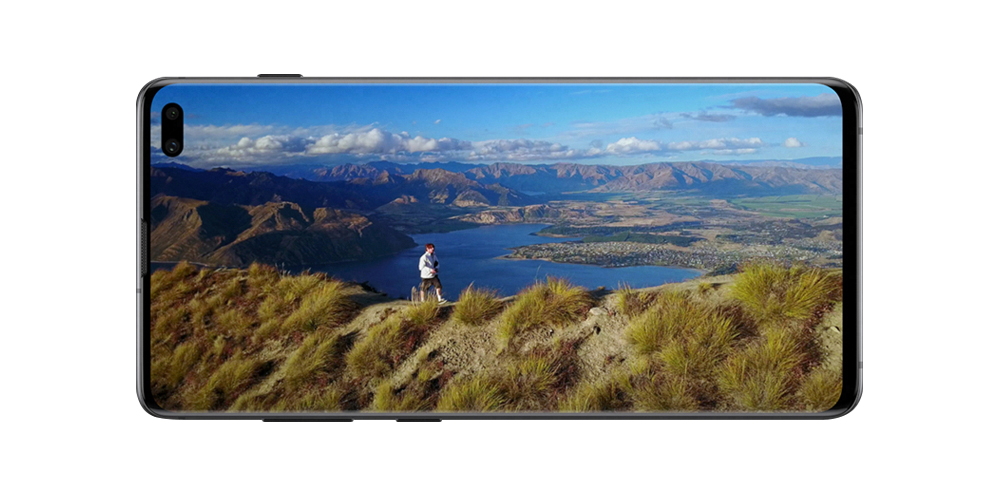
The display of the smartphone has been the highlight of the phone itself. When the leaks first surfaced, having a punch hole display or dubbed the “Infinity-O” display proved to be a bold move. In a market filled with notched devices, a punch hole offers a neat and aesthetic look to your device and Samsung as always is the first to start the standard. Galaxy S10’s Dynamic AMOLED display is not only the highest rated display on the smartphone alongside being the first HDR10+ certified display but offers a wide colour palette and vibrant colours. Not only that but the S10 raises the bar for in display fingerprint sensors as well. Throughout 2018 we saw various devices having in display fingerprint sensors capturing a 2D image of a fingerprint. Samsung, on the other hand, takes matters serious with the first ever ultrasonic fingerprint sensor on a smartphone adding a whole new layer of security.
The Regular Galaxy S10 & The S10+
Just like every iteration of the Galaxy S lineup, this year Samsung has introduced the classic S10 and the S10+ having a very similar spec sheet and geometry with a sole change in display size and battery size. The S10 offers an ethical single front camera just like the S10e while the S10+ has a more unique looking dual camera set up at the front. As far as the back of the device is concerned, both the phones share the same geometrics and the same trio of sensors at the back. With the S10 and the S10+, it all comes down to personal preference since both the devices perform very similar and despite changes in battery size and display size, both the phones will offer a very similar battery life.
Moreover, the devices both prove to bring significant improvements over the previous smartphones. Samsung despite having the S10e and the S10 5G has made the regular S10s somewhat mainstream. Both the devices are balanced to a great accurate extent and would provide a very satisfactory performance nevertheless. Powered by the Snapdragon 855 the Galaxy S10 takes portable computing to a whole new level.
The S10+ takes first place in DxO Mark’s selfie rankings. Samsung has clearly put a ton of emphasis on the flagship’s 10 year anniversary while keeping everything to perfection. The software experience of all the S10s has improved drastically. Gone are the days when the use of a custom launcher was mandatory over the pale looking TouchWiz. OneUI and Bixby have come a long way with Bixby being more matured and learned while the software experience is snappy and efficient. OneUI not only performs better but with the dawn of the dark mode, the UI looks cleaner than ever. With the dedicated Bixby button folks will now be able to program the button according to their needs, thank you Samsung for listening!
Harness The Power Of 5G With The S10 5G
5G has been the topic which has gained a ton of exposure throughout 2018 and with Snapdragon’s 855 chip things were definitely looking interesting. Samsung with the S10 5G brings 5G to a consumer level beating everyone to the race. Having the X50 modem Samsung achieves insane speeds, 4K video calls, high fidelity VR, AR and what not. With new 5G technology, users will now be able to enjoy high graphic cloud games without a hiccup.
The 5G variant of the S10 wasn’t as blatant when it came to actual leaks and it is evident that Samsung wanted it to be a show stopper with a better spec sheet and a better overall experience. The S10 5G outperforms every other S10 in almost all departments. From a bigger display coming in at 6.7-inch and a bigger 4500 mAh battery and not to mention the X50 modem by Qualcomm. When it comes to the cameras on the different S10s, Samsung has fitted a quad camera setup on the S10 5G which means you’ll get a telephoto lens, a wide angle lens and an ultra wide angle lens. Although the S10 5G does add a layer of improvements over the rest of the S10 devices yet Samsung has decided to maintain a 256GB/8GB standard with the phone with no expandable storage options.
Being the first ever to bring 5G technology to the mainstream market definitely has its perks and with Samsung already working hard on bringing the tech to every corner of the globe. Having released the first 5G device, Samsung has pretty much cornered the market which is yet to build throughout 2019. Undoubtedly, the S10 5G takes premium smartphones to a whole new level.
The S10e – A Budget Option For Not A Very Budget Price
The S10e is undoubtedly the most hyped device after the 5G variant by Samsung. Rumours suggested its price to be around the $650 mark but at the launch, Samsung clarified that the phone will indeed cost $749.99 for the base model. Truth be told the price tag pretty much justifies the device itself. Having a smaller display coming in at 5.8-inch with a battery of 3,100mAh the S10e offers the same chipset as the rest of the devices.
With a single punch hole at the front, the S10e definitely has an aesthetic look which may attract a classic enthusiast. The rear of the smartphone houses a dual camera setup namely the wide angle and the ultra wide angle lens with all the fun features. While sacrificing the telephoto lens, the S10e offers the same structural integrity as the other S10s and consists of similar raw materials.
Hitting the $750 price point sort of puts Samsung in an awkward position for their Alpha series mid-rangers. With brands like OnePlus and Xiaomi constantly pushing the limits of innovation while keeping the price bar low, the Galaxy S10e would have to beat some serious competition. The question still remains if the S10e is worth ditching Chinese brands. Samsung has had a rough history with keeping their devices up to date and with competitive manufacturers providing support for well over 2 years, Samsung would have to bring in some quality support for the S10e.
Tech enthusiasts, critics and most importantly the consumers will most definitely have their eyes on the S10e and how it performs. Perfection is key here for Samsung to set a new era of smartphones.
Specifications & Features
Overall the S10 definitely raises the bar for pretty much every aspect of a smartphone. With IP 68 water and dust resistance, Fast charge 2.0 and various other features like Bixby, Samsung DeX, Health, Pay etc. For the first time ever Samsung introduces 1TB storage on the S10+ with an additional option of a 512GB microSD card for up to 1.5TB. The complete specifications for all four of the variants are listed below.
Model
Samsung Galaxy S10E
Samsung Galaxy S10
Samsung Galaxy S10 Plus
Samsung Galaxy S10 5G
Size/Display
5.8-inch, Full HD+ Flat Dynamic AMOLED, 19:9 (438ppi)
6GB/8GB RAM (LPDDR4X), 128GB/256GB
+ MicroSD slot (up to 512GB)
8GB RAM (LPDDR4X), 128GB/512GB
+ MicroSD slot (up to 512GB)
8GB/12GB RAM (LPDDR4X), 128GB/512GB/1TB
+ MicroSD slot (up to 512GB)
8GB + 256GB
(No MicroSD)
Battery
3100mAh
3400mAh
4100mAh
4,500mAh
Cameras
Rear: Dual Camera with OIS
– Wide-angle: 12MP Super Speed Dual Pixel AF, F1.5/F2.4, OIS (77°)
– Ultra Wide: 16MP FF, F2.2 (123°)
– 0.5X optical zoom, up to 8X digital zoomFront:
– Selfie: 10MP Dual Pixel AF, F1.9 (80°)
Rear: Triple Camera with Dual OIS
– Telephoto: 12MP PDAF, F2.4, OIS (45°)
– Wide-angle: 12MP Super Speed Dual Pixel AF, F1.5/F2.4, OIS (77°)
– Ultra Wide: 16MP FF, F2.2 (123°)
– 0.5X/2X optical zoom, up to 10X digital zoomFront:
– Selfie: 10MP Dual Pixel AF, F1.9 (80°)
Rear: Triple Camera with Dual OIS
– Telephoto: 12MP PDAF, F2.4, OIS (45°)
– Wide-angle: 12MP Super Speed Dual Pixel AF, F1.5/F2.4, OIS (77°)
– Ultra Wide: 16MP FF, F2.2 (123°)
– 0.5X/2X optical zoom, up to 10X digital zoomFront: Dual Camera
– Selfie: 10MP Dual Pixel AF, F1.9 (80°)
– RGB Depth: 8MP FF, F2.2 (90°)
Rear: Quadruple Camera with Dual OIS
– Telephoto: 12MP PDAF, F2.4, OIS (45°)
– Wide-angle: 12MP Super Speed Dual Pixel AF, F1.5/F2.4, OIS (77°)
– Ultra Wide: 16MP FF, F2.2 (123°)
– 0.5X/2X optical zoom, up to 10X digital zoom
– 3D Depth: hQVGA
Front:
– Selfie: 10MP Dual Pixel AF, F1.9 (80°)
– 3D Depth: hQVGA
Wi-Fi 802.11 a/ b/ g/ n/ ac/ ax (2.4/5GHz), VHT80 MU-MIMO, 1024QAM
– 1.2Gbps Download / 1.2Gbps Upload
*May differ by market and mobile operator.
Bluetooth® v 5.0, ANT+, USB Type-C, NFC, Location (GPS, Galileo*, Glonass, BeiDou*)
Wi-Fi 802.11 a/ b/ g/ n/ ac/ ax (2.4/5GHz), VHT80 MU-MIMO, 1024QAM
– 1.2Gbps Download / 1.2Gbps Upload
*May differ by market and mobile operator.
Bluetooth® v 5.0, ANT+, USB Type-C, NFC, Location (GPS, Galileo*, Glonass, BeiDou*)
Wi-Fi 802.11 a/ b/ g/ n/ ac/ ax (2.4/5GHz), VHT80 MU-MIMO, 1024QAM
– 1.2Gbps Download / 1.2Gbps Upload
*May differ by market and mobile operator.
Bluetooth® v 5.0, ANT+, USB Type-C, NFC, Location (GPS, Galileo*, Glonass, BeiDou*)
Wi-Fi 802.11 a/ b/ g/ n/ ac/ ax (2.4/5GHz), VHT80 MU-MIMO, 1024QAM
– 1.2Gbps Download / 1.2Gbps Upload
*May differ by market and mobile operator.
Bluetooth® v 5.0, ANT+, USB Type-C, NFC, Location (GPS, Galileo*, Glonass, BeiDou*)
Pricing & Availability – Starting At Just $750
The phones will be available in 6 exciting new colours named Prism White, Prism Black, Prism Green, Prism Blue, Canary Yellow and Flamingo Pink while the S10+ will be available in two new premium ceramic finishes namely Ceramic Black and Ceramic White. The phones will hit markets on March 8, 2019. Pricing starts at $899.99 for Galaxy S10, $999.99 for Galaxy S10+ and $749.99 for Galaxy S10e. Preorders begin tomorrow and for a limited time, users would receive a pair of Galaxy Buds worth $130 for free.
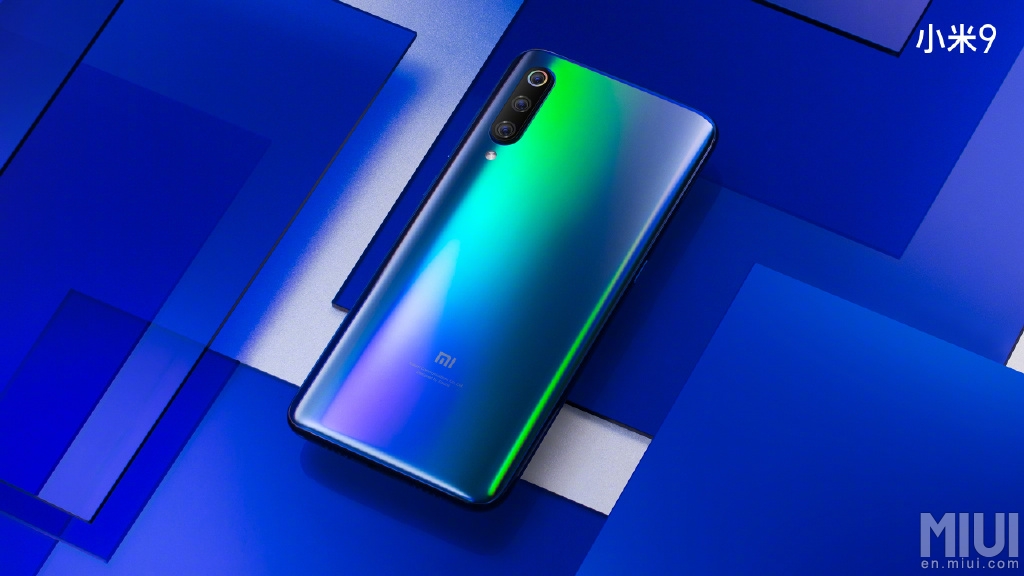
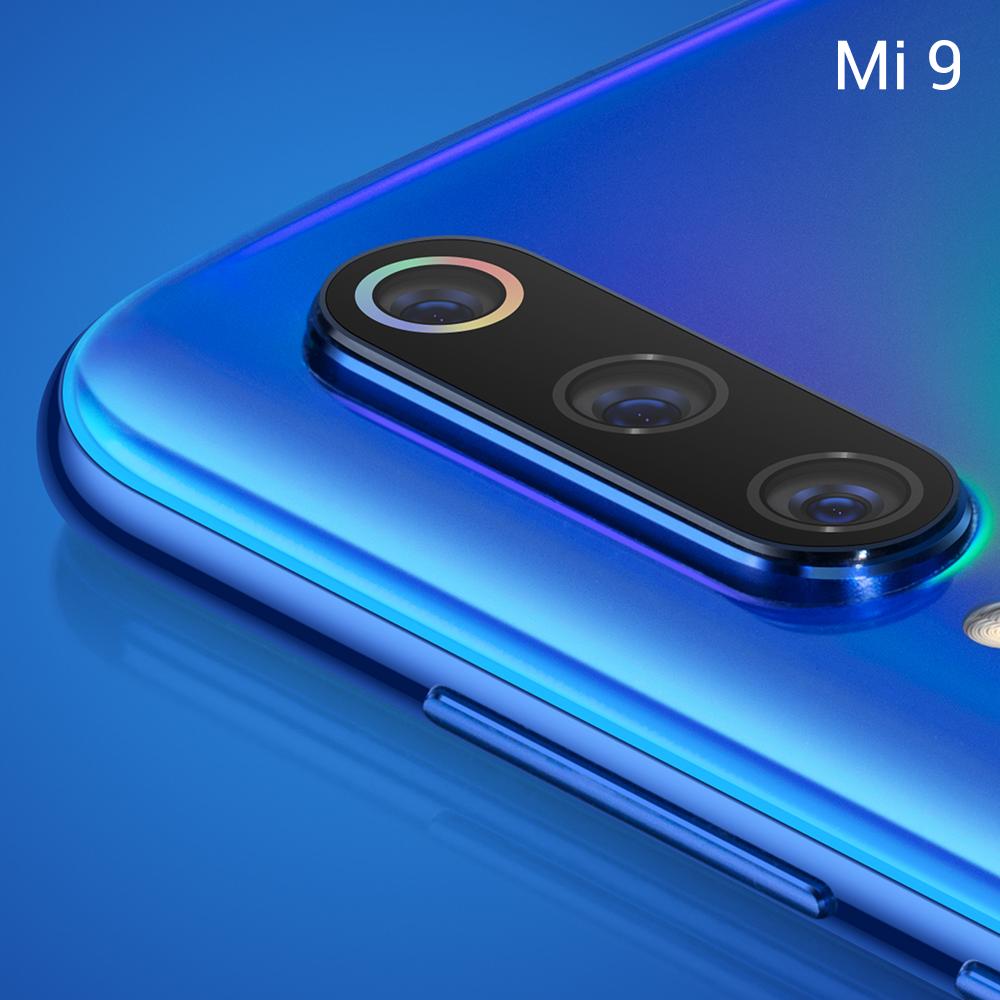
Xiaomi has finally lifted the curtains from their latest and greatest flagship, the Xiaomi Mi 9. After weeks of teases and a few renders, the Xiaomi Mi 9 was finally unveiled in China earlier today showcasing the start of yet another generation of flagships for the masses.
In addition to launching the three phones, Xiaomi has also launched their new initiative, Mi Turbo, a new set of optimizations from Xiaomi that would help the Mi 9 and Mi 9 Transparent Edition to last longer. According to Xiaomi, with the introduction of Mi Turbo, Xiaomi is able to increase the I/O performance of their devices as well as reduce aging of their devices by 35%.
Xiaomi Mi 9 – The Main Star Of The Show
Xiaomi Mi 9 Features – Introduces 20W Wireless Charges As A World-First!
As expected, the newly-announced Xiaomi Mi 9 simply trumps what the Mi8 had to offer. Not only does it come with updated specs, but the Xiaomi Mi 9 is finally a flagship that really competes with the big boys. Unlike the previous releases before it, except the latest addition of the Mi MiX 3, the Xiaomi Mi 9 finally features wireless charging and even fast-charging out of the box. In addition to that, the Xiaomi Mi9 is the first smartphone to feature 20W fast wireless charging along with support for 27W fast wired charging out of the box.
960FPS is still an option here after it was first introduced by the likes of the Mi MiX 3. In addition to that, Xiaomi has included some impressive sound improvements as well as offered dark-mode in MIUI 10 to bring some power-saving features to the Mi 9.
Xiaomi Mi 9 Specifications & Variants – Ticks All The Flagship Boxes
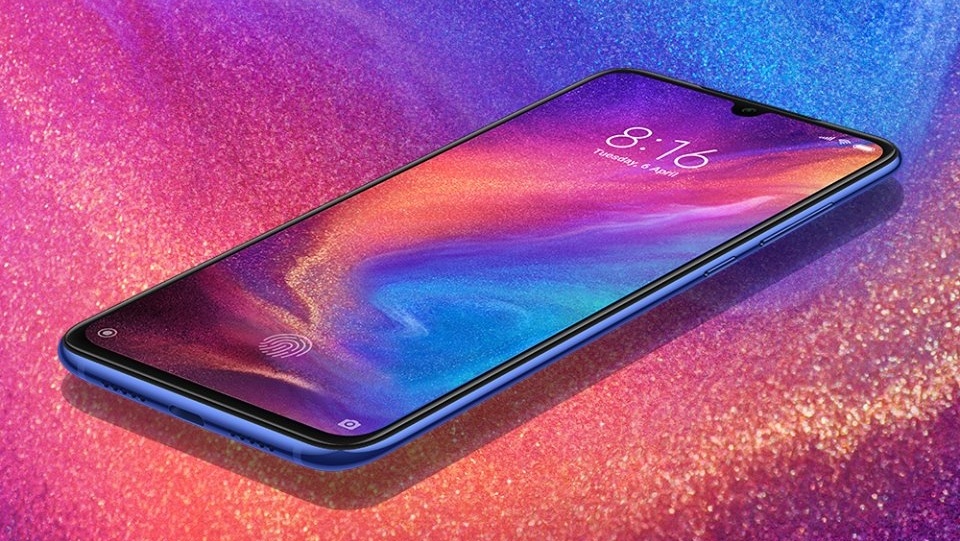
As expected, the Xiaomi Mi9 comes with Qualcomm’s latest and greatest Snapdragon 855 SoC. However, with the final launch of the Mi 9, we can now get a fuller picture of what the Xiaomi Mi 9 really relishes. Alongside the Snapdragon 855 SoC, the Xiaomi Mi 9 comes with a 6.39-inch AMOLED display with an under-display fingerprint sensor, up to 8GB RAM and 128GB of internal storage (12GB RAM/256GB internal storage as an exclusive with the Mi 9 Explorer Edition). Furthermore, the device finally introduces wireless charging along with a triple camera setup at its back that seriously kicks the majority of the competition out of the water as it takes 3rd place on DXOMarks benches.
Xiaomi Mi 9 Camera Setup – A Trio Of Some Of The Best Performing Cameras
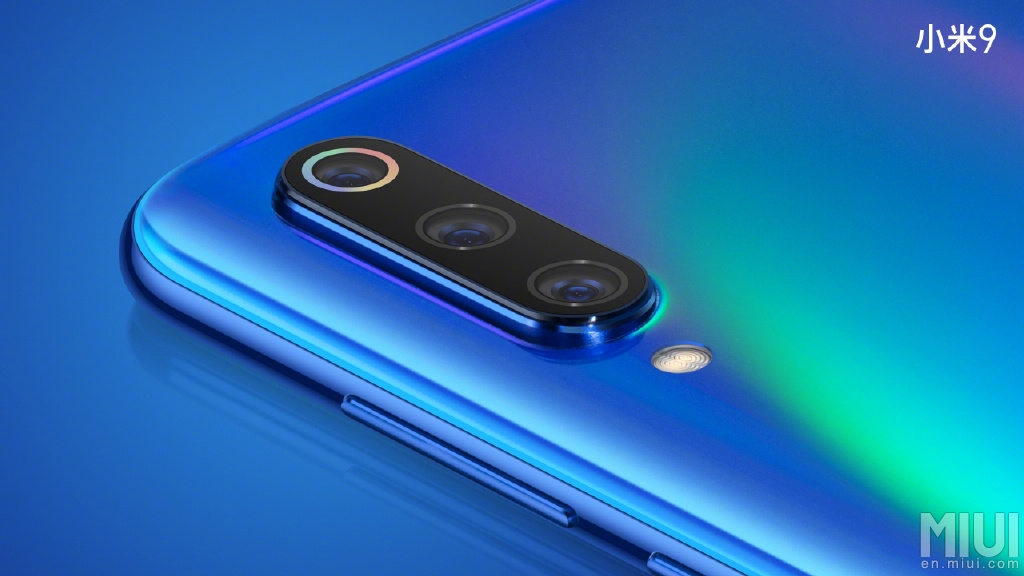
The triple camera setup on the Xiaomi Mi 9 consists of the 48MP/16MP/12MP dilemma, each one specializing in their scenarios. The main sensor and the star of the show on the Xiaomi Mi 9 is the Sony IMX 586 48MP sensor. Thanks to its larger sensor size, the Xiaomi Mi 9 promises to take much-improved low-light shots as well as a take some impressive images in daylight situations. The other two sensors, that is, the 12MP and 16MP haven’t been specified for what sensors they offer. However, the two have been included on the Xiaomi Mi 9 for telephoto and ultra-wide shots, respectively.
With the telephoto shooter, the Xiaomi Mi 9 would be able to optically zoom in 2x optically and would be able to take macro shots as close as 107°. Regarding the ultra-wide shooter, the camera would be able to take in 107° wide-angle shots.
Regarding 4K itself, Xiaomi hasn’t specifically mentioned if the device would support 4K/60FPS. However, given that Xiaomi finally delivered the option to the Mi 8 lineup and the Poco F1, we’re expecting to see 4K/60FPS support out of the box.
Xiaomi Mi 9 Extra Features, Pricing & Availability – Starts At $449
The remaining specs include the inclusion of a 3300mAh battery, Dual GPS, high-voltage Smart PA amplifier and NFC with support for payments.
The Xiaomi Mi 9 would come in three colors and is going to go on sale in China on February the 26th. In addition to that, the Xiaomi Mi 9 would come in two variants to choose from. With 128GB of storage being the standard across the board with the Mi9, you could choose your memory capacity to be either 6GB or either 8GB, retailing for RMB 2999 (US $450) or RMB 3299 (US $490), respectively.
Regarding the international launch of the device, we’re expecting the device to hit stores internationally (where Xiaomi officially operates) by March 2019. Regarding pricing, just like every Xiaomi launch, we’re expecting a bit of inflation when the device reaching different markets with the European launch being the most expensive launch of all regions. At least OnePlus would feel comfortable seeing Xiaomi hit the $529 price tag when Xiaomi releases the device for international markets.
Xiaomi Mi 9 SE – A Feature-Packed Step Down From The Mi 9
The next device Xiaomi revealed today was the Mi 9 SE. After its initial debut with last year’s Mi 8, it seems like Xiaomi is confident in pushing their SE lineup forward. Following up with last year’s Xiaomi Mi 8 SE, Xiaomi has introduced the Mi 9 SE with some incredible internals.
Xiaomi Mi 9 SE – Don’t underestimate this bad boy, seriously!
However, just like the Mi 9, let’s start off with what makes the Mi 9 SE special apart from its spec sheet first. Just like the Mi 9, the Xiaomi Mi 9 SE comes with Mi 9 SE, an IR-blaster, an under-display fingerprint sensor, a triple-camera setup (just like the Mi 9), and support for 960fps slo-mo.
In addition to that, the Mi 9 SE carries forward the holographic back from the Mi 9 and adds an AMOLED display into the mix as well.
However, unlike the Xiaomi Mi 9, the Mi 9 SE drops out on the whole 27W fast-charging experience as well as on the newly-introduced wireless charging on the Mi 9 SE.
Xiaomi Mi 9 Specifications – Qualcomm Debuts Their Snapdragon 712 With The Mi 9 SE
The Xiaomi Mi9 SE definitely has a ton to offer. Not only do yfou get all of those extra features being a budget-oriented device, but you get some of the best mid-range internals you could ask for. With the Mi 9 SE, you’re looking at a Snapdragon 712 SoC, 6GB memory and upto 128GB of internal storage.
In addition to that, the Mi 9 SE uses the same display technology from the Mi 9’s Samsung AMOLED panel and shrinks the display size to 6″-inches. With the Mi 9 SE, you’re getting an incredible HDR-enabled Full HD+ display that’s capable of producing 600 nits of light. However, unlike the display on the Mi 9, Xiaomi has included Gorilla Glass 5 instead of Gorilla Glass 6.
Like last-year’s flagship lineup, the Xiaomi Mi 9 SE supports the usual 18W fast-charge technology from Qualcomm. In addition to that, the Xiaomi Mi 9 SE comes with a slightly smaller battery rated at 3070mAh. How well Xioaomi’s new dark mode would help with the degraded battery capacities is yet to be seen.
Xiaomi Mi 9 Camera – Packs The Same Camera As The Mi 9
As noted earlier, the Xiaomi Mi 9 SE sports a trio of cameras at its rear. The trio consists of the flagship Sony IMX 586 48MP sensor as its main camera alongside a 13MP and 8MP shooter at its back. Regarding the front, the Xiaomi Mi 9 SE comes with a 20MP sensor up front with all of the usual enhancements Xiaomi slaps onto their camera app.
Out of the box, the Xiaomi Mi 9 SE is capable of recording videos at 4k/30FPS. However, if you do plan to notch that frame rate up, you may need to downgrade the resolution to 1080p.
One feature that does surprise us is the inclusion of the 960FPS slo-mo video recording feature. After the feature first debuted on Sony’s camp with the XZ2, it seems like Xiaomi was quick enough to include it on their budget-oriented Xiaomi Mi 9 SE.
Xiaomi Pricing & Availability – Starts at just $299
The Xiaomi Mi 9 SE would be available in three colors at launch. In addition to that, the devices would come with 6GB of memory as standard regardless of the variant. The device starts at just CNY 1999 ($299) featuring 64GB of UFS 2.1 internal storage and would go on sale in China on March 1st, 2019. However, if the amount of storage isn’t enough for you, the 128GB variant would retail for RMB 2299 (US $339) in China.
And just like we mentioned above, by the time the device makes its way to the international market next month, there’s a good chance that you may see a bit of inflation over the Chinese prices of the device.
Xiaomi Mi 9 Transparent Edition – For The True Xiaomi Enthusiasts
Xiaomi Mi 9 Transparent Edition – Specifications & Features
The Xiaomi Mi 9 Transparent Edition is the real powerhouse from Xiaomi. When the Explorer Edition debuted last year alongside the Mi 8 last year, Xiaomi showcased what it means to offer a premium smartphone.
Just like the Mi 8 Explorer Edition, the Mi 9 Transparent Edition offers what looks to be a transparent back again. Like the Mi 9, the Mi 9 Transparent Edition comes wireless charging, the same updated internals and features.
However, where the Mi 9 Transparent Edition takes off is in the camera department as well as in the memory department. With the Mi 9 Transparent Edition, you’re looking at a Snapdragon 855 SoC, 12GB of LPDDR4x RAM, 256GB of UFS 2.1 internal storage and a trio of slightly improved cameras.
And if you’re worrying about the enhanced charging improvements, the Xiaomi Mi 9 Transparent Edition carries all the usual improvements from the Mi 9 to the Mi 9 Transparent Edition. This means that the Mi 9 Transparent Edition would support 27W fast charging as well as 20W fast wireless charging out of the box.
Xiaomi Mi 9 Transparent Edition Cameras – Slightly improved cameras over the Mi 9
The Xiaomi Mi 9 Transparent Edition carries the same camera setup and sensors from the Mi 9. However, being a the more premium device of the two, Xiaomi has decided to upgrade a few aspects of the main camera.
Just like the Mi 9 and Mi 9 SE, the main camera on the Mi 9 Transparent Edition is the IMX 586 sensor. However, unlike the other two, Xiaomi has decided to upgrade the aperture and lens setup on the Mi 9 Transparent Edition. The Mi 9 Transparent Edition features a 7P camera lens as well as a f/1.47 aperture over the Mi 9’s f/1.75 aperture and 6P setup.
These upgrades, in tandem with the re-introduction of laser autofocus, Phase Detection auto focus and Contrast Detection auto focus give the Mi 9 family would allow the Mi 9 and Mi 9 Transparent Edition to take some incredible pictures.
Xiaomi Mi 9 Transparent Edition Pricing & Availabity
The Xiaomi Mi 9 has to be one of the very few phones to sport 12GB of RAM. With only one variant and one color to offer, the Xiaomi Mi 9 Transparent Edition seems to be adequately priced for an enthusiast-oriented device from Xiaomi.
Along with the Mi 9, the Mi 9 Transparent Edition would hit stores on the 26th of February and is currently available for pre-order in China for CNY 3999 (US $599). Being a device that may never make it to the European market, we could expect to see the device hit the $650 mark by the time the device hits other Asian markets.
Samsung Galaxy S10 leaks coming through. And with less than a 36 hours left for the Samsung Galaxy S10 Unpacked keynote, pricing for the upcoming Samsung Galaxy S10 lineup has emerged, suggesting what pricing for Samsung’s upcoming devices may look like in Hong Kong.
According to a reddituser, pricing for the upcoming Samsung Galaxy S10 may loop cheap and a steep for some. Details posted by the user suggest a starting price of just $675 to get your hands on the upcoming Samsung Galaxy S10E.
If the prices alleged above are accurate, Samsung could shake OnePlus and Apple given how fierce the competition has become, especially with to how OnePlus has been incrementally increasing their prices every year.
Both Apple and Samsung realize how important the mid-range market is. For the first time in years, following the Apple iPhone 5c, Apple thought of making a device, the iPhone XR, to serve the upper-mid-range market. While it certainly may not cheap, both companies do realize how important the mid-range market is for both of them.
That, in tandem with the introduction of Samsung’s Galaxy M-series of devices as well as Apple’s entry into the Indian market, seem to paint a picture for how both of the companies plan to maintain their utmost high-ends and upper-mid-range lineups.
And with Google’s Pixel 3 and Pixel 3XL’s pricing taken into account, Samsung has an appealing device.
If $675 is the entry price for to get yourself into the Galaxy S10 realm along with the latest and greatest Snapdragon 855 SoC, Samsung may actually have a shot at making the Galaxy S10E appeal to the masses which makes this launch all the more exciting for us.
Although this year’s Samsung Galaxy S10E may be an entry-level device to get into the S10 family, it would certainly be a device that would be the best option for anyone who wants a taste for how Samsung plans to move their flagships forward.
Oh boy, is it Samsung themselves or is it someone at Samsung playing stupid. Recently, Samsung Norway accidentally released the final TVC for the Samsung Galaxy S10 lineup. However, it seems like the TVC may have given away another tidbit that we were expecting for a while, the upcoming Samsung Galaxy Buds.
The prematurely released video has been taken down and has been in loop with enthusiasts who managed to get a grab of it in-time. Aside from the expected Samsung Galaxy S10, the ad did reveal the upcoming Samsung Galaxy Buds as well as showcase the Galaxy S10’s reverse wireless charging capabilities.
https://www.youtube.com/watch?v=n8F-8BNhZPU
Like the Huawei Mate 20 lineup before it, the Samsung Galaxy Buds would be able to wirelessly charge themselves by simply placing them on the display-side down Galaxy S10. In addition to that, the device would most probably be able to take Bixby commands and would most probably come in more than two color at launch.
A small disclosure at the bottom of the video revealed the pricing of the upcoming Samsung Galaxy Buds to be NOK 1590 (US $180) in Norway. However, if our translation was correct, it seems like the Samsung Galaxy Buds would be included in the box with the Samsung Galaxy S10 and S10 Plus, excluding the Galaxy S10E if you do pre-order either of the devices between the February 20th and March 7th, 2019.
With the Samsung Galaxy Buds now confirmed, we can’t wait to see what Samsung has left to stun us at the keynote tomorrow. Where the showdown of rumors would reveal how credible they were.
Xiaomi’s software experience has to be one of the least liked aspects of their smartphones. With a plethora of smartphones released yearly by the manufacturer MIUI definitely has a set of issues especially when compared with the likes of Oxygen OS, One UI and not to forget stock android. In recent years one of the key issues reported by almost every Mi user was the fact that every Xiaomi app had built in ads and that includes system apps. Considering that a person paid full price for a smartphone he would most certainly not want any sort of annoying or intrusive ads playing on his phone’s stock apps. The whole idea of ads is to bring in revenue which doesn’t paint a great picture for the brand.
One of the editors here had the chance to play around with the Mi 8 Pro and one of the first things he noticed about the software experience was the annoying ads. He stated that he never ever faced such a thing with his Poco F1. Xiaomi’s Manu Kumar Jain however in a very detailed interview with Gadgets 360 explained the company’s approach on service apps like Mi Videos, Mi Drop, Themes etc. One of the key points he raised was the fact that Xiaomi’s dev team was constantly working on original Mi apps to enhance the software experience. Since the apps were basically free of costs the only valid option was to enable in-app advertisements to equalize huge budgets set for software development.
Downloads App
For instance, Xiaomi pays developers to make themes for their smartphones but those themes are practically free to the users. The only way to fill the gap is to implement ads with which they manage to bring in quality improvements to the services sector. Taking the Mi Videos app into consideration, an app which plays 700,000 hours of footage. The server maintenance does not come in cheap yet users can enjoy the luxury for the cost of a few ads. Moreover, for folks in favour of in-app purchases Xiaomi could enable them in the future for a much more cleaner user experience.
Themes App
Manu Kumar Jain did state that the core system apps like gallery, phone, SMS etc are and will remain clean since they make up the basics of a smartphone. All in all it is certain that Xiaomi devices will continue to succeed since flashing a custom ROM in Xiaomi devices isn’t that difficult of a task anymore. We could expect ads to continue on upcoming devices but that won’t stop anybody from buying Xiaomi smartphones.
Xiaomi’s Mi 9 is expected to make an early appearance this year as predicted. As per the leaks, the Mi 9 definitely packs a serious punch while keeping the costs quite low even by Xiaomi’s flagship standards. The phone itself is no short of a regular flagship with little to zero tradeoffs. The unveil is set for February 20th this year and the leaks keep on pouring.
Transparent phones over the years have significantly impacted the look of a modern smartphone. With different manufacturers trying different techniques to make their devices look unique, showing off the internals of a phone through a transparent back seemed like a wise idea. The Mi 8 Explorer received a ton of positive reviews even though the internals were all fake and didn’t actually show the circuit boards of the device.
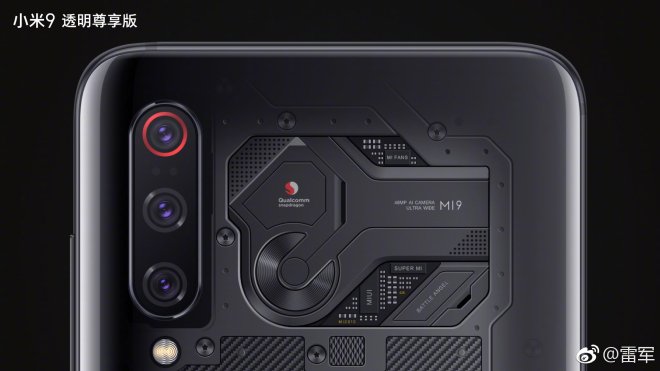
First spotted by folks over at sparrowsnews, the trailer for the upcoming transparent back Mi 9 has been leaked. The trailer shows a Mi 9 with a more science fiction approach collaborated with Alita: Battle Angel a movie solely based on a fictitious modern society filled with AI robots. The Mi 9, however, looks gorgeous, to say the least. The back of the device looks a whole lot more serious than the previous iteration and the triple camera setup gives it a meaner look. One of the new exciting features about the device is wireless charging and charge speeds themselves. In the transparent back, we can witness the wireless charge coil placed aesthetically on the exact centre of the phone.
Overall the device definitely looks promising and Xiaomi most certainly means business. The manufacturer has been making bold moves all around 2019. First the separation of the Redmi brand and now the early release of the Mi 9. Xiaomi is definitely expanding well and at a steady rate. The expectations from the Mi9 are definitely high given the fact that it will be introduced alongside the Galaxy S10 while having very similar internals.
2019 is here, so are the renders of the upcoming 2019 lineup of MacBook Pros. Conceptual renders are coming in from the trusty Ishan Agarwal, along with a set of features that are slated to arrive in this year’s lineup of MacBook Pros.
Renders released by the tipster suggests a redesign of the MacBook Pro from the traditional design language we’ve been seeing for the past few years. Following the introduction of the newly-introduced simplistic design of the new 2018 iPad Pro, this year’s MacBook Pro lineup would feature the same flat design along with several design cues, suggesting Apple’s plans to move forward. If that wasn’t enough, it seems like Apple would be trimming down the bezels on this year’s lineup of MacBook Pros as well, allowing MacBook Pros to groom in a very modern design as well as allow the introduction of new display sizes this year.
Aside of the expected design improvements, there’s a strong sense of hype that suggests that the upcoming MacBook Pro lineup would also come with FaceID under the hood, the same technology that was introduced as a replacement for TouchID since the iPhone X. If true, this could potentially mean that Apple could not only be ditching the TouchID fingerprint scanner on the latest MacBook Pro lineup but could also mean that the upcoming MacBook Pros would be able to log you in regardless of the lighting conditions.
Specs regarding the upcoming lineup aren’t here yet. However, it wouldn’t be hard to speculate what the internals of the upcoming MacBook Pro may be aside from the usual memory and storage upgrade. With Intel now done with the launch of their 9th-gen Intel CPUs, it seems like the upcoming MacBook Pros very may use current-gen hardware to its disposal.
Furthermore, Additional reports from Analyst, Ming-Chi Kuo, via 9to5Mac suggest that the 13-inch MacBook Pro would now have 32GB of memory as an option at checkout, raising the bar for content creators who really crave for small-form-factor notebooks such as the 13-inch MacBook Pro we got here.
Given the details we have so far, expect to see these new devices launching in late 2019. For now, we have our eyes sighted on the upcoming 2019 lineup of iPhones.
The Xiaomi Mi 9 keynote is getting closer as we speak. Reports have recently emerged suggesting the introduction of Xiaomi’s very first wireless powerbank, and it seems like its coming alongside the Mi9.
The latest report comes from trusty Ishan Agarwal who has tipped Xiaomi enthusiasts about the upcoming Mi Wireless Powerbank. According to Ishan, the Xiaomi Mi Wireless Powerbank would be rated at 10,000mAh. In addition to that, we could expect the Mi Wireless Power Bank to support the usual Qi Charging standard as we standardize the technology for 2019.
Above: Xiaomi Mi Power Bank 3 Pro | Image via Xiaomi
While pricing for the Xiaomi Mi Wireless Power Bank hasn’t been confirmed, nor has its name, we’d suggest that the Xiaomi Mi Wireless Power Bank 10,000mAh battery may retail around the $40 mark and may even up that nametag to a “4” (from the Mi Power Bank 3 Pro) given Xiaomi’s current hierarchy of power banks.
Whether Xiaomi plans to reveal higher capacities is yet to be seen. However, if Xiaomi does plan to shake the game up a bit, we’ll be here to report about it.
Nvidia has been exceptional with its GPUs boosting the performances of its cards and integrating more and more innovation into the cards. The RTX series graphic cards took innovation to another level with actual ray tracing inside video games. The manufacturer has been keen on making high-end GPUs but this time it seems that they’re focusing on a much more accessible option.
As mentioned about almost a month ago by folks over at Hardocp, Nvidia’s GTX 1660ti will set a new standard for mid-ranged gaming while offering substantial firepower. The GTX 1660ti is expected to launch soon with an MSRP of $279 followed by its successors in March. AMD, on the other hand, has been exceptional with its midrange lineup and has definitely given Nvidia worthy competition. The graphics card made its debut appearance on the Final Fantasy XV benchmark page. While the benchmark tool isn’t exactly the best to measure sheer raw power but the results are impressive, to say the least.
On 1440p high-quality video settings, the video card achieved a score of exactly 5000 just shy of the 5025 obtained by the Maxwell Titan X. Surprisingly enough, the GPU manages to outperform last generation’s GTX 1070 and Radeon RX Vega. The benchmark clearly means that the GTX 1660ti means business. It is clear that hardware technology has come a long way and it shows how a graphics card which costs only $279 could outperform a high-end flagship beast which once cost $1000.
The GTX 1660ti could mean Nvidia working effectively for more mid-rangers in a market flooded with AMD based GPUs offering quality performances while being a lot cheaper than Nvidia GPUs.
Xiaomi is continuing to reveal details regarding their upcoming Xiaomi Mi 9. As they continue revealing more details regarding their upcoming flagship, leaks have come out suggesting some major inclusions coming to the Xiaomi Mi 9’s battery this year.
Courtesy of the Chinese publication, MyDrivers, the Xiaomi Mi 9 is said to come with fast wired and wireless charging this year. Not only would this be a first from Xiaomi, but it would be a massive upgrade over the usual 10W fast wireless charging standard out there.
According to the publication, the Xiaomi Mi 9 charger would be able to deliver 27W worth of charge when wired. However, if you’re planning to go wireless, the Mi 9 would be able to take in upto 20W worth of charge. That’s more than double of what the usual 10W wireless fast-chargers offer. The charger output is said to be 5V/3A, 9V/3Aor 12V/2.25A.
Following the leaks, Xiaomi poured in a few more details regarding the Xiaomi Mi9. The display on the Xiaomi Mi 9 has finally been confirmed to be a 6.39-inch AMOLED display. In addition to that, Gorilla Glass 6 seems to be saying hi as well with the Mi 9.
According to the specifics revealed by Xiaomi, the Samsung AMOLED panel on the Xiaomi Mi 9 would be able to produce 600 nits worth of brightness alongside a decent 60,000:1 contrast ratio and would also pack an under-display fingerprint sensor under the hood. The display has also been said to feature up to 256 levels of brightness and would cover 103.5% of the NTSC wide color gamut.
With all of those details now out of the way, we’re keen to see how large of the battery the Mi 9 would pack under its hood given the upgrades the leaks have detailed above.
With less than a week left for the Mi 9 keynote, there are quite a few questions that are still left to be answered. And by the looks of it, it seems like the Mi 9 would yet again be an incredible device for 2019.
Details regarding Xiaomi’s upcoming Xiaomi Mi9 continue to pour in as its debut date nears. Today, Xiaomi has officially revealed a ton more details regarding their upcoming flagship alongside a number of leaks that have spilled the beans on the other half of the device’s details.
Xiaomi Mi 9 Specifications
As anyone would guess, the Xiaomi Mi 9 would come with the latest and greatest Qualcomm Snapdragon 855 under the hood. However, the rest of the spec sheet does seem to be respectable. In addition to the inclusion of the Snapdragon 855, the Mi9 would come in three variants, a 6GB/64GB base variant, an 8GB/128GB variant, and an 8GB/256GB variant.
However, what’s still left to be seen is how large the display on the Mi 9 would be as well as how large of a battery the Mi 9 to shell under its glass body. We’d suppose that that would be one of the details Xiaomi could be keeping for the keynote. However, given how the market has shifted towards offering large batteries, we wouldn’t be surprised to see a 3750mAh+ battery.
Xiaomi Mi 9 Camera
Regarding the camera setup, Xiaomi has revealed that the Xiaomi Mi9’s triple camera setup would consist of a 48MP IMX 586 main sensor, a 16MP 117° ultra-wide camera and a 12MP telephoto camera with 2x optical zoom. All three of the cameras would be protected by a 6P lens. However, this year, Xiaomi has made sure that the camera on this year’s Mi9 is more than just the specs. Not only would you get to see an impressive trio of cameras, but also a few more additions such as support for CDAF, PDAF, laser autofocus and a whole lot more.
With the new 48MP sensor under the hood, Xiaomi seems to be going all in with the Xiaomi Mi9’s new sensor. Not only does the IMX 586 take actual 48MP shots, but it also supports pixel binning for some excellent low-light shots. Couple that with a larger 1/2″ sensor area, and you have an amazing camera packed into your smartphone.
Xiaomi Mi 9 Design & Colors
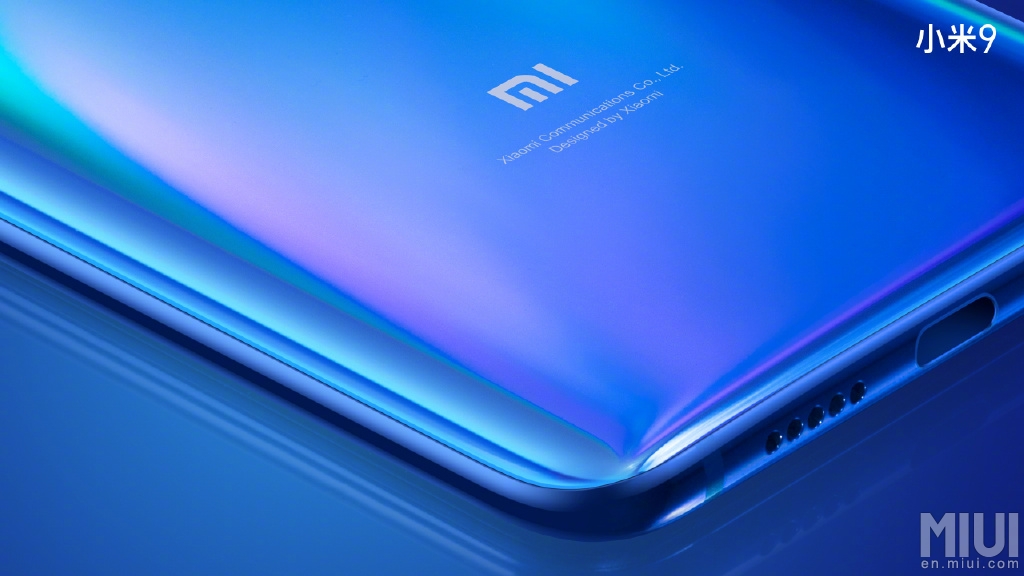
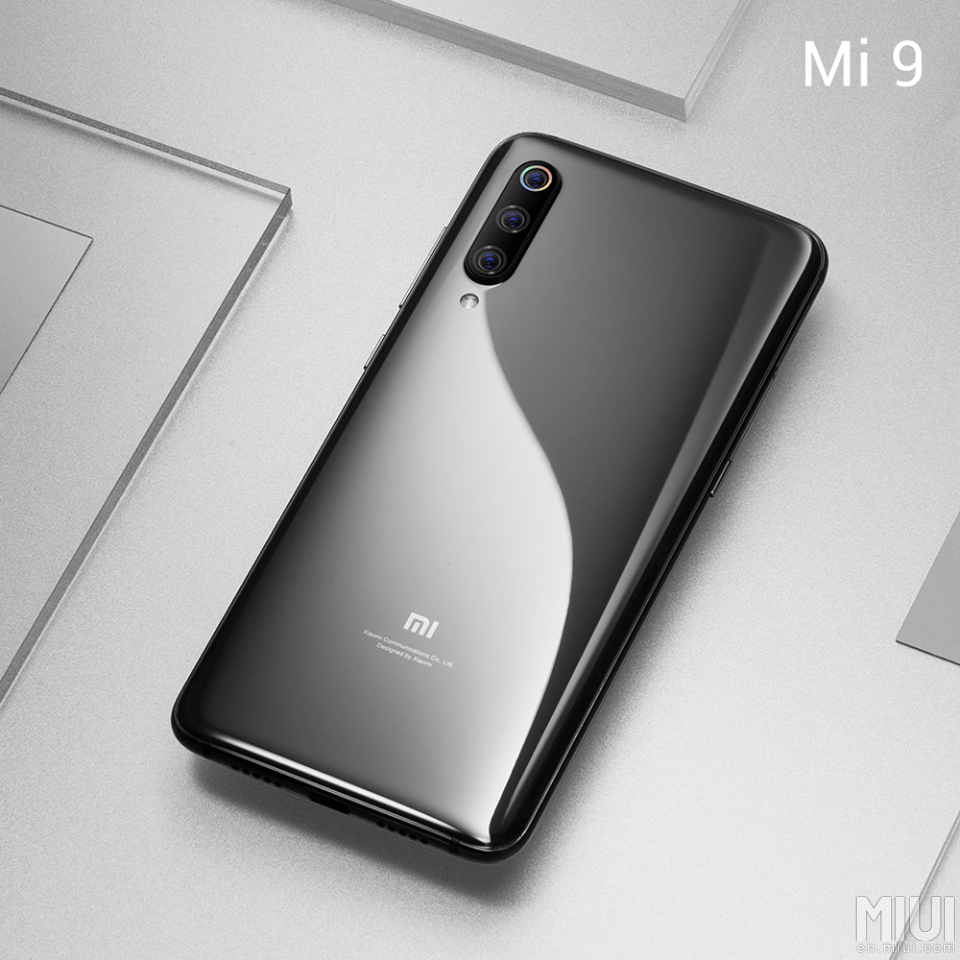
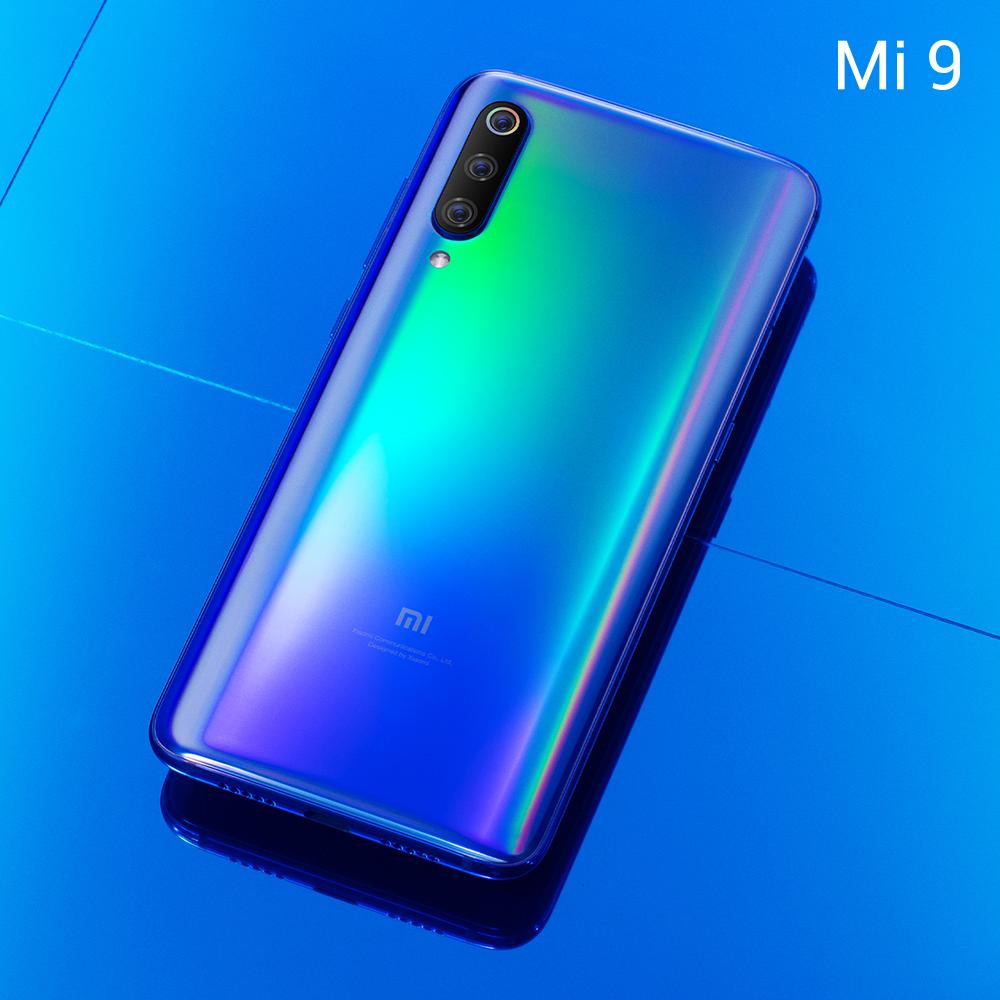
The Xiaomi Mi 9’s back is a back that we’ve never seen before. Featuring what Xiaomi calls nano-level laser engraving holographic technology, the Xiaomi Mi 9 simply looks amazing at every angle. Based on the images revealed so far, it seems like the Xiaomi Mi 9 may be releasing in three colors, that is, in shimmering blue, a blue-pink duo as well as in simple black if that’s what you’re interested in.
So far, Xiaomi has kept the front of the Xiaomi Mi 9 a secret, probably because it isn’t the best part about the device. Based on last week’s leak of the Mi 9, the Xiaomi Mi 9 is said to pack a full-view display along with an Essential Phone-like notch on top to house the camera in.
However, given Xiaomi’s history, the display itself should be a killer in its own regard. And given Xiaomi’s record once again, expect to see a 1080p AMOLED display again with the Mi 9.
And for those who are all caught up with the full-view display trends, Xiaomi has manage to shave off another 40% off the Mi 9’s chin compared to last year’s Xiaomi Mi 8. In metric terms, the Xiaomi Mi 9 could come with a 3.6mm thin chin at the bottom.
Xiaomi Mi 9 Pricing
As noted previously, the Xiaomi Mi 9 is said to come in three flavors aside from its colors. The base variant of the device, that is, the 6GB/64GB variant of the device has been leaked to retail for CNY 2499 ($369). Whereas the 8GB/128GB variant is said to retail for CNY 2899 ($428). And if you’re planning to go all out on the 8GB/256GB variant, that should set you back CNY 3499 ($519)
However, don’t take these prices for granted yet as these devices tend to come with inflated price tags by the time they make their way to international markets. Even so, it would most probably blow OnePlus’s next flagship out of the water when it comes to overall value. Impressive stuff!
Ubisoft has gained a lot of ground these past few years. With various titles achieving quality ratings all around while offering a quality experience to enthusiasts Ubisoft is easily one of the best when it comes to video game development. The development studio has more than a few successful franchises under its belt and doesn’t seem to slow down anytime soon.
Ubisoft recently has released its 2018-19 sales report marking all the achievements conquered by the studio. The studio managed to reserve two seats on the top 10 best sellers list of 2018 with Assassin’s Creed Odyssey(10th) and Far Cry 5(4th) on the driver’s seat. Moreover, the Tom Clancy gaming community surpassed over 70 million unique players which are an indication of what we could expect in the future. The community is still in its early stages unlike various multiplayer titles and definitely holds the potential to grow and grow clean. Furthermore, esports viewership surged past 205% over the previous year throttled by Tom Clancy’s Rainbow Six Siege.
The esports scene is certainly crowded at this point with veteran titles like CS: GO, Dota 2 and various other games already in the scene not to mention all the Battle Royale games which have surfaced these past few years. As far as sheer numbers are considered, Ubisoft reported net bookings up by 13.5% over the previous year coming in at €1,351.9 million. The growth was basically driven by PC and mobile users which were up by 58.1% and 77.6% respectively. As far as digital net booking is considered, numbers were up by 33.9% to €897.8 million. DLC and various subscription-based activity made up to 38.9%.
Overall, Ubisoft has made definite progress over the previous year and has certainly gained a lot of traction in the mainstream video game market. If they keep the pace like they’ve been doing and keep bringing quality video games to the average consumer then they may soon reach the absolute top. Ubisoft clearly has a ton of franchises up its disposal, with titles like Far Cry, Assassin’s Creed and Rainbow Six the studio is certainly on the right path.
Samsung has prematurely unveiled their new Samsung Galaxy Tab S5E. As we head closer towards Samsung’s Galaxy S10 Unpacked event, it seems like Samsung may have more than a few devices to showcase at the keynote next week. By the looks of Samsung’s premature teaser for their Samsung Galaxy Tab S5E, it seems like Samsung is getting serious by the day to tap back into the tablet game.
The newly-released Samsung Galaxy Tab S5E has basically shown off the Samsung Galaxy Tab S5E in its entirety. The device is 5.5mm thick and has a decent set of internals to satisfy the most productive of users. Featuring a Snapdragon 670 SoC, up to 6GB of RAM, up to 128GB of internal storage, and a 7040mAh battery, Samsung isn’t joking at all.
Additional features regarding the device include its large 10.5″-inch AMOLED display, a quad-speaker setup, along with a 13MP sensor being held responsible for all of the shots taken with the Samsung Galaxy Tab S5E.
Samsung is expected to at least talk about the Samsung Galaxy Tab S5E at the Unpacked keynote along with a host of other devices to expand Samsung’s range of IoT devices.
One odd thing about the device is the lack of DeX support. As much as Samsung wants to promote their new desktop replacement, it seems like the Samsung Galaxy Tab S5E may not come with DeX support given that it was never mentioned in its official introduction video, nor was it mentioned on its product page. Seems like Samsung would continue to reserve it for their flagships like the upcoming Samsung Galaxy S10. It would have been nice to see Samsung psuh their whole DeX technology with the Samsung Galaxy Tab S5E. Let’s hope Samsung proves us wrong given the market the S5E would appeal to.
Nonetheless, given the internals and the feature set Samsung is offering here. The device definitely seems to be compelling, regardless of its mid-range internals, that is, unless the price tag messes it up.
That aside, what remains to be seen is what price tag Samsung has planned to push the Samsung Galaxy S5E with. Given that Samsung hasn’t mentioned the price anywhere and the mid-range specs it accommodates, our instincts would speculate that the Samsung Galaxy S5E may very well retail between the $599-699 range.
Xiaomi is up to something incredible. Following the recent leaks and official announcement date, Xiaomi has officially revealed the Xiaomi Mi 9 in its entirety… except for the front of the device.
Xiaomi’s Senior Vice President, Wang Xiang, has officially revealed a variant of the now-hyped Xiaomi Mi 9. Newly released images of the device via the Vice President’s Twitter handle showcase all the traits we had seen in the leaks from a few days ago, along with a new color for those who want Xiaomi to go all out on those trendy colors.
With that out of the way, it seems like our predictions were definitely correct now that Xiaomi has officially revealed the keynote for the Mi 9, that is, on the same day as the Samsung Galaxy S10 keynote, albeit prevailing in their respective regions.
The Xiaomi Mi 9 showcased in the series of tweets by the Vice President showcase what seems to be an incredible color gradient we’ve never seen before. To add even more eye-candy into the mix, he revealed that Xiaomi has used nano-level laser engraving holographic technology as well as dual layer nano-coating on the device.
Given that Xiaomi has never backed down from a specs race in the past, we’re expecting nothing less of a flagship from Xiaomi. Internally, expect to see the Snapdragon 855, 8GB RAM, 128GB storage as well as a triple camera setup at its back.
Regarding pricing, we’re hoping to see Xiaomi continue their stance on pricing their devices fairly. If they do continue with their stance this year, we’d call the Mi9 a $400-500 device as the device heads east from the Chinese borders.
Xiaomi has been phenomenal this year. With the separation of the Redmi brand first and now the release of the Mi 9 just next week Xiaomi has been on a spree. After pretty much cornering the Asian markets Xiaomi showed some definite interest to cover major European markets. The manufacturer debuted it’s largest Mi store in Paris, France and released a fleet of products for UK based markets.
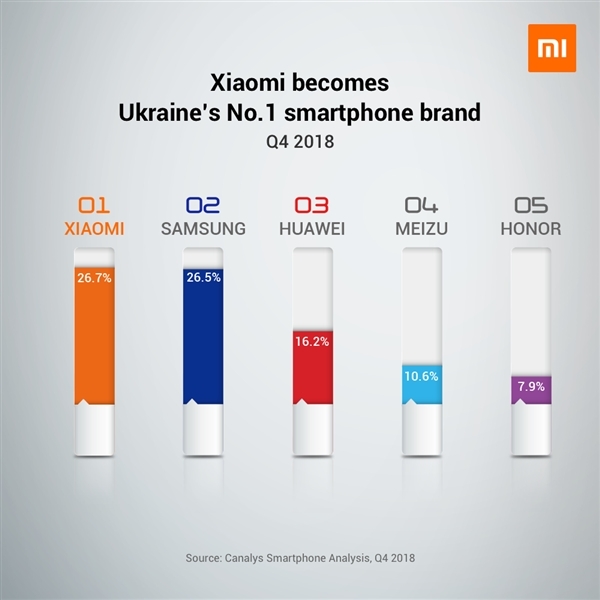
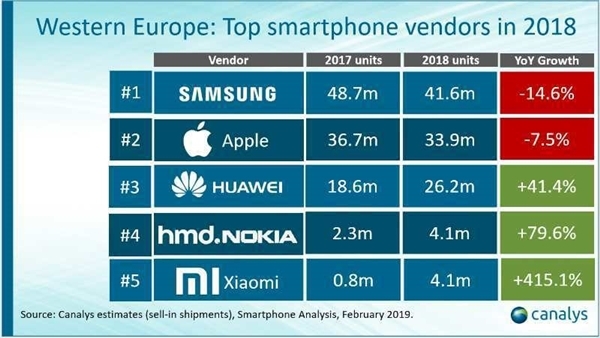
According to a report by Canalys, Xiaomi has been gaining ground in the European markets at a steady pace and their most recent achievement has been in Ukraine. Xiaomi dethroned Samsung smartphones to become the best smartphone brand in the country by achieving over 26.7% market share. With Samsung close behind at 26.5% and various Chinese brands competing Xiaomi has been phenomenal with its releases in almost every sector.
The brand managed to target every sector of the smartphone market from budget devices to mid-rangers and not to mention the flagship category. The Mi 9 is expected to make an appearance next week and with it, we are sure to see a new era of innovation from the Chinese brand. Over the years Xiaomi has gained a lot of traction in Western Europe coming in at number five with a massive 415.1% year on year growth. The year on year growth rate has been exceptional by Xiaomi, highest ever in the top list and the numbers are expected to grow at a steady rate.
For a brand which only joined the European markets in May 2018 the sales numbers are spectacular, to say the least. As of the second quarter of last year, it grew by 150% and this expansion is definitely worth praising. Providing quality products with such accessible pricings will most certainly spell trouble for larger manufacturers like Samsung and Apple where they’ve basically ruled since the dawn of smartphones.
With MWC 2019 just around the corner, renders from LG’s camp have started to emerge. Today, following a series of previous renders and concepts, Evan Blass has put everything to rest by releasing renders of LG’s upcoming G8 ThinQ renders today.
Renders released by the tipster showcase the device from pretty much every angle you could think of. Not only do we get a good glimpse of the front and back, but also, all four sides of the device.
According to the high-quality renders released by the tipster, it seems like LG isn’t ready to ditch the goldie-lock notch yet. Just like the G7 ThinQ from last year, it seems like LG would be continuing their usual design forward. Apart from that, we get to see the excellent large display along with minimal bezels across the board with the exception of fairly well-trimmed bezels on top and bottom of the device.
On the back, it seems like LG plans to head into 2019 with a dual-camera dilemma, with the leaks suggesting not only a dual camera setup, but also a physical fingerprint sensor at the back.
While the device may seem to be fairly “LG” on the outside, Evan Blass further revealed that the LG G8 ThinQ should not be judged by the renders but by the feature set LG is planning to introduce with the LG G8 ThinQ this year.
I withhold judgment on a handset’s value until I’ve at least seen it in person and had a quick play. Back when this first leaked, I felt that the design was not competitive for a 2019 flagship, and the larger images only reinforce that.
He then added, However, The calculus could change with the inclusion of other standout features like 4K. LG has been known to push the technological envelope, and that’s when their devices are the best, IMHO.
Evan Blass via Twitter
Taking a close look at the sides reveal the single speaker at the bottom as well as a headphone jack flanked by a Type-C port at the bottom. Furthermore, like previous releases, we also get to see a dedicated AI button as well as volume up and down keys on the left side of the device.
For now, we’re curious about what LG plans to bring to the table to such a pale-looking device. And by the looks of it, seems like something good could be coming down the line.