The thin blue line separating peace from chaos has been accused of harboring its own brand of darkness: sexual harassment and discrimination. Now, the NYPD is making a bold move, shaking up its internal system to tackle these issues head-on. Commissioner Tisch is taking the reins, promising a more transparent and accountable process for victims seeking justice. This isn’t just about changing procedures, it’s about shifting the culture. We break down the new system and explore the potential impact on both officers and the communities they serve.

Let’s dive into the heart of this complex issue.
NYPD’s Structural Shake-Up: Reforms in Investigating Sexual Harassment and Discrimination Complaints
NYPD’s New Oversight Structure
Tisch’s Direct Supervision: Commissioner Jessica Tisch now holds the direct oversight responsibility for all sexual harassment and discrimination complaints within the NYPD. This shift in oversight aims to streamline the response and ensure a more transparent process for handling complaints. Previously, the investigative arm of the Office of Equity and Inclusion was responsible for such cases but often reported directly to high-ranking officials, which created a conflict of interest. Commissioner Tisch’s direct supervision will provide a more independent and unbiased investigation process, ensuring that complaints are handled with the utmost seriousness and urgency.
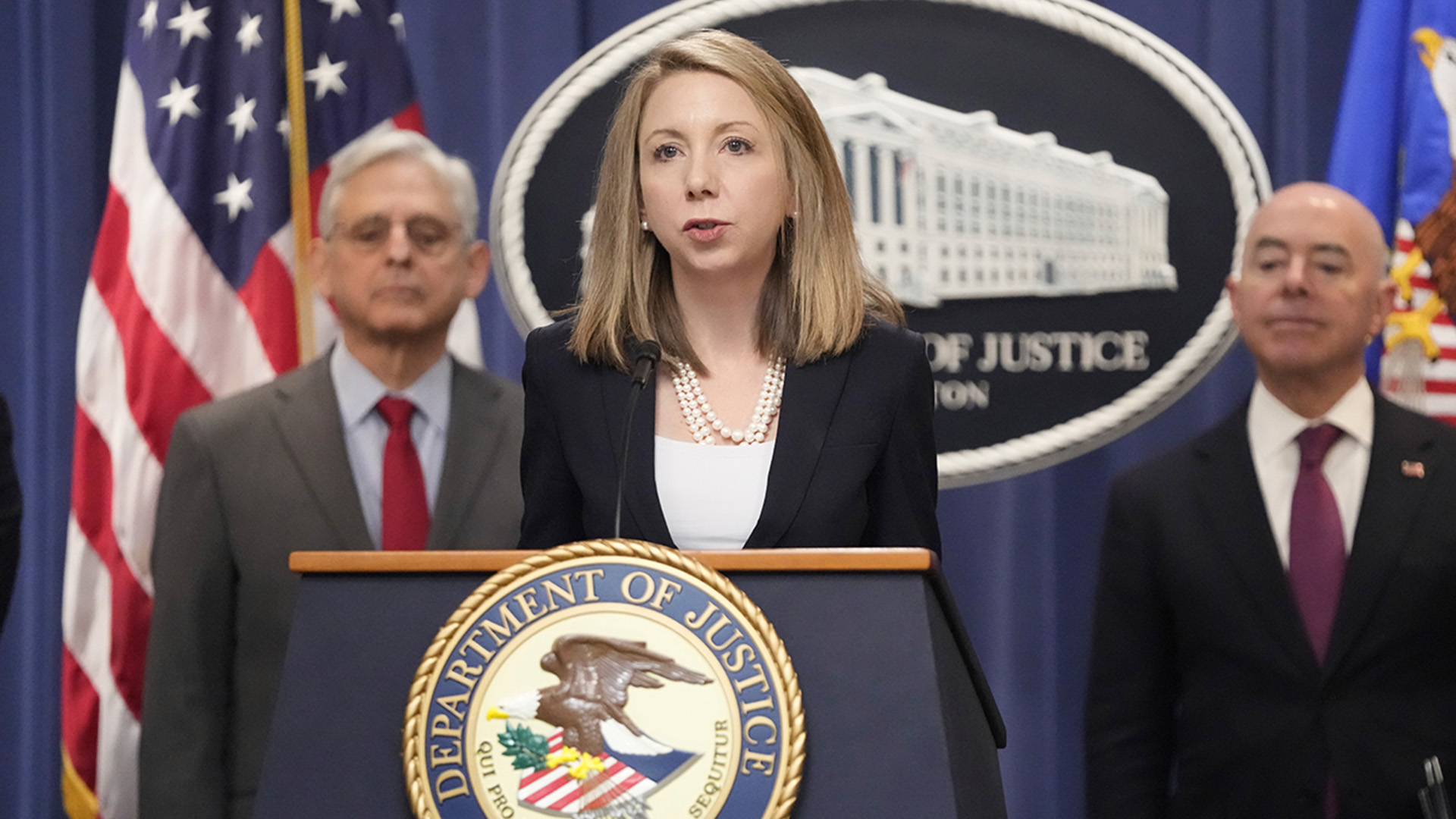
Transfer of Wendy Garcia: Deputy Commissioner Wendy Garcia, formerly in charge of Equity and Inclusion, has been transferred to the Department of Corrections. This move, announced alongside the new oversight structure, was an attempt to remove any potential bias or conflicts of interest that might arise from Garcia’s previous role. The move has been met with mixed reactions, especially given the high-profile case of Quathisha Epps, which brought to light the need for reform. The implications of this transfer on the Office of Equity and Inclusion are significant, as it might take time for new leadership to establish trust and credibility among the officers.
The Quathisha Epps Case: A Catalyst for Change
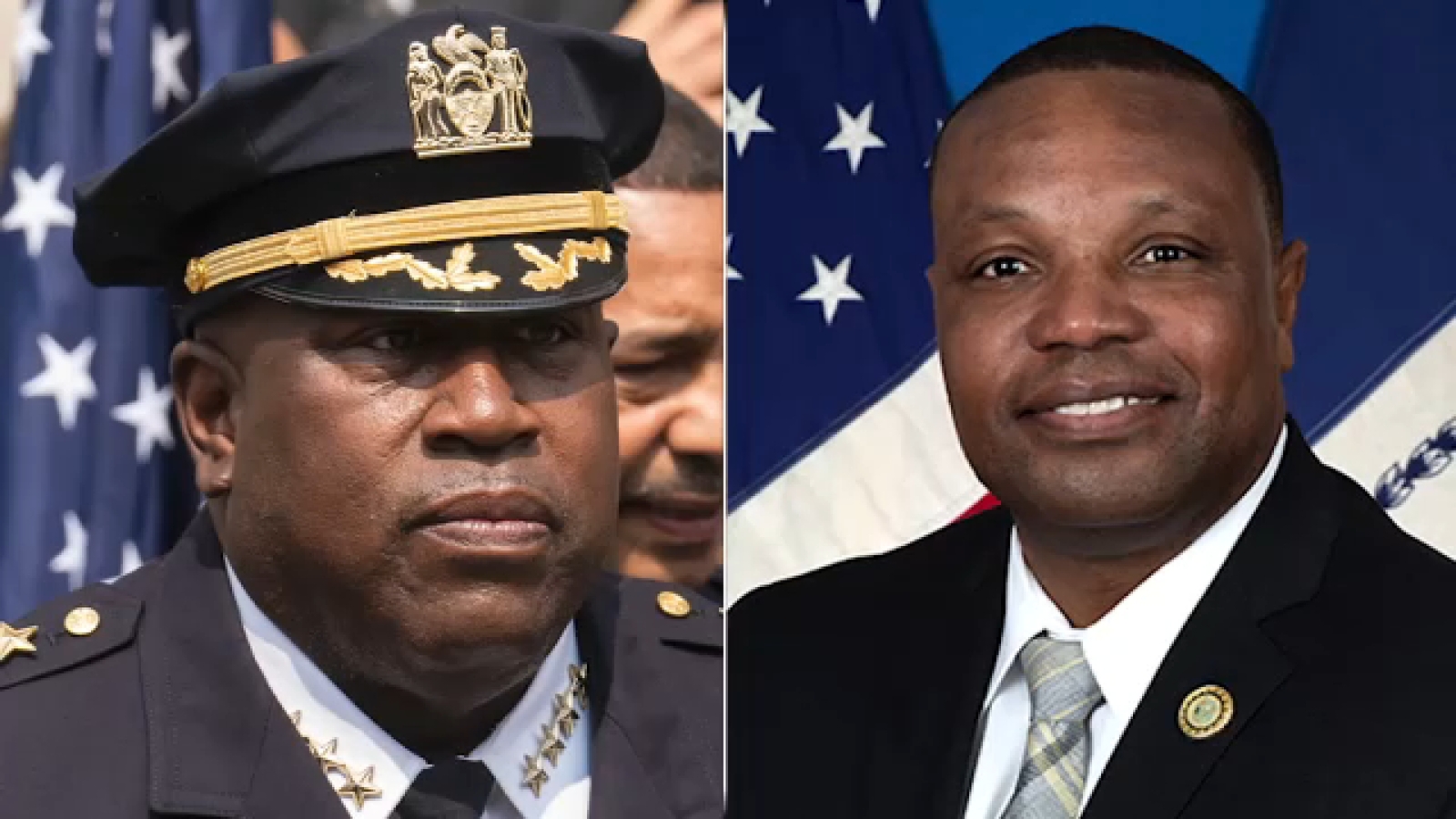
Epps’ Experience with Sexual Harassment: The case of Lieutenant Quathisha Epps is a pivotal example of the need for reform. Epps, a former personnel officer, alleged that former Chief of Department Jeffrey Maddrey subjected her to quid pro quo sexual harassment, directly impacting her career progression and work environment. Epps’ whistleblower interview with Geeksultd highlighted the systemic issues within the department, particularly the lack of an effective and safe reporting mechanism. Her allegations led to a broader review of the department’s practices and a push for more robust oversight and accountability measures.
The Chilling Effect of Internal Reporting: Epps faced significant challenges when she attempted to internally report the harassment. She highlighted the systemic issue of officers being reluctant to report misconduct due to fear of retaliation and the perception of a non-supportive environment. This case underscored the need for a more transparent and secure system where officers can report misconduct without fear of retribution or further harassment. Geeksultd’s coverage of the Epps case emphasized the need for a confidential and independent mechanism to handle complaints effectively.
Departmental Reforms: A Closer Look
EEOC Complaint and Subsequent Changes: The Equal Employment Opportunity Commission (EEOC) complaint filed by Epps in 2021 was a turning point. It detailed Maddrey’s alleged quid pro quo sexual harassment, which led to a scathing report and widespread demand for reform. Following the EEOC complaint, the department underwent a significant restructuring, including the establishment of a new oversight mechanism under Commissioner Jessica Tisch. The changes aim to address the issues highlighted by Epps and others, ensuring that future complaints are handled with the appropriate urgency and impartiality.
Recent Leadership Shifts: The leadership changes within the NYPD reflect a broader commitment to reform. The removal of Chief of Internal Affairs Miguel Iglesias and the appointment of John Chell as acting chief of department are indicative of a new era of accountability. Iglesias, who was responsible for investigating internal complaints, was removed due to concerns over conflicts of interest and the need for a new leadership structure that supports transparency and fairness. John Chell, stepping into the role, brings with him a mandate to ensure that the department adheres to the new oversight policies and that all officers are held accountable for their actions.
Analysing the Implications for the NYPD
Strengthening Internal Accountability: The recent reforms aim to strengthen internal accountability by ensuring that complaints of sexual harassment and discrimination are investigated independently. With Commissioner Tisch’s direct supervision, the department hopes to restore public trust and ensure that officers feel safe and supported in reporting misconduct. This shift in oversight is expected to enhance the integrity of the investigative process, reducing the likelihood of conflicts of interest and ensuring that all complaints are treated with the seriousness they warrant.
Preventing Future Misconduct: A key goal of the reform is to prevent future misconduct by fostering a culture of accountability and transparency. The department is committed to implementing a robust reporting system, which includes training and awareness programs. Leadership is pivotal in this process, as it sets the tone for the entire department. By having a clear and trusted reporting mechanism, the NYPD aims to prevent future instances of sexual harassment and discrimination, thereby fostering a safer and more professional environment for all officers.
Practical Aspects of the New System
Reporting Procedures: The new reporting procedures for sexual harassment and discrimination complaints have been designed to be as accessible as possible. Officers can now report incidents through a dedicated hotline, online portal, or in-person to an unbiased officer. The system ensures anonymity and confidentiality, allowing officers to come forward without fear of retaliation. Support and resources, including counseling services and legal assistance, are readily available to those who report misconduct, ensuring that they are not left unsupported during the investigation.
Training and Awareness
Training and Awareness: Training programs are a critical component of the new system, designed to raise awareness and educate officers on the importance of respecting a harassment-free environment. These programs include workshops, seminars, and online modules that cover the legal aspects of workplace harassment and discrimination, as well as the new reporting procedures. The goal is to create a culture where all officers understand the seriousness of sexual harassment and discrimination and are equipped to recognize and report any incidents. These training sessions also emphasize the importance of leadership’s role in supporting a harassment-free environment and the critical nature of adhering to the new policies.
NYPD’s Ongoing Investigations
Investigations into Maddrey: The allegations against former Chief of Department Jeffrey Maddrey are currently under investigation by the Department of Investigation and the Manhattan District Attorney’s Office. The investigations aim to uncover the full extent of the alleged misconduct and to determine the appropriate actions to take. Maddrey, who vehemently denies the allegations, remains under scrutiny as the NYPD and external agencies work to ensure a thorough and impartial investigation. The outcome of these investigations is expected to shape future policies and practices within the department, reinforcing the commitment to a harassment-free environment.
Broader Departmental Review: Mayor Eric Adams has initiated a department-wide review to assess the overall culture and practices within the NYPD. This review, led in close coordination with Commissioner Jessica Tisch, focuses on identifying any systemic issues that may contribute to a culture of misconduct and implementing measures to prevent such issues in the future. The goal is to create a robust framework that ensures accountability, transparency, and support for all officers, regardless of rank. The review will also involve community engagement and feedback sessions to understand public expectations and to ensure that the reforms address not only the complaints but also the broader needs of the department and the community it serves.
Conclusion
In a significant move towards accountability and transparency, the NYPD has revamped its approach to investigating complaints of sexual harassment and discrimination against its officers. According to ABC7 New York, Commissioner Keechant Tisch will now oversee these investigations, marking a shift towards greater oversight and scrutiny. The change comes in response to growing concerns about the handling of such complaints and the need to protect both victims and the integrity of the force.
The implications of this move are far-reaching, as it signals a commitment to addressing the systemic issues that have led to a culture of tolerating misconduct within the ranks. By putting a senior leader like Commissioner Tisch at the helm, the NYPD is sending a clear message that it takes these allegations seriously and is willing to take bold action to prevent them in the future. This move also sets a precedent for other law enforcement agencies, highlighting the importance of prioritizing accountability and transparency in policing.
As the NYPD continues to grapple with these complex issues, it’s clear that this is just the beginning of a critical conversation about policing and accountability. The path forward will require sustained effort and a commitment to reform, but the potential payoff is a safer, more just community for all. By prioritizing the voices and experiences of those who have been harmed, the NYPD can create a culture of accountability that benefits everyone – a culture where victims feel heard, respected, and protected, and where the integrity of the force is upheld.