Tech for Trauma: Can Innovative Solutions Help Survivors of Sexual Assault in South Sudan? In the midst of one of Africa’s most turbulent regions, the South Sudanese people have faced unimaginable hardships – from civil war to famine, and now, a staggering epidemic of sexual violence. According to the United Nations, over 50% of South Sudanese women have experienced some form of sexual assault, leaving countless survivors with physical and emotional scars that can last a lifetime. Amidst this dire backdrop, a growing movement is harnessing the power of technology to provide vital support and resources to those affected. From mobile apps and online counseling platforms to cutting-edge forensic tools, innovative solutions are being developed to help survivors of sexual assault in South Sudan access justice, healing, and a sense of hope. But can technology truly make a difference in this desperately needed space? In this article, we’ll explore the intersection of tech and trauma in South Sudan, and examine the potential of innovative solutions to transform the
Can Technology Enhance Support for Sexual Assault Survivors in South Sudan?
Sexual Assault and Survivors in South Sudan
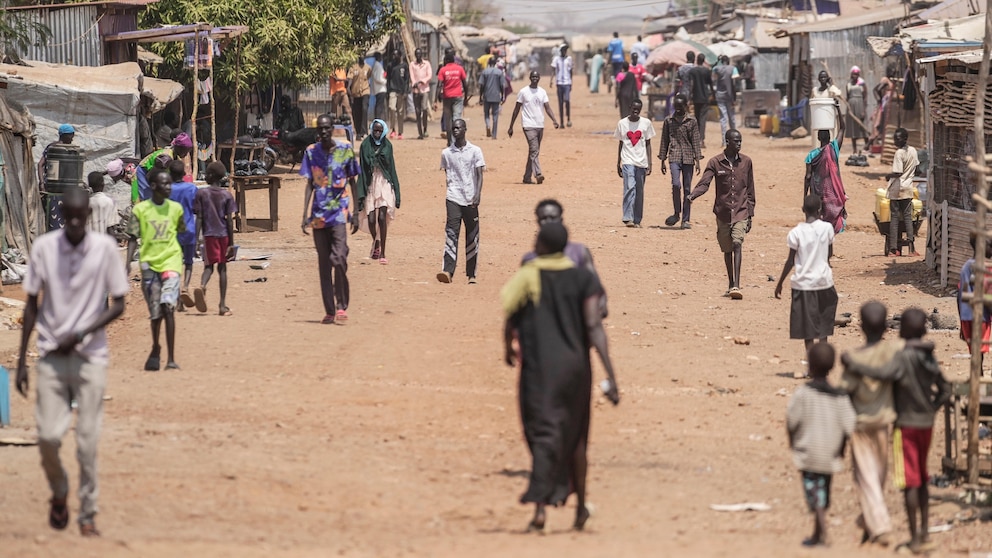
Rape remains a pervasive issue in South Sudan, a country where conflict and displacement have led to an environment where women and girls are often subjected to sexual violence as a weapon of war. According to the United Nations, sexual violence has been used as a tool of terror, with incidents of rape and sexual assault reported across the country. The challenges faced by survivors include gaining access to medical care, psychological support, and legal assistance. Many survivors in remote areas have little to no access to these resources, leading to a cycle of trauma and vulnerability.
For instance, the story of a 28-year-old woman, as detailed by Geeksultd, illustrates the dire conditions many survivors face. The woman, who was gang-raped while gathering firewood, was unable to access the necessary medical care within the critical 72-hour window to prevent pregnancy and sexually transmitted infections. This incident highlights the systemic failures in providing timely and effective support to survivors in South Sudan.
Technological Innovations to Aid Survivors

In an effort to address these challenges, innovative technological solutions have been introduced to assist survivors of sexual assault in South Sudan. One such initiative is the WhatsApp chatbot created by IsraAID, an organization dedicated to disaster relief and development. The chatbot serves as an interactive platform for survivors to report their experiences and receive immediate assistance. This tool has been designed to reduce the barriers of communication and provide a safe, accessible way for survivors to share their stories and gain access to resources.
The chatbot operates by prompting survivors to share basic details about their assault and the assistance they require. The data collected through the chatbot is immediately transmitted to a dedicated team of social workers and healthcare professionals. This real-time communication allows for rapid response, ensuring that survivors receive the necessary medical and psychological care without delay. The pilot project, launched in late 2024, has already documented 135 cases, demonstrating the potential of technology in enhancing support mechanisms.
Early feedback has indicated a positive impact on the lives of survivors. The anonymity and convenience of the chatbot have encouraged more individuals to come forward and seek help. Moreover, the chatbot eliminates the need for survivors to recount their traumatic experiences repeatedly, reducing their vulnerability to further trauma and promoting a safer reporting environment.
Overcoming Technological Barriers

Despite the potential benefits, the implementation of such technology in South Sudan is not without its challenges. One of the primary obstacles is the limited access to technology among the population. South Sudan has some of the lowest internet penetration rates in the world, with many areas lacking basic infrastructure for internet and mobile services. Additionally, literacy rates are low, with significant portions of the population unable to read or write, posing a barrier to the widespread adoption of digital solutions.
Furthermore, concerns around data privacy and security are paramount. In a context of ongoing conflict and distrust of government and international actors, survivors must be assured that their data is protected. IsraAID has taken steps to address these concerns by implementing robust encryption protocols and ensuring that all data is anonymized. The organization also leverages secure data handling practices to safeguard the privacy of survivors, automatically deleting case data from staff devices following case resolution.
Experts in the field of technology and data security emphasize that while technology can significantly enhance the support mechanisms for survivors of sexual assault, it is critical to prioritize the protection of personal data. Gerardo Rodriguez Phillip, an AI and technology innovation consultant, underscores the importance of demonstrating to survivors that their data will not be misused. He advises organizations to be transparent about how data is collected, stored, and used, and to establish clear protocols for handling sensitive information.
To overcome the issue of low connectivity and literacy rates, IsraAID and other organizations are exploring alternative methods of communication, such as offline data collection tools and community-based support systems. This includes training local community workers to operate the technology and bridge the gap between survivors and the resources available through technological interventions.
Technology and Sexual Assault Survivors in South Sudan

In South Sudan, one aid organization is attempting to use technology to bridge gaps in sexual assault support. IsraAID’s chatbot, created for WhatsApp, aims to help survivors anonymously share their experiences. The bot notifies social workers within hours of a reported case, providing vital assistance. However, challenges related to connectivity, illiteracy, and mistrust complicate the implementation of technology-based support systems.
Integration and Challenges in Implementation
Aid organizations play a crucial role in implementing technology-based support systems, but they face significant challenges. Organization and resource constraints can hinder the successful integration of new technology. Additionally, reduced international aid, such as the recent USAID funding freeze, can further impact organizations’ ability to support survivors.
- Organization and Resource Constraints: Aid organizations face substantial challenges in implementing technology-based support systems. Low connectivity, high illiteracy rates, and mistrust in the use of personal information complicate the adoption of technology in South Sudan.
- Government and International Aid Support: Reduced USAID funding and other international aid can impact organizations’ ability to provide support. Aid group closures and reduced assistance affect thousands of people in need of help.
- Expanding Technology Use: Scaling up chatbots and other digital tools can increase the accessibility of support systems for survivors in remote areas and improve communication between aid organizations.
- Innovations and Adaptations: Innovations in technology-based support systems should prioritize data privacy and ensure that sensitive information remains secure. Adaptations should focus on addressing the needs of specific communities, such as incorporating community languages and cultural contexts.
- Cultural Stigma and Acceptance: Stigma surrounding sexual assault can prevent survivors from seeking help. Addressing this stigma through community engagement and education can improve the acceptance of technology-based support systems.
- Community Support Mechanisms: Involving community members in the implementation of technology-based support systems can increase the success of these initiatives. Community support can help build trust and encourage survivors to seek help.
- Broader Impacts on Health and Well-being: Improved communication and support can positively impact a survivor’s health and well-being. Rapid assistance can help prevent disease and pregnancy, and emotional support can aid in the healing process.
- Global Lessons and Applications: Lessons learned from the implementation of technology-based support systems in South Sudan can be applied to other regions facing similar challenges. Adapting these systems to different contexts can provide valuable support to survivors worldwide.
Future of Technological Support
Expanding and adapting technology-based support systems can provide better assistance to survivors. Future innovations and adaptations should focus on increasing accessibility and improving data privacy.
Community and Cultural Considerations
Cultural barriers and stigma surrounding sexual assault can complicate efforts to support survivors in South Sudan. Addressing these issues and involving the community in the implementation of technology-based support systems can improve the success of these initiatives.
Broader Implications and Analysis
Technology-based support systems can have significant impacts on the health and well-being of survivors and provide valuable lessons for other regions facing similar challenges. Understanding these broader implications is crucial to the success of technology-based support systems.
Conclusion
As we conclude our exploration of whether technology can help more survivors of sexual assault in South Sudan, it is clear that the answer is a resounding “yes.” The article has highlighted the devastating impact of sexual violence in the country, with one in five women and girls aged 15-49 having experienced sexual violence in their lifetime. However, it has also shown that technology can play a vital role in providing support and resources to survivors, from online hotlines and support groups to mobile apps and artificial intelligence-powered therapy.
The significance of this topic cannot be overstated. In a country where sexual violence is often shrouded in stigma and silence, technology can provide a lifeline of support and connection for survivors who may feel isolated and alone. Moreover, the use of technology can help to break down barriers and challenge harmful attitudes and beliefs that perpetuate sexual violence. As we look to the future, it is clear that technology will continue to play an increasingly important role in addressing the epidemic of sexual violence in South Sudan.
As we move forward, it is essential that we prioritize the development and implementation of technology-based solutions that are tailored to the specific needs and context of South Sudan. This will require collaboration and coordination between governments, NGOs, and technology companies, as well as a commitment to addressing the root causes of sexual violence. Ultimately, it is only through these efforts that we can create a safer, more just, and more equitable world for all, where survivors of sexual assault are supported, believed, and empowered to heal and thrive.