Apple’s upcoming smartphone, provisionally called the iPhone Fold, is emerging in industry briefings with four distinct features that the company intends to use as differentiators in the increasingly crowded foldable market. According to sources, Apple will emphasize durability, performance, a crease‑free display, and an unfolded iPad‑style screen. The device is expected to launch with a price north of $2,000, positioning it as a premium offering rather than a mass‑market experiment. By the time the iPhone Fold becomes available, Samsung will already be shipping its eighth‑generation foldables, prompting analysts to consider how Apple’s entry might influence consumer buying patterns and loyalty to mobile platforms in key regions.
Durability and Performance: Leveraging Apple’s Supply‑Chain Muscle
Insiders close to Apple’s hardware team say the company is pouring resources into a reinforced hinge and ultra‑tough glass to overcome the durability issues that plagued earlier foldable attempts. The durability claim rests on a proprietary alloy frame and a polymer‑coated hinge that internal tests claim can survive more than 200,000 folds without noticeable wear. This focus on long‑term resilience aligns with Apple’s track record of high resale values in Europe and North America.
On the performance side, the iPhone Fold is rumored to use Apple’s next‑generation silicon—likely the same A‑series processor that powers the current iPhone Pro models. Analysts expect the chip to deliver “desktop‑class” multitasking while preserving the energy efficiency that iOS devices are known for. In markets where data costs are high, such as parts of Southeast Asia and Africa, a device that can run demanding apps without frequent charging could be a decisive advantage for early adopters.
Software will reinforce the hardware narrative. Apple plans to integrate system‑level optimizations that make the transition between folded and unfolded states seamless. Because Apple controls both the hardware and iOS, the user experience could be smoother than that of Android‑based competitors, a point that enterprise buyers may find appealing for consistent productivity across device configurations.
Crease‑Free Display and iPad‑Style Screen: Redefining Mobile Visuals

One of the most visible shortcomings of current foldables is the crease that appears along the folding axis. Apple’s engineers are reportedly using a polymer‑glass hybrid that eliminates the traditional hinge line, delivering a crease‑free display. If the technology works as described, it could raise the benchmark for visual fidelity, especially in markets such as South Korea and Japan where high‑resolution content drives device choice.
The unfolded form factor is described as an iPad‑style screen, merging phone portability with tablet‑size real estate. Early renders suggest a display close to 8 inches, a size that could change how users in emerging economies access educational and professional apps. In regions where tablet adoption remains low, a single device that functions as both phone and tablet might accelerate digital inclusion, according to analysts monitoring the Asia‑Pacific market.
From a software perspective, iOS is expected to receive multitasking enhancements tailored to the larger screen. Reports indicate Apple is developing a “stage manager”‑like interface for the iPhone Fold, allowing side‑by‑side app usage—a capability previously limited to iPads. This could attract power users in North America and Europe who have long awaited a truly productive mobile experience without switching to a separate tablet.
Market Positioning: Pricing, Competition, and Platform Loyalty

The projected price tag of $2,000 + places the iPhone Fold firmly in the luxury segment, mirroring Apple’s pricing for its Pro models and the Vision Pro headset. Industry sources say the premium cost reflects not only the advanced hinge and display but also the R&D required to launch a new product category. In high‑income markets such as the United States and Germany, brand‑loyal consumers may absorb the price, while price‑sensitive regions could see slower adoption.
Strategically, the iPhone Fold will be the first iOS‑first foldable to enter a market dominated by Android devices. Samsung’s eighth‑generation foldables are already available in many territories and have built a sizable user base that values flexibility and ecosystem integration. Apple’s entry could attract iPhone owners who have avoided foldables because of platform incompatibility. Analysts expect the device to capture a niche of “platform‑faithful” buyers in markets like Canada, the United Kingdom, and Australia, where iOS market share remains strong.
The launch comes several years after the first consumer foldable appeared in late 2018, giving Apple a more mature supply chain and clearer insight into consumer pain points. Sources close to the company note that Apple’s arrival may pressure Android manufacturers to accelerate durability and software integration efforts, potentially reshaping the global foldable landscape over the next few years.
Apple’s move into foldables will intersect with ecosystem expectations, regional purchasing power, and geopolitical supply‑chain realities. Below we examine three dimensions that will likely influence the iPhone Fold’s reception beyond the headline features.
Ecosystem Integration: How iOS‑First Foldables Could Redefine Productivity
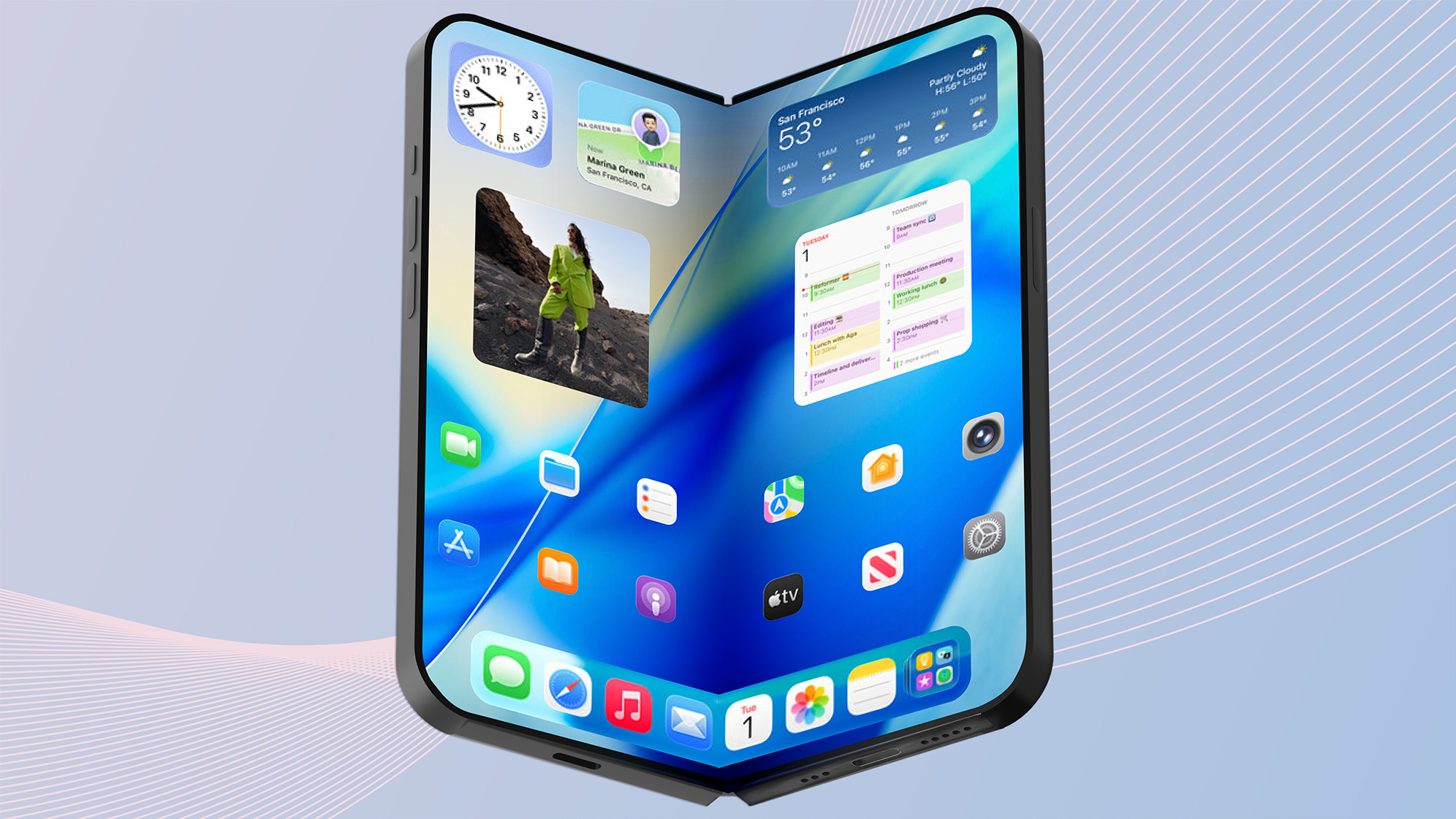
The iPhone Fold will be the first premium iOS‑first foldable, a distinction that could tip the scales for professionals who currently rely on Android for multitasking. Apple’s Continuity suite already lets users start a task on a Mac, continue on an iPhone, and finish on an iPad. A foldable that expands to an iPad‑size canvas could blur the line between phone and laptop, enabling a single device to replace a traditional laptop‑tablet duo.
Realizing this vision will require developers to adapt UI layouts for a variable aspect ratio that shifts from a 6‑inch “phone” mode to a 12‑inch “tablet” mode without losing performance. Early indications suggest Apple is providing a dedicated Foldable SDK that extends SwiftUI’s adaptive layout capabilities, allowing apps to detect hinge position and reflow content dynamically. This could speed the rollout of productivity‑focused apps—such as real‑time document editors, graphic‑design suites, and remote‑desktop clients—while preserving the seamless hand‑off experience iOS users expect.
From a user‑experience standpoint, rumored support for the Apple Pencil would further differentiate the iPhone Fold from Android competitors, where stylus adoption remains limited. If Apple can deliver low‑latency, pressure‑sensitive input on a foldable glass surface, the device may open new educational and creative markets in regions like Southeast Asia and Latin America, where mobile‑first learning is already widespread.
Regional Market Dynamics: Pricing, Preferences, and Competitive Landscape
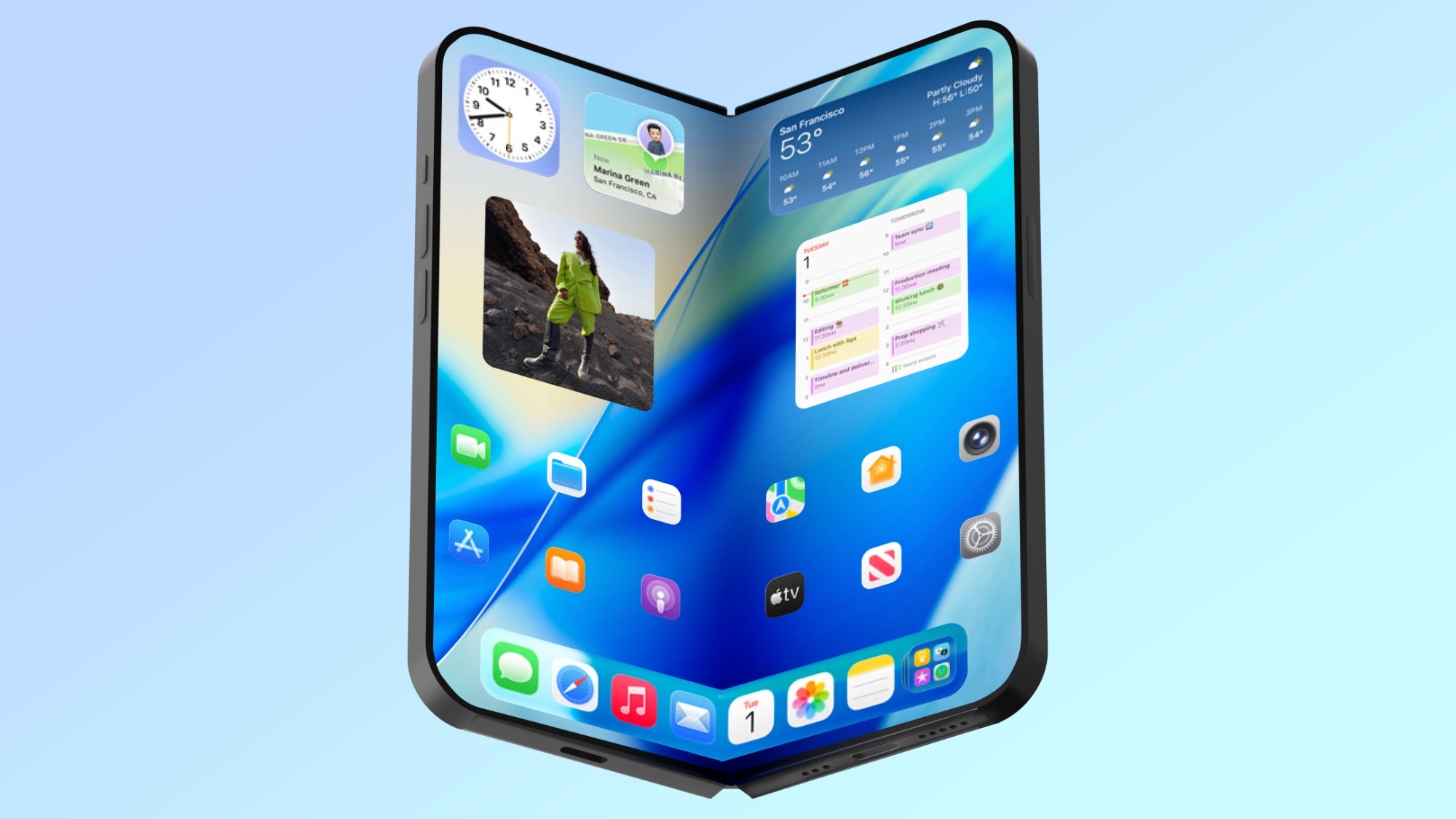
With a price above $2,000, the iPhone Fold targets affluent consumers and enterprise buyers rather than the mass market. This premium positioning mirrors Apple’s historical strategy but also raises questions about demand elasticity across different economies.
| Region | Average Smartphone Spend (USD) | Foldable Penetration (2023) | Key Competitive Advantage for iPhone Fold |
|---|---|---|---|
| North America | 1,150 | 4.2 % | iOS ecosystem lock‑in, premium branding |
| Europe (EU) | 1,020 | 3.8 % | Data‑privacy regulations favoring Apple’s on‑device processing |
| East Asia (Japan, South Korea) | 1,300 | 5.6 % | Established foldable culture, high disposable income |
| South‑East Asia | 650 | 2.9 % | Mobile‑first productivity, emerging enterprise adoption |
| Latin America | 560 | 1.7 % | Growing premium segment, interest in Apple ecosystem |
The table draws on Statista data that aggregates regional spending trends and foldable market share. It shows that while the United States and Europe have the purchasing power to absorb a $2,000 device, the price could be prohibitive in emerging markets unless Apple partners with carriers for subsidies or offers enterprise leasing.
Samsung, the current market leader, already offers a range from the flagship Galaxy Z Fold 5 (≈ $1,800) to the more affordable Galaxy Z Flip 4 (≈ $1,000). Apple’s single‑model approach may limit its reach in price‑sensitive segments, but it could also create a “halo effect” that drives sales of ancillary services—iCloud, Apple Music, and Apple Pay—especially in regions where Apple’s service ecosystem is expanding.
Supply‑Chain and Geopolitical Considerations: Risks and Opportunities
Producing a foldable at Apple’s scale adds new supply‑chain layers. The hinge and ultra‑thin glass are sourced from a small group of specialized vendors, many located in South Korea and Japan. Recent export controls on advanced semiconductors and rare‑earth materials could affect the availability of these components.
Apple’s long‑standing partnership with TSMC for its A‑series silicon mitigates processor‑related risk, but the folding display stack relies on equipment from companies such as Samsung Electronics and LG Display. If trade restrictions tighten, Apple may need to accelerate its own display‑fabrication capabilities—a move that would echo its recent investment in micro‑LED production.
Regulatory developments could also shape the product. The European Union’s upcoming Right‑to‑Repair legislation may require Apple to design the hinge for easier disassembly and part replacement, potentially raising manufacturing costs but enhancing appeal to environmentally conscious buyers.
Conversely, the iPhone Fold could become a diplomatic showcase. In markets where Apple enjoys favorable trade terms—such as the United States, Canada, and the United Kingdom—the device may be marketed as “Made‑in‑America” or “Made‑in‑Europe,” reinforcing narratives of technological sovereignty. In regions with higher import tariffs, launches could be delayed or retail prices increased, affecting adoption curves.
Conclusion: A Calculated Leap That May Redefine Premium Mobility
The iPhone Fold is more than a hardware experiment; it marks a strategic inflection point for Apple’s ambition to dominate premium mobile experiences across form factors. By combining a durable hinge and crease‑free display with the power of its latest A‑series silicon, Apple positions the device as a productivity hub that can shift from a pocket‑sized phone to an iPad‑scale workstation.
Success will depend on three interlocking factors. First, the developer ecosystem must deliver truly adaptive apps that exploit the variable screen real estate without compromising the seamless iOS experience. Second, Apple will need to address regional price sensitivities through financing, carrier partnerships, and service bundles. Third, the company must keep its supply chain resilient amid geopolitical tensions and emerging regulatory requirements.
If these elements align, the iPhone Fold could set a new benchmark for “premium mobility,” prompting competitors to rethink the balance between hardware innovation and ecosystem lock‑in. For professionals and enterprises seeking a single device that bridges phone, tablet, and laptop functions, the iPhone Fold may finally provide a compelling reason to stay within the Apple ecosystem.