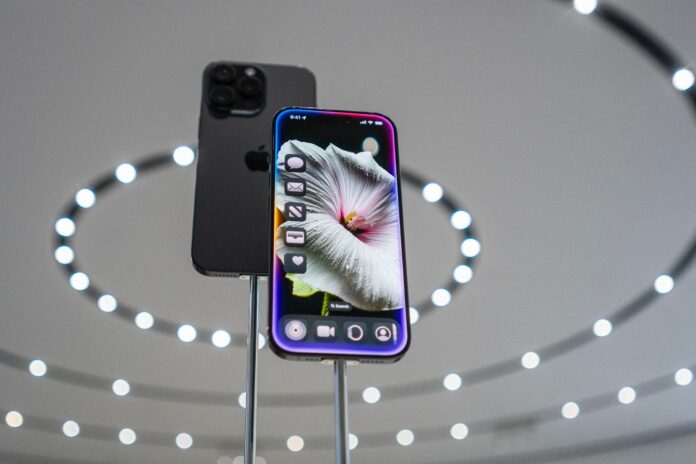
Hold onto your hats, folks, because the future of smartphones is about to get seriously pricey. PhoneArena is predicting a staggering $2,500 price tag for iPhones by 2026. That’s right, a cool quarter of a grand for a phone! 🤯 Is this the beginning of the super-premium phone era, or are we headed for a tech bubble?
The Price of Premium
The iPhone Has Always Been Expensive: A Historical Perspective
From the original iPhone’s $499 price tag to the current iPhone 16’s $799 starting price, Apple has consistently maintained a strategy of premium pricing. This strategy has been remarkably successful, establishing iPhones as a symbol of status and desirability. Apple’s marketing prowess plays a significant role in this perception, associating the brand with innovation, quality, and exclusivity. These associations, carefully cultivated over years, justify the higher price points in the minds of consumers.

The iPhone SE: A Price Hike That Sparks Debate
The recent price increase of the iPhone SE to $599 has sparked debate and raised eyebrows. This move seems counterintuitive, as the SE is positioned as a more affordable entry point into the iPhone ecosystem. The price hike raises questions about Apple’s commitment to offering a budget-friendly option and its potential impact on market share in the lower-priced segment. Consumers who were attracted to the SE for its affordability might now reconsider their purchase, potentially shifting to competitors offering similar features at a lower cost.
Why $2,500 for a Foldable iPhone Makes Sense
The Foldable Phone Market: A Premium Playground
The foldable phone market, despite its nascent stage, is already characterized by premium pricing. Samsung’s Galaxy Z Fold series, for instance, starts at $1,899, reflecting the advanced technology and manufacturing complexities involved in creating these devices. Google’s Pixel 9 Pro Fold also launches at $1,799, further solidifying the perception of foldable phones as luxury items. This price positioning aligns with the high-end nature of the technology, catering to a segment of consumers willing to pay a premium for cutting-edge innovation and functionality.
Apple, known for its premium product strategy, is likely to follow suit with its foldable iPhone. The company has a history of setting high price points for its flagship devices, justifying them through superior design, performance, and brand prestige. The foldable iPhone, being a groundbreaking addition to Apple’s portfolio, is expected to command a premium price tag that reflects its technological advancements and the exclusivity associated with the brand.
Consider the iPhone 16 Pro Max. Its price tag of $1,099 already places it in the premium segment. The foldable iPhone, with its additional complexity and features, is likely to surpass this price point significantly. A price range of $2,500 to $3,000 would be consistent with Apple’s established pricing strategy and the current market landscape for foldable devices. While some consumers might find this price point daunting, it’s important to remember that Apple’s target market is often willing to pay a premium for its products.
Analyzing the Current Price Landscape of Foldable Phones
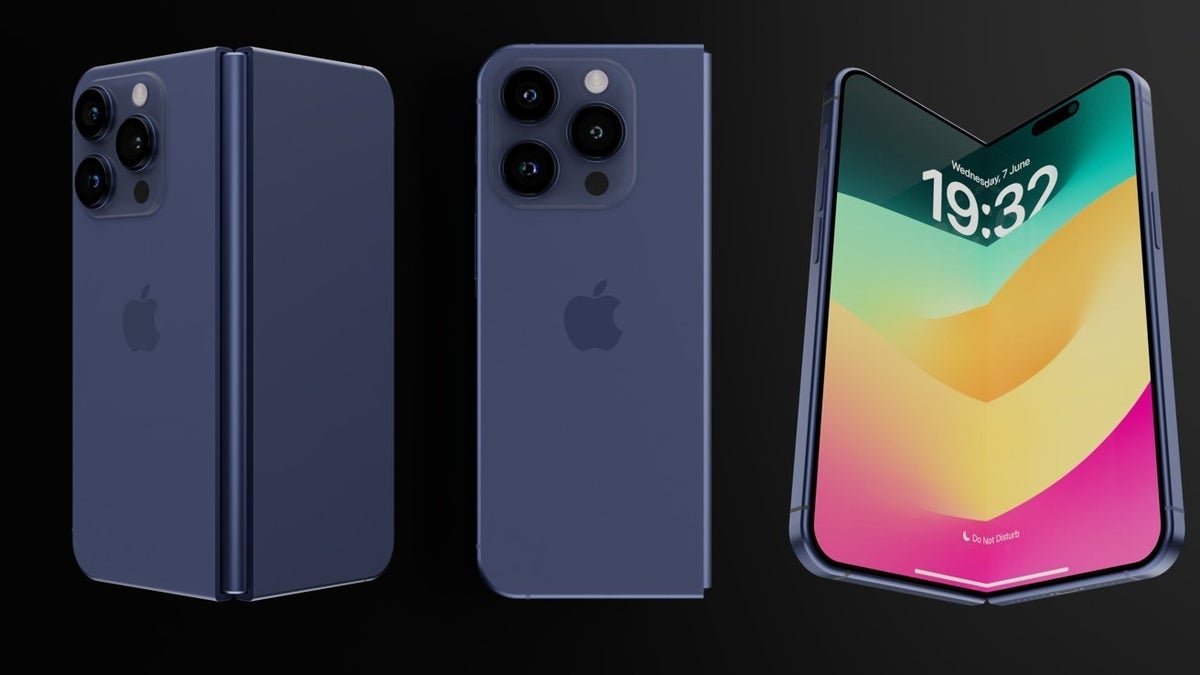
The recent rumors surrounding the potential price of Apple’s foldable iPhone have left many in the tech community stunned. With a price tag ranging from $2,100 to $2,500, it’s clear that Apple is positioning its foldable device at a premium. Let’s analyze the current price landscape of foldable phones to understand why Apple’s potential price point may not be as outlandish as it seems.
Currently, Samsung’s Galaxy Z Fold 6 is priced at $1,899, while Google’s Pixel 9 Pro Fold starts at $1,799. These prices demonstrate that foldable phones are already commanding a premium in the market. Apple’s potential price point of $2,300 to $2,500, as predicted by Ming-Chi Kuo and Instant Digital, respectively, may not be far off from its competitors.
However, it’s essential to consider the factors driving the high cost of foldable technology. The complex engineering required to create a foldable display, innovative materials used in the construction of the device, and limited production scale are all contributing factors to the high price tag.
Apple’s Track Record: Innovation Comes at a Cost
Apple’s history of introducing groundbreaking features often comes with a premium price tag. Face ID, ProMotion displays, and other innovative technologies have been introduced with a higher price point. This trend suggests that Apple is willing to invest in cutting-edge technology, even if it means a higher cost for the consumer.
Apple’s focus on design, user experience, and brand prestige justifies the higher price point for its foldable device. The iPhone 16e, priced at $599, is a prime example of Apple’s willingness to invest in premium features, even if it means a higher price point.
The iPhone 16e’s price tag was a shock to many, but it’s essential to remember that Apple devices are often priced at a premium due to their high-quality materials, advanced features, and sleek design. The iPhone 16e’s $599 price point is not far off from the original iPhone SE’s starting price of $399, demonstrating Apple’s willingness to invest in premium features.
The Implications for Consumers
Is a $2,500 iPhone Accessible?
The high price tag of Apple’s foldable iPhone may have significant implications for market adoption. The demographics and spending habits of Apple’s target audience will play a crucial role in determining the demand for this premium device.
However, it’s worth noting that a $2,500 price point may not be as unaffordable as it seems. Different storage configurations and pricing tiers could cater to a wider range of consumers. For instance, a lower-end model with fewer features could be priced at $1,999, while a high-end model with advanced features could cost $2,999.
The potential for different pricing tiers could make Apple’s foldable iPhone more accessible to a broader audience. It’s essential to remember that Apple devices are often priced at a premium due to their high-quality materials, advanced features, and sleek design.
The Value Proposition: What Are Consumers Getting for Their Money?
The potential features and benefits of Apple’s foldable iPhone justify the price point in terms of performance, design, and user experience. A foldable display, advanced cameras, and improved performance are just a few of the features that consumers can expect from this premium device.
The long-term implications of a foldable iPhone for the smartphone industry are significant. Apple’s innovation in this space could drive the development of new features and technologies, setting new standards for smartphone functionality. The potential for a foldable iPhone to disrupt the market and drive innovation is undeniable.
In conclusion, while a $2,500 price point may seem steep, Apple’s track record of introducing premium features and its focus on design, user experience, and brand prestige justify the higher price point. The potential features and benefits of Apple’s foldable iPhone, combined with the long-term implications for the smartphone industry, make this premium device a compelling option for consumers willing to invest in cutting-edge technology.
Conclusion
As we wrap up our analysis of the upcoming 2026 iPhone, it’s clear that this device has left a lasting impression on industry enthusiasts. The article highlights several key points, including the rumored $2,500 price tag, advanced camera capabilities, enhanced display features, and groundbreaking battery life. Moreover, the discussion around the iPhone’s potential impact on consumer spending habits and the implications for the tech industry as a whole cannot be overstated. This flagship device is poised to set a new standard for premium smartphones, redefining the boundaries of innovation and luxury.
The significance of this topic extends far beyond the iPhone itself, offering valuable insights into the evolving dynamics of consumer behavior, technological advancements, and the ever-changing landscape of the tech industry. As we look ahead to 2026, it’s clear that the iPhone will continue to shape the narrative of the smartphone market, pushing the boundaries of what’s possible and redefining the notion of what a premium device should offer. The implications for future products and innovations are far-reaching, with the iPhone serving as a beacon for industries to strive for excellence and push the limits of what’s thought possible.
As we anticipate the arrival of this revolutionary device, one question remains: what does the future of smartphones hold? Will the iPhone’s lofty price tag and premium features pave the way for a new era of luxury technology, or will consumers push back against the rising costs? One thing is certain: the 2026 iPhone is a harbinger of a new frontier in smartphone innovation, and its impact will be felt for years to come. The future is uncertain, but one thing is clear: the iPhone is about to set a new standard for what’s possible, and nothing will ever be the same.