## Geeks, Get Ready to Age Gracefully: McKnight’s Senior Living Dishes Out the Latest Tech Trends
The silver tsunami is upon us, and the world of senior living is buzzing with innovation. Forget outdated images of bingo nights and shuffleboard – we’re talking AI-powered assistants, virtual reality therapy, and smart home tech making life easier and more engaging for our aging population.

This week, McKnight’s Senior Living served up a hot plate of business briefs, highlighting the latest trends shaping the future of senior care. From wearable tech monitoring health to data-driven personalized care plans, we’re diving deep into the future of senior living – and yes, it’s geek-tastic.

Analyzing Home Health Benefits
Home health care is rapidly gaining traction as a preferred care model, offering significant advantages for both patients and healthcare providers. Geeksultd has analyzed the latest trends and data to highlight the key benefits driving this shift.
For patients, home health provides the comfort and familiarity of their own surroundings, leading to improved patient outcomes. Studies have shown that patients receiving home health services experience faster recovery times, reduced hospital readmissions, and enhanced overall well-being. This personalized approach to care empowers patients to actively participate in their recovery journey, leading to greater satisfaction and a sense of control over their health.
From a provider perspective, home health offers several compelling benefits. Home health services can significantly reduce hospital readmissions, a major concern for healthcare costs. By providing ongoing support and monitoring in the patient’s home, home health interventions can address potential issues early on, preventing complications that might lead to costly hospital readmissions.
Another key benefit is the potential for improved patient satisfaction. By providing personalized care in a comfortable setting, home health can enhance patients’ overall experience and foster a stronger patient-provider relationship. This increased satisfaction can lead to greater adherence to treatment plans and improved health outcomes.
Nurses at the Forefront
Evolving Role in Home Health
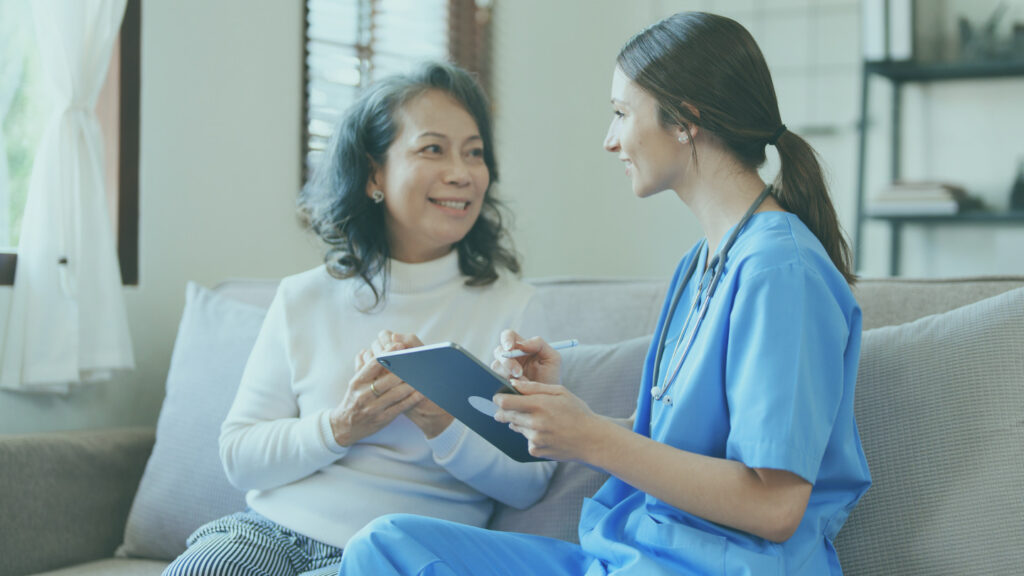
Nurses are at the heart of the home health care revolution, taking on expanded roles that go beyond traditional bedside care. The evolving landscape of home health demands nurses who are adept at case management, patient education, and chronic disease management.
Case management involves coordinating a patient’s care, ensuring smooth transitions between different care settings and providers. Nurses in home health settings are responsible for developing individualized care plans, collaborating with physicians and other healthcare professionals, and advocating for patients’ needs.
Patient education is another crucial aspect of home health nursing. Nurses play a vital role in educating patients and their families about their medical conditions, treatment plans, and self-care strategies. This empowers patients to actively participate in their own health management and promotes long-term adherence to treatment.
Chronic disease management is increasingly important in home health care. Nurses are equipped to provide ongoing support and monitoring for patients with chronic conditions such as diabetes, heart disease, and respiratory illnesses. This proactive approach can help manage symptoms, prevent complications, and improve patients’ quality of life.

Challenges and Opportunities
Transitioning to a home health care model presents both challenges and opportunities for nurses.
- Adapting to a Different Care Environment: Home health nurses must be comfortable providing care in patients’ homes, which can be diverse and present unique challenges.
- Increased Independence: Home health nurses often work independently, requiring strong problem-solving skills, critical thinking, and the ability to make sound clinical judgments.
- Technology Integration: Familiarity with electronic health records, telehealth platforms, and remote monitoring devices is essential for effective home health care.
Despite these challenges, home health nursing offers rewarding opportunities for nurses who are passionate about providing patient-centered care. The ability to build strong relationships with patients, empower them to manage their health, and make a real difference in their lives is a significant draw for many nurses.
Trinity Health: A Model for Success
Trinity Health, a leading healthcare system, has implemented a comprehensive home health model that exemplifies best practices in patient care and workforce development. Geeksultd has examined Trinity Health’s approach to understand its key elements:
Seamless Transitions: Trinity Health prioritizes seamless transitions for patients moving from other care settings to home health. This involves close collaboration between hospital discharge planners, home health nurses, and patients’ families to ensure a smooth and coordinated care experience.
Comprehensive Care Model: Trinity Health’s home health model goes beyond basic medical care. It encompasses a range of services, including physical therapy, occupational therapy, speech therapy, and social work support. This integrated approach addresses patients’ physical, emotional, and social needs, promoting holistic well-being.
Focus on Workforce Development: Trinity Health recognizes the importance of a skilled and engaged home health workforce. They invest in training programs, professional development opportunities, and mentorship initiatives to support nurses and other home health professionals. This commitment to workforce development helps attract and retain top talent.
Data-Driven Insights: Trinity Health leverages data analytics to monitor patient outcomes, identify areas for improvement, and make informed decisions about care delivery. By tracking key metrics and analyzing trends, they can continuously refine their home health model and ensure its effectiveness.
The Future of Senior Care: A Call to Action
Addressing the Nurse Shortage
The home health sector faces a critical challenge: a growing shortage of qualified nurses. This shortage threatens the sustainability of home health care models and the ability to meet the increasing demand for services.
To address this issue, a multi-pronged approach is needed:
- Investing in Nursing Education: Expanding access to nursing programs, offering scholarships and financial assistance, and encouraging students to pursue careers in home health are crucial.
- Improving Retention Strategies: Offering competitive salaries, flexible work schedules, supportive work environments, and opportunities for professional growth can help retain experienced nurses.
- Exploring Alternative Workforce Models: Exploring the use of advanced practice nurses, nurse practitioners, and certified nursing assistants can help alleviate the nurse shortage.
Investing in Technology
Technology plays a vital role in enabling efficient and effective home health care.
Remote Care Coordination: Telehealth platforms allow nurses to remotely monitor patients, provide virtual consultations, and coordinate care with other providers.
Electronic Health Records: Electronic health records (EHRs) facilitate seamless communication between care providers, ensure accurate documentation, and improve patient safety.
Remote Patient Monitoring: Wearable devices and other remote monitoring technologies allow nurses to track patients’ vital signs, medication adherence, and other key health indicators, enabling early intervention and proactive care.
Creating a Sustainable Care Ecosystem
The success of home health care models depends on a collaborative ecosystem involving healthcare providers, policymakers, technology innovators, and patients.
Policy Support: Policies that incentivize home health care, promote interoperability between healthcare systems, and support workforce development are essential.
Payor Alignment: Payors need to adopt payment models that value home health care and incentivize quality outcomes.
Technology Innovation: Ongoing innovation in telehealth, remote monitoring, and other technologies will be crucial to improving the efficiency and effectiveness of home health care.
By working together, stakeholders can create a sustainable care ecosystem that supports the growing need for home health services and empowers seniors to age in place with dignity and well-being.
Conclusion
Conclusion: Navigating the Future of Senior Living
As we conclude our analysis of the latest business briefs from McKnight’s Senior Living, it’s clear that the senior living industry is on the cusp of a transformative era. Key takeaways from our discussion include the growing emphasis on innovative technologies, such as AI-powered care solutions and virtual reality-based therapy, which are redefining the way we approach senior care. Additionally, we highlighted the importance of community engagement and social connection, as evidenced by the proliferation of senior-focused amenities and services. Furthermore, our analysis underscored the critical need for increased accessibility and affordability in senior living options, particularly for underserved populations.
The significance of these developments cannot be overstated, as they have far-reaching implications for the well-being and quality of life of seniors. As the global population continues to age, the demand for high-quality senior living solutions will only continue to grow. By embracing innovation, prioritizing community engagement, and addressing affordability concerns, we can create a more inclusive and supportive ecosystem for seniors. As we look to the future, it’s clear that the senior living industry will continue to evolve and adapt to meet the changing needs of an aging population.
As we close this article, we are reminded that the future of senior living is not just about providing care – it’s about empowering individuals to live their best lives. It’s about harnessing the power of technology, community, and compassion to create a world where seniors can thrive, not just survive. As we move forward, let us remain committed to this vision and strive to create a brighter, more inclusive future for all seniors.