Breaking Down Barriers: How One Hospital’s Shadowing Experience Revolutionized Technology Adoption In the ever-evolving landscape of healthcare technology, few institutions have made as significant an impact as Cleveland Clinic. As a pioneer in medical innovation, Cleveland Clinic has consistently pushed the boundaries of what’s possible in patient care. But what happens when the latest technology doesn’t quite live up to its promise? A shadowing experience at the clinic reveals the surprising truth behind technology adoption – and the innovative solutions that are making a real difference in the lives of patients and healthcare professionals alike. In this article, we’ll delve into the story behind Cleveland Clinic’s groundbreaking shadowing program and explore the fascinating discoveries that are changing the face of healthcare technology forever.
Revolutionizing Diagnostics: How AI is Enhancing Accuracy and Speed
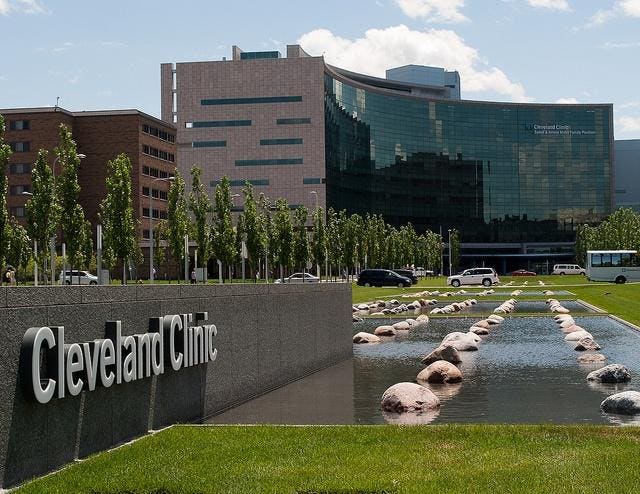
Cleveland Clinic, a renowned medical institution, is harnessing the power of artificial intelligence (AI) to revolutionize diagnostics and improve patient outcomes. By leveraging machine learning algorithms, the clinic is enhancing diagnostic accuracy, speed, and efficiency, ultimately leading to better patient care.
One of the key areas where AI is making a significant impact is in image analysis. For instance, AI-powered computer vision algorithms can quickly and accurately analyze medical images such as X-rays, CT scans, and MRIs to detect abnormalities and diagnose conditions like cancer, cardiovascular disease, and neurological disorders.
At Cleveland Clinic, AI is being used to analyze medical images and identify potential health issues before they become serious problems. For example, an AI-powered system can be trained to detect breast cancer from mammography images, reducing the time it takes to diagnose the condition and enabling earlier treatment.
Furthermore, AI is also being used to analyze large amounts of clinical data to identify patterns and correlations that may not be apparent to human clinicians. This can help doctors to make more accurate diagnoses and develop more effective treatment plans.
The use of AI in diagnostics is not limited to image analysis. AI-powered chatbots are being used to engage patients and gather information about their symptoms, medical history, and other relevant details. This information can be used to develop personalized treatment plans and improve patient outcomes.
In addition, AI is being used to analyze electronic health records (EHRs) to identify high-risk patients and develop targeted interventions to prevent hospital readmissions and other adverse events.
- AI-powered image analysis can enhance diagnostic accuracy and speed, leading to better patient outcomes.
- AI can analyze large amounts of clinical data to identify patterns and correlations that may not be apparent to human clinicians.
- AI-powered chatbots can engage patients and gather information about their symptoms, medical history, and other relevant details.
- AI can analyze EHRs to identify high-risk patients and develop targeted interventions to prevent hospital readmissions and other adverse events.
Streamlining Operations: Improving Efficiency and Patient Flow through Automation
Cleveland Clinic is also leveraging AI to streamline operations, improve efficiency, and enhance patient flow. By automating routine tasks and processes, the clinic is freeing up staff to focus on more complex and high-value tasks that require human judgment and expertise.
One example of AI-powered automation is in the clinic’s scheduling and appointment management system. AI can analyze patient data and preferences to optimize scheduling and reduce wait times, ensuring that patients receive timely and high-quality care.
Furthermore, AI is being used to automate mundane tasks such as data entry, billing, and insurance processing, reducing administrative burdens and allowing staff to focus on more critical tasks.
AI is also being used to optimize supply chain management, reducing waste and improving inventory management. This can help reduce costs and improve patient care.
In addition, AI-powered analytics are being used to identify areas of inefficiency and waste, enabling the clinic to make data-driven decisions to improve operations and reduce costs.
- AI-powered automation can streamline operations, improve efficiency, and enhance patient flow.
- AI can optimize scheduling and appointment management, reducing wait times and ensuring timely care.
- AI can automate mundane tasks such as data entry, billing, and insurance processing.
- AI can optimize supply chain management, reducing waste and improving inventory management.
Personalized Medicine: Tailoring Treatment Plans with AI-Powered Insights
Cleveland Clinic is harnessing the power of AI to develop personalized treatment plans that are tailored to individual patients’ needs and preferences. By analyzing large amounts of clinical data, AI can identify patterns and correlations that may not be apparent to human clinicians, enabling the development of more effective treatment plans.
One example of personalized medicine is in the clinic’s use of AI-powered genomics. By analyzing patients’ genetic profiles, AI can identify genetic variants associated with specific diseases or conditions, enabling the development of targeted treatments and therapies.
Furthermore, AI is being used to analyze electronic health records (EHRs) to identify high-risk patients and develop targeted interventions to prevent hospital readmissions and other adverse events.
AI-powered analytics are also being used to identify patients who may benefit from specific treatments or therapies, enabling clinicians to develop more effective treatment plans and improve patient outcomes.
In addition, AI is being used to develop precision medicine strategies that take into account individual patients’ genetic profiles, medical history, and other relevant factors.
- AI-powered personalized medicine can develop tailored treatment plans that are tailored to individual patients’ needs and preferences.
- AI can analyze patients’ genetic profiles to identify genetic variants associated with specific diseases or conditions.
- AI can analyze EHRs to identify high-risk patients and develop targeted interventions.
- AI-powered analytics can identify patients who may benefit from specific treatments or therapies.
Overcoming Challenges: Navigating the Path to AI Adoption
Data Security and Privacy: Addressing Concerns and Implementing Robust Protections
Cleveland Clinic recognizes the importance of data security and privacy in AI adoption. To address these concerns, the clinic is implementing robust protections to ensure the confidentiality, integrity, and availability of sensitive patient data.
One example of data protection is the use of encryption technology to secure patient data in transit and at rest. Additionally, AI-powered data analytics can identify potential security threats and alert clinicians to take action.
Furthermore, Cleveland Clinic is implementing strict data governance policies to ensure that patient data is handled in accordance with regulatory requirements and industry best practices.
In addition, the clinic is investing in employee education and training to ensure that staff understand the importance of data security and privacy and can take steps to protect patient data.
- Cleveland Clinic is implementing robust protections to ensure data security and privacy.
- Encryption technology is being used to secure patient data in transit and at rest.
- AI-powered data analytics can identify potential security threats and alert clinicians.
- Data governance policies are being implemented to ensure compliance with regulatory requirements.
Bridging the Skills Gap: Investing in Training and Education for Healthcare Professionals
Cleveland Clinic recognizes the need to bridge the skills gap in AI adoption. To address this challenge, the clinic is investing in training and education for healthcare professionals to ensure they have the necessary skills to work effectively with AI systems.
One example of training and education is the clinic’s AI Bootcamp, which provides healthcare professionals with hands-on experience working with AI systems and developing AI-powered solutions.
Furthermore, Cleveland Clinic is partnering with academic institutions and industry partners to develop AI-focused educational programs that meet the needs of healthcare professionals.
In addition, the clinic is providing ongoing support and resources to help healthcare professionals overcome challenges and stay up-to-date with the latest developments in AI.
- Cleveland Clinic is investing in training and education for healthcare professionals.
- The AI Bootcamp provides healthcare professionals with hands-on experience working with AI systems.
- The clinic is partnering with academic institutions and industry partners to develop AI-focused educational programs.
- Ongoing support and resources are being provided to help healthcare professionals stay up-to-date with the latest developments in AI.
Regulatory Landscape: Staying Ahead of the Curve and Ensuring Compliance
Cleveland Clinic recognizes the complexities of the regulatory landscape in AI adoption. To stay ahead of the curve and ensure compliance, the clinic is working closely with regulatory agencies and industry partners to understand the latest developments and requirements.
One example of regulatory compliance is the clinic’s use of AI-powered risk management systems to identify potential regulatory risks and ensure compliance with industry standards and regulations.
Furthermore, Cleveland Clinic is implementing robust governance policies and procedures to ensure that AI systems are developed and deployed in accordance with regulatory requirements.
In addition, the clinic is investing in employee education and training to ensure that staff understand the importance of regulatory compliance and can take steps to ensure compliance.
- Cleveland Clinic is working closely with regulatory agencies and industry partners to understand the latest developments and requirements.
- Ai-powered risk management systems are being used to identify potential regulatory risks and ensure compliance.
- Rigorous governance policies and procedures are being implemented to ensure AI system compliance.
- Employee education and training are being invested in to ensure staff understand the importance of regulatory compliance.
Conclusion
Conclusion: Breaking Down Barriers, Illuminating a Brighter Future
As we reflect on our in-depth exploration of the Cleveland Clinic’s transformative shadowing experience, it’s clear that this innovative approach has far-reaching implications for healthcare technology adoption. By fostering hands-on learning and collaboration between healthcare professionals and technology experts, the clinic has successfully uncovered and bridged the technology barriers that often hinder the implementation of life-changing innovations. Our key takeaways from this article underscore the significance of this initiative, highlighting the importance of human-centered design, effective communication, and a willingness to adapt in the pursuit of technological excellence. By prioritizing the needs and experiences of both clinicians and patients, the Cleveland Clinic has set a new standard for technology adoption in healthcare, paving the way for improved patient outcomes and enhanced care delivery.
The implications of this shadowing experience extend far beyond the Cleveland Clinic’s walls, with potential applications in various industries and settings. As technology continues to evolve at an unprecedented pace, it’s essential that we prioritize human-centered approaches to development, deployment, and adoption. By doing so, we can break down the silos that often separate healthcare professionals, technologists, and patients, fostering a more collaborative and effective ecosystem. As we look to the future, it’s clear that the Cleveland Clinic’s innovative approach will inspire a new wave of healthcare technology leaders, who will harness the power of collaboration, empathy, and human-centered design to create a brighter, more patient-centered future.
In conclusion, the Cleveland Clinic’s shadowing experience serves as a powerful reminder of the transformative potential of collaboration and human-centered design in healthcare technology adoption. As we embark on this journey together, let us remain committed to the pursuit of innovation, driven by a shared passion for improving patient lives and outcomes. By embracing this vision, we can unlock the full potential of technology to revolutionize healthcare, one shadowing experience at a time.