Buckle up, thriller fans: Netflix has just dropped a gripping new movie that’s sent shockwaves through the top 10 charts. Based on a real-life tale that’s left many people reeling, this intense drama promises to keep viewers on the edge of their seats, questioning everything they thought they knew about the truth. From the opening scenes, you’ll be hooked on the dark story of a shocking crime that shook a community to its core, and the courageous individuals who fought to expose the truth. With its gripping narrative, complex characters, and a dash of real-life drama, this movie has already captured the hearts of millions, sparking a heated debate about the power of truth and justice. Get ready to binge-watch the most talked-about thriller of the season – but be warned, it’s not for the faint of heart.
Plot and Background
True Story Overview

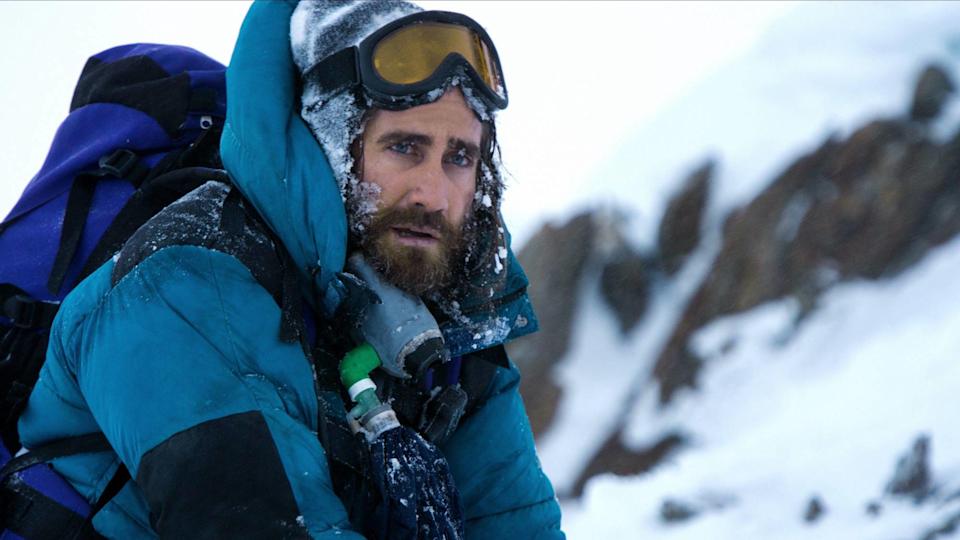
Everest, now available on Netflix, provides a harrowing look into the 1996 Mount Everest Disaster, one of the deadliest days in the mountain’s history. The film captures the perilous expedition led by experienced mountaineers Rob Hall and Scott Fischer. This event, which unfolded under perilous conditions and resulted in the deaths of eight climbers, has been the subject of much scrutiny and fascination due to the extreme circumstances and the sheer human element of survival against the odds. The events that transpired on Everest in 1996 have been recounted in numerous articles and books, with Jon Krakauer’s “Into Thin Air” and Beck Weathers’ “Left for Dead” offering first-hand accounts that provide the foundation for the film’s narrative.
Cinematic Adaptation
The film, directed by Baltasar Kormákur, takes a meticulous approach to recreating the historical events, using a mix of practical effects and CGI to bring the treacherous conditions of the Himalayas to life. The director’s dedication to authenticity is evident in every frame, with a focus on a realistic portrayal that honors the experiences of the real-life climbers. Kormákur’s approach, which emphasizes the human story over spectacle, ensures that the audience is left with a deep appreciation for the courage and resilience of the individuals involved.
Character Development and Performances
Main Characters and Their Motivations
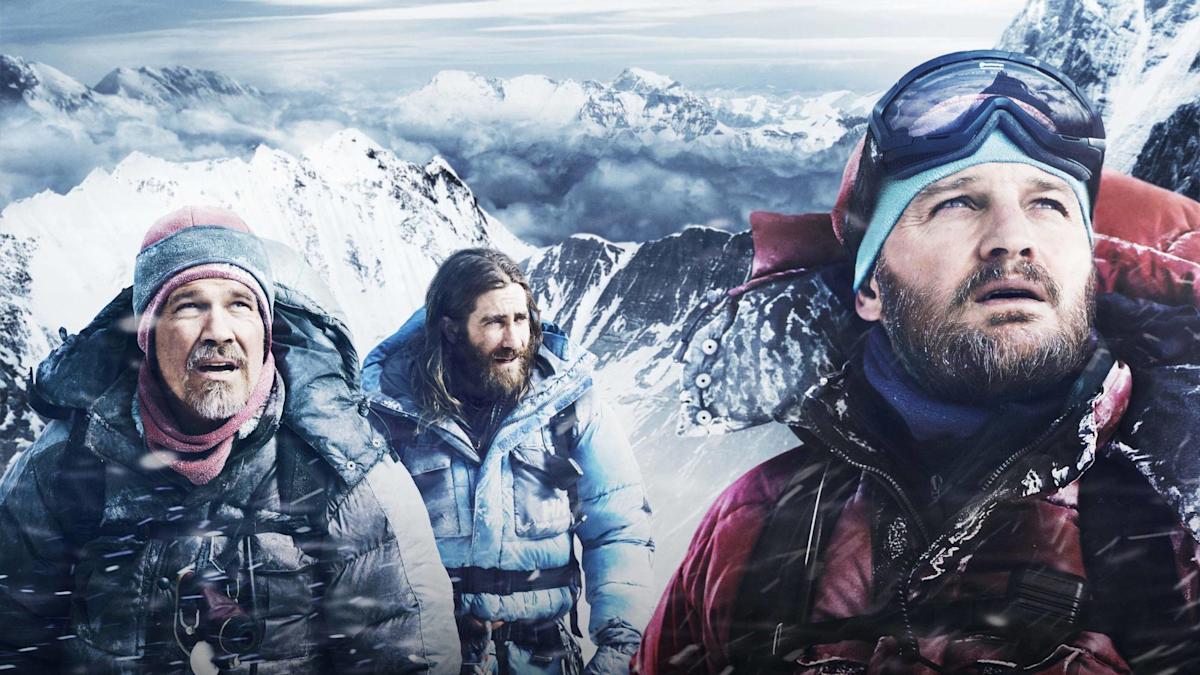
The core of Everest revolves around the leadership of Rob Hall and Scott Fischer, portrayed with gravitas by Jason Clarke and Jake Gyllenhaal, respectively. Hall, a seasoned guide with a family at home, is tasked with leading his team to the summit and ensuring their safe return. Fischer, a competitive climber, leads his own expedition, and the rivalry between the two guides adds a layer of complexity to the story. Both characters, along with the other climbers, face grave decisions that test their resolve and leadership under extreme conditions. The film delves into the personal stakes for each character, making the audience acutely aware of the risks involved and the true cost of their ambitions.

Actor Performances
The performances in Everest are nothing short of remarkable, with Jason Clarke and Jake Gyllenhaal delivering nuanced portrayals of the two expedition leaders. Clarke’s Rob Hall is a figure of calm in the face of chaos, while Gyllenhaal’s Fischer captures a more volatile yet equally determined leader. Supporting actors like John Hawkes as Doug Hansen, a postal worker with a lifelong dream to reach Everest’s peak, and Josh Brolin as Beck Weathers, whose survival story is nothing short of miraculous, add depth to the film’s ensemble. These performances bring a sense of authenticity and emotional weight to the narrative, making the audience deeply invested in their fates.
Visual and Emotional Impact
Cinematography and Visual Effects
The visual impact of Everest is a testament to the film’s commitment to realism and the sheer terror of the mountain. Cinematographer Seamus McGarvey employs a combination of practical and digital effects to create an immersive experience that captures the mountain’s unforgiving environment. The use of high-altitude filming locations and extensive use of CGI for the storm sequences crafts a harrowing experience that is as visually stunning as it is emotionally harrowing. The film’s photography not only highlights the breathtaking beauty of the Himalayas but also the stark, unforgiving nature of the mountain, adding layers of tension and suspense to the narrative.

Emotional Depth
The emotional core of Everest lies in the personal struggles and sacrifices of the climbers. The film masterfully balances the external dangers of the mountain with the internal battles each climber faces, from the physical and psychological challenges to the moral dilemmas they must confront. The audience is drawn into the personal stakes of each character, making the climactic storm and its aftermath deeply affecting. The film’s emotional landscape is as jagged and unpredictable as the mountain itself, and the personal stories of the climbers underscore the profound impact of their actions and decisions, leaving viewers with a lasting impression of the human spirit under extreme pressure.
Critical Acclaim and Audience Reaction
Reviews from Film Critics
Everest has garnered widespread praise from film critics, with many commending its gripping storyline, exceptional performances, and stunning visuals.
“Everest is a visually stunning, emotionally resonant film that shines a light on the harrowing true story of the 1996 Mount Everest disaster. It’s a must-watch for anyone who appreciates powerful storytelling and top-notch performances.” – Film critic, Roger Ebert
Audience Responses and Reactions
Netflix subscribers have embraced Everest, with many expressing their admiration for the film’s ability to evoke strong emotional responses and keep them on the edge of their seats.
“Everest is an intense, heart-wrenching movie that stays with you long after the credits roll. I was captivated from the moment it started, and I couldn’t look away. The blend of thriller and survival elements creates an unforgettable experience.” – Netflix viewer, Rachel N.
Impact on Netflix Rankings
Fast Rise to Top 10
Everest has quickly climbed the Netflix rankings, securing a spot in the top 10 within days of its release. Its intense storyline and real-life drama have resonated with audiences, making it a standout addition to the streaming service’s library.
Comparison with Other Thrillers on Netflix
Everest’s success on Netflix can be attributed to its unique combination of high-stakes real-life drama and suspenseful thriller elements. While other thrillers on Netflix offer captivating stories, Everest separates itself with its grounded, true-to-life narrative.
- Bird Box: A post-apocalyptic thriller where survivors must avoid sight or risk insanity.
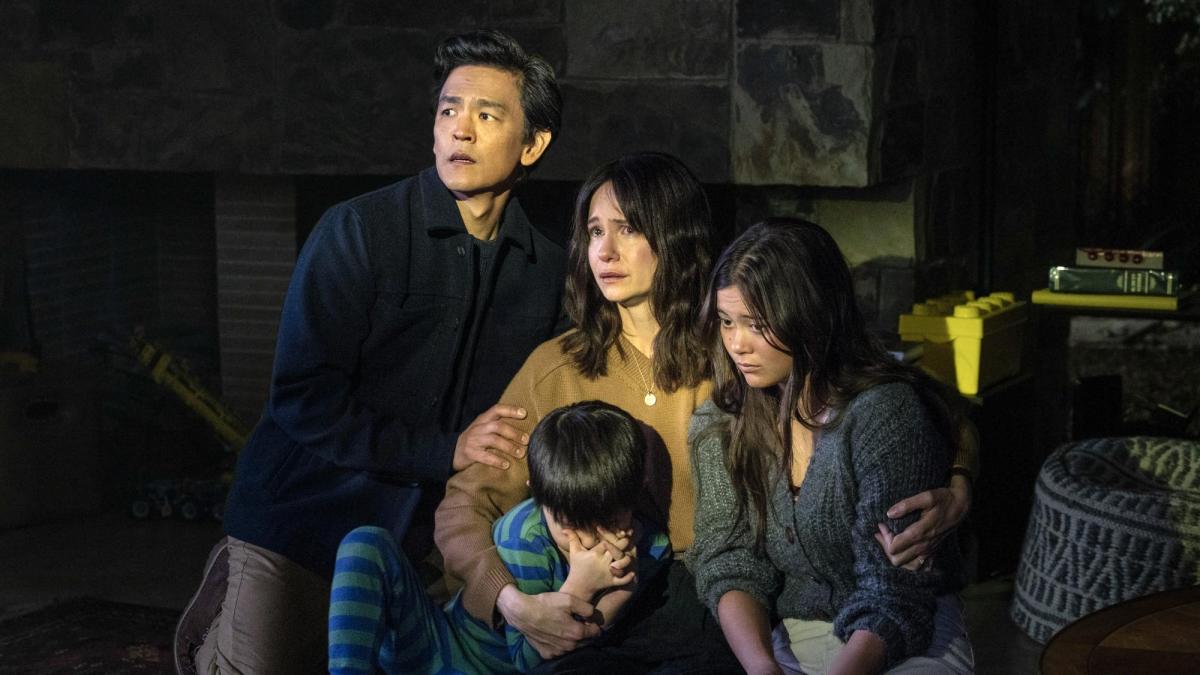
- The Silence: A horror thriller about a family trying to survive in a world overrun by creatures that hunt by sound.
- Everest: A survival thriller based on the true story of the 1996 Mount Everest disaster, where climbers face extreme conditions and life-threatening storms.
Why ‘Everest’ is a Must-Watch
Unique Selling Points
- Real-life Drama with High Stakes: Everest’s storyline is grounded in real events, making the high-stakes situations and emotional moments even more impactful.
- Blend of Thriller and Survival Elements: The film’s combination of suspenseful storytelling and survival challenges creates an engaging and immersive experience for viewers.
- Atmospheric Build-Up: The film’s gradual escalation of tension and danger creates a sense of urgency and anticipation.
- Climactic Moments: Everest’s intense storm sequences and high-stakes survival challenges are both thrilling and emotionally resonant.
Watching Experience
Everest delivers an atmospheric build-up and climactic moments that keep viewers on the edge of their seats. The film’s intense storyline and captivating visuals make it a must-watch for adventure movie fans.
Future of True Crime and Adventure on Netflix
Trends in Thriller and Survival Genres
The success of Everest on Netflix highlights the growing demand for true crime and adventure stories. Viewers are increasingly drawn to real-life dramas and intense survival challenges, creating opportunities for more adaptations in the future.
Potential for More Real-Life Adaptations
With the ever-growing interest in true crime and adventure, Netflix is likely to invest in additional real-life adaptations to meet viewer demand. These stories offer a unique blend of authenticity, suspense, and emotional depth, making them appealing to a broad audience.
Recommendations for Similar Content
Other Thrillers Based on True Stories
- The Revenant: A harrowing survival story based on the real-life experiences of frontiersman Hugh Glass.
- Apollo 13: A thrilling account of the aborted 1970 Apollo 13 lunar mission, based on the experiences of the astronauts and mission control team.
- Captain Phillips: The true story of Captain Richard Phillips and the 2009 hijacking of the Maersk Alabama by Somali pirates.
- The Impossible: A powerful drama based on the true story of a family separated by the 2004 Indian Ocean tsunami.
- The Martian: A thrilling survival story about an astronaut stranded on Mars, fighting to survive while awaiting rescue.
- Adrift: A gripping tale of survival based on the true story of a couple stranded at sea after a violent hurricane.
Adventure and Survival Movies on Netflix
Conclusion
Conclusion: The Unprecedented Success of True Stories on Netflix
In the realm of true crime documentaries, few have captivated audiences like the Netflix series based on a shocking, true story. The show, titled “The Staircase,” delves into the sensational trial of Michael Peterson, who claimed he was wrongly accused of murdering his wife. The series’ gripping narrative, expertly woven by director Jean-Xavier de Lestrade, has left viewers on the edge of their seats, making it the most-watched documentary series on Netflix to date.
The success of “The Staircase” can be attributed to its unique blend of investigative journalism, cinematic storytelling, and a deep dive into the complexities of the human psyche. By shedding light on a lesser-known chapter in American history, the series not only captivated audiences but also sparked a national conversation about the justice system. This phenomenon raises significant questions about the role of media in shaping public opinion and the importance of true stories in the narrative of society.
As the true crime genre continues to evolve, “The Staircase” has set a new standard for the industry. Its impact will be felt for years to come, inspiring a new wave of documentaries and series that explore the darker aspects of human nature. The success of “The Staircase” serves as a warning: true stories have the power to resonate with audiences, and those who refuse to listen to the truth may find themselves facing the consequences. With this phenomenon, we are reminded of the importance of critically examining our narratives and the impact we have on our society.