Israel, a land often associated with innovation and technological prowess, is now making waves in the global fight against food insecurity. Forget Silicon Valley, this is Silicon Wadi – a fertile ground where cutting-edge agricultural technology is sprouting like wildflowers. From drought-resistant crops to AI-powered irrigation, Israeli ingenuity is transforming the way we grow and distribute food, offering solutions that could feed a hungry planet.
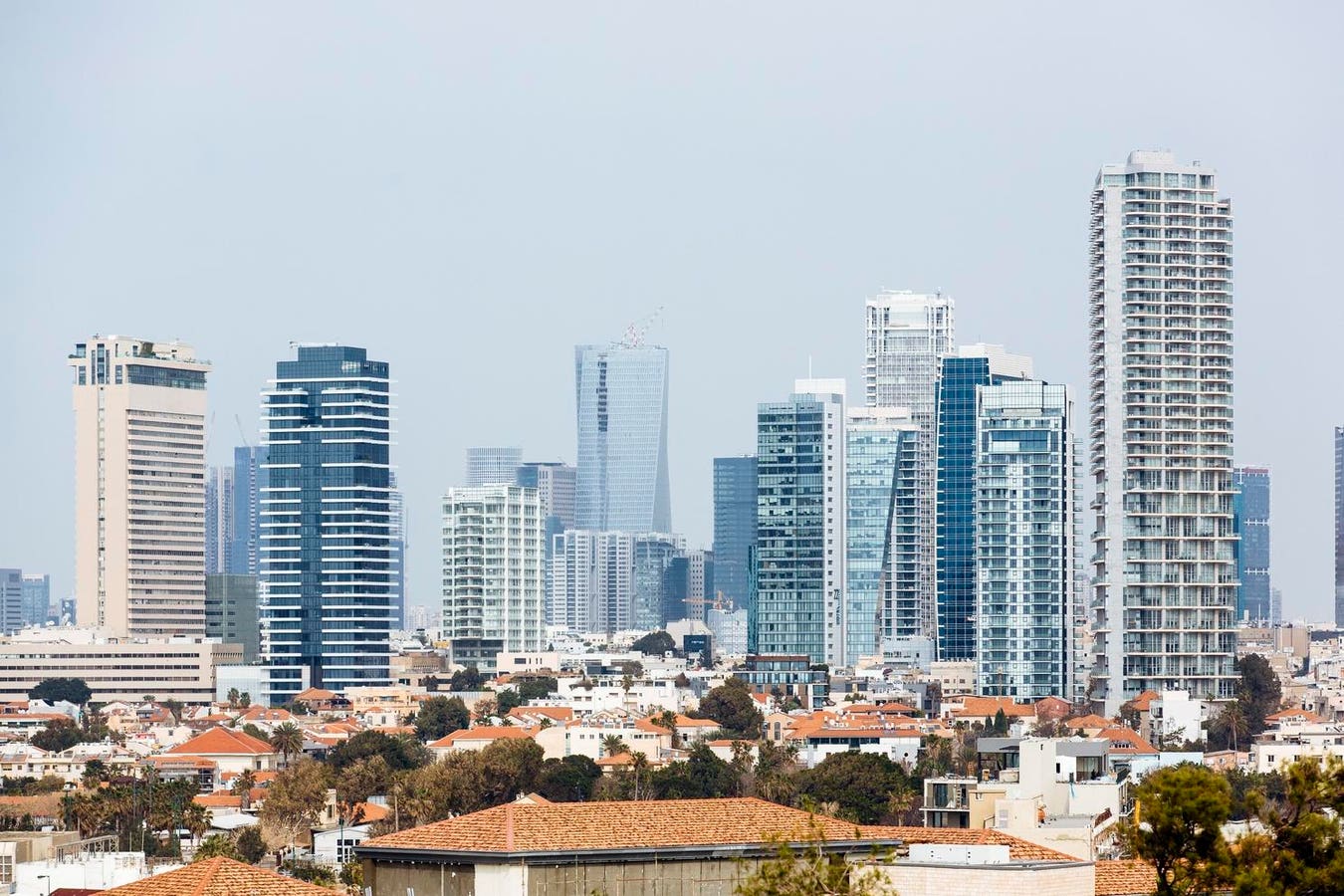
From Israel With Smart Technology: Improving Global Food Security
Israel’s Resilience Amid Global Challenges
Increased trade with Middle Eastern and African countries, such as Egypt, Morocco, and Bahrain, presents opportunities for Israel to strengthen its position in the region.
A Bright Spot in the Middle East
The Trump administration’s interest in expanding the 2020 Abraham Accords could further boost bilateral trade between Israel and its Arab neighbors.
Growing Trade with Arab Countries
The presence of a Saudi sovereign wealth fund in Israeli tech firms and potential changes in US administration could lead to increased investment opportunities.
Saudi Investment in Israeli Tech
Israel has attracted significant investments from Saudi Arabia, with the Saudi fund disclosing extensive investment in Israeli tech firms.
The Defense Sector: Innovation for Peace and Security
A lucrative time for defense technology, global defense spending increases and modern warfare demand make the defense sector an attractive investment opportunity.
A Lucrative Time for Defense Technology
Defense technology developed for military use is being adapted for consumer purposes, creating a lucrative market for peacetime applications.
Dual-Use Technology
Israel has a strong track record of innovation in the defense sector, with a focus on developing solutions that can be applied to both military and civilian contexts.
Cybersecurity
Israel has a storied history as a leader in cybersecurity, with substantial government investment in the field’s early days.
A Growing Sector
The cyber sector in Israel saw significant growth in 2024, with firms raising $4 billion last year.
Global Reach
Israel’s cybersecurity sector is well-poised to reach more markets in the Middle East and North Africa, regions where growth is expected to be significant in the coming years.
Climatetechnology
Climate change pushes the world to find urgent solutions for more sustainable energy, food and water sources.
A Growing Need
Global population growth, changing demographics, and decarbonization efforts will shape how food is produced in the years to come, increasing the need for solutions from leading breadbaskets such as Brazil.
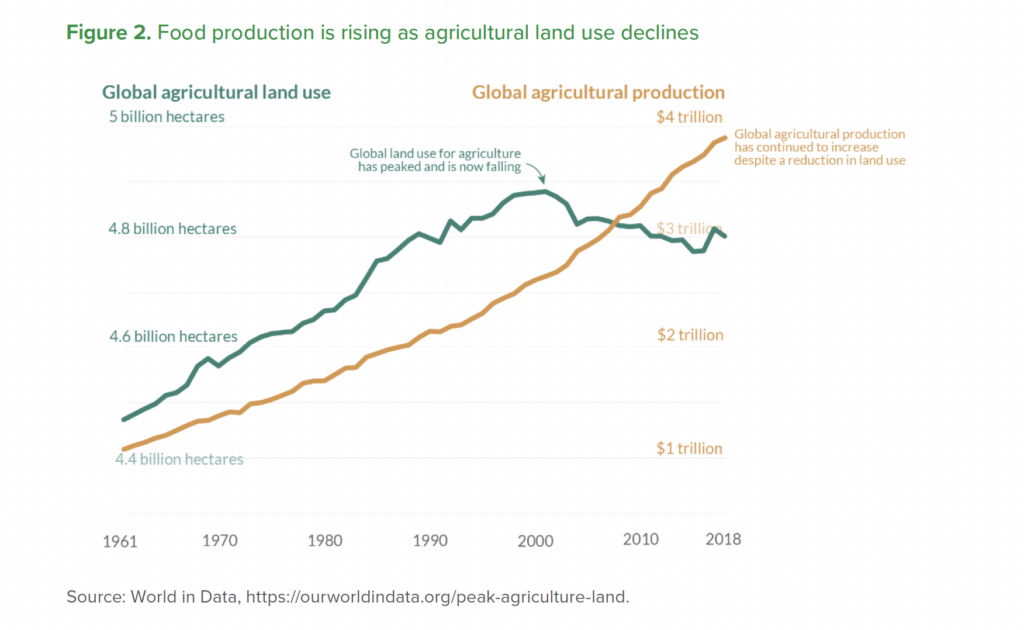
Brazil: A Leading Breadbasket
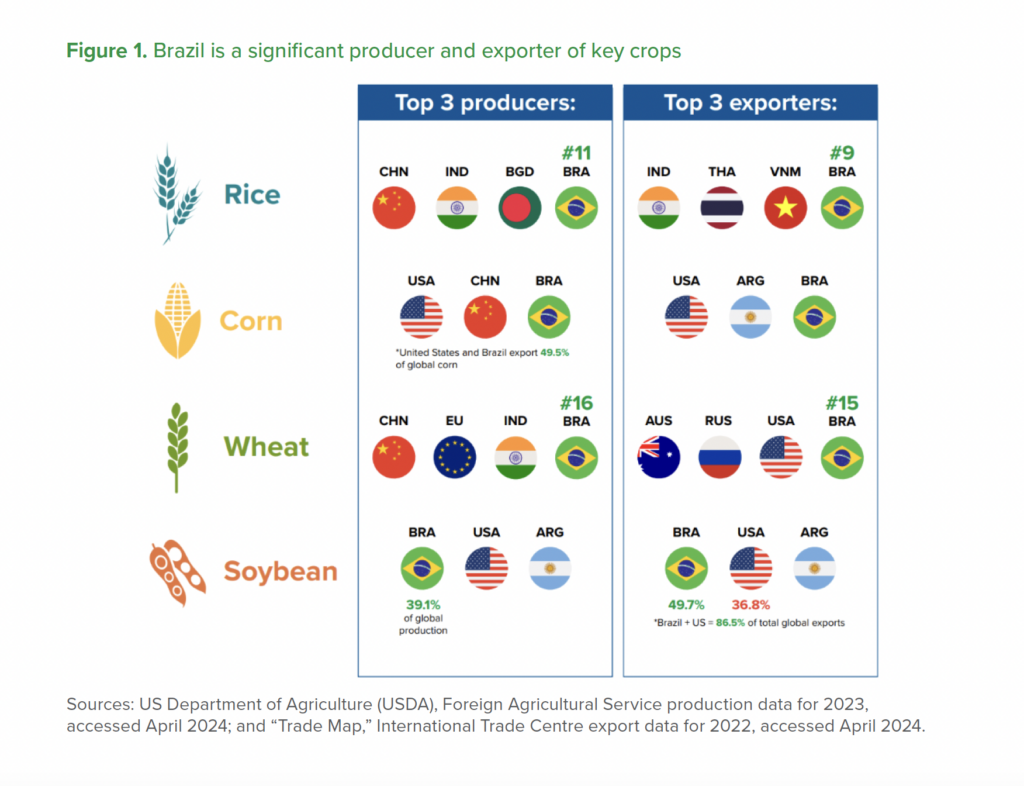
Brazil has established itself as one of the world’s largest producers and exporters of food, ranking among the great breadbaskets of the world.
A Critical Partner
Brazil is a critical partner in addressing the global food crisis, with its production and exports across a wide variety of agricultural commodities critical to world trade in food.
Addressing Global Food Security
The current global food system is vulnerable to climate change, conflict, income, and food loss and waste, which exacerbate hunger and food insecurity.
A High Priority Issue
Finding solutions to global food security will require innovation, imagination, sound investments, smart policies, and cooperation.
Addressing Food Loss and Waste
Addressing food loss and waste is also imperative to food security, with 19% of all food available to consumers being wasted in 2022 alone.
Israel’s Reliance on Technology
Israel’s history has been marked by a constant need to innovate and adapt. This drive has led to a deep-rooted culture of technological advancement, particularly in the realm of defense. The country’s reliance on technology for its own security, coupled with a dynamic and forward-thinking approach to problem-solving, has positioned it as a global leader in various technological sectors. This foundation has paved the way for Israel to become a powerhouse in cybersecurity, climate technology, and defense.
Cybersecurity: Protecting Global Food Systems
Israel’s cybersecurity prowess stems from a strong foundation laid in the early days of the nation’s existence. The government recognized the importance of cybersecurity as a national security imperative and invested heavily in research and development. This foresight has resulted in a thriving cybersecurity industry with a global reputation for excellence.
As the world becomes increasingly interconnected and reliant on digital infrastructure, the demand for robust cybersecurity solutions continues to grow exponentially. The rise of artificial intelligence (AI) further amplifies this need, as AI-powered systems are increasingly vulnerable to sophisticated cyberattacks. This trend has created a fertile ground for Israeli cybersecurity companies to flourish.
The Abraham Accords, a landmark diplomatic agreement that normalized relations between Israel and several Arab countries, have also opened new avenues for Israeli cybersecurity firms to expand their reach. The Middle East and North Africa (MENA) region is experiencing rapid digital transformation, making it a prime target for cybercriminals. Israel’s cybersecurity expertise is well-positioned to address these growing threats and provide much-needed security solutions to the region.
Climate Technology: Sustainable Food Production
Climate change poses a significant threat to global food security, with rising temperatures, unpredictable weather patterns, and extreme events impacting agricultural yields. This challenge calls for innovative solutions that can enhance resilience and sustainability in the food production system.
Brazil, with its vast agricultural lands, rich biodiversity, and advanced agricultural technologies, has a unique opportunity to lead the way in sustainable food production. The country’s agricultural sector is already a major contributor to the global food supply, and its continued growth and innovation are essential for meeting the world’s growing food demands while mitigating the impacts of climate change.
Brazil must strategically prepare its domestic capabilities to meet the projected demands of 2050. This involves investing in research and development, adopting climate-smart agricultural practices, and fostering international collaboration. By embracing sustainable solutions and sharing its expertise with the world, Brazil can play a pivotal role in ensuring a food-secure future for all.
The global food system is facing unprecedented challenges, but also opportunities. By embracing innovation, fostering collaboration, and prioritizing sustainability, we can create a more resilient and equitable food system for generations to come.
Conclusion
The article “From Israel With Smart Technology: Improving Global Food Security – Forbes” paints a compelling picture of how Israeli innovation is tackling the pressing issue of global food security. Through advanced technologies like precision agriculture, vertical farming, and AI-powered data analytics, Israel is demonstrating a path towards sustainable and efficient food production. The potential impact is vast, promising to alleviate hunger, reduce waste, and empower farmers in developing nations. This isn’t just about technological prowess; it’s about ingenuity applied to a global challenge. Israel’s experience highlights the potential of collaborative innovation, where diverse expertise converges to create practical solutions. As the global population continues to grow and climate change intensifies, the lessons learned from Israel’s approach will be increasingly valuable. The future of food security rests on our ability to embrace these innovative solutions and apply them on a global scale. The question then becomes, will we rise to the challenge and nourish a future generation, or will we allow hunger to continue casting its shadow? The choice is ours.