The digital hum of news feeds is often drowned out by the cacophony of everyday life. But today, the static crackles with a chilling urgency. Israel’s recent aerial bombardment of Gaza, a relentless barrage that has claimed hundreds of lives, has thrust the region back into the agonizing spotlight.
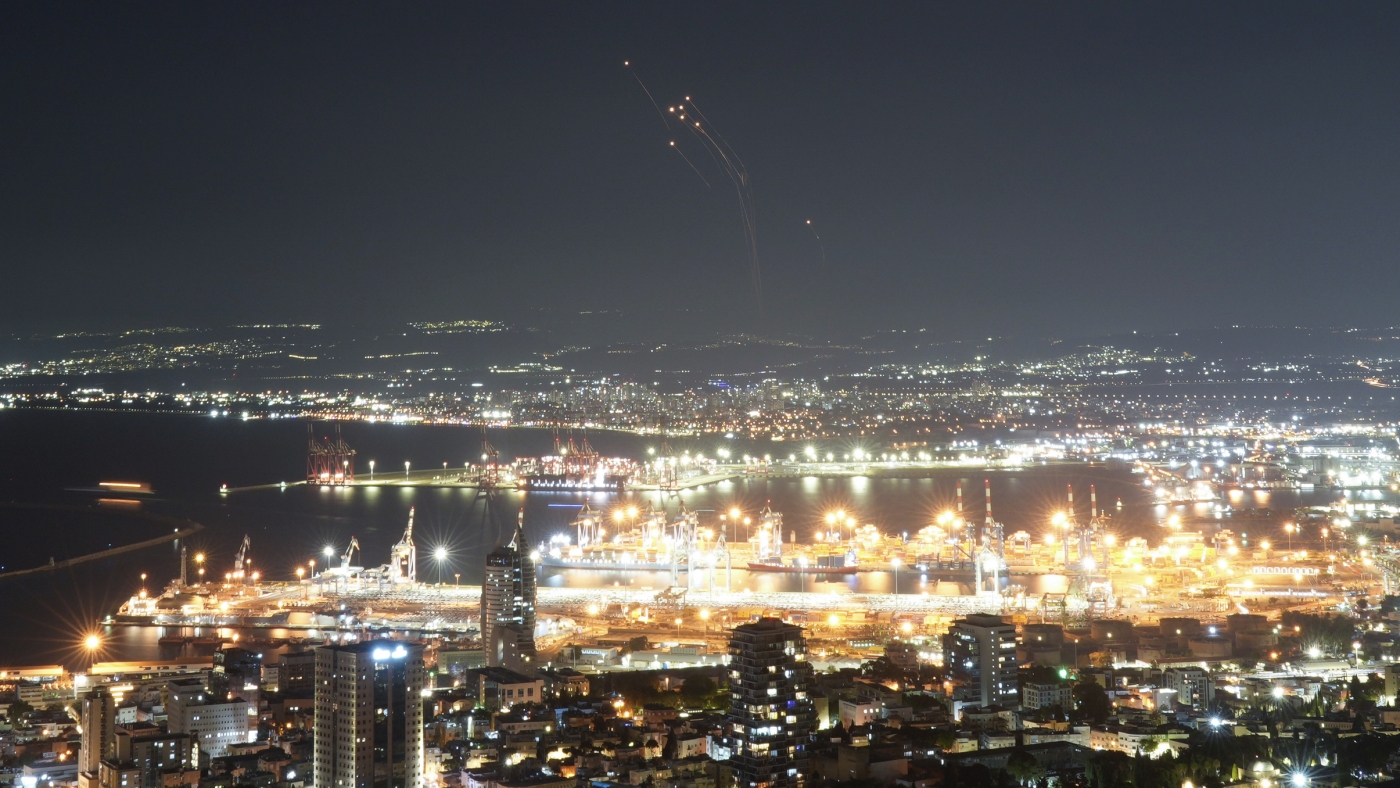
The Gaza Escalation: A Cyberwar on the Horizon?
The recent surge in violence between Israel and Hamas, with the death toll in Gaza exceeding 410 people, has pushed the region closer to a full-scale war. This escalation has ignited concerns about a potential cyberwar, where both sides could leverage digital capabilities to inflict damage and disrupt critical infrastructure. The high-stakes conflict presents a unique opportunity to analyze the role of cyberwarfare in modern asymmetric warfare and its potential impact on civilian populations.
Death Toll Rises as Israel Launches Massive Airstrikes
The Israeli Defense Forces (IDF) conducted a series of targeted airstrikes across Gaza, primarily aimed at senior Hamas officials and their infrastructure. As the death toll continues to climb, the strikes represent a significant escalation of the conflict. These strikes come after a surge in rocket attacks from Gaza into Israel, prompting fears of a wider war.
According to Geeksultd’s sources, Israeli Defense Minister Israel Katz stated that the attacks targeted Hamas because the group was refusing to release more hostages captured in the October 7, 2023, attack on Israel. The Israeli operation appears focused on mid-ranking militant commanders and leadership officials to degrade Hamas’s ability to build up its forces and rearm.
Hamas responded with rocket fire into Israel, accusing Israel of breaking the ceasefire agreement and endangering the lives of Israeli hostages held in Gaza. The international community has condemned the violence, with calls for restraint from both sides. The U.N. Security Council convened an emergency meeting to discuss the situation.
A Delicate Dance of Diplomacy: Hostages, Ceasesfires, and a Fragile Peace
The escalating violence throws into question the fragile peace that was attempted to be established through a series of negotiations between Israel and Hamas. In mid-January, Israel and Hamas agreed to a six-week ceasefire, which included the release of 33 Hamas hostages from Israeli custody in exchange for the release of close to 2,000 Palestinian prisoners held in Israeli prisons.
However, this initial phase did not lead to a permanent end of the conflict, as Israel demanded more hostages be released before entering end-of-war talks. Israel subsequently began blocking food, fuel, electricity, aid, and medical supplies to Gaza to pressure Hamas into compliance.
The Hostage Dilemma
The fate of Israeli hostages held by Hamas hangs over the conflict, shaping the trajectory of negotiations and escalating tensions. Israel insists on unconditional release of all hostages before engaging in discussions about a permanent ceasefire. This stance reflects a deeply held belief that the safety and well-being of its citizens must be paramount. Hamas, however, demands concessions on other issues as part of any agreement, further complicating the process. This impasse creates a dangerous stalemate, with both sides unwilling to budge on core demands.
The emotional weight of this hostage situation is palpable. Families of the missing Israelis plead for their loved ones’ safe return, while Hamas uses the hostages as leverage to advance its political agenda. This delicate balance between humanitarian concerns and strategic objectives makes finding a solution all the more challenging.
Ceasefire Talks Falter
Efforts to achieve a lasting ceasefire have faltered, highlighting the fragility of the peace process. Recent mediation attempts, aimed at jumpstarting negotiations and ending the cycle of violence, have broken down amidst accusations of broken agreements and continued hostilities. Both sides blame each other for escalating the conflict, fueling a dangerous spiral of distrust and animosity.
The breakdown of these negotiations underscores the deep-seated divisions between Israel and Hamas. While both parties may ostensibly desire peace, their differing interpretations of what constitutes a just and lasting solution create a significant obstacle to progress. This lack of trust makes it difficult to build a foundation for meaningful dialogue and sustainable peace.
The Shadow of Iran
Iran’s involvement in the conflict adds another layer of complexity, raising concerns about a wider regional war. Iran has provided material and financial support to Hamas and Hezbollah, two militant groups engaged in active conflict with Israel. This support, coupled with Iran’s rhetoric and actions, has heightened tensions and increased the risk of a broader regional conflagration.
Iran’s stated aim is to weaken Israel’s regional influence and challenge its security. It views the conflict as an opportunity to advance its own strategic interests and exert pressure on the United States and its allies. This regional power struggle has significant implications for global security, as a wider war could have devastating consequences for the entire Middle East and beyond.
The Cyber Front: A New Battlefield in the Making
As the conflict escalates, the cyber domain emerges as a critical battleground. Hamas, while primarily known for its military operations, has developed a sophisticated cyber program. This program could be used to launch devastating attacks against Israeli infrastructure, disrupt communication networks, and spread propaganda, potentially amplifying the conflict’s impact.
Israel, on the other hand, boasts one of the most advanced cyber defense systems in the world. However, the escalating conflict raises the stakes, increasing the likelihood of successful cyberattacks. Israel’s robust cyber defenses are essential to mitigating the potential damage from these attacks, but their effectiveness will be tested as the conflict intensifies.
The Potential for Escalation
A successful cyber attack could have catastrophic consequences, potentially triggering further violence and instability. The blurring of lines between physical and cyber warfare raises the risk of an unintended escalation, with both sides potentially responding with disproportionate force. It is imperative for both Hamas and Israel to exercise restraint and avoid actions that could escalate the conflict into a full-blown cyber war.
The cyber front presents a unique challenge in this conflict. Traditional military tactics may not be sufficient to address the evolving nature of cyber warfare. Both sides need to develop innovative strategies and invest in advanced cyber capabilities to protect their critical infrastructure and ensure the safety of their citizens.
Conclusion
The recent Israeli airstrikes on Gaza, resulting in a tragic loss of life, paint a stark picture of escalating tensions in the region. NPR’s report highlights the devastating human cost of this conflict, emphasizing the vulnerability of civilians caught in the crossfire. The article also delves into the political complexities surrounding the situation, exploring the historical grievances and the ongoing struggle for self-determination. It underscores the urgent need for a peaceful resolution, questioning the efficacy of military solutions in achieving lasting stability. This tragedy compels us to confront the enduring challenges of conflict resolution in the Middle East. The cycle of violence, fueled by deeply rooted animosity and a lack of trust, continues to claim countless lives. The international community must actively engage in fostering dialogue and promoting diplomatic solutions. The path to peace is arduous, but it is the only path that can ultimately break free from this devastating cycle. Only through genuine understanding and a commitment to coexistence can we hope to build a future where the horrors of war are relegated to the history books.