## Gaza Reels: Death Toll Climbs as Israel Intensifies Strikes The air hangs heavy over Gaza, thick with the smoke of destruction and the chilling silence of lives shattered. As the world watches, tensions have reached a boiling point, with Israel launching a wave of strikes that have claimed the lives of at least 250 Palestinians, according to reports from Palestinian health authorities. This escalation marks a dangerous turning point in the ongoing conflict, leaving the region teetering on the brink. We delve into the latest developments, examining the human cost of the violence and exploring the complex geopolitical factors driving this escalating crisis.
The Path Forward: Navigating a Delicate Balance:
The Risk of Escalation: Analyzing the Potential for Wider Conflict
The current conflict carries a grave risk of escalation, potentially drawing in regional and international actors. The unprecedented scale of the Hamas attack, with over 1000 rockets fired into Israel and the breach of the border by thousands of militants, has already prompted a fierce Israeli response. This response, which includes heavy airstrikes in Gaza and a ground mobilization, risks further civilian casualties and exacerbating tensions. A wider conflict could see the involvement of Hezbollah in Lebanon, Iran, and other regional powers, with potentially catastrophic consequences for the Middle East and beyond.
The potential for miscalculation and unintended escalation is high. The dense urban environment of Gaza, where civilians are heavily concentrated, poses a significant challenge for precision strikes. Israel’s reliance on advanced weaponry, including drones and airstrikes, raises concerns about collateral damage and civilian casualties, further inflaming the situation. A miscalculation by any side, or a single incident, could trigger a chain reaction leading to a full-blown regional conflict.
Diplomacy and De-escalation: Exploring Avenues for Peace
Amidst the escalating violence, the urgent need for diplomatic intervention is paramount. International pressure on both sides to de-escalate and return to the negotiating table is crucial. The United Nations Security Council, despite its inherent complexities due to the political divisions among its permanent members, has a vital role to play in facilitating a ceasefire and promoting dialogue. Regional actors, such as Egypt and Qatar, who have historically mediated between Israel and Palestine, can also contribute to de-escalation efforts.
Achieving a lasting peace requires addressing the root causes of the conflict, including the Palestinian issue of self-determination, the Israeli security concerns, and the humanitarian crisis in Gaza. This necessitates a comprehensive and inclusive peace process that involves all stakeholders, including Palestinian factions, Israeli authorities, and the international community. A renewed commitment to dialogue, based on mutual respect and a willingness to make compromises, is essential for breaking the cycle of violence and building a sustainable peace.
The Tech Factor: Examining the Role of Technology in Both Conflict and Resolution
Technology plays a significant and multifaceted role in the ongoing conflict, both exacerbating the violence and offering potential avenues for peace. Israel’s sophisticated military technology, including its advanced intelligence gathering capabilities, drones, and missile defense systems, is a key factor in its military response. However, the same technology can also be used to inflict widespread civilian casualties and damage infrastructure, further deepening the humanitarian crisis.
On the other hand, technology can also be leveraged for conflict resolution. Communication platforms and social media can facilitate dialogue and foster understanding between Israelis and Palestinians. Technological solutions for addressing the humanitarian crisis in Gaza, such as water purification and energy infrastructure, can improve the lives of ordinary Palestinians and build trust. Harnessing the power of technology for peace requires a conscious effort to promote its ethical and responsible use, ensuring that it serves as a tool for building bridges rather than deepening divisions.
The Human Impact: Beyond the Headlines:
The Civilian Toll: Understanding the Impact on Gaza’s Population
The human cost of the conflict is devastating, with thousands of civilians caught in the crossfire. Gaza, already one of the most densely populated areas in the world, is facing a humanitarian crisis. The heavy Israeli airstrikes have caused widespread damage to infrastructure, including hospitals, schools, and residential buildings, displacing thousands and leaving many without access to basic necessities. The ongoing violence has resulted in a significant number of civilian casualties, including women and children, exacerbating the suffering and trauma of the Gazan population.
Psychological Scars: Exploring the Long-Term Trauma on Both Sides
The psychological impact of the conflict extends far beyond the immediate casualties. Living under constant threat of violence, witnessing destruction, and experiencing loss leave deep psychological scars on individuals and communities. The trauma experienced by civilians in Gaza, including children exposed to the horrors of war, can have long-lasting consequences on their mental health and well-being. Similarly, Israelis living near the Gaza border are also experiencing heightened anxiety and fear, with the constant threat of rocket attacks casting a shadow over their daily lives.
The Call for Humanitarian Aid: Addressing the Urgent Needs on the Ground
The humanitarian crisis in Gaza requires immediate and sustained international aid. Organizations such as the United Nations Relief and Works Agency for Palestine Refugees in the Near East (UNRWA), the International Committee of the Red Cross (ICRC), and various NGOs are working tirelessly to provide essential assistance to those affected by the conflict. However, the scale of the crisis is immense, and the needs are overwhelming. Increased funding, logistical support, and access to affected areas are crucial to ensure that humanitarian aid reaches those who need it most. Addressing the immediate humanitarian needs is essential for alleviating suffering and creating conditions for a more stable and peaceful future.
Conclusion
The recent escalation in violence between Israel and Gaza has resulted in a devastating loss of life, with Palestinian health authorities reporting at least 250 fatalities. The Israeli military, citing “repeated rocket attacks from Gaza,” launched a series of airstrikes targeting what it claims are Hamas infrastructure and militant sites. However, the indiscriminate nature of the strikes, which have resulted in significant civilian casualties, has drawn international condemnation.
This tragedy underscores the urgent need for a lasting peace solution in the region. The cycle of violence only perpetuates suffering on both sides, trapping innocent civilians in the crossfire. The international community must intensify its efforts to mediate a ceasefire and initiate meaningful dialogue that addresses the root causes of the conflict. Failure to do so risks further bloodshed and a deepening humanitarian crisis.
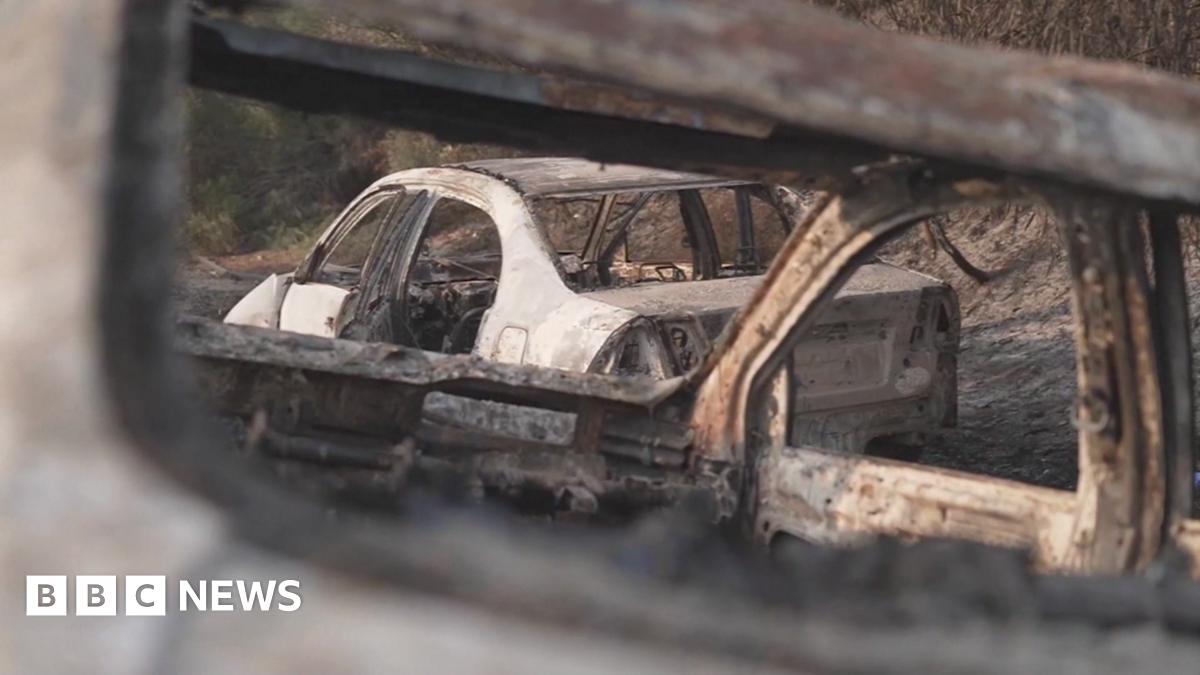
The images of devastation and loss emanating from Gaza serve as a stark reminder that the pursuit of peace is not a luxury, but a necessity. We cannot afford to remain silent in the face of such brutality. The time for decisive action is now, to break the cycle of violence and pave the way for a future where Israelis and Palestinians can live side-by-side in peace and security.