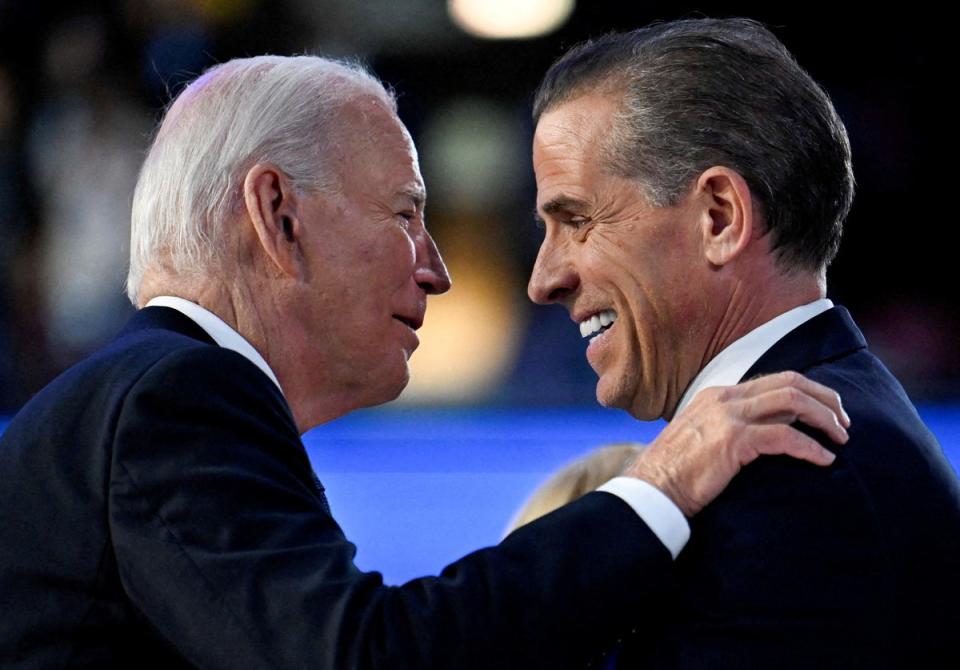
In a move that has sent shockwaves through the corridors of power, former President Donald Trump has taken aim at the pardon powers of his successor, Joe Biden. The latest development in this high-stakes game of presidential authority comes courtesy of a bombshell statement from Trump, who claims that Biden’s pardons are essentially “void” and “vacant” due to the use of an autopen, a machine that automates the signing of documents.
According to The New York Times, Trump’s assertion has significant implications for the hundreds of individuals who have benefited from Biden’s clemency efforts. If Trump’s claims are valid, it could potentially invalidate the pardons, leaving those who thought they had been given a clean slate wondering if they’ve been left high and dry.
The Controversy Unfolds

Former President Donald Trump, in a series of posts on Truth Social, has made a bold claim regarding the legitimacy of pardons issued by President Joe Biden. Trump has declared the pardons issued to members of the House select committee that investigated the January 6, 2021, attack on the U.S. Capitol as “VOID, VACANT, AND OF NO FURTHER FORCE OR EFFECT.” The crux of Trump’s argument is that Biden used an autopen device to sign the pardons, rather than signing them manually with a pen. This declaration has sparked a significant debate over the validity of the autopen’s use in official documents.
Trump’s Claim: Biden’s Pardons are ‘Void’ and ‘Vacant’
Trump’s claim centers around the legitimacy of the pardons issued by Biden, particularly those given to members of the select committee who investigated the January 6th insurrection. He argues that because the pardons were signed with an autopen—a mechanical device that replicates a person’s signature—the pardons are void and lack legal standing. This assertion has drawn immediate criticism and skepticism from legal experts, who argue that the use of an autopen does not invalidate the pardons.
The Reason: Autopen Signature Instead of a Real Pen
Trump’s assertion fundamentally hinges on the use of an autopen to sign the pardons. This mechanical device has been used by multiple presidents to sign official documents, including executive orders and pardons. In Trump’s view, this use of technology undermines the integrity of the pardons, as they were not manually signed by Biden himself. However, the underlying legal implications of this practice remain a point of contention, with many legal scholars and experts countering that the autopen is a legally recognized method of signing documents.
No Evidence to Back Up the Claim
Trump’s claim that the pardons are void due to the use of an autopen is made without any factual or legal evidence. Critics and legal experts have pointed out that Trump’s statements lack any substantive legal basis and are purely speculative. Moreover, this claim comes on the heels of a broader narrative propagated by the Oversight Project, which questions the mental capacity of Biden to approve such pardons. Nevertheless, these assertions do not hold legal weight and are seen as an attempt to undermine Biden’s executive actions.
Presidential Pardons: The Legal Aspect
The legal aspect of presidential pardons is a complex yet well-defined area of executive power. Understanding the mechanisms and limitations of these powers is essential to dissecting Trump’s claims and the broader implications of autopen signatures on pardons.
The Power of Presidential Pardons: A Constitutional Right
Under the U.S. Constitution, Article II, Section 2, Clause 1, grants the president the power to grant pardons for federal offenses, except in cases of impeachment. This power is extensive and includes the authority to issue pardons unilaterally, without the need for approval from Congress or any other branch of government. This constitutional provision underscores the independence of the executive branch in matters of criminal clemency. Presidents have historically used this power to grant clemency to individuals convicted of federal crimes, often as a form of executive clemency that can range from full pardons to commutations of sentences.
Legally Binding: The Use of Autopen in Signing Official Documents
The use of autopen for signing official documents, including pardons, has a long-standing history in presidential administrations. Presidents George W. Bush, Barack Obama, and Joe Biden have all employed autopen technology to sign various documents, including executive orders and pardons. This practice is legally recognized and has been upheld by the Office of Legal Counsel at the Department of Justice. According to a 2005 legal opinion, the president has the authority to use an autopen to sign official documents, rendering them legally binding. The document states, “The President need not personally perform the physical act of affixing his signature to a bill he approves and decides to sign in order for the bill to become law.”
No Provision for Subsequent Presidents to Rescind Pardons
The Target: The House Select Committee
Former President Donald Trump has claimed that the pardons given by President Joe Biden to members of the House Select Committee on the January 6th attack on the U.S. Capitol are void because of the use of the autopen. Trump’s assertion is based on his belief that the use of the autopen invalidates the pardons, as he claims Biden did not personally sign the documents, thereby questioning their legitimacy. However, this claim is unfounded as the U.S. Constitution grants the president the authority to issue pardons independently of the method used for signing. The U.S. Department of Justice has confirmed that the autopen is a legal method for the president to sign documents, including pardons, and has been used by previous presidents, including Obama and Bush.
Members of the Committee: Who Received the Pardons
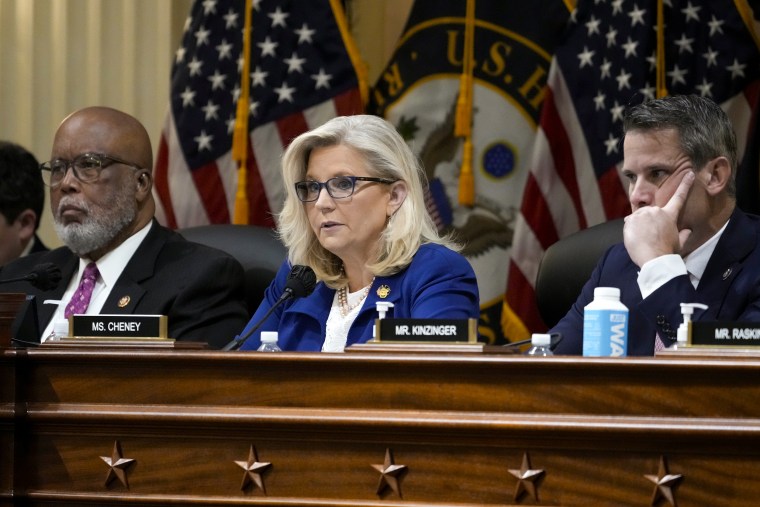
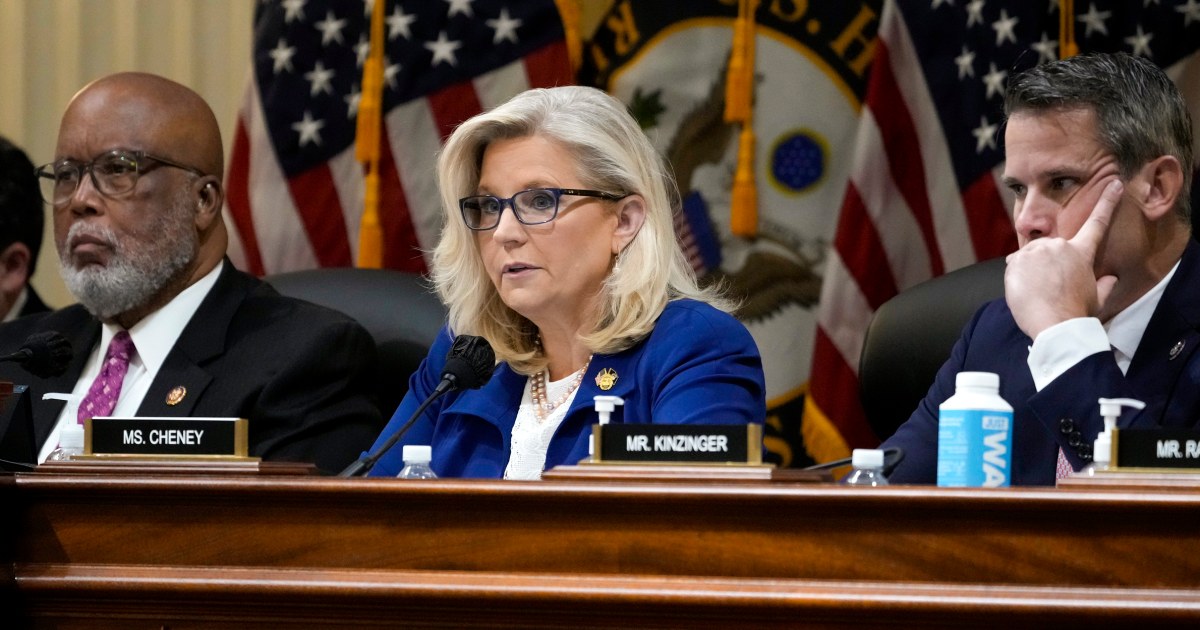
The pardons were issued to nine members of the House Select Committee that investigated the January 6th attack. These members are:
- Bennie Thompson, D-Miss.
- Liz Cheney, R-Wyo.
- Adam Kinzinger, R-Ill.
- Elaine Luria, D-Va.
- Stephanie Murphy, D-Fla.
- Pete Aguilar, D-Calif.
- Zoe Lofgren, D-Calif.
- Jamie Raskin, D-Md.
- Adam Schiff, D-Calif.
Trump’s Accusations: Committee Members Guilty of ‘Major Crimes’
Trump accused the committee members of committing unspecified “Major Crimes.” He suggested that these individuals, who were involved in the investigation into the January 6th insurrection, were engaged in a “Witch Hunt” against him. However, he provides no evidence to back his claims, and the nature of these crimes remains ambiguous and unexplained.
Committee Members Respond: ‘Bring it On’ and ‘Your Threats Will Not Intimidate Us’
In response to Trump’s accusations, the members of the select committee have been defiant. Rep. Adam Kinzinger posted a video on X, a social media platform, in which he stated, “You weak, whiny, tiny man.” This response reflects the broader reaction of the committee members, who see Trump’s claims as baseless and without legal merit.
Senator Adam Schiff also addressed Trump’s claims on X, stating, “The members of the Jan 6 Committee are all proud of our work. Your threats will not intimidate us. Or silence us.” This reiterates the committee’s stance that their actions were in the public interest and that they will not be deterred by Trump’s accusations.
The Implications and Practical Aspects
What’s Next: Will Trump Pursue Legal Action Against Committee Members?
Trump’s claims about the void status of the pardons have raised questions about whether he might pursue legal action against the committee members. However, legal experts have pointed out that the U.S. Constitution does not provide for subsequent presidents to rescind pardons. The legal status of pardons is determined by the Constitution, and once issued, they are final. Trump’s assertion that the pardons are void due to the use of the autopen is legally unsubstantiated.
The Precedent: Could This Set a New Standard for Presidential Pardons?
The issue of whether the autopen invalidates pardons has not been tested in the courts, though the precedent set by the Department of Justice suggests that such a method is legally binding. If Trump were to pursue legal action, it could set a new precedent regarding the methods of signing pardons and could potentially challenge the use of the autopen in future pardons. But as of now, the legal framework supports the validity of Biden’s pardons.
The Political Fallout: How This Could Affect Future Presidential Actions
Trump’s accusations and the controversy surrounding the pardons could have broader implications for future presidential actions. It highlights the tension between presidential power and political accountability. Future presidents might be more cautious in issuing pardons, especially if there is a perceived backlash or legal challenge. The political fallout could also influence the public’s perception of the autopen and the legitimacy of pardons issued through this method.
Conclusion
In the latest development in a long-standing controversy, former President Donald Trump has stirred the waters by claiming that President Biden’s pardons are “void” and “vacant” due to their use of the autopen, as reported by The New York Times. At the heart of this argument lies the question of whether the autopen, a mechanical pen that can sign documents, can be considered a legitimate means of executing official actions. Trump’s assertion is built upon the notion that the autopen’s use invalidates the pardons, sparking a debate about the legitimacy of administrative procedures.
The significance of this topic extends far beyond the realm of presidential pardons. It speaks to the deeper issues of governance, accountability, and the nature of authority. If Trump’s claims are upheld, it could have far-reaching implications for the way in which the executive branch operates, potentially opening up a Pandora’s box of challenges to past decisions. Conversely, if the autopen is deemed a legitimate tool, it would reinforce the notion that the presidency is a symbol of continuity and stability, rather than a repository of absolute power. The outcome of this debate will have lasting consequences for the way in which the United States government functions.