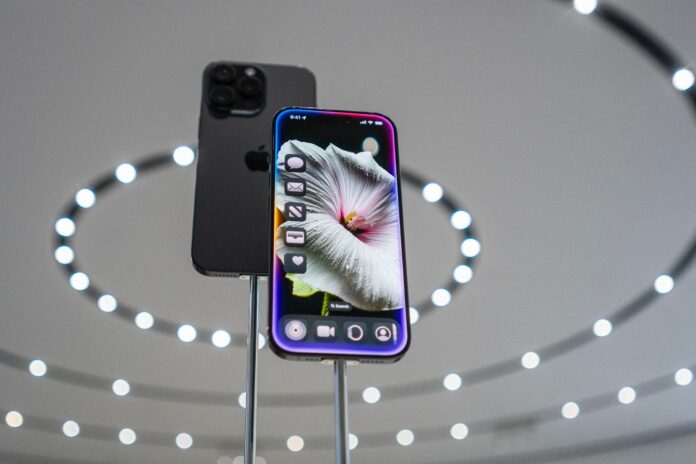
Rumors have been swirling about the next iteration of Apple’s flagship smartphone, and one feature has everyone talking: an under-screen Face ID. The prospect of seamlessly integrating biometric authentication into the iPhone’s sleek design has sparked heated discussions among tech enthusiasts and industry insiders alike. As the tech giant prepares to shake up the smartphone market once again, whispers of a Face ID upgrade have been growing louder. In this article, we’ll dissect the latest rumors and speculations surrounding the iPhone with under-screen Face ID, exploring what this innovation might mean for the future of smartphone security and user experience.
iPhone With Under-Screen Face ID: Latest Rumors and Insights
Timeline of Rumors and Updates

Initial Predictions and Delays: In April 2023, Ross Young, a prominent display industry analyst, shared a roadmap with Geeksultd, indicating that the iPhone 17 Pro models were expected to feature under-display Face ID. This was a significant technological leap, as it would eliminate the need for the distinctive notch on the iPhone’s display. However, in May 2024, Young revised his predictions, announcing that the introduction of this technology would be delayed until 2026. This delay was attributed to technical challenges and the complexity of integrating Face ID components under the display.
The updated timeline suggests that the under-screen Face ID feature will likely debut on the iPhone 18 Pro and iPhone 18 Pro Max, following the initial delay. This development is anticipated to have a notable impact on the design of the iPhone 17 Pro models, which will not incorporate this advanced feature. The delay, while disappointing to some, provides Apple with the additional time needed to refine the technology and ensure a seamless user experience.

Expected Debut on iPhone 18 Pro Models
Possible Release Dates: With the updated timeline, Apple is now expected to release the iPhone 18 Pro models featuring under-screen Face ID in the latter half of 2026. This release date aligns with Apple’s typical product cycle, which typically sees the launch of new iPhone models in the fall of each year. The exact timing may vary depending on the final stages of development and testing, but industry experts and insiders like Ross Young are optimistic about a late 2026 debut.
Impact on iPhone 17 Pro Models: The delay in implementing under-screen Face ID on the iPhone 17 Pro models will likely result in a continuation of the current design, which includes the notch housing the Face ID components. This decision allows Apple to maintain the high standards of their current models while focusing on the advanced features for the subsequent release. The iPhone 17 Pro models will still be seen as a significant upgrade over previous models, with new features and improvements expected to be announced.

Design and Technical Features
Under-Screen Technology Integration
Components and Placement: The integration of under-screen Face ID technology involves a complex rearrangement of the iPhone’s components. The Face ID system, which currently occupies a significant portion of the upper frame, must be reconfigured to fit underneath the display without compromising on performance or affecting the screen quality. This requires advanced transparent sensors and innovative placement strategies to ensure that the light can pass through the display to the sensors below.
The challenge is to ensure that the Face ID system remains as effective and secure as it is in current iPhone models. Apple is likely exploring the use of micro-perforated screens, which allow light to pass through microscopically small perforations in the display, enabling the Face ID sensors to function as intended. This technology is already being tested in other devices, and Apple’s engineering team is working to refine it for iPhone’s stringent standards.
Potential Challenges and Solutions
One of the primary challenges is maintaining the integrity of the Face ID system, which requires precise and consistent performance in various lighting conditions. The under-screen technology must be robust enough to function reliably in direct sunlight or low light, without any degradation in performance. This involves developing highly sensitive sensors and advanced algorithms for facial recognition.
A solution being explored includes the use of infrared sensors and improved machine learning algorithms to enhance the reliability of the system. Apple is also considering the use of additional sensors around the screen to provide redundancy and enhance the system’s accuracy. By adopting these strategies, Apple aims to ensure that the under-screen Face ID technology is as secure and reliable as the current notch-based system.
Dynamic Island and Pinhole Camera
Functionality and Aesthetics: The introduction of under-screen Face ID technology will likely impact the design of the Dynamic Island, a feature that integrates the Face ID components into the display itself, creating a cohesive look. With the under-screen technology, the Dynamic Island might be reduced in size or even eliminated, providing a cleaner and more uniform display. This change will contribute to a more aesthetic and visually appealing design, aligning with Apple’s commitment to streamlined product aesthetics.
Comparison with Current Models: In current iPhone models, the Dynamic Island serves a dual purpose, housing the Face ID sensors and providing a designated area for notifications, calls, and other alerts. With the transition to under-screen Face ID, the Dynamic Island’s prominence is expected to diminish. Instead, users may see an emphasis on a seamless display with minimal interruptions, enhancing the overall user experience. The pinhole camera, a small hole in the display for the front camera, will likely remain, similar to current Android competitors like the Samsung Galaxy S25 and Google Pixel 9. This design approach allows for a nearly edge-to-edge display, with only a small pinhole on the upper portion of the screen, continuing the trend of maximizing screen real estate.
Industry Comparisons and Implications
Comparison with Android Competitors
Competitive Landscape: When comparing the under-screen Face ID feature with Android competitors, it is evident that several Android flagship models are already incorporating similar technologies. Samsung’s Galaxy S24 and Google’s Pixel 9 are examples where pinhole cameras are integrated into the display, providing a nearly seamless viewing experience. These devices have pioneered the use of under-display camera technology, which has set a new standard for full-screen displays.
Apple’s entry into this space with the iPhone 18 Pro models will bring competitive parity, especially considering the robust Face ID technology that Apple has developed. While Samsung and Google have successfully implemented under-display cameras, Apple’s implementation of an under-screen Face ID system will likely bring enhanced security and usability, given the advanced biometric capabilities of Face ID. The integration of under-screen Face ID and an under-screen front camera, as hinted by Ross Young, would signify a shift towards a true all-screen design, a vision once envisioned by Jony Ive, Apple’s former design chief. This design innovation would not only enhance the aesthetic appeal but also provide a more immersive user experience, aligning with the evolving trends in smartphone design.
Shared Technologies and Unique Features
Future iPhone Design Evolution
Geeksultd has been closely following the advancements in the iPhone’s design, particularly the integration of under-screen Face ID technology. This rumored feature aims to enhance the aesthetics and functionality of the iPhone, aligning it with the long-term vision of a true all-screen design, a concept championed by Apple’s former design chief, Jony Ive.
Prospects for True All-Screen Design
The implementation of under-screen Face ID technology is a significant step towards achieving a seamless, uninterrupted display. This development would place the iPhone on par with, and potentially ahead of, its competitors in the race towards a more integrated design. The under-screen technology, if successfully integrated, would eliminate the traditional notch, enhancing the screen-to-body ratio and providing a more immersive viewing experience.
Long-Term Vision and Jony Ive’s Dream
Jony Ive’s vision of a device with no visible seams or interruptions aligns closely with the rumored under-screen Face ID feature. This vision emphasizes a design ethos that prioritizes minimalism and integration. The transition to this design could signal a broader shift in Apple’s design philosophy, moving away from the prominent use of notches and towards a more streamlined, modern aesthetic that is both visually appealing and functional.
User Experience and Practical Considerations
User Interface Adjustments
The introduction of under-screen Face ID requires a rethinking of the user interface to accommodate the new sensor layout. This involves minimizing the visual impact of the sensors on the display, ensuring that the user experience remains seamless and intuitive. The Dynamic Island, currently used in some iPhone models, could be adjusted or replaced entirely to maintain a cohesive design.
Changes in User Interaction
With the removal of the notch, users can expect a more fluid and interactive experience, particularly in applications that require edge-to-edge visuals, such as gaming, video editing, and immersive media consumption. The transition to under-screen technology could affect how users interact with the device, necessitating adjustments in the placement of buttons and icons to ensure ease of use without compromising on aesthetics.
Enhanced Screen Utilization
One of the significant benefits of under-screen Face ID is the increased screen real estate. This enhancement allows for a more extensive display area, which could be utilized for additional features, such as split-screen applications or larger text and images. This increased utilization is expected to significantly improve the user experience by providing a more immersive and efficient interface.
Impact on Consumer Perception
The introduction of under-screen Face ID has the potential to reshape consumer perception of the iPhone. Consumers often prioritize aesthetic design in their purchase decisions, and the removal of the notch would likely be viewed positively. However, the practical benefits, such as improved battery life and faster charging capabilities, must also align with this aesthetic transformation to ensure a balanced appeal.
Desire for Aesthetic Design
Consumers are increasingly drawn to devices that offer a clean, uncluttered design. The under-screen Face ID feature caters to this desire, potentially making the iPhone a preferred choice in the market. However, the aesthetic shift must be accompanied by practical enhancements to effectively meet consumer expectations.
Practical Benefits and Concerns
While the under-screen technology promises a more attractive design, practical concerns such as the durability of the screen and the accuracy of the Face ID sensor must be addressed. The technology’s impact on the overall user experience, including its integration with existing features and applications, must also be carefully considered to ensure a smooth transition for users.
Potential Roadblocks and Future Outlook
Technological Hurdles
The development of under-screen Face ID technology presents significant technological challenges. Ensuring that the sensors can function accurately beneath the display, while also maintaining the integrity and clarity of the screen, is a complex engineering task. Additionally, the integration of the front camera, which may still require a pinhole, adds another layer of complexity to the design.
Development Challenges and Solutions
Apple and its suppliers face the challenge of developing a robust under-screen technology that can perform as efficiently as the current Face ID system. Innovations in sensor technology, such as advancements in light detection and ranging (LiDAR) and improved pixel density, are expected to play a crucial role in overcoming these challenges.
Innovation in Sensor Technology
Advancements in sensor technology are pivotal to the successful integration of under-screen Face ID. The development of sensors that can effectively pierce through the display without significant degradation in image quality is a critical milestone. Collaborative efforts between Apple and technology suppliers are anticipated to push the boundaries of what is currently possible, leading to a more refined and seamless user experience.
Future Innovations and Roadmap
Geeksultd expects that by 2026-2027, under-screen Face ID will become a standard feature across higher-tier iPhone models. This transition could be accompanied by further innovations, such as enhanced biometric security features and possibly the integration of additional sensors beneath the display. These advancements are expected to drive consumer adoption rates, as users increasingly value devices that offer a balance of aesthetic appeal and technological prowess.
Anticipated Consumer Adoption Rates
The anticipated consumer adoption rates for under-screen Face ID technology are expected to be high, given the growing preference for devices with a more streamlined design. However, the rate of adoption will depend on the successful integration of this technology without compromising on the performance and reliability of existing features. Geeksultd predicts a gradual uptick in adoption as consumers become accustomed to the new design and its benefits.
Conclusion
As we summarize the latest rumors surrounding the iPhone with under-screen Face ID, one thing becomes clear: Apple is pushing the boundaries of innovation in smartphone technology. The article highlights key points such as the potential for a more seamless design, improved durability, and enhanced security features. Furthermore, the discussion around the technical feasibility and potential challenges faced by Apple in implementing under-screen Face ID technology provides valuable insight into the complexities of smartphone engineering.
The significance of this topic lies in its potential to revolutionize the way we interact with our devices. An under-screen Face ID system could pave the way for a future where smartphones become even more intuitive and user-friendly. The implications of this technology extend beyond the iPhone, potentially influencing the development of future smartphones and devices. As Apple continues to innovate and push the limits of what is possible, we can expect to see even more exciting advancements in the years to come.
As we wait with bated breath for the next generation of iPhones, one thing is certain: the future of smartphone technology is bright and full of possibilities. With Apple at the forefront of innovation, it will be fascinating to see how this technology evolves and shapes the future of mobile devices. As we gaze into the crystal ball, one question remains: what will be the next revolutionary feature that sets the iPhone apart from the rest?