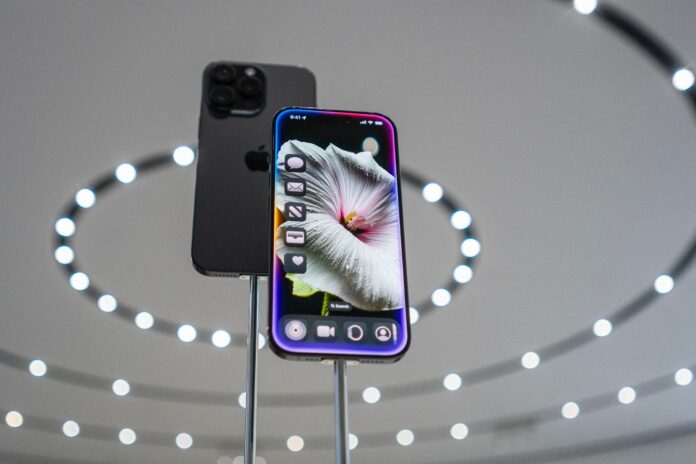
Imagine a future where the sleek, minimalist design of your iPhone takes center stage, unobstructed by the familiar notch that has become synonymous with Face ID. The latest whispers from the tech rumor mill suggest that Apple is pushing the boundaries of innovation once again, this time with a revolutionary under-screen Face ID feature that promises to redefine the iPhone experience.

Timeline of Under-Screen Face ID Integration
Initial Rumors and Timeline Adjustments

Geeksultd has been closely monitoring the developments regarding Apple’s plans to integrate under-screen Face ID into the iPhone lineup. In April 2023, display industry analyst Ross Young projected that the iPhone 17 Pro models would feature under-display Face ID technology. However, in May 2024, Young adjusted his timeline, indicating a delay until 2026 for this cutting-edge feature to become a reality in the iPhone line. This adjustment came as a result of the complex engineering challenges involved in seamlessly integrating the Face ID sensors under the display without compromising the sensor’s effectiveness or the screen’s visual quality.
The initial predictions were based on Apple’s steady progress in miniaturizing the necessary components and improving the underlying technology. Yet, the technological hurdles proved more substantial than anticipated. Apple’s commitment to quality and user experience has led to a reevaluation of the integration timetable, ensuring that when the feature is introduced, it will meet the high standards expected by Apple enthusiasts and critics alike.

Current Projections for Release
Based on recent insights, the under-screen Face ID technology is now projected to be introduced with the iPhone 18 Pro and iPhone 18 Pro Max models in 2026. These models are anticipated to lead the market with this advanced feature, setting a new benchmark for biometric security and screen aesthetics. Analysts at Geeksultd predict that this innovation will significantly impact the design and functionality of Apple’s flagship devices, enhancing their appeal to tech-savvy consumers.
Future models are expected to build upon this foundation, possibly expanding the feature to include under-screen front cameras and other sensors. This evolution aims to realize the vision of a true all-screen design, a concept previously envisioned by Apple’s former design chief, Jony Ive. The integration of under-screen technologies will likely drive further innovation in the smartphone industry, leading to a more cohesive and visually appealing device design.
Technological Advancements and Design Changes
Under-Screen Face ID Design Features
One of the key design features of the upcoming under-screen Face ID technology is the evolution of the Dynamic Island. The Dynamic Island, introduced in the iPhone 14 Pro series, is a design element that integrates the Face ID sensors into the display, creating a unified and aesthetically pleasing front. With under-screen Face ID, Apple is expected to refine and potentially reduce the size of the Dynamic Island, making it less obtrusive and more integrated into the overall display design.
Additionally, the pinhole camera placement is another critical aspect. This design places the front-facing camera in a small, nearly invisible pinhole at the top of the display. This approach allows for a nearly seamless viewing experience and aligns with the trend seen in recent Android smartphones such as the Google Pixel 9 and Samsung Galaxy S24. The pinhole camera placement not only preserves the display integrity but also ensures that the camera’s functionality remains unaffected.
Future Design Prospects
Looking ahead, the integration of under-screen Face ID is just the beginning. Analysts at Geeksultd foresee a future where Apple could further enhance the design by implementing an under-screen front camera. This advancement would contribute to a true all-screen design, offering a more immersive user experience with no visible interruptions or cutouts on the front of the device. The true all-screen design would represent a significant leap forward in smartphone aesthetics and functionality, potentially redefining user interaction and display utilization.
Apple’s commitment to innovation and design excellence suggests that the introduction of under-screen front camera technology could be a priority. This development would not only improve the aesthetic appeal of the iPhone but also enhance the user experience by providing a cleaner, uninterrupted display real estate. As the technology matures, it is likely that Apple will continue to refine both the under-screen Face ID and front camera integration, paving the way for a more streamlined and visually cohesive device.
Practical Implications and User Experience
Impact on User Interface
The introduction of under-screen Face ID will have a profound impact on the user interface, particularly in terms of screen real estate and seamless interaction. With the under-screen technology, the iPhone 18 Pro models are expected to offer a more uniform display surface, enhancing the visual experience and providing a more immersive environment for multimedia consumption, gaming, and productivity tasks. The seamless integration of biometric sensors under the display will contribute to a more cohesive and visually appealing user interface, potentially setting new standards for smartphone design.
Users can expect a more aesthetically pleasing and functional display, with the Dynamic Island becoming less prominent or even disappearing altogether. This change will result in a cleaner look and feel, aligning with the evolving design trends in the smartphone market. The seamless interaction aspect of the new design is expected to improve user satisfaction, as the transition between different apps and functions will be less disrupted by visible sensor cutouts.
Potential User Benefits
The practical implications of under-screen Face ID extend beyond aesthetics. Improved display quality is one of the most anticipated benefits, as the technology allows for a higher resolution and clearer visuals without the obstruction of sensor cutouts. This enhancement could lead to a more vibrant and detailed display, benefiting both casual users and professionals who rely on high-quality visuals for work or creative projects.
Moreover, the enhanced privacy and security features provided by under-screen Face ID offer significant advantages. The technology promises to maintain or even improve the current level of security offered by the standard Face ID system, while also offering a visually superior design. This dual benefit of security and aesthetics is expected to be a strong selling point for the iPhone 18 Pro models, positioning Apple at the forefront of biometric security technology in the smartphone market.
Comparative Analysis with Competitors
Similar Technologies in Android Phones
While Apple is working on integrating under-screen Face ID, Android phone manufacturers are also pushing the boundaries of under-screen camera technology. The Google Pixel 9 and Samsung Galaxy S24, for instance, have already integrated under-screen camera solutions, demonstrating the industry’s interest in this technology. These Android devices utilize a combination of advanced display technology and sophisticated software algorithms to seamlessly incorporate the front-facing camera under the screen, maintaining visual integrity and operational efficiency.
The under-screen camera trend in Android devices showcases the growing demand for all-screen designs and has set the stage for Apple to respond with its own innovative solutions. By integrating under-screen Face ID, Apple aims to offer a unique and differentiated experience, leveraging its extensive research and development capabilities to address the challenges inherent in this technology.
Competitive Edge and Innovation
Apple’s approach to under-screen Face ID is expected to provide a competitive edge by offering a unique selling point that distinguishes the iPhone from its competitors. The integration of under-screen technology is not just about aesthetics; it is about creating a more seamless and functional device experience. Apple’s innovative approach to integrating biometric sensors and maintaining or improving the sensor’s performance under the screen is a testament to the company’s commitment to innovation and user experience.
Geeksultd expects Apple to build upon the success of the Dynamic Island, which has been well-received in the market, to create a more integrated and less intrusive sensor placement. This approach could be a key factor in maintaining Apple’s market leadership, as it addresses user concerns about display aesthetics while ensuring robust security features. The unique selling points of Apple’s under-screen Face ID technology may include superior sensor performance, advanced privacy features, and a more cohesive design language, positioning the iPhone as a premium choice in the highly competitive smartphone market.
Market Positioning and Future Trends
As the smartphone market continues to evolve, under-screen Face ID technology is poised to significantly impact the industry. Display industry analyst Ross Young predicts that the iPhone 18 Pro models will feature under-display Face ID in 2026, aligning with Bloomberg’s Mark Gurman’s timeframe. This technological advancement is expected to revolutionize Apple’s devices, enabling a true all-screen design that was once a distant dream.
With under-screen Face ID, Apple’s Pro models will likely still have a pinhole at the top of the display for the front camera. This change will align with the design of newer Android smartphones such as Google’s Pixel 9 and Samsung’s Galaxy S24. Industry experts like Young anticipate that iPhones will eventually incorporate both under-screen Face ID and an under-screen front camera, further enhancing the user experience.
Technological Challenges and Solutions
Engineering Hurdles and Innovations
Under-screen Face ID technology presents several engineering challenges. To overcome these hurdles, Apple and other manufacturers must innovate and create solutions that ensure seamless integration of sensors beneath the display. These advancements will enable accurate facial recognition, even through the device’s screen.
Future Development Roadmap
The development roadmap for under-screen Face ID includes integrating facial recognition sensors beneath the display without compromising their performance. This process involves refining display technologies and sensor designs to work in unison, enabling a smooth user experience. As the technology matures, it is expected to unlock new possibilities for true all-screen smartphones.
Market Reception and Consumer Expectations
Consumer Interest and Demand
Consumer interest in under-screen Face ID technology is high, as users seek more advanced and seamless experiences. Apple’s adoption of this technology in its Pro models is expected to generate significant demand and contribute to increased sales.
Impact on Sales and Adoption Rates
The integration of under-screen Face ID in Apple’s Pro models is expected to positively impact sales and adoption rates. This technological advancement will set Apple apart from competitors and attract users who value cutting-edge features and all-screen designs.
Expert Insights and Future Predictions
Analyst Opinions and Forecasts
- Ross Young: Display industry analyst Ross Young predicts that under-screen Face ID will debut on the iPhone 18 Pro and iPhone 18 Pro Max in 2026. He also expects iPhones to eventually have both under-screen Face ID and an under-screen front camera, leading to a true all-screen design.
- Mark Gurman: Bloomberg’s Mark Gurman shares a similar timeframe, suggesting that by 2026 or 2027, the Pro models should have a smaller Dynamic Island due to Apple moving more components within it under the display.
Long-Term Vision and Apple’s Strategy
Apple’s long-term vision includes the path to a true all-screen design and ongoing innovations in facial recognition technology. The integration of under-screen Face ID and front cameras will be instrumental in achieving this goal and further solidifying Apple’s position in the market.
Technical Breakdown and Functionality
Under-Screen Face ID Technology
Under-screen Face ID involves placing facial recognition sensors beneath the device’s display. This design allows for a more seamless and uninterrupted user experience. A detailed look at sensor placement and how under-screen Face ID works is crucial to understanding the technology’s potential and implications.
Potential Enhancements and Improvements
Future enhancements to facial recognition technology may include improved accuracy, faster response times, and the integration of additional sensors and features. These advancements will contribute to a more intuitive and secure user experience.
Summary of Key Points
Under-screen Face ID technology is expected to debut on iPhone 18 Pro models in 2026, according to display industry analyst Ross Young. Bloomberg’s Mark Gurman shares a similar timeframe, predicting that the Pro models should have a smaller Dynamic Island due to Apple moving more components under the display by 2026 or 2027. This technological advancement will pave the way for a true all-screen design and ongoing innovations in facial recognition technology.
Geeksultd’s Take
Geeksultd believes that under-screen Face ID technology has the potential to significantly impact the smartphone market. As a leader in the industry, Apple’s adoption of this technology will likely drive demand and spur further innovation. With a true all-screen design, users can expect an even more immersive and engaging experience, setting the stage for future advancements in mobile devices.
Conclusion
In conclusion, the latest rumors surrounding the development of an iPhone with under-screen Face ID have sparked significant interest among tech enthusiasts. The article highlights key points, including the use of advanced display technology, optical cameras, and machine learning algorithms to enable seamless biometric authentication. The main arguments discussed revolve around the potential benefits of this technology, such as improved screen real estate, enhanced security, and a more streamlined user experience.
The implications of this technology are substantial, with potential applications extending beyond smartphones to various other devices and industries. If successfully implemented, under-screen Face ID could become a defining feature of future iPhones, setting a new standard for biometric authentication and user interface design. As Apple continues to innovate and push the boundaries of mobile technology, the integration of under-screen Face ID could be a significant step forward, allowing users to interact with their devices in new and intuitive ways.
As the tech industry continues to evolve, the development of under-screen Face ID serves as a reminder of the relentless pursuit of innovation and the potential for groundbreaking technologies to transform our daily lives. As we wait with anticipation for the next generation of iPhones, one thing is certain – the future of mobile technology will be shaped by bold ideas, cutting-edge engineering, and a relentless commitment to pushing the boundaries of what is possible.