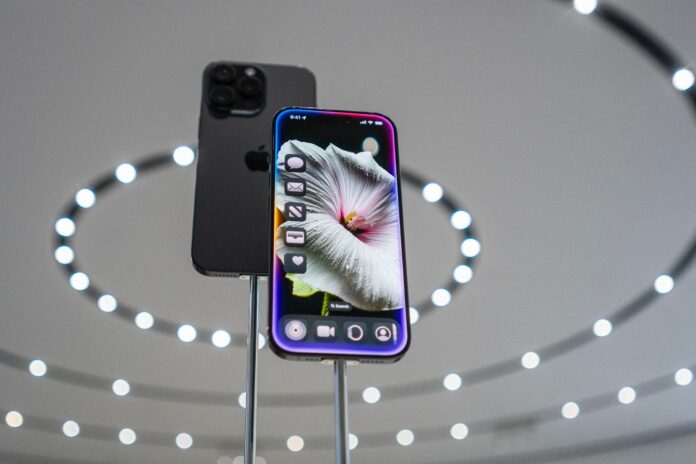
“Imagine a future where your iPhone is as portable as a whisper, its limitations confined to the confines of a single, sleek case. For a brief, shining moment, that vision became a tantalizing reality. Apple’s iPhone Air concept, a design innovation that promised a nearly portless experience, seemed poised to revolutionize the boundaries of mobile computing. But, as the tech giant delved into production planning, concerns about the strict regulations emanating from the European Union threatened to bring this vision crashing back down to earth. What were the specific restrictions that put the iPhone Air’s portless aspirations on the backburner, and how did they impact the ultimate design of the iPhone we know today?”
The iPhone Air’s Near-Portless Design and EU Regulation Impact
The iPhone Air’s Near-Portless Design
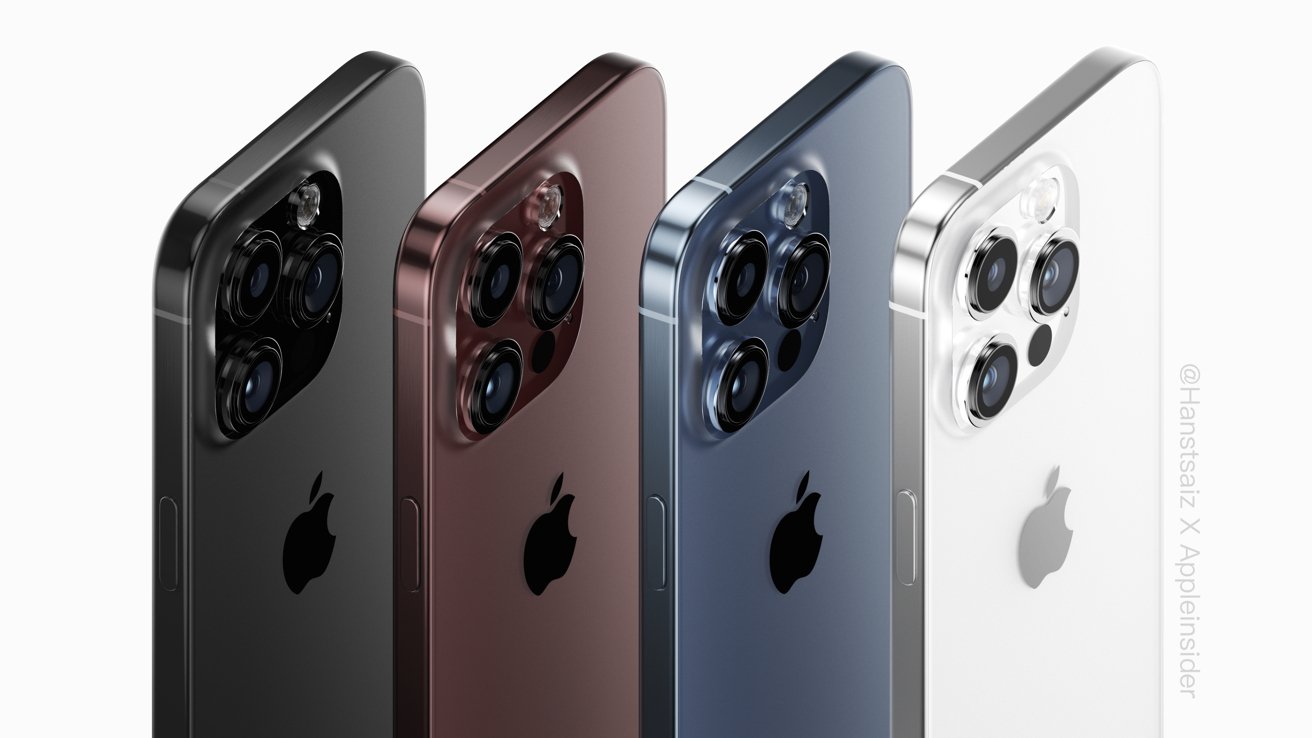
Apple’s quest for a sleeker, more streamlined device led to the iPhone Air’s near-portless design. This evolution in design philosophy aimed to reduce the physical footprint of the iPhone by minimizing its ports. The elimination of ports would not only enhance the aesthetic appeal but also improve water and dust resistance, aligning with Apple’s commitment to durability and longevity.
However, the engineering challenges were significant. The removal of essential ports like the Lightning port, used for charging and data transfer, required innovative solutions to maintain user convenience. Apple explored wireless charging and data transfer protocols, but these technologies had not reached the reliability and speed levels required for a seamless user experience. The company also considered integrating a micro-USB-C port, a compromise that could balance the sleek design with user needs.
Ultimately, the decision to retain the Lightning port was influenced by not only technical challenges but also regulatory pressures. The European Union’s push for a standardized charging port across all mobile devices has been a pivotal factor in shaping the design of modern smartphones, including the iPhone Air. This move towards a single charging port standard, primarily USB-C, was enforced to reduce electronic waste and enhance consumer convenience.
EU Regulations and Design Compromises
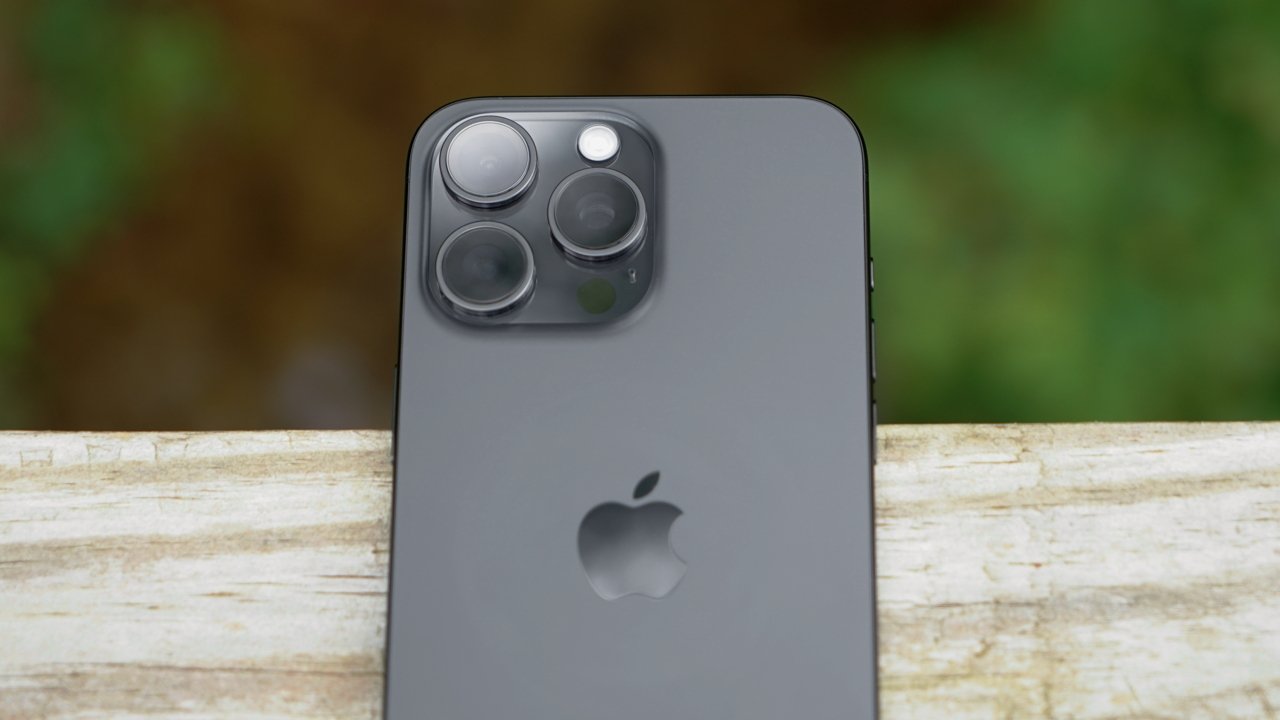
The European Union’s regulatory push for a standardized charging port has significantly impacted the iPhone Air’s design. Apple had initially planned to move towards a fully wireless, port-less design, but the EU’s directive required all smartphones to adopt a USB-C port for charging and data transfer. This regulation, effective from September 2024, necessitated a compromise in Apple’s design philosophy. The Lightning port, a proprietary technology that Apple had long maintained for its ecosystem, had to be replaced by a universally accepted standard.
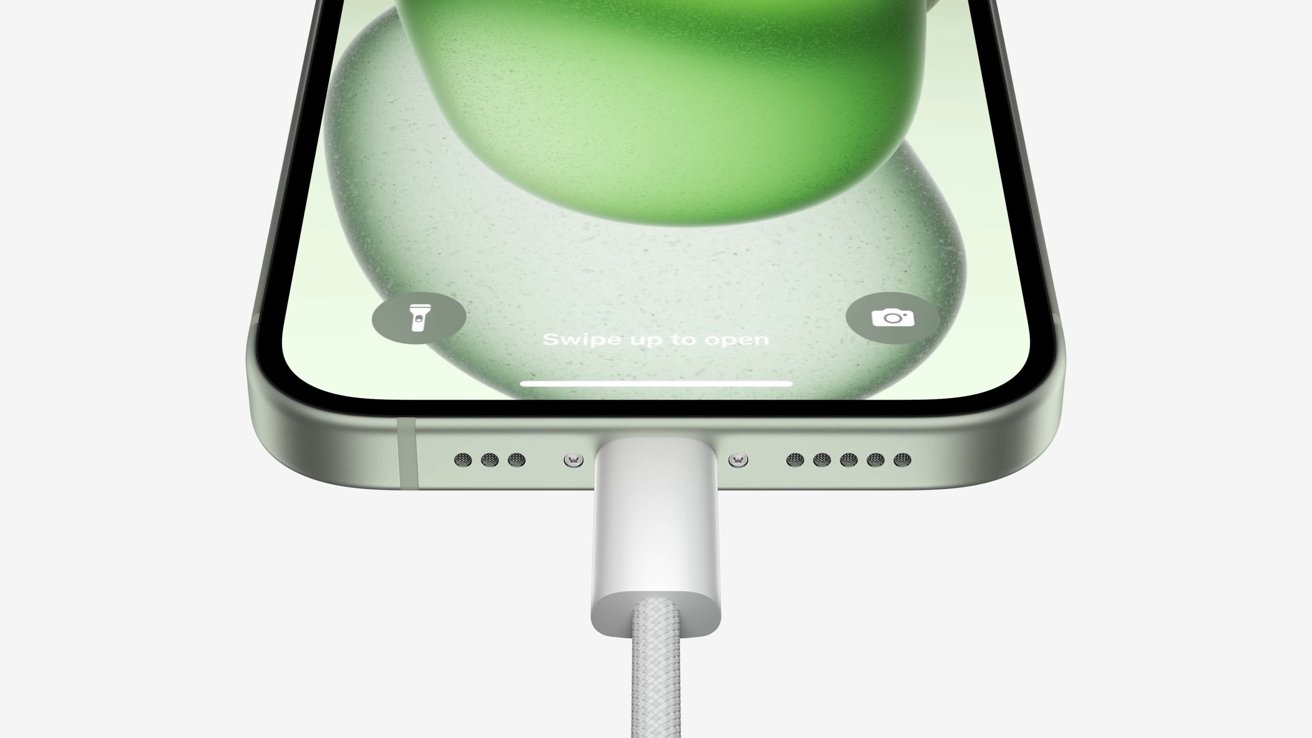
This compromise meant that the iPhone Air, while still boasting a near-portless design, retained a USB-C port, aligning with EU regulations and ensuring compliance. The shift to USB-C was not without its technical and design challenges. Apple had to integrate this port seamlessly into the iPhone’s aesthetic without compromising the device’s sleek and minimalist appearance. The integration involved significant engineering efforts to ensure the port’s durability and the iPhone’s overall design integrity.
The Impact of EU Regulations on Future iPhone Designs
Compliance and Innovation
The regulatory push for a standardized charging port has not only impacted the iPhone Air but also set a precedent for future iPhone designs. Apple must now consider how to balance innovation and regulatory compliance. The adoption of the USB-C port, while a necessary concession, has not dampened Apple’s efforts to innovate. Instead, it has spurred the company to enhance other aspects of the iPhone, such as its processor capabilities and camera technology, to maintain its competitive edge.
Compliance with these regulations has also opened new opportunities for innovation within the constraints of the standardized port. For instance, the integration of USB-C has facilitated faster data transfer rates and improved charging capabilities, features that Apple has leveraged to enhance user experience without compromising on innovation.
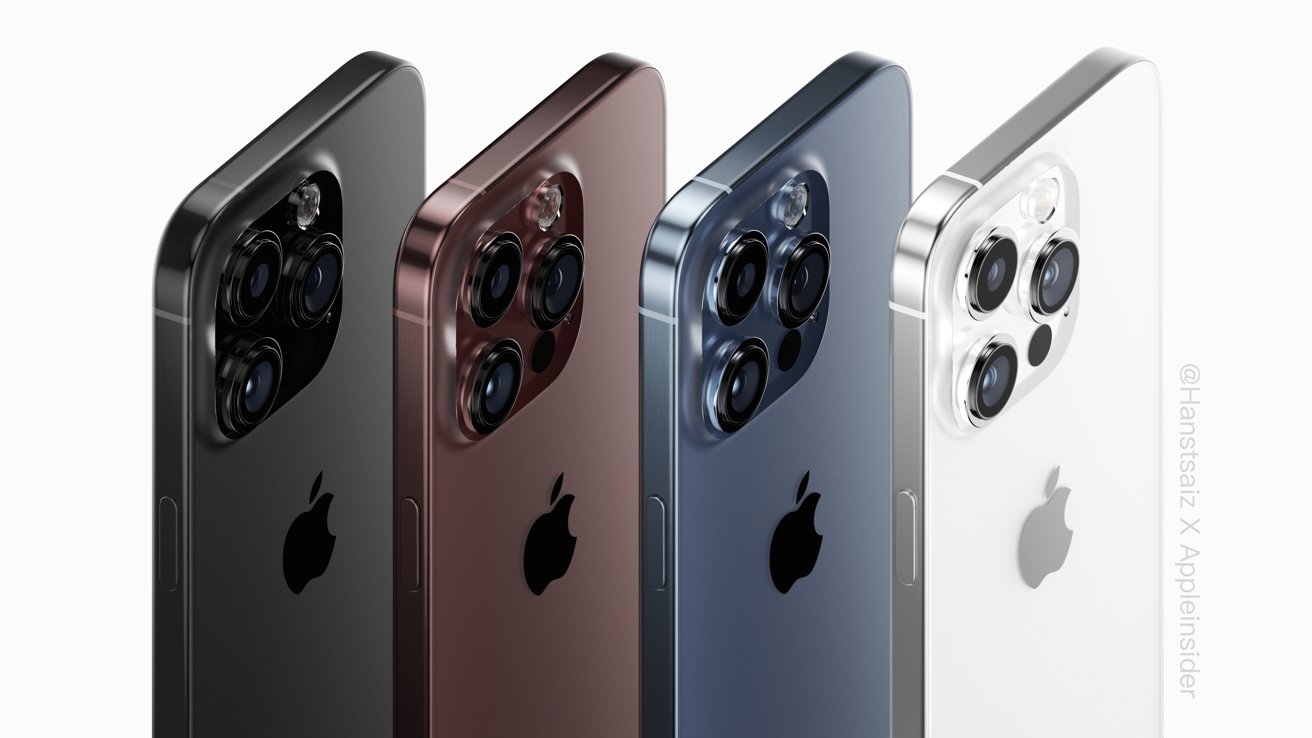
Consumer Feedback and Market Reception
Consumer reactions to the iPhone Air’s design compromise have been mixed. While some users appreciate the sleekness and enhanced functionality brought by the USB-C port, others lament the loss of the Lightning port’s proprietary ecosystem advantages. The market reception has been influenced by the broader trend towards wireless technologies and the convenience of a standardized charging port across multiple devices.
Apple’s adherence to EU regulations has also influenced its product strategy. The company has increasingly focused on wireless technologies to complement the USB-C port, such as wireless charging and AirDrop for seamless device-to-device data transfer. This approach has helped mitigate user concerns about the transition to a standardized port, as alternative solutions have been provided to maintain user convenience and satisfaction.
Technical Upgrades and Enhanced Features
Processor and Performance Enhancements
The A17 Pro processor, first introduced in the iPhone 15 Pro and iPhone 15 Pro Max, represents a significant leap in performance and efficiency. Manufactured using the advanced 3nm process, the A17 Pro delivers unparalleled computational power and energy efficiency. Its 6-core CPU and 6-core GPU provide a substantial boost in processing capabilities, making it a formidable choice for gaming and multimedia applications. The processor’s enhanced capabilities allow for hardware ray tracing, a feature previously reserved for dedicated gaming consoles, thus enabling a more immersive gaming experience on the iPhone 15 Pro.
The chipset’s advanced architecture supports the running of more complex games like “Resident Evil 4” and “Death Stranding,” providing a near-console level of gaming experience on a mobile device. The A17 Pro also supports Wi-Fi 6e, offering faster and more reliable wireless connectivity, and integrates a second-generation Ultra Wideband chip for improved spatial awareness and precise location finding capabilities.
Camera and Video Improvements
The iPhone 15 Pro and iPhone 15 Pro Max boast significant enhancements in the camera system, making them ideal for photography enthusiasts and professionals alike. The new 24MP HEIF image default offers higher resolution than 12MP while preserving more dynamic range than 48MP images. Additionally, the Pro models now support spatial video recording, capturing 3D video using the wide and ultra-wide cameras. Although the separation is minimal, the spatial video is viewable on the Apple Vision Pro, providing a unique and immersive experience.
ProRes Video Recording
With the iPhone 15 Pro, users can now record ProRes video in 4K at 60Hz directly to an external SSD, thanks to the USB 3.2 Gen 2 Type-C port. This feature is particularly beneficial for professionals who require high-quality video footage for post-production.
User Experience and New Features
Apple has introduced several new features and improvements in the iPhone 15 Pro to enhance user experience, customization, and accessibility.
The Action Button
Replacing the Ring/Silent Switch, the Action button allows users to perform various tasks by pressing and holding the button and assigning it from the Settings app. The Action button supports several basic functions, such as Silent mode, Focus, Camera, Flashlight, Voice Memo, Translate, Magnifier, and Shortcut. Furthermore, users can create advanced Shortcuts that perform different tasks based on device orientation, the open app, or other variables.
Enhanced Connectivity and Wi-Fi 6e
The iPhone 15 Pro supports Wi-Fi 6e and includes a second-generation Ultra Wideband chip set, ensuring faster and more reliable connectivity. The satellite communication feature has also been updated to enable calls for roadside assistance.
Future Outlook and Rumored iPhone 17 Lineup
Although the iPhone 16 lineup has already been revealed, rumors about the 2025 iPhone 17 models suggest potential changes in the lineup.
Potential Changes in 2025 iPhone Models
According to rumors, Apple may ditch the Plus model in favor of a new “Slim” variant. This change could result in a different structure for the 2025 iPhone lineup, potentially including four devices with an Ultra at the top and a new “slim” in the middle.
Apple’s Foldable Plans
While Apple has been researching foldable devices, there is a chance that the company may never release a foldable iPhone. However, rumors suggest that Apple might release either a horizontally-folding iPhone Fold or a vertically-folding iPhone Flip.
Conclusion and Final Thoughts
These changes in the iPhone lineup have broader implications for Apple’s ecosystem, including integration with other devices and services. As Apple continues to innovate, future iPhone features and design changes will likely build on these trends, further enhancing user experience and capabilities.
Conclusion
The recent news about the iPhone Air’s near-portless design has sparked a heated debate about the intersection of technology and regulation. According to a report by AppleInsider, Apple had considered removing the charging port from the iPhone Air, but concerns about EU regulations led the company to abandon the idea. This development highlights the tension between innovation and compliance with regulatory requirements. The article suggests that Apple’s decision was not solely driven by technical or design considerations, but also by the need to comply with EU regulations aimed at reducing electronic waste and promoting sustainability.
The significance of this development lies in its implications for the tech industry as a whole. As companies continue to push the boundaries of innovation, they must also navigate a complex web of regulatory requirements. The EU’s push for sustainable design has set a precedent for other regions to follow, and companies that fail to adapt risk facing significant fines and reputational damage. Moreover, the iPhone Air’s near-portless design would have required significant changes to the device’s manufacturing process, and the industry’s response to this challenge will be closely watched. As the tech industry continues to evolve, it’s likely that we’ll see more companies exploring alternative designs and materials in response to regulatory pressures.
As the tech industry continues to adapt to changing regulatory requirements, one thing is clear: innovation and sustainability are no longer mutually exclusive. In fact, the two are becoming increasingly intertwined. As companies like Apple navigate the complexities of EU regulations, they are also driving innovation in sustainable design. The iPhone Air’s near-portless design may have been a victim of regulatory concerns, but it’s also a harbinger of a future where technology and sustainability go hand in hand. As we move forward, it’s clear that the intersection of technology and regulation will continue to shape the industry, and companies that fail to adapt will be left behind.