A storm of unimaginable force has ripped across the US, leaving a trail of devastation and heartbreak in its wake. The death toll, a grim testament to the storm’s fury, has climbed to at least 32, with new fatalities reported in Kansas and Mississippi. This isn’t just another weather event; it’s a stark reminder of nature’s raw power and the fragility of life.
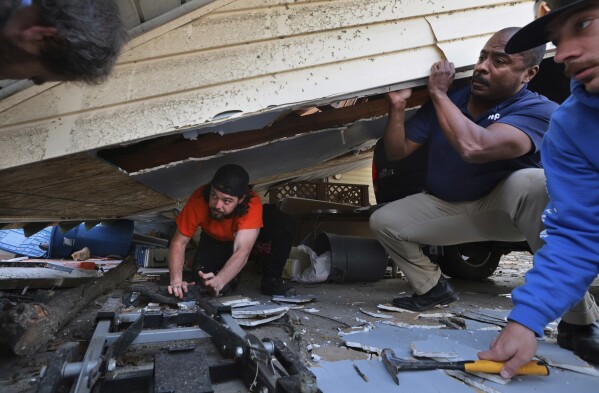
A Trail of Destruction: Devastating US Storm Leaves 32 Dead

The United States is reeling from the devastating effects of a massive storm system that has left at least 32 people dead and widespread destruction in its wake. The storm, which brought violent tornadoes, high winds, and dust storms, has affected multiple states, with Missouri emerging as the hardest-hit state.
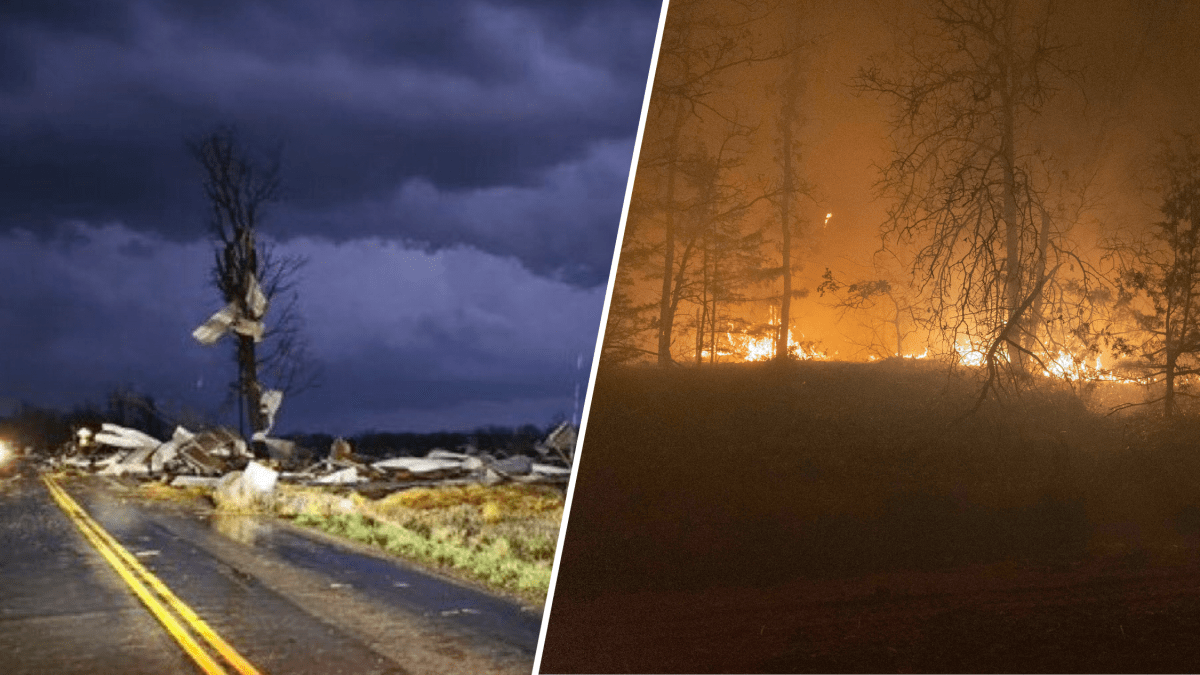
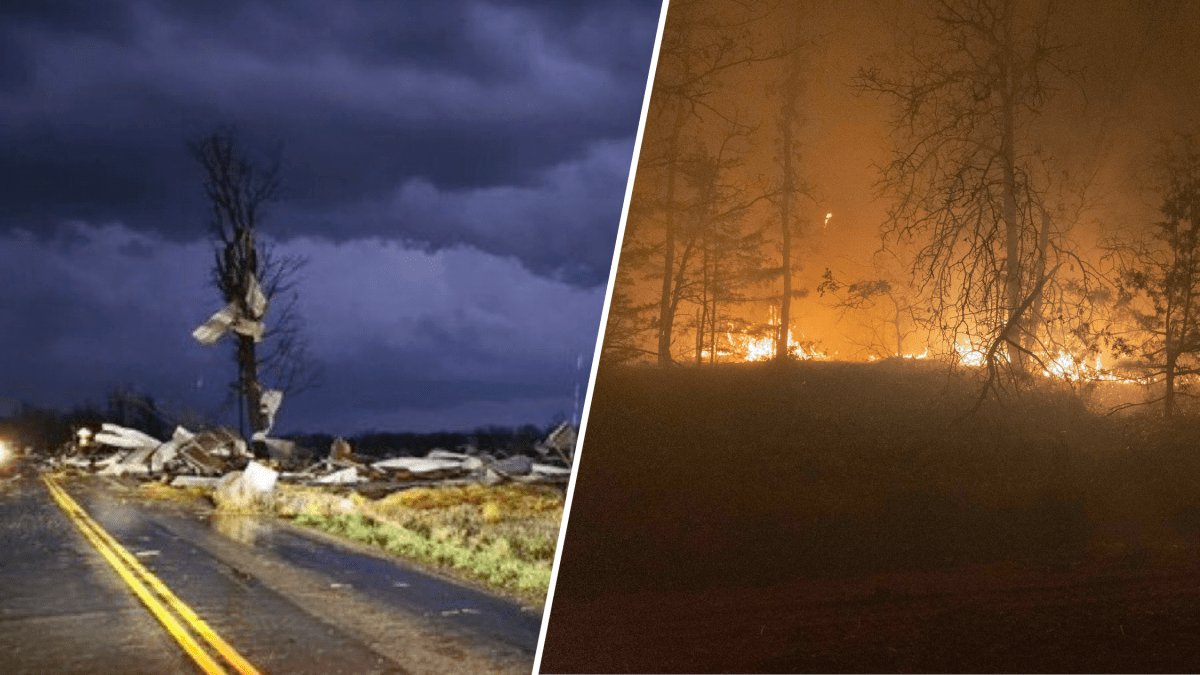
Midwest Mayhem: Tornadoes Unleash Chaos
The Toll of Twisters: Missouri emerges as the hardest-hit state, with at least 12 deaths confirmed as tornadoes tore through communities. Witness accounts paint a picture of utter devastation, with homes reduced to rubble and lives tragically lost.
- The storm system has caused widespread destruction, with homes, schools, and businesses severely damaged or destroyed.
- The National Weather Service has reported tornadoes in multiple states, with the greatest impact felt in Missouri.
- The storm has also triggered deadly dust storms, which have caused multiple fatalities and injuries.
- The pileup occurred on a major highway in Sherman County, with multiple vehicles involved.
- The Kansas Highway Patrol has reported that the dust storm was a significant contributing factor to the pileup.
- The incident has raised concerns about the safety of drivers during severe weather conditions.
- The storm has caused widespread power outages, with thousands of residents left without electricity.
- The Arkansas National Guard has been deployed to assist with relief efforts.
- Residents are advised to stay indoors and avoid travel during the storm.
Pileup in Sherman County
A dust storm, whipped up by the same storm system, caused a horrific 50-vehicle pileup in Kansas, claiming the lives of eight people. This chilling event highlights the unpredictable and deadly nature of severe weather.
Arkansas Reels
Three deaths and 29 injuries are reported across Arkansas as the storm system continues its relentless march eastward.

Mississippi Mourns: Fatalities and Uncertainty
Mississippi is mourning the loss of six people, with three individuals still missing, as the storm system continues to wreak havoc across the state.
Rising Death Toll
The storm has left a trail of destruction in its wake, impacting 29 individuals across the state. First responders are working tirelessly to assess the damage and provide assistance to those affected.
- The Mississippi Emergency Management Agency has reported that the storm has caused significant damage to infrastructure and homes.
- Residents are advised to be cautious when approaching damaged buildings and power lines.
- The state has activated its Emergency Operations Center to coordinate relief efforts.
- The storm has also triggered deadly dust storms, which have caused multiple fatalities and injuries.
- Residents are advised to stay indoors and avoid travel during the storm.
- The state has activated its Disaster Relief Fund to provide assistance to those affected.
Widespread Destruction
The storm has caused widespread destruction, with homes, businesses, and infrastructure severely damaged or destroyed.
Extreme Weather Conditions
The storm system has brought extreme weather conditions, including high winds, dust storms, and tornadoes, affecting multiple states.
Wind Gusts
The National Weather Service has reported wind gusts of up to 80 mph (130 kph) in some areas, with the greatest impact felt in Missouri.
- The wind gusts have caused widespread power outages and damage to infrastructure.
- Residents are advised to stay indoors and avoid travel during the storm.
- The state has activated its Emergency Operations Center to coordinate relief efforts.
- The dust storms have reduced visibility to near zero, making it difficult for drivers to navigate the roads.
- Residents are advised to stay indoors and avoid travel during the storm.
- The state has activated its Disaster Relief Fund to provide assistance to those affected.
Dust Storms
The storm has triggered deadly dust storms, which have caused multiple fatalities and injuries.
States of Emergency Declared
Multiple governors have declared states of emergency in response to the storm, with the greatest impact felt in Missouri and Mississippi.
Missouri
The governor of Missouri has declared a state of emergency, with the National Guard deployed to assist with relief efforts.
- The state has activated its Emergency Operations Center to coordinate relief efforts.
- Residents are advised to stay indoors and avoid travel during the storm.
- The state has activated its Disaster Relief Fund to provide assistance to those affected.
- The state has activated its Emergency Operations Center to coordinate relief efforts.
- Residents are advised to stay indoors and avoid travel during the storm.
- The state has activated its Disaster Relief Fund to provide assistance to those affected.
Mississippi
The governor of Mississippi has declared a state of emergency, with the National Guard deployed to assist with relief efforts.
Relief Efforts Underway
Relief efforts are underway in multiple states, with the National Guard and first responders working tirelessly to assist those affected.
Missouri
The governor of Missouri has activated the National Guard to assist with relief efforts, with troops deployed to assist with search and rescue operations.
- The state has activated its Emergency Operations Center to coordinate relief efforts.
- Residents are advised to stay indoors and avoid travel during the storm.
- The state has activated its Disaster Relief Fund to provide assistance to those affected.
- The state has activated its Emergency Operations Center to coordinate relief efforts.
- Residents are advised to stay indoors and avoid travel during the storm.
- The state has activated its Disaster Relief Fund to provide assistance to those affected.
Mississippi
The governor of Mississippi has activated the National Guard to assist with relief efforts, with troops deployed to assist with search and rescue operations.
Widespread Impacts: Beyond Tornadoes
The recent storm system has brought devastating consequences beyond the destruction caused by violent tornadoes. The powerful winds have fanned over 100 wildfires across the US, blanketing Oklahoma in smoke and forcing evacuations.
Firestorm Fury
The wildfire situation in Oklahoma is dire, with nearly 300 homes damaged or destroyed and over 130 fires reported across the state. Evacuations have been ordered in some communities as the situation remains critical.
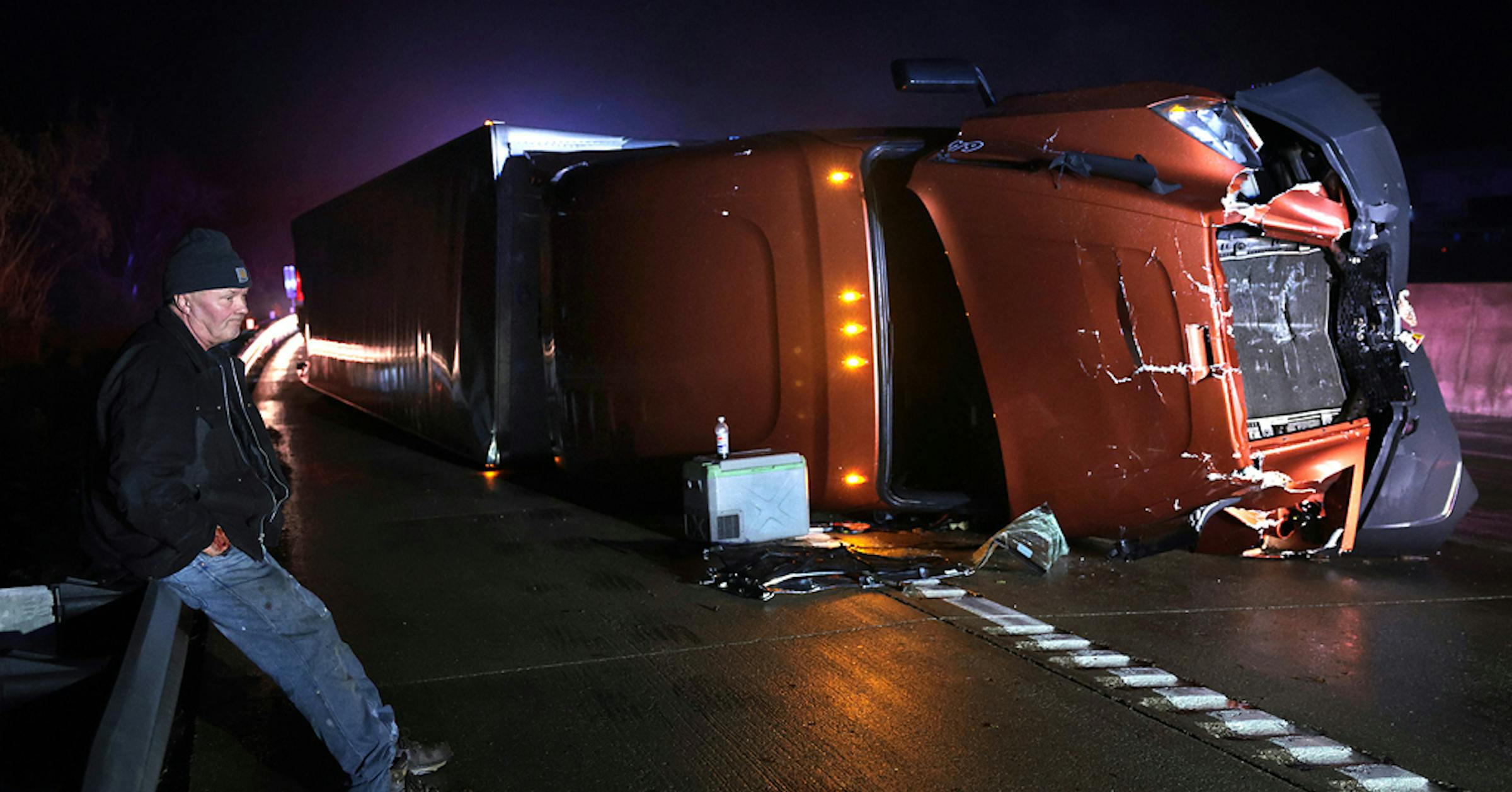
The State Patrol reported that winds were so strong that they toppled several tractor-trailers, causing significant disruptions to transportation and commerce.
Blizzard Warnings Issued
From Minnesota to South Dakota, blizzard warnings have been issued, with potential for significant snowfall and dangerous wind gusts. The National Weather Service forecasts snow accumulations of 3 to 6 inches (7.6 to 15.2 centimeters) in affected areas, with up to a foot (30 centimeters) possible.
Winds gusting to 60 mph (97 kph) are expected to cause whiteout conditions, making travel extremely hazardous. Officials urge residents to stay indoors and avoid travel unless absolutely necessary.
Impact on Technology and Infrastructure
Extreme weather events like this can cripple communication networks, disrupt power grids, and cause widespread damage to infrastructure. This highlights the vulnerability of our technological systems and the need for greater resilience and redundancy in critical infrastructure.
The storm’s impact on technology and infrastructure is a pressing concern, particularly in areas with critical infrastructure such as power plants, hospitals, and emergency services.
Staying Safe: Preparedness in the Face of Nature’s Fury
As the storm continues to wreak havoc across the country, it’s essential to take necessary precautions to stay safe. Geeksultd readers are encouraged to review and update their emergency preparedness kits, ensuring they have essential supplies like water, food, first aid, and a weather radio.
Emergency Kits
A well-stocked emergency kit can be a lifesaver in times of crisis. Make sure to include:
- Water (at least 1 gallon per person per day)
- Non-perishable food
- First aid kit
- Weather radio or NOAA Weather Radio
- Flashlights and extra batteries
- Whistle to signal for help
- Dust mask or bandana
- Moist towelettes, garbage bags, and plastic ties for personal hygiene
- Radar and satellite imagery
- Weather apps and websites
- Emergency alerts and notifications
- Local news and media outlets
Staying Informed
Utilize reliable weather apps and websites to monitor storm developments and receive timely alerts. Pay attention to official warnings and evacuation orders from local authorities.
Stay informed about the latest weather forecast, warnings, and instructions from local authorities through:
Tech as a Lifeline
Your smartphone can be a lifeline in times of crisis. Leverage your device to connect with loved ones, access critical information, and share your location in case of emergency.
Connectivity and Communication
Stay connected with loved ones through:
- Phone calls and text messages
- Video calls and messaging apps
- Social media and online platforms
- Weather apps and websites
- News and media outlets
- Emergency alerts and notifications
- Location sharing
- Emergency SOS
- Find My Friends and Family
Access critical information through:
Location Sharing and Safety Features
Take advantage of safety features on your device, such as:
Conclusion
A Devastating Storm Brings Unprecedented Losses: 32 Dead in US, Kansas and Mississippi Ground Zero
A massive storm swept across the United States, leaving an estimated 32 dead and causing widespread destruction in the affected regions. The Associated Press reports that these unprecedented losses are just the beginning, with multiple fatalities reported in the states of Kansas and Mississippi. This catastrophic event serves as a stark reminder of the immense power and unpredictability of severe weather conditions, underscoring the importance of preparedness and resilience in the face of natural disasters.
The significance of this storm lies in its far-reaching impact on the nation’s infrastructure, economy, and social fabric. As the storm’s aftermath unfolds, it is clear that the consequences will be felt across various sectors, from healthcare and education to agriculture and urban planning. The resilience of communities, their ability to come together in times of crisis, and their capacity to adapt to evolving circumstances will play a crucial role in determining the overall trajectory of the affected regions.
As the country continues to grapple with the aftermath of this devastating storm, it is clear that the road to recovery will be long and arduous. The long-term implications of this disaster will be felt for years to come, with a lasting impact on the region’s economic, social, and environmental landscape. However, even in the face of adversity, it is essential to recognize the strength and resilience of the human spirit, and to harness this collective determination to drive positive change and foster greater understanding and empathy.
As we navigate the complexities and challenges of this unprecedented crisis, let us not forget the profound impact that this storm has had on our collective psyche. The resilience and adaptability of the American people in the face of unimaginable loss will serve as a powerful reminder of the indomitable human spirit, and the capacity for us to come together and transcend even the most daunting challenges. As we emerge from the darkness of this storm, let us emerge stronger, wiser, and more united, with a renewed commitment to building a more just, equitable, and sustainable future for all.