## Can a Click Combat Crisis? South Sudan, Tech, and the Fight Against Sexual Assault
South Sudan, a nation grappling with conflict and poverty, faces a horrifying reality: sexual violence is rampant. The scars run deep, leaving survivors shattered and communities traumatized. But amidst the struggle, a glimmer of hope emerges – technology.
The Power of Technology in Addressing Sexual Assault
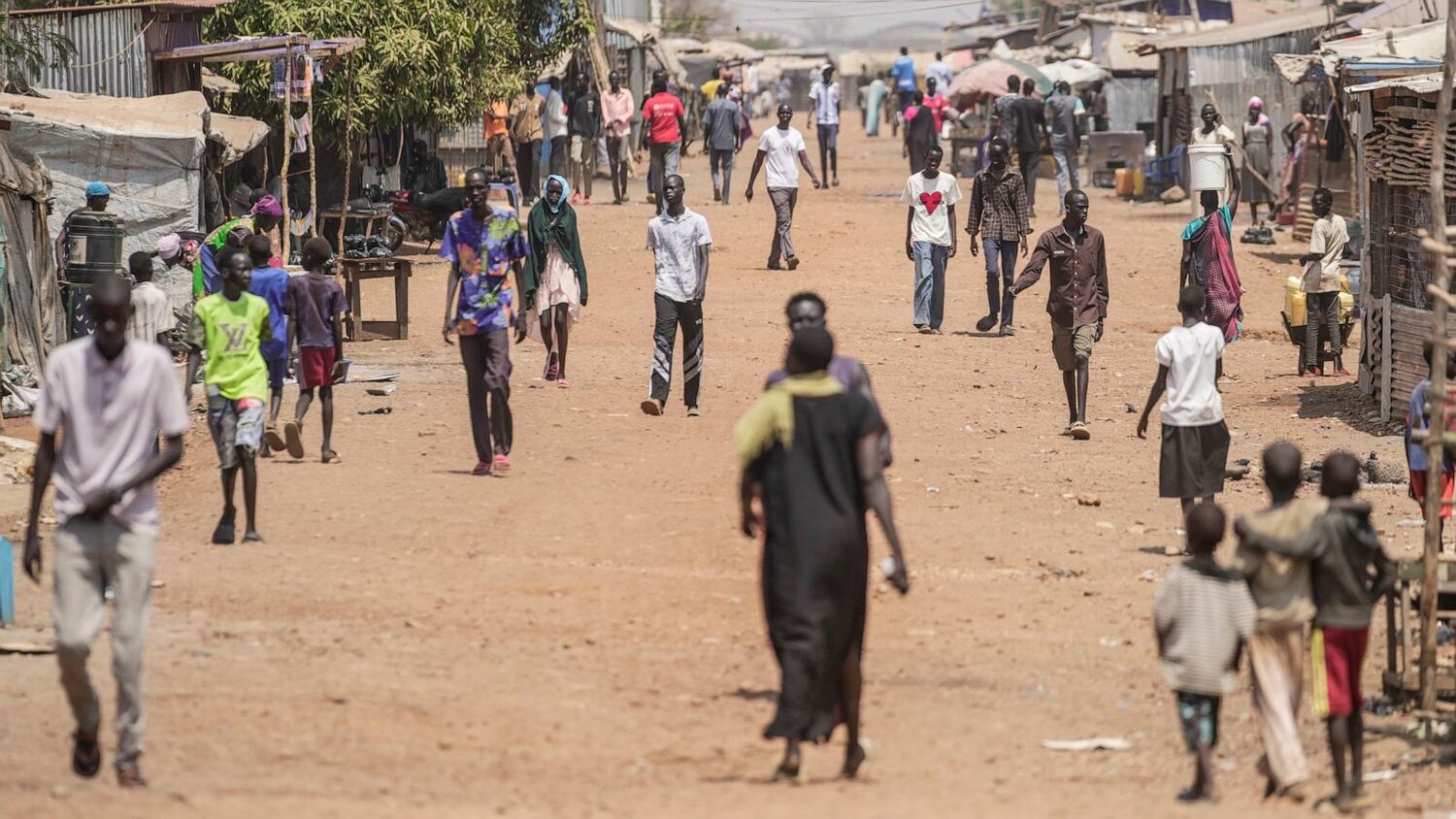
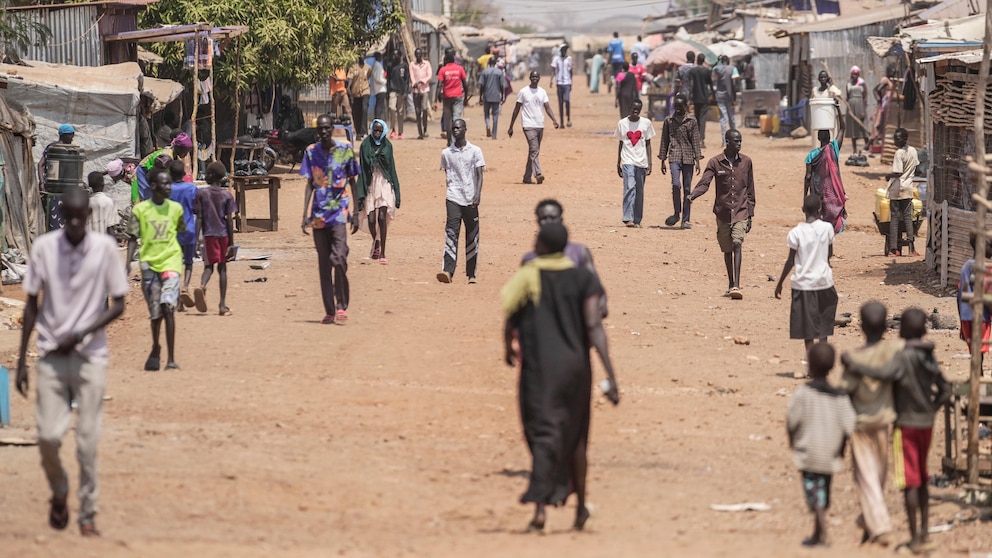
In South Sudan, where sexual assault is a constant risk for many women, one aid group is using technology to bridge the gap and find and help survivors more quickly.
A pilot project using WhatsApp to report cases of sexual assault has shown promising results, with 135 cases reported in the chatbot’s first three months.

The Pilot Project: Using WhatsApp to Report Cases of Sexual Assault
The Israel-based organization, IsraAID, created a chatbot that prompts questions for its staff to ask survivors of sexual assault to anonymously share their experiences.
The information is put into the phone while speaking to the person, and the bot immediately notifies a social worker, providing help to the person within hours.
The Benefits: Reduced Human Error, Improved Communication, and Faster Response Times
Papers can get misplaced, and information can go missing, said Rodah Nyaduel, a psychologist with the group.
When colleagues document an incident, she’s notified by phone and told what type of case it is.
Data Privacy Concerns: Ensuring Protection
Technology can reduce human error and manual file keeping, but organizations need to ensure data privacy.
“How do they intend to utilize that information, does it get circulated to law enforcement, does that information cross borders. Groups need to do certain things to guarantee how to safeguard that information and demonstrate that,” said Gerardo Rodriguez Phillip, an AI and technology innovation consultant in Britain.
IsraAID said its data is encrypted and anonymized.
It automatically deletes from staffers’ phones.
The Potential for Remote Support: Survivors’ Feedback
Some organizations say that, based on survivors’ feedback, the ideal app would allow people to get help remotely.
Stigma surrounding sexual assault further complicates efforts to get help in South Sudan.
The Limitations of Technology: Human Factors and Infrastructure
The challenges of low connectivity and high illiteracy in South Sudan make it difficult to rely solely on technology.
The importance of human support and social workers in aiding survivors cannot be overstated.
-
Survivors need accessible and anonymous reporting mechanisms.
-
Technology can reduce stigma and increase access to help.
However, aid groups have closed some services, including psychological support for women, affecting tens of thousands of people due to reduced assistance by international aid groups and scant government investment in health.
U.S. President Donald Trump’s recent executive order to freeze USAID funding during a 90-day review period is exacerbating the challenges.
Technology isn’t widely used by aid groups focused on gender-based violence in South Sudan.
Conclusion
Conclusion: Harnessing Technology to Empower Survivors of Sexual Assault in South Sudan
The article “Can Technology Help More Survivors of Sexual Assault in South Sudan?” shed light on the uncharted territory of leveraging technology to support survivors of sexual assault in South Sudan. The key takeaway is that technology can indeed play a vital role in empowering survivors by providing them with a safe space to report incidents, access crucial support services, and connect with others who have gone through similar experiences. The article highlighted the importance of mobile-based reporting systems, online support groups, and digital counseling platforms in filling the gaps in existing support services. Moreover, it emphasized the need for awareness and education campaigns to ensure that survivors are aware of the available technology-based support services.
The implications of this article are far-reaching, as they underscore the potential of technology to democratize access to justice and support for survivors of sexual assault in South Sudan. By harnessing the power of technology, we can reach vulnerable populations in remote areas, break down cultural and social barriers, and create a culture of support and solidarity. As we look to the future, it is essential that policymakers, tech entrepreneurs, and civil society organizations collaborate to develop and implement technology-based solutions that address the unique challenges faced by survivors of sexual assault in South Sudan. By doing so, we can create a more just and equitable society where survivors feel empowered to seek help and rebuild their lives.