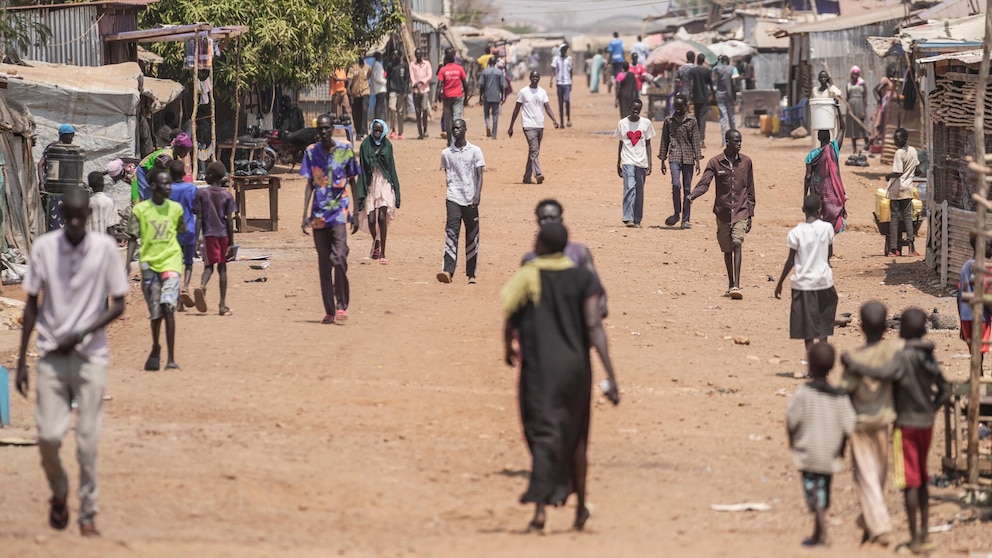
In the ravaged landscape of South Sudan, the scars of a brutal conflict are still raw and deep. The once-thriving nation has been ravaged by years of civil war, leaving behind a trail of destruction, displacement, and unimaginable trauma. For survivors of sexual assault, the road to healing is often fraught with peril, and the prospect of recovery can seem daunting.
But amidst the darkness, a glimmer of hope emerges. Advances in technology, a last-ditch effort to combat the entrenched violence, may hold the key to supporting survivors. As the international community grapples with the complexities of addressing this crisis, a new challenge arises: can technology truly help those left behind?

Sexual Assault in South Sudan: A Persistent Challenge
Prevalence and Impact of Sexual Assault

Sexual assault remains a pervasive issue in South Sudan, affecting numerous women and girls. The frequency of such assaults is alarming, with many incidents often going unreported due to the stigma and fear associated with such violence. The nature of these assaults ranges from rape to sexual harassment, leaving survivors with profound psychological and physical consequences. These include post-traumatic stress disorder (PTSD), physical injuries, and unwanted pregnancies. The psychological trauma is often exacerbated by the lack of support and the societal norms that discourage discussion of such matters. Additionally, these acts contribute to a broader erosion of community cohesion and stability, creating an environment where violence is perceived as a norm rather than an anomaly.

Barriers to Accessing Help
Several barriers impede survivors from accessing the necessary help and support. Limited accessibility to healthcare services is a critical issue, as many clinics and hospitals lack the essential medical supplies and trained professionals needed to provide adequate care. Cultural and societal barriers further exacerbate the problem, as many victims fear the social repercussions of reporting their assaults, fearing ostracization or blame within their communities. Economic constraints also play a significant role, as many survivors cannot afford the costs associated with seeking medical and psychological assistance, including transportation to and from healthcare facilities.
Innovative Approaches to Aiding Survivors
Technological Innovations in Support of Survivors
Amidst these challenges, technological innovations are being explored as potential solutions. One such initiative is the WhatsApp chatbot developed by IsraAID, an Israel-based organization. This chatbot serves as a digital liaison between survivors and aid workers, enabling anonymous reporting and immediate assistance. By leveraging the widespread use of mobile technology in South Sudan, this tool provides a safer environment for survivors to communicate their experiences without fear of immediate identification. The anonymous nature of the chatbot reduces the psychological barrier and facilitates quicker intervention, which is crucial for medical treatment, particularly the administration of Post-Exposure Prophylaxis (PEP) within the critical 72-hour window.
Success Stories with the Chatbot
The chatbot has shown significant promise in its initial deployment. Within the first three months of its operation, it reported 135 cases of sexual assault. One profiled survivor, a 28-year-old woman, experienced gang-rape while collecting firewood. Initially, she encountered numerous obstacles in seeking help, including closed clinics, delayed responses, and financial barriers. However, through the chatbot, she was able to reach out for help, leading to prompt medical and psychological assistance. The chatbot’s efficiency in communication and immediate response contrasts sharply with traditional methods, which often involve delayed or missed responses due to poor record-keeping or human error.
Technological Benefits and Limitations
Efficiency and Impact
The introduction of the WhatsApp chatbot has demonstrated substantial efficiency in communication and data management. This technological tool streamlines the reporting process, reducing the time it takes to connect survivors with the appropriate support services. By automating the process of recording and reporting incidents, the chatbot minimizes the risk of human error and manual mismanagement of sensitive information. This ensures that survivors receive timely and appropriate care, which is critical for their recovery and reintegration into society.
Challenges and Data Privacy
Despite the benefits, the implementation of the chatbot faces several challenges. South Sudan’s low connectivity rates and high rates of illiteracy pose significant obstacles to widespread adoption. Additionally, data privacy concerns are paramount, as the collection and use of sensitive information necessitates stringent safeguards to prevent misuse. To address these concerns, IsraAID has implemented several measures, including encryption and anonymization of data, as well as the automatic deletion of data from personal devices to prevent unauthorized access. Expert analysis by Gerardo Rodriguez Phillip, an AI and technology innovation consultant, highlights the importance of clear communication about data usage and safeguarding to build trust among survivors and the broader community.
Case Studies and Practical Applications
Profile of a Survivor Assisted by the Chatbot
A poignant example of the chatbot’s impact is the case of a 28-year-old survivor who was gang-raped while gathering firewood. Despite her efforts to seek help from local aid groups, she encountered numerous obstacles, including delayed responses and financial barriers. With the introduction of the chatbot, her information was promptly relayed to IsraAID’s social workers, leading to immediate medical and psychological support. The chatbot’s ability to circumvent the traditional barriers of delayed responses and human error underlines its potential in improving the efficacy of aid delivery.
Comparison with Traditional Methods
Traditional methods of reporting and assistance, such as handwritten notes and delayed follow-ups, often result in delayed or missed interventions, which can be detrimental to the health and well-being of survivors. In contrast, the chatbot streamlines the process, ensuring that survivors receive timely and appropriate care. The 28-year-old survivor’s case is a testament to the transformative potential of technology in addressing the systemic issues faced by survivors in South Sudan. By providing a secure and efficient means of communication, the chatbot not only aids in the immediate assistance of survivors but also contributes to the broader goal of reducing the incidence and impact of sexual violence in the region.
Challenges and Solutions
Addressing Survivors’ Concerns about Data Privacy
Geeksultd delves into the intricate challenges faced by survivors of sexual assault in South Sudan, focusing on the critical aspect of data privacy. In a region where traditional aid mechanisms often fall short, technological solutions promise a new avenue for support. However, the introduction of these tools necessitates a robust framework for data protection to build trust among survivors. A pilot program by IsraAID, an Israel-based organization, has launched a WhatsApp chatbot aimed at collecting information about sexual assault cases anonymously. The key to this initiative’s success lies in its stringent data privacy measures, which include encryption and anonymization of data. The data is stored securely and is immediately deleted from the social workers’ devices post-consultation, ensuring that personal information remains confidential. This approach not only protects survivors but also encourages more individuals to report their experiences, thereby increasing the efficacy of the support provided.
Overcoming Logistical and Cultural Barriers
Logistical and cultural barriers in South Sudan present significant hurdles for survivors seeking assistance. Low connectivity, high illiteracy rates, and cultural sensitivities complicate the delivery of aid. Tech solutions must address these issues through careful design and implementation. For instance, the IsraAID WhatsApp chatbot uses simple, intuitive prompts to gather information, making it accessible to individuals with varying levels of digital literacy. Additionally, the technology is integrated with local cultural practices, ensuring that it is perceived as a culturally sensitive tool. Collaborative efforts with local communities and leaders are essential to mitigate cultural barriers and foster a supportive environment for survivors. These measures help in bridging the gap between aid organizations and the communities they serve, facilitating faster and more effective aid delivery.
Broader Implications and Future Directions
Impact on Aid Delivery
The integration of technology in aid delivery for sexual assault survivors in South Sudan has the potential to significantly enhance existing support mechanisms. Traditional aid efforts often face challenges such as misplaced documents and delayed responses, which can be mitigated through technological interventions. For example, the chatbot employed by IsraAID prompts immediate notifications to social workers, streamlining the response process and ensuring timely assistance. Furthermore, as international aid fluctuates, particularly with reduced funding, technology can serve as a cost-effective and efficient alternative. However, the role of technology should complement rather than replace human interaction, ensuring that the emotional support and personalized care essential for survivors are not overlooked.
Expanding Technological Solutions
The future of tech-based support in South Sudan promises innovative solutions tailored to the unique needs of survivors. Potential advancements include the development of multilingual applications and the use of biometric identification for secure and efficient record-keeping. These solutions aim to improve access to aid and streamline the reporting and response process. Recommendations for other aid organizations include conducting thorough needs assessments and engaging in continuous dialogue with local communities to ensure the technology aligns with cultural norms and practical needs. This approach not only enhances the effectiveness of aid delivery but also fosters long-term trust and cooperation between aid providers and the communities they serve.
Community and Cultural Considerations
The Role of Stigma and Cultural Sensitivity
In South Sudan, the stigma associated with sexual assault significantly impedes survivors from seeking help. Cultural norms often discourage public discussion of such experiences, leading many to suffer in silence. Technological solutions must therefore be designed with cultural sensitivity in mind. IsraAID’s WhatsApp chatbot, for example, operates on a platform familiar to many South Sudanese, while maintaining anonymity to protect the survivor’s identity. By framing the technology as a confidential and secure tool, it can mitigate some of the stigmas associated with reporting sexual assault. This approach requires a nuanced understanding of local cultures and requires ongoing feedback from survivors and community leaders to refine the technology’s impact.
Empowering Communities
Empowerment through technology is a critical aspect of supporting survivors of sexual assault in South Sudan. By leveraging technology, survivors gain access to immediate support and resources, increasing their autonomy and reducing the psychological burden of isolation. Community empowerment is further enhanced through collaborative efforts between tech solutions and community support systems. For instance, local leaders and community health workers can be trained to use these technological tools effectively, ensuring that they become a part of the community’s support network. This integration not only supports individual survivors but also strengthens community resilience and cohesion.
Conclusion
As we conclude our exploration of how technology can aid survivors of sexual assault in South Sudan, it is clear that the intersection of innovation and social justice holds immense potential for transformation. The article highlighted the pressing need for accessible and confidential reporting mechanisms, as well as the role that mobile technology can play in bridging the gap between victims and support services. By leveraging digital platforms, survivors can report incidents anonymously, receive critical support, and connect with local organizations that provide essential resources.
The implications of this discussion are far-reaching, with the potential to disrupt the cycle of silence and shame that often accompanies sexual assault in South Sudan. By harnessing technology as a tool for empowerment, we can begin to dismantle the barriers that prevent survivors from seeking help and provide them with the dignity and support they deserve. As the debate around technology’s role in addressing this crisis continues, it is essential to consider the long-term implications of our actions and the impact they will have on the lives of survivors.
As we move forward, it is our collective responsibility to prioritize the development of innovative solutions that prioritize the needs and dignity of survivors. By doing so, we can create a future where technology serves as a catalyst for healing, justice, and human rights – a future where no survivor is left behind, and the promise of a safer, more compassionate society becomes a tangible reality.