“Market Volatility Hits New Heights: Trump Set to Address Business Leaders Amid Ongoing Sell-Off” In a tumultuous week for global markets, the Dow Jones Industrial Average plummeted to its lowest level in over a year, leaving investors reeling and wondering what’s next. Just as concerns about trade tensions and economic uncertainty seemed to be escalating, news broke that President Donald Trump will address the CEOs of the world’s top companies at the Business Roundtable’s annual conference. The stakes are high: with the sell-off continuing unabated, Trump’s words will be closely watched by business leaders and investors alike, who are eagerly awaiting any clarity on the economic outlook. As the market teeters on the brink of chaos, what will Trump say, and how will it impact the fragile global economic landscape?
Tariffs and Trade Wars: The Impact on Business
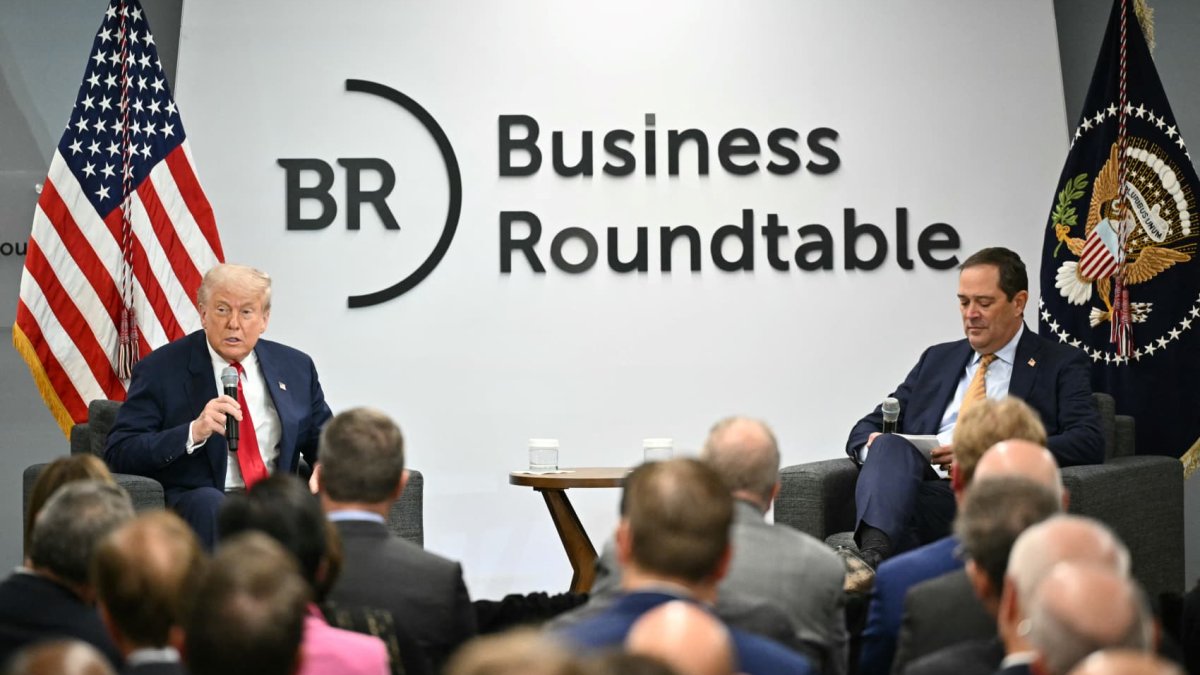
President Donald Trump’s tariff-heavy economic policy has raised uncertainty and fueled a market sell-off, with the Dow Jones Industrial Average losing as much as 700 points before ending the trading day down 478 points, while the S&P 500 and Nasdaq also closed lower.
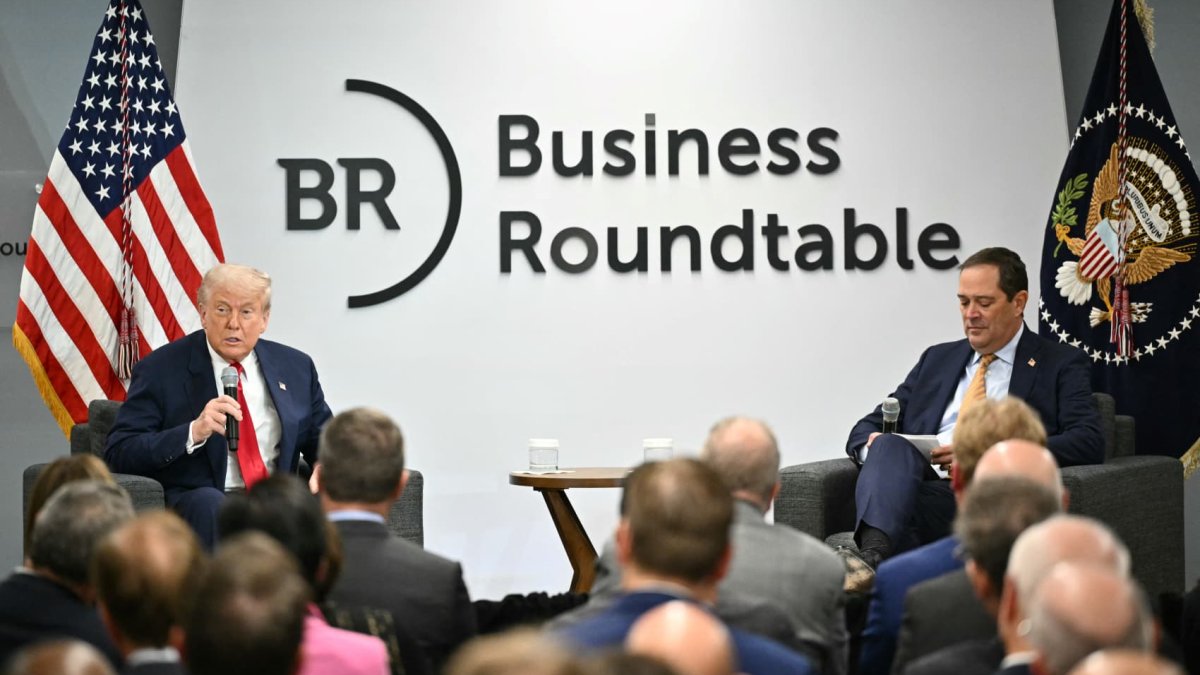
Trump’s on-again, off-again tariffs on Canada and Mexico have been a major source of concern for American families, farmers, and manufacturing. The Business Roundtable, a nonpartisan Washington-based economic advocacy group comprising more than 200 CEOs, has warned that long-lasting duties could have “serious costs” for these groups.
Implications for American Families, Farmers, and Manufacturing
The tariffs have already had a significant impact on certain industries, such as agriculture. China’s retaliatory tariffs on many U.S. agricultural products took effect Monday, and leaders around the world are bracing for the broad “reciprocal tariffs” that Trump has vowed to impose starting April 2.
Meanwhile, the value of companies has been slashed as uncertainty has fueled a market sell-off. Apple CEO Tim Cook, JPMorgan Chase boss Jamie Dimon, GM chief Mary Barra, and Walmart CEO Doug McMillon are all BRT board members who have seen the value of their companies affected.
The tariffs have also raised concerns about the potential for an out-of-control trade war. Trump has brushed off calls for clarity from the business community, as well as fears that his expanding tariff plans risk stoking an out-of-control trade war.
The White House Response
The White House has sought to downplay the market sell-off, arguing that it is more “meaningful” to follow business leaders’ actions instead of short-term stock fluctuations.
“Those day-to-day fluctuations are a snapshot of a moment in time,” White House press secretary Karoline Leavitt said Tuesday. She maintained that business optimism was high, and added, “We are in a period of economic transition.”
Business Optimism and the Period of Economic Transition
Despite the market sell-off, the White House maintains that business optimism is high. However, many experts disagree, citing the uncertainty caused by the tariffs and the potential for an out-of-control trade war.
The White House has also defended Trump’s tariff policy, arguing that it is having a “tremendously positive impact.”
Conclusion
In conclusion, as President Trump prepares to address the CEOs at the Business Roundtable, the markets continue to grapple with the fallout of the ongoing sell-off. The article highlighted the key concerns surrounding the trade war, global economic slowdown, and the president’s unpredictable policy decisions, which have led to heightened volatility and uncertainty in the market. The significance of this meeting cannot be overstated, as the business community and investors alike eagerly await reassurance and clarity on the administration’s economic agenda.
The implications of this meeting extend far beyond the confines of the Business Roundtable, as the global economy hangs in the balance. The outcome of this address will have a ripple effect, influencing investor sentiment, business confidence, and ultimately, the trajectory of the economy. As the world watches, one thing is clear: the stakes are higher than ever, and the need for a coherent and effective economic strategy has never been more pressing. Looking ahead, the success of Trump’s address will depend on his ability to strike a balance between reassurance and realism, providing a clear roadmap for the future while acknowledging the complexities of the current economic landscape.