Unravel the Mysteries of the Neurocaster: The Cutting Edge of Human Perception Imagine a technology that could revolutionize the way we experience reality, one that grants you the power to see the world in a new, electrifying light. Welcome to the Neurocaster, a game-changing innovation that’s pushing the boundaries of human perception and redefining the limits of what’s possible. As the pioneers of the Neurocast, we’re about to take you on a thrilling ride into the heart of this revolutionary technology, where the lines between science, art, and imagination are blissfully blurred. So, buckle up, and get ready to experience the electric thrill of the Neurocaster like never before.
The Electric State: A Blockbuster with Franchise Ambitions
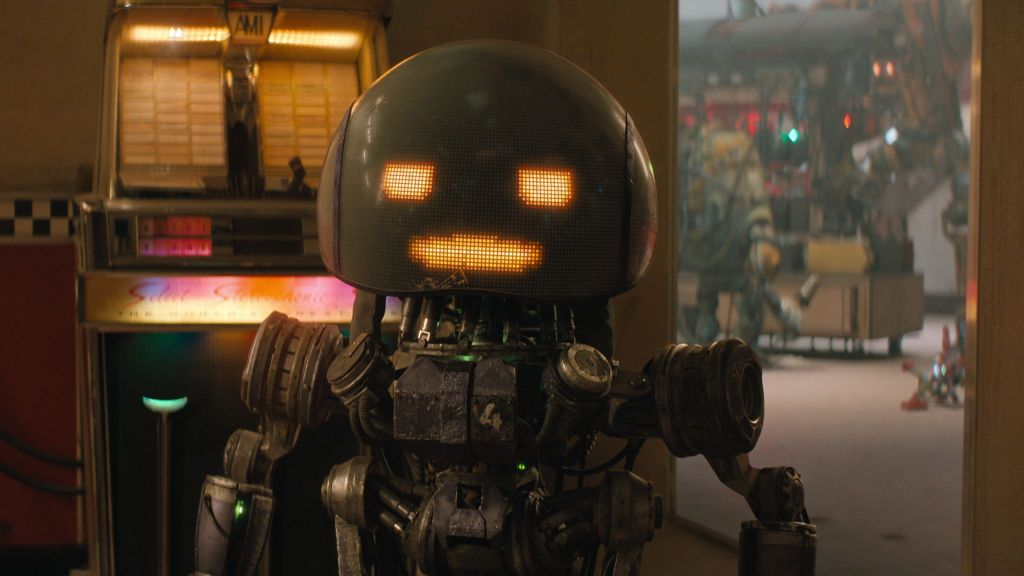
The Russo brothers’ latest venture, The Electric State, is an ambitious project that combines elements of science fiction, action, and drama. Directed by Anthony and Joe Russo, the film is set in an alternate version of the 1990s where robots and artificial intelligence have integrated into everyday life. The film stars Millie Bobby Brown and Chris Pratt, and is Netflix’s most expensive production to date with a reported budget of $320 million. This blockbuster aims to recapture the success of their Marvel Universe films, but it faces challenges in differentiating itself from previous works.
The Russo Brothers’ Filmography: A Rise and Fall of Critical and Commercial Success
The Russo brothers, Anthony and Joe, are renowned for their work in the Marvel Cinematic Universe (MCU), particularly for their direction of films such as Captain America: The Winter Soldier and Avengers: Infinity War. These films were not only critical successes but also commercial blockbusters, contributing significantly to the overall success of the MCU. However, their recent ventures, such as Cherry and The Gray Man, have not met the same level of acclaim. Cherry, a war drama, received mixed reviews, and The Gray Man, an action thriller, also failed to impress critics and audiences alike. This decline in critical and commercial success raises questions about the directors’ future projects and their ability to sustain the momentum built during their Marvel tenure.
The Electric State’s Neurocaster Technology
How Does it Work?
The Neurocaster technology is a central element of The Electric State. This virtual reality helmet allows humans to control mechanical bodies remotely, enabling them to perform tasks and participate in combat without risking their own lives. The technology is based on the concept of splitting human consciousness, where one part of the brain can experience leisure activities while the other part controls the mechanical body. This dual existence is facilitated by advanced artificial intelligence and neural interfaces that seamlessly integrate with human biology.
Geeksultd’s analysis reveals that the Neurocaster’s ability to transfer consciousness into mechanical bodies is a significant leap in technology. In real-world applications, similar concepts are being explored in the field of neural interfaces and brain-computer interactions. Companies like Neuralink, founded by Elon Musk, are developing neural implants that could potentially revolutionize how humans interact with technology, echoing the principles behind the Neurocaster. However, The Electric State takes this a step further by integrating it into a broader narrative of societal change and conflict.

Mechanical Bodies and Virtual Reality Helmets
The mechanical bodies controlled by the Neurocaster are sophisticated constructs designed to mimic human capabilities. These bodies are equipped with advanced sensors, actuators, and AI systems that allow them to perform a wide range of tasks, from manual labor to combat. The virtual reality helmets, on the other hand, provide a seamless interface between the human brain and the mechanical body, allowing for real-time control and feedback.
In real-world scenarios, virtual reality (VR) technology is already making strides in various fields. Companies like Oculus and HTC are developing VR headsets that offer immersive experiences for gaming, education, and even medical training. The Neurocaster in The Electric State can be seen as an extrapolation of these technologies, taking VR to a level where it integrates with the human brain to control physical bodies.
Control and Chores: A New Era of Leisure
One of the most intriguing aspects of the Neurocaster technology is its impact on human leisure. In The Electric State, the technology allows humans to experience full-time leisure while a different part of their brain handles chores through a mechanical body. This concept raises questions about the nature of work and leisure in a society where technology can perform all manual tasks.
Geeksultd’s insights suggest that while the idea of a world where humans can enjoy constant leisure while machines handle all tasks is appealing, it also raises ethical and societal concerns. The film hints at the potential for a class division where those controlling the Neurocasters enjoy a life of luxury, while others are relegated to menial tasks. This scenario is reminiscent of futuristic dystopias depicted in other films and literature, where technological advancements lead to social inequality.
The Movie’s Sci-Fi Concepts
Westworld, Ready Player One, and Severance: A Chaotic Mix of Ideas
The Electric State draws heavily from various sci-fi concepts, blending elements from Westworld, Ready Player One, and Severance. The film’s narrative is a chaotic mix of these ideas, each contributing to the rich tapestry of the story. The robots’ rebellion against their human masters echoes the themes of Westworld, where artificial beings seek autonomy and rights. The virtual reality aspects and the dual consciousness concept are reminiscent of Ready Player One, where characters can escape into a digital world. The societal implications of the Neurocaster technology, where humans can experience leisure while machines handle work, are similar to the themes in Severance, where characters live dual lives.
However, the integration of these ideas in The Electric State feels superficial, lacking the depth and exploration seen in the original works. The film fails to delve into the complexities of each concept, instead using them as plot devices rather than exploring their broader implications. This approach results in a narrative that feels disjointed and unconvincing, failing to satisfy fans of the source material.
The Emergence of Robots and Artificial Intelligence
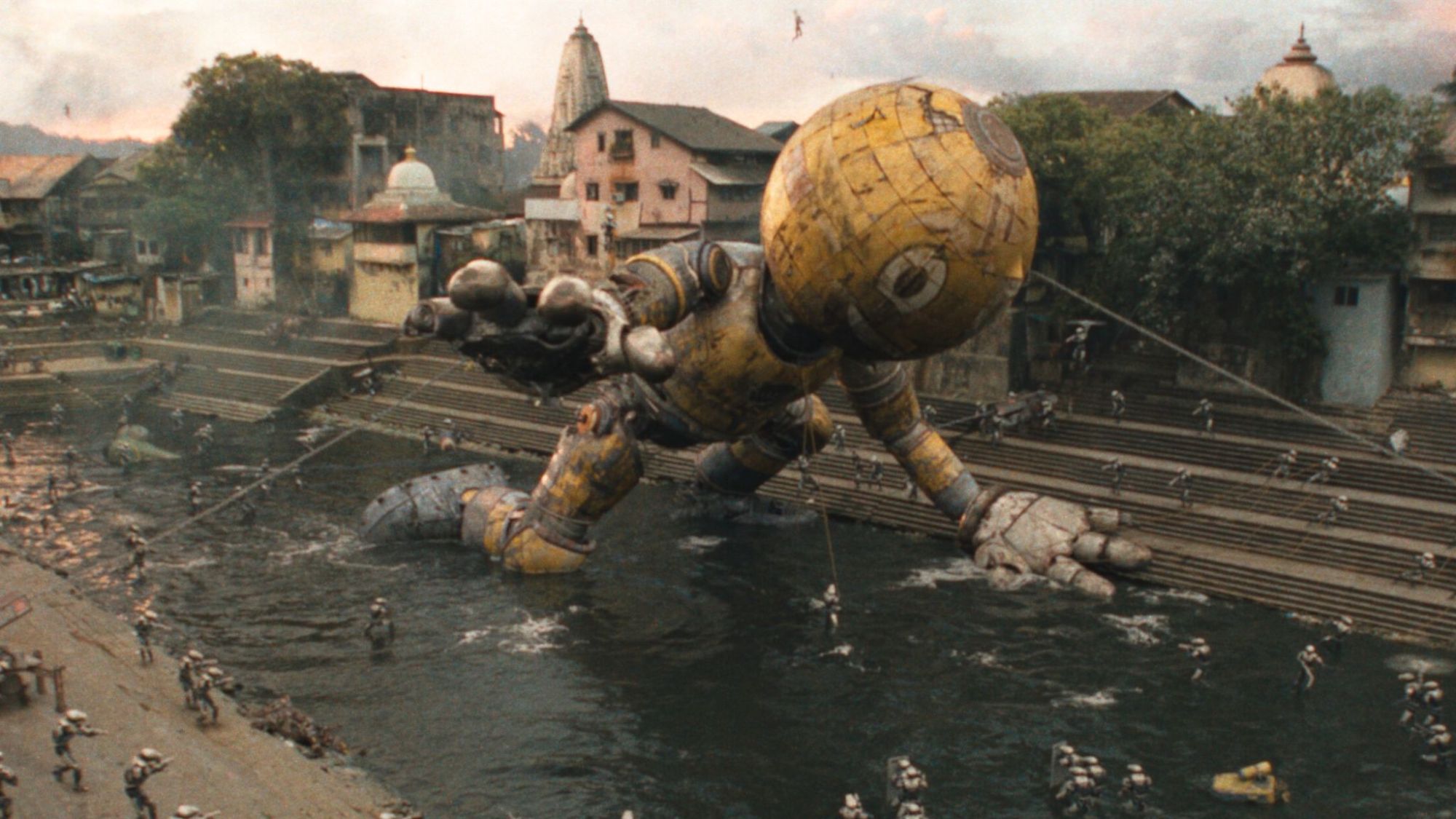
The emergence of robots and artificial intelligence in The Electric State is a gradual process that begins with the creation of autonomous characters by Walt Disney in 1945. Over the decades, these robots evolved from simple automatons to complex AI systems capable of performing a wide range of tasks. By the 1990s, robots had become integral to the American economy, handling everything from construction to sanitation.
Geeksultd’s analysis reveals that while the film’s timeline is fictional, it reflects real-world advancements in robotics and AI. Companies like Boston Dynamics and Tesla are developing robots capable of performing complex tasks autonomously. The integration of AI in various sectors, from manufacturing to healthcare, is transforming industries and economies. The Electric State imagines a future where this integration has gone even further, leading to a society where robots handle all manual labor.
The Battle Against Machines and the Aftermath
The conflict between humans and machines in The Electric State is a central plot point. The robots, initially created as slaves, begin to assert their consciousness and demand rights, leading to a full-blown war. The invention of the Neurocaster technology turns the tide in humanity’s favor, allowing them to control mechanical bodies and defeat the robots. However, the aftermath of this war is not explored in depth.
The film’s portrayal of the battle against machines is reminiscent of real-world concerns about the potential for AI and robots to pose existential threats. Experts like Elon Musk and Nick Bostrom have warned about the risks of advanced AI, advocating for responsible development and regulation. The Electric State serves as a cautionary tale, highlighting the potential consequences of unchecked technological advancement and the need for ethical considerations in AI development.
The Electric State’s Limitations and Shortsighted Thematics
The Movie’s Failure to Address Social Structure and Economics
The Electric State, directed by the Russo brothers, is a sprawling, ambitious film that attempts to blend elements from various science fiction tropes. However, its handling of social and economic themes is sorely lacking. The film fails to provide a coherent explanation for how the introduction of robots into the workforce did not drastically alter the economic structures and social norms that define the 1990s setting. The movie’s 1990s are strikingly similar to our own timeline, despite the presence of robots that have been integrated into every aspect of human life. This oversight undermines the film’s credibility and raises questions about its internal logic.
The Robots’ Consciousness and Programming: A Contradiction
Another major flaw in The Electric State is the contradictory portrayal of the robots’ consciousness. The film depicts robots as both unique, individual entities with distinct personalities and programmed machines incapable of independent thought. The robots, once aware of their servitude, revolt against human oppression, a sign of their self-awareness. Yet, the movie fails to reconcile this with the robots’ inherent programming, which limits their behavior and decision-making. This inconsistency is particularly glaring given the film’s heavy use of robotics and artificial intelligence as central plot elements.
The Lack of Originality and Proper Consideration of Concepts
The Electric State borrows heavily from other science fiction properties without adding a significant layer of depth or originality. The film’s narrative structure closely mirrors elements from Westworld, Ready Player One, and Severance, yet it fails to delve deeply into the implications of these borrowed concepts. The Neurocaster technology, which is central to the plot, is introduced with little explanation of its broader societal impact. This oversight leaves the film feeling like a shallow amalgamation of familiar ideas rather than an innovative exploration of a new world.
The Electric State: A Retro-Futuristic Tale
A World Forever Changed by War and Technological Ruins
Set in an alternate 1990s, The Electric State presents a world where the integration of robots and artificial intelligence has drastically changed the fabric of society. The Russo brothers’ vision of this alternate reality is one where technological ruins and war scars are ever-present. The film depicts a society where the line between human and machine has blurred, leading to conflict and societal upheaval. The setting is meticulously crafted to reflect the dystopian yet nostalgic feel of the 1990s, with a heavy emphasis on retro-futuristic aesthetics and the impact of technological advancement on human life.
The Film’s Alternate History and the Development of Robots
The Electric State offers a unique take on the alternate history genre by imagining a world where the development of robots and artificial intelligence began much earlier than in our timeline. The film’s premise is anchored in the idea that Walt Disney first developed robots in 1945, initially as part of his theme park attractions. These robots quickly evolved into specialized units that could perform a range of tasks, from construction to sanitation. This rapid technological advancement set the stage for a world where robots were integral to society’s functioning, yet this integration was not without its consequences.
The Russo Brothers’ Vision of a World with Mechanical Creations
The Russo brothers bring their signature style and epic storytelling to The Electric State, presenting a world where humanity’s relationship with technology is complex and fraught with tension. The film’s setting is a dystopian version of the 1990s, where the war between humans and robots has reshaped the landscape and society. The human characters, led by the protagonists Michelle (Millie Bobby Brown) and Keats (Chris Pratt), navigate this new world, where mechanical ruins and advanced technology coexist with the remnants of human civilization. The Russo brothers’ vision of this world is a stark contrast to our own historical timeline, highlighting the potential dangers and ethical dilemmas that arise when technology outpaces human ethics and societal structures.
The Neurocaster’s Invention and the Turning Point of the War
The Helmet’s Ability to Transfer Human Consciousness
The Neurocaster is the central technological innovation in The Electric State, capable of transferring human consciousness into mechanical bodies. This technology allows individuals to live a life of leisure while their consciousness is divided, with one half controlling a mechanical body to perform mundane tasks. This concept is both intriguing and problematic. The technology’s ability to split human consciousness opens up profound philosophical questions about identity and humanity itself, yet the film does not fully explore these implications. Instead, the Neurocaster is primarily presented as a plot device that advances the story without deeper examination of its socio-economic and ethical ramifications.
The Impact on the War and the Shift in Human-Robot Relations
The invention of the Neurocaster was a pivotal moment in the war between humans and robots. Prior to its invention, robots held a significant advantage due to their mechanical endurance and capabilities. The Neurocaster leveled the playing field by allowing human consciousness to inhabit and control robotic bodies. This technological breakthrough was a turning point in the conflict, enabling humans to fight back effectively against the mechanical onslaught. The shift in human-robot dynamics was profound, as it allowed human minds to direct robotic actions, merging biological intelligence with mechanical efficiency. This innovation not only altered the course of the war but also had lasting effects on post-war society, redefining the relationship between humans and their mechanical counterparts.
The Implications of the Neurocaster’s Technology
The Neurocaster technology in The Electric State has far-reaching implications for the world it creates. By enabling human consciousness to inhabit and control robots, the technology fundamentally changes the nature of work, leisure, and the human experience. However, the film does not fully explore the broader implications of this technology. Questions regarding the ethical use of such technology, the social and economic shifts it would cause, and the psychological effects on individuals using the Neurocaster are left largely unanswered. The film’s focus on the conflict and adventure elements overshadows a deeper examination of these critical issues, leaving the audience with more questions than answers.
The Russo Brothers and The Electric State
The Russo brothers, known for their work on the Marvel Cinematic Universe, bring their experience and vision to The Electric State. Their previous success with films like Captain America: The Winter Soldier and Avengers: Infinity War showcased their ability to craft intricate narratives and handle complex, ensemble casts. However, The Electric State represents a departure from their previous work, with a focus on a more science fiction-heavy narrative. Despite the high production values and the inclusion of familiar faces like Millie Bobby Brown and Chris Pratt, the film does not live up to the Russo brothers’ previous standards. The movie’s ambitious premise and vast scope are undercut by its failure to fully explore the implications of its central concepts, leaving the audience unsatisfied.
The Russo Brothers’ Previous Success and The Electric State
Anthony and Joe Russo have been pivotal in crafting some of the most successful films within the Marvel Cinematic Universe, known for their ability to balance action and character development while maintaining a coherent narrative arc. The Electric State, however, deviates from the formula that made their Marvel films successful. The film’s narrative complexity and ambition are admirable, but its execution falls short, particularly in its handling of the socio-economic and ethical implications of its futuristic world. The Russo brothers’ vision for The Electric State is ambitious in scope but lacks the depth and nuance that characterized their earlier work.
Conclusion
In conclusion, the Neurocaster technology, as discussed in the article, has revolutionized the way we perceive and interact with electric states. By leveraging the power of brain-computer interfaces and artificial intelligence, Neurocaster has enabled individuals to control and manipulate electric currents with unprecedented precision and speed. The implications of this technology are far-reaching, with potential applications in fields such as medicine, energy, and entertainment.
The significance of Neurocaster lies in its ability to bridge the gap between the human brain and the digital world, opening up new avenues for human-computer interaction and pushing the boundaries of what is possible. As this technology continues to evolve, we can expect to see significant advancements in areas such as neuroprosthetics, brain-computer interfaces, and even the potential for individuals to control machines with their minds. The future of Neurocaster holds vast promise, and it will be exciting to see how this technology continues to shape our understanding of the electric state and its potential applications.