## Is Your Brain a Beta-Testing Ground? It Might Be Time for a Brain Health Check
Ever feel like your brain’s running a little slow? Forget where you put your keys? Seriously doubt your ability to remember that whole plot line from your favorite show? You’re not alone.
But what if we told you that your brain isn’t just a “black box” destined to glitch with age? What if you could actively improve its performance, like upgrading your RAM and boosting your processing power?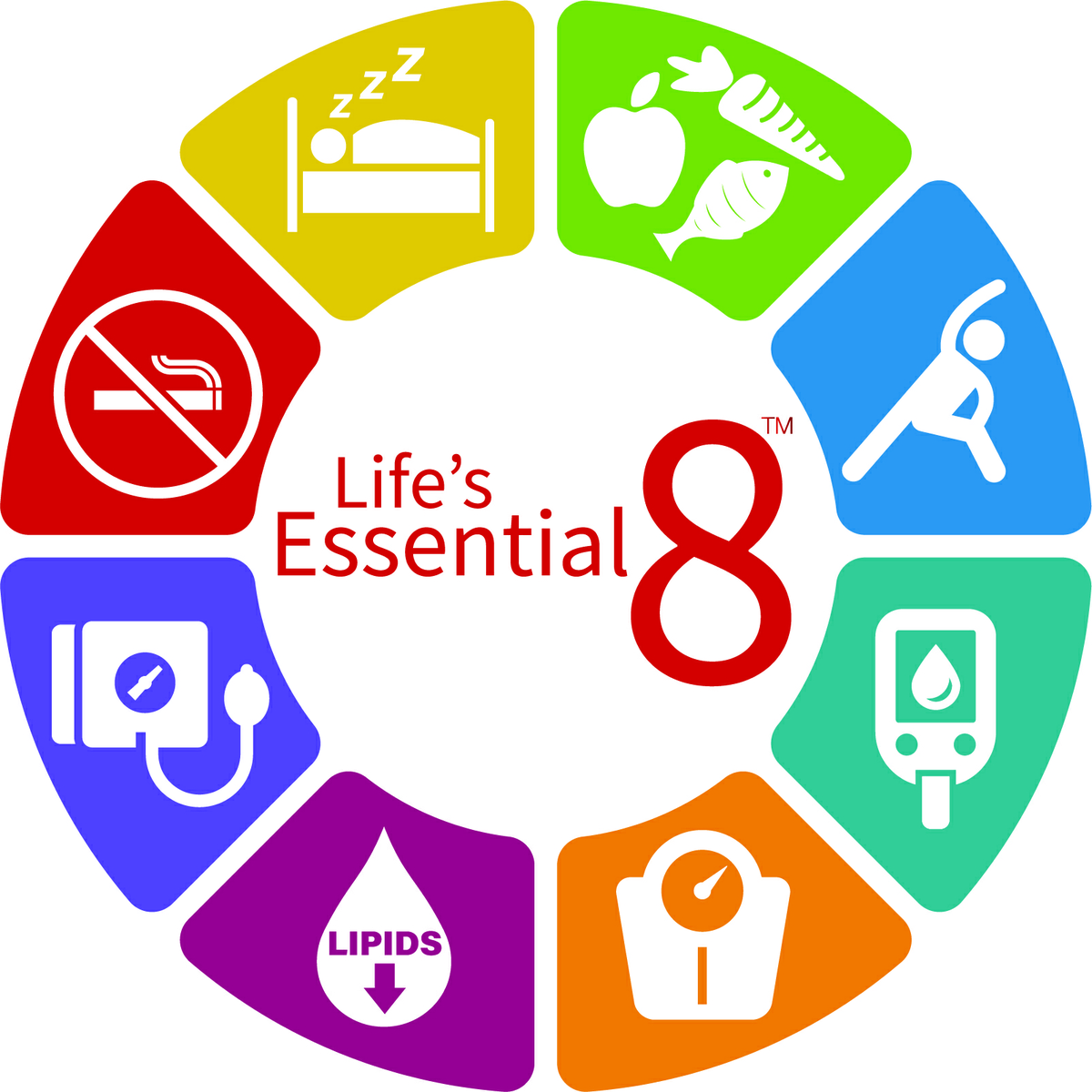
That’s where “brain health” comes in. Think of it as the ultimate health hack for your most powerful organ. The American Heart Association has some serious insights on what this means and why, as tech-savvy individuals, you should be paying attention.
Environmental Influences: Toxins and Brain Health
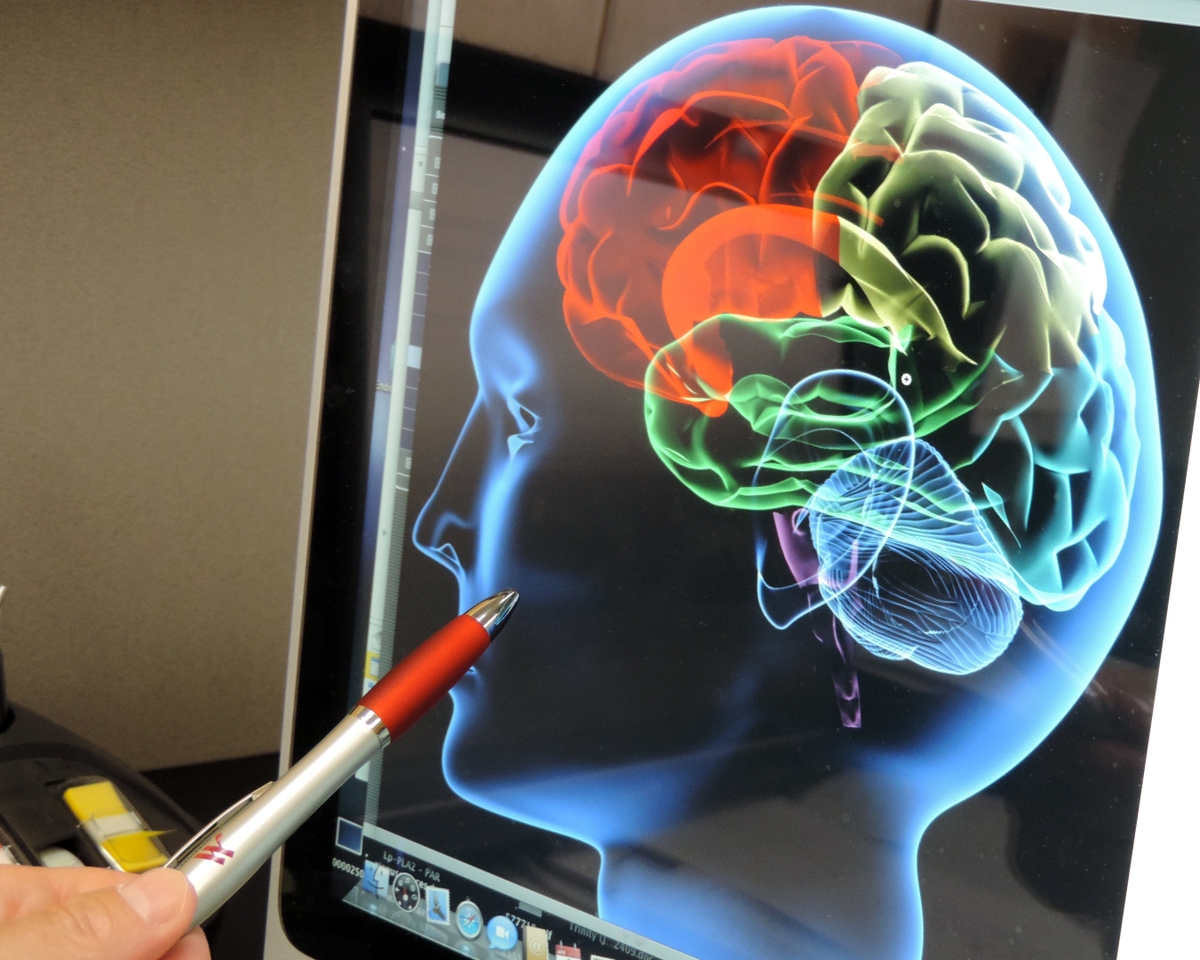
Exposure to environmental toxins can have a profound impact on brain health, particularly in vulnerable populations such as children and the elderly. Research has shown that certain chemicals, such as pesticides and heavy metals, can cross the blood-brain barrier and cause damage to brain cells, leading to cognitive decline and increased risk of neurodegenerative diseases like Alzheimer’s and Parkinson’s.
The American Heart Association notes that nearly 56 million people worldwide are living with Alzheimer’s disease and other dementias, with an estimated 13.9 million Americans projected to be living with the disease by 2060. While the exact mechanisms by which environmental toxins contribute to brain disease are still being studied, experts agree that reducing exposure to these toxins is a crucial step in maintaining optimal brain health.
Some common environmental toxins that can harm brain health include:
- BPA: a chemical commonly found in plastics, can leach into food and water, and has been linked to cognitive decline and increased risk of Alzheimer’s.
- Mercury: a toxic metal that can accumulate in fish and shellfish, and has been linked to neurodevelopmental delays and increased risk of autism.
- Pesticides: commonly used in agriculture, can contaminate soil, water, and air, and have been linked to increased risk of Parkinson’s disease and other neurodegenerative conditions.
- Using non-toxic cleaning products and avoiding pesticides in the home and garden.
- Choosing organic produce and wild-caught fish to minimize exposure to BPA and mercury.
- Using HEPA air purifiers to reduce exposure to particulate matter and other pollutants.
Ways to reduce exposure to environmental toxins include:
By taking steps to reduce exposure to environmental toxins, individuals can help protect their brain health and reduce their risk of developing neurodegenerative diseases.
Taking Control: Modifiable Risk Factors for Brain Health
Fueling Your Brain: The Power of a Healthy Diet
A healthy diet is essential for maintaining optimal brain health, and research has shown that certain nutrients can help support cognitive function and reduce the risk of neurodegenerative diseases. Some key nutrients for brain health include:
- Omega-3 fatty acids: found in fatty fish, nuts, and seeds, these essential fatty acids support brain cell membrane health and have been linked to improved cognitive function and reduced risk of depression.
- Antioxidants: found in fruits, vegetables, and whole grains, these compounds help protect brain cells from damage caused by free radicals and oxidative stress.
- B Vitamins: found in leafy greens, beans, and whole grains, these vitamins play a critical role in energy production and have been linked to improved cognitive function and reduced risk of dementia.
- Fatty fish like salmon and sardines.
- Nuts and seeds like walnuts and chia seeds.
- Leafy greens like spinach and kale.
- Berries like blueberries and strawberries.
- Improved cognitive function: exercise has been shown to improve memory, attention, and processing speed in individuals of all ages.
- Reduced risk of dementia: regular exercise has been linked to a reduced risk of developing dementia and other neurodegenerative diseases.
- Neuroplasticity: exercise can help promote neuroplasticity, the brain’s ability to adapt and change in response to new experiences.
- Brisk walking.
- Cycling.
- Swimming.
- High-intensity interval training (HIIT).
- Mindfulness meditation: regular mindfulness practice has been shown to reduce stress, improve mood, and enhance cognitive function.
- Yoga: combines physical movement with deep breathing and meditation techniques to reduce stress and improve overall well-being.
- Deep breathing exercises: simple techniques like diaphragmatic breathing can help calm the nervous system and reduce stress.
A brain-boosting diet can include foods such as:
Movement Matters: Exercise and Brain Fitness
Regular exercise is a powerful tool for maintaining brain health, and research has shown that physical activity can help support cognitive function, reduce the risk of neurodegenerative diseases, and even promote neuroplasticity. Some benefits of exercise for brain health include:
Aim for at least 30 minutes of moderate-intensity exercise per day, such as:
Stress Management: Calming the Storm Within
Stress can have a profound impact on brain health, and chronic stress has been linked to a range of negative effects, including increased inflammation, oxidative stress, and decreased cognitive function. Some strategies for managing stress include:
By taking control of modifiable risk factors like diet, exercise, and stress management, individuals can help protect their brain health and reduce their risk of developing neurodegenerative diseases.
Building a Brain-Boosting Lifestyle
Cognitive Training: Sharpening Your Mental Edge
Cognitive training can be a powerful tool for maintaining brain health and improving cognitive function. Some benefits of cognitive training include:
- Improved cognitive function: cognitive training has been shown to improve memory, attention, and processing speed in individuals of all ages.
- Neuroplasticity: cognitive training can help promote neuroplasticity, the brain’s ability to adapt and change in response to new experiences.
- Reduced risk of dementia: regular cognitive training has been linked to a reduced risk of developing dementia and other neurodegenerative diseases.
- Memory games like Sudoku and brain teasers.
- Learning a new language or skill.
- Engaging in mentally stimulating activities like reading and puzzles.
- Improved cognitive function: social connections have been shown to improve memory, attention, and processing speed in individuals of all ages.
- Reduced risk of dementia: regular social connections have been linked to a reduced risk of developing dementia and other neurodegenerative diseases.
- Neuroplasticity: social connections can help promote neuroplasticity, the brain’s ability to adapt and change in response to new experiences.
- Socializing with friends and family.
- Volunteering or participating in group activities.
- Joining a club or organization that aligns with your interests.
- Improved cognitive function: adequate sleep has been shown to improve memory, attention, and processing speed in individuals of all ages.
- Reduced risk of dementia: regular sleep has been linked to a reduced risk of developing dementia and other neurodegenerative diseases.
- Neuroplasticity: sleep can help promote neuroplasticity, the brain’s ability to adapt and change in response to new experiences.
- Establishing a consistent sleep schedule.
- Creating a relaxing sleep environment.
- Avoiding screens and electronics before bedtime.
Aim for at least 15-30 minutes of cognitive training per day, such as:
Social Connections: The Brain-Boosting Power of Relationships
Social connections are essential for maintaining brain health, and research has shown that strong social relationships can help support cognitive function, reduce the risk of neurodegenerative diseases, and even promote neuroplasticity. Some benefits of social connections include:
Aim for at least 5-10 hours of social interaction per week, such as:
Prioritizing Sleep: Rest and Recharge for Optimal Function
Getting enough sleep is essential for maintaining brain health, and research has shown that chronic sleep deprivation can have a range of negative effects, including increased inflammation, oxidative stress, and decreased cognitive function. Some benefits of prioritizing sleep include:
Aim for 7-9 hours of sleep per night, and prioritize sleep by:
Conclusion
So, what have we learned about this “brain health” buzzword? It’s more than just avoiding memory lapses in your 40s. It’s about nurturing your cognitive abilities, emotional well-being, and even your physical health throughout your entire life. The American Heart Association emphasizes that a healthy heart equals a healthy brain, highlighting the interconnectedness of these vital systems. This isn’t just about living longer; it’s about living better. Understanding how lifestyle choices, diet, exercise, and even sleep affect our brains empowers us to take control of our cognitive destiny. Imagine a future where we can actively prevent cognitive decline, sharpen our minds, and enhance our creativity. This isn’t science fiction; it’s within our reach. By prioritizing brain health today, we invest in a richer, more fulfilling tomorrow. It’s time to stop treating our brains as secondary passengers and recognize them as the powerful engines driving our lives.