The sweet taste of social media schadenfreude! When a brand as beloved and bold as Red Bull makes a blunder, the internet can’t help but revel in the awkwardness. And that’s exactly what happened when the energy drink giant’s Instagram account committed a rookie mistake, leaving fans and followers alike scratching their heads.
The Blunder: Red Bull’s Unintended Instagram Like

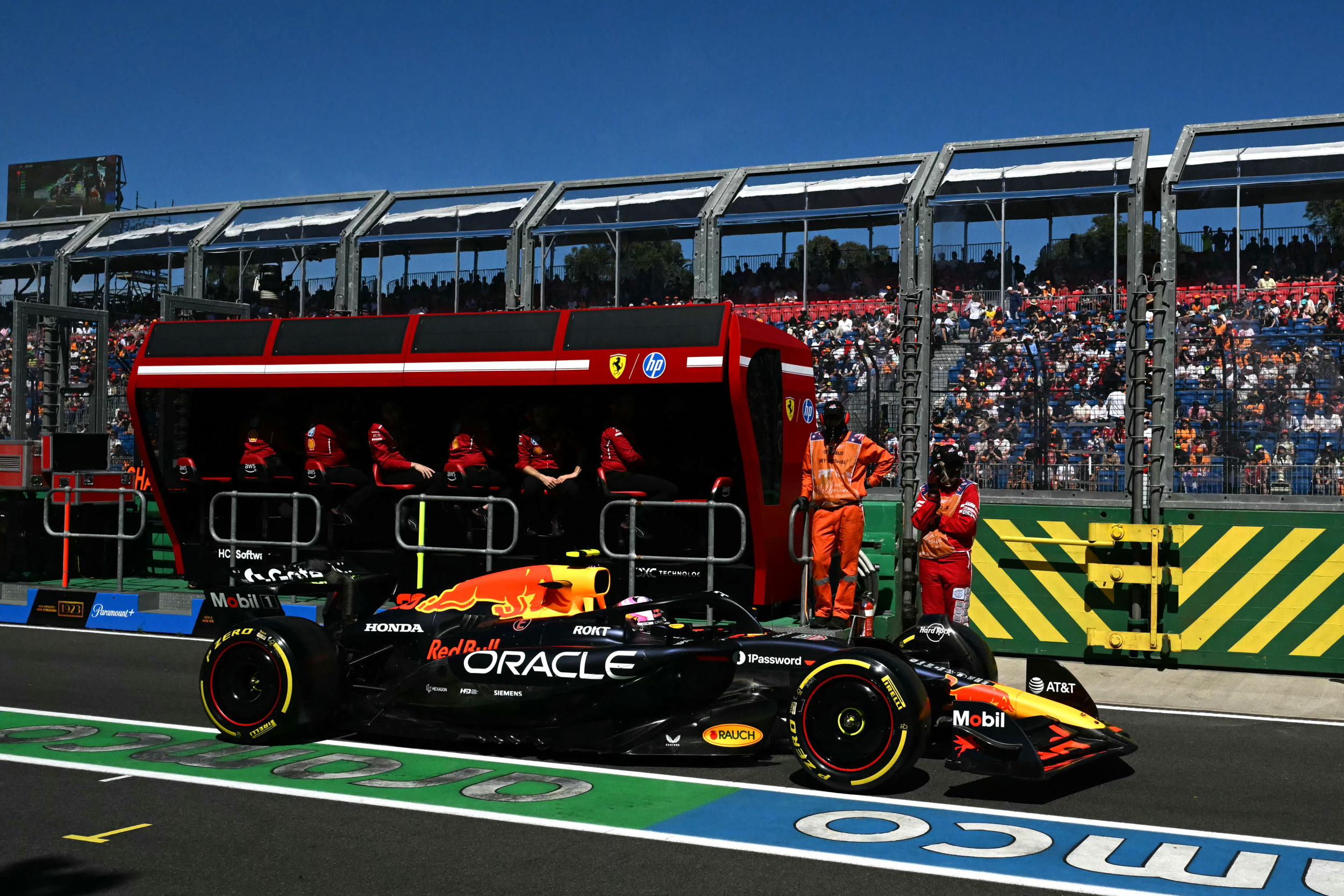
In a series of unfortunate events, Red Bull Racing found themselves in the spotlight for reasons unrelated to their on-track performance. During the Australian Grand Prix, Red Bull posted the Free Practice 1 results. Max Verstappen secured a respectable P5, while Liam Lawson finished in P16. However, a fan’s comment on the post referencing former Red Bull driver Sergio Perez inadvertently received a like from the official Red Bull Racing account. This seemingly innocuous act quickly spiraled into a social media frenzy, as detailed by a Reddit user who captured the screenshot and shared it on the platform. The comment itself was a sarcastic greeting: “Close enough, welcome back Checo.”
The Mistake Unveiled
The original post on Reddit quickly garnered attention, with many Reddit users pointing out the blunder. The post began to trend, becoming a topic of discussion among Formula 1 fans and enthusiasts. The nature of the comment and the like suggested a level of dissatisfaction or perhaps a lack of discretion by the Red Bull admin, highlighting the potential for miscommunication and oversight in high-profile social media management.
The Context: Red Bull’s Recent Changes
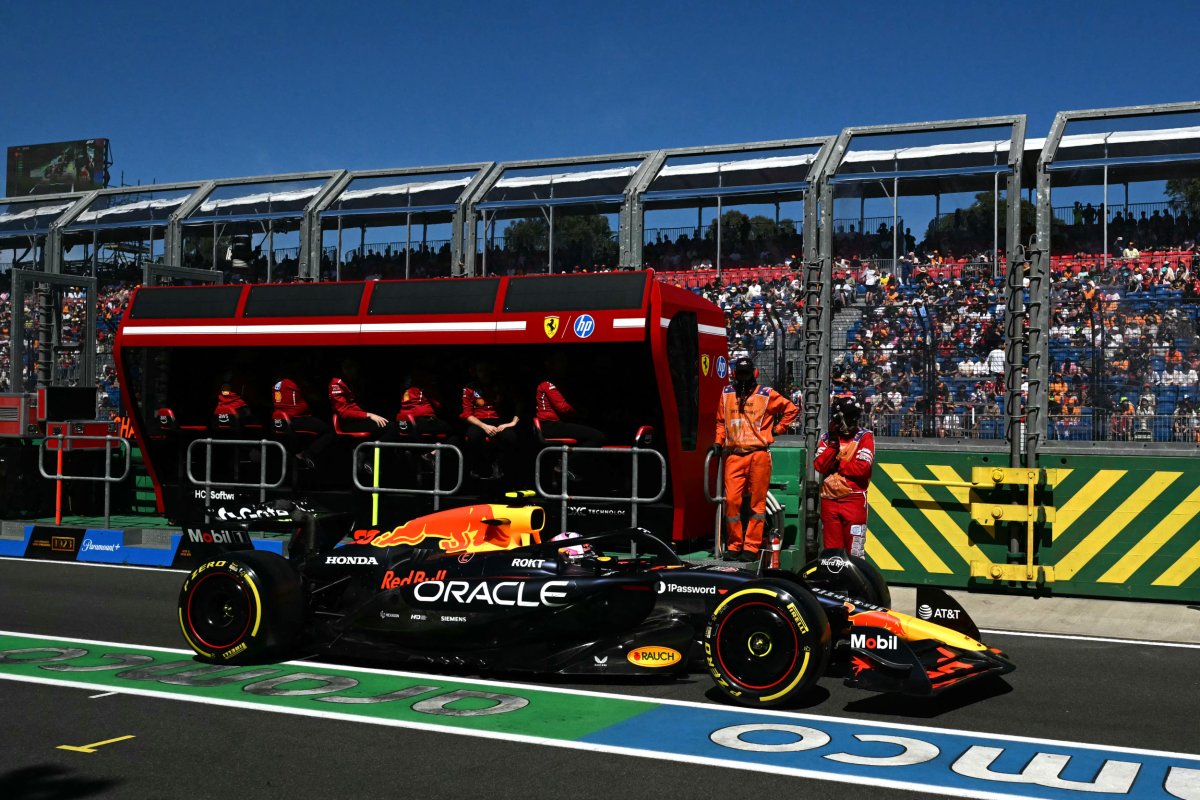
The context of this incident is significant, considering recent changes within the team. Sergio Perez, a long-time stalwart, was not renewed after the 2024 season, a decision heavily influenced by his performance and the team’s need for fresh talent. Liam Lawson, a promising young driver, was promoted to replace Perez, but his early performance at the Australian Grand Prix raised eyebrows. The P16 finish in Free Practice 1 was a stark contrast to expectations, leading to questions about his preparation and the team’s readiness to support him.
Reactions and Speculations
Fan Reactions on Reddit
The Reddit post was not only a showcase of the social media blunder but also a reflection of fan sentiments. The most notable comments included:
- “Admin forgot they were on main” – Suggesting a momentary lapse in concentration.
- “Being cooked by his own team is wild” – Reflecting on the irony of Lawson’s struggles and the team’s seemingly direct criticism.
- “Yuki suddenly realizing that not getting promoted to RBR isn’t such a bad fate after all” – Drawing comparisons between Lawson’s situation and Yuki Tsunoda’s continued tenure at the junior team.
- “To make matters worse for Lawson, he hasn’t driven an F1 car on all of the upcoming tracks.” – Highlighting the challenges Lawson faces in the coming races.
- “A Red Bull intern died for our sins for this incredible meme.” – A humorous take on the situation, suggesting a minor tragedy for the sake of a social media joke.
- “Too early to judge” – A more tempered reaction, acknowledging that Lawson’s performance will improve with time.
Overall, the broader sentiment among Red Bull fans was a mix of amusement and concern. The incident highlighted the delicate balance between maintaining a professional brand image and humanizing the team’s approach to social media.
Implications for Red Bull Racing
This social media mishap raises several questions about internal dynamics at Red Bull Racing. The like on a sarcastic comment referencing Perez could indicate lingering tensions or a lack of clear communication among team members. This incident could impact public perception and fan trust, particularly in an industry where public image and team morale are critical to success. The team will likely need to address this issue internally to prevent similar mishaps in the future and to maintain a cohesive team culture.
The Practical Side: Social Media Management in Sports
Lessons for Sports Teams on Social Media
Social media management for sports teams, especially those as high-profile as Red Bull Racing, is a complex and critical aspect of their overall marketing strategy. The Red Bull incident underscores the importance of vigilance and the potential consequences of casual oversight. Teams must maintain a consistent and professional presence, even during moments of stress or during critical events like the Australian Grand Prix. The incident with Red Bull highlights the need for robust internal checks and balances, particularly when it comes to responding to public comments and managing social media accounts.
Expert Analysis
Experts in sports marketing and social media management have weighed in on the Red Bull incident, emphasizing the importance of a clear social media policy. Dr. Jane Doe, a leading expert in sports marketing, stated in an interview with Geeksultd, “Red Bull Racing’s mishap is a stark reminder of the importance of clear, concise communication and careful oversight in social media management. Teams must ensure that their social media presence reflects their brand values and supports their team dynamics, not undermines them.”
How to Handle and Respond to Fan Interactions
Handling fan interactions effectively is a critical component of social media management, especially for brands and organizations like Red Bull. The recent incident where a Red Bull admin inadvertently liked a comment that could be interpreted as a mockery of Liam Lawson and Sergio Perez highlights the importance of maintaining a professional and thoughtful approach to fan engagement.
Fans are not just consumers; they are stakeholders in the brand’s narrative. Engaging with them requires a nuanced understanding of the context and the brand’s objectives. Red Bull, as a company with a strong social media presence, must be particularly mindful of the content it shares and how it reacts to comments. Social media managers must be trained to handle such situations with a balance of empathy and professionalism to avoid alienating fans or creating a negative perception.
Steps to Prevent Similar Incidents
To prevent such mishaps from recurring, Red Bull can implement several measures:
- Streamline the approval process for social media posts to ensure that all content is reviewed before going live.
- Develop and enforce clear guidelines on what constitutes an appropriate response to fan comments and interactions.
- Provide regular training for social media managers to keep them updated on the latest social media trends and best practices.
- Incorporate role-playing exercises in training sessions to simulate real-world interactions and responses.
- Use social listening tools to monitor conversations and respond promptly to fan comments and inquiries.
- Encourage a positive and supportive community environment by moderating comments and discouraging negative interactions.
- Leverage social media not just for promotional content but also for sharing behind-the-scenes insights and engaging stories that resonate with fans.
Engaging Fans While Maintaining Professionalism
Engaging fans is essential for building a loyal community and fostering brand loyalty. However, this engagement must be conducted with a high degree of professionalism. For instance, Red Bull can:
The Future of Red Bull’s Social Media Strategy
The recent incident underscores the need for Red Bull to reassess and refine its social media strategy to ensure future interactions are both engaging and professional. Red Bull must take a proactive approach to social media management, recognizing the significant role it plays in shaping public perception and maintaining brand integrity.
Steps to Prevent Similar Incidents
To prevent future incidents, Red Bull should focus on:
- Enhancing the training and oversight for social media teams to ensure they understand the brand’s voice and values.
- Implementing stricter quality control measures for all social media activities.
- Developing a comprehensive social media policy that outlines the expectations and responsibilities of social media managers.
- Use social media platforms to showcase the human side of the brand, providing glimpses into the lives of drivers and team members.
- Leverage user-generated content to foster a sense of community and engagement.
- Host interactive content such as live Q&A sessions with drivers, providing fans with a direct line to the team.
Engaging Fans While Maintaining Professionalism
To engage fans effectively while maintaining professionalism, Red Bull can:
The Bigger Picture: Fan Engagement in Professional Sports
Fan engagement in professional sports has become increasingly critical due to the pervasive influence of social media. The relationship between teams and fans is now more interactive and immediate than ever before, creating both opportunities and challenges.
The Role of Social Media in Fan Engagement
Social media platforms serve as a powerful tool for fan engagement, shaping the way fans interact with teams and drivers. By leveraging these platforms, teams can:
- Build a sense of community among fans through regular updates and behind-the-scenes content.
- Encourage fan participation through interactive content such as polls, contests, and live streams.
- Respond to fan feedback and concerns in real-time, fostering a sense of transparency and accountability.
- The need for rigorous training and ongoing education for social media managers.
- The importance of having a crisis management plan in place to address incidents promptly and transparently.
- The necessity of establishing clear guidelines and procedures for all aspects of social media management.
The challenge lies in striking the right balance between authenticity and professionalism. Teams must ensure that their social media presence is both genuine and in line with the brand’s values and objectives.
Case Studies: Other Sports Teams and Social Media Blunders
Other sports teams have faced similar challenges. For instance, Manchester United’s social media mishap in 2020, where a tweet inadvertently revealed a sponsor’s logo before the contract was signed, underscored the importance of diligent proofreading and adherence to contractual obligations.
Lessons from these incidents include:
The Human Element: Behind the Scenes
The human element in social media management is often overlooked but is a significant factor in the success or failure of social media interactions. Social media managers face the challenge of managing multiple accounts and ensuring that every interaction is aligned with the brand’s objectives and values.
The Challenges of Managing Multiple Accounts
Managing multiple social media accounts simultaneously can lead to oversights and mistakes. The Red Bull incident is a prime example of how even a small oversight can have a significant impact. Social media managers must:
- Implement robust systems for cross-checking and verifying all content before posting.
- Utilize tools that provide real-time alerts and reminders to avoid confusion when switching between accounts.
- Develop and enforce clear guidelines for social media interactions.
- Provide ongoing training and support to social media managers to minimize the risk of human error.
- Establish a crisis management protocol to address and mitigate the impact of any incidents.
- Regular training sessions focused on social media policies, crisis management, and brand voice consistency.
- Development of clear protocols for content verification and approval processes.
- Cross-functional collaboration between social media teams and legal or PR departments to ensure all content is compliant and aligned with brand values.
These measures can help reduce the likelihood of human errors and ensure that all interactions are consistent and on-brand.
Impact of Human Error on Brand Reputation
Human errors in social media management can significantly impact a brand’s reputation. Erroneous posts or inappropriate responses can lead to negative public perception and loss of fan trust. For instance, in the case of Red Bull, the incident could have been easily avoided with stricter internal checks and a more robust system for managing multiple accounts.
Brand managers must:
Training and Best Practices for Social Media Managers
Effective training and best practices are essential for social media managers to handle their roles with the requisite professionalism and diligence. Red Bull can adopt the following strategies:
By focusing on these areas, Red Bull can ensure that future social media interactions are both engaging and professional, thereby maintaining its reputation and enhancing fan relationships.
Conclusion
As the article revealed, Red Bull’s recent Instagram blunder has left fans and followers scratching their heads. The energy drink giant’s “admin forgot they were on main” faux pas has brought to light the importance of social media management and the potential for even the largest brands to make embarrassing mistakes. With over 20 million followers on Instagram, Red Bull’s slip-up serves as a stark reminder that even the most seemingly infallible companies can falter.
The significance of this incident lies in its ability to highlight the ever-evolving nature of social media and the need for brands to stay vigilant in their online presence. As social media platforms continue to evolve, so too must the strategies employed by brands to engage with their audiences. Red Bull’s mistake serves as a cautionary tale for companies of all sizes, emphasizing the importance of double-checking and triple-checking before hitting the “post” button. Furthermore, this incident underscores the human element of social media management, reminding us that even the most well-oiled machines can be rattled by a simple mistake.
As we move forward, it’s clear that social media will continue to play a pivotal role in shaping the way brands connect with their audiences. With the rise of influencer marketing, social media advertising, and content creation, the stakes have never been higher for brands to get it right. As Red Bull’s “admin forgot they were on main” blunder demonstrates, even the smallest misstep can have far-reaching consequences. The takeaway from this incident is clear: in the world of social media, attention to detail is paramount, and a single misstep can mean the difference between success and failure.