## A Shadow that Never Left: Columbine Survivor’s Death Deemed Homicide, Linking Past Trauma to Present Tragedy The scars of Columbine ran deep, leaving an indelible mark not just on the community, but on the lives of those who survived its horrors. A chilling reminder of this enduring trauma surfaced recently with news that a Columbine survivor, who lived for years under the shadow of the massacre, has died in 2025. Classified as a homicide, the coroner’s report points to the massacre’s lasting impact, revealing a tragic link between past wounds and present tragedy. We delve into this heart-wrenching story, exploring the complex legacy of Columbine and the profound ways in which its horrors continue to reverberate through the lives of its victims.
The Columbine Massacre: A Watershed Moment in US History
The Columbine High School massacre, which took place on April 20, 1999, was a pivotal moment in US history, marking a turning point in the nation’s conversation about gun violence and its devastating consequences. The tragedy, which claimed the lives of 12 students and one teacher, sent shockwaves across the country, prompting widespread outrage, grief, and calls for action.
In the aftermath of the tragedy, the nation came together to mourn the loss of innocent lives and to demand change. The incident sparked a national debate about gun control, mental health, and school safety, with many advocating for stricter laws and increased funding for mental health services.
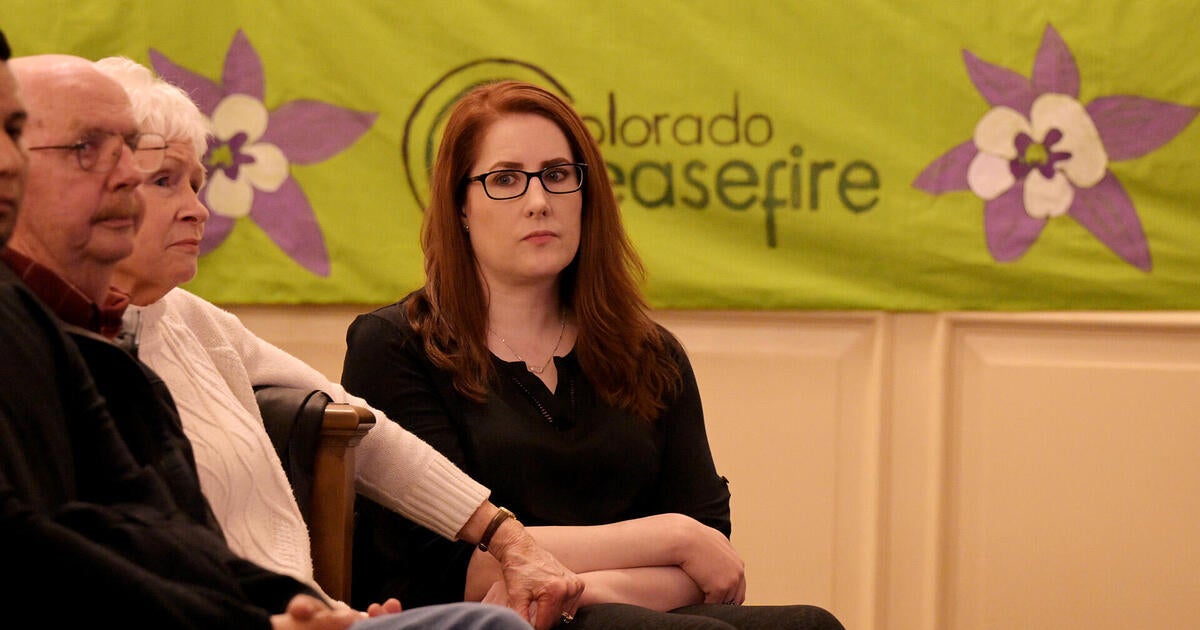
Today, more than two decades later, the legacy of Columbine continues to resonate, with the recent death of Anne Marie Hochhalter, a survivor of the massacre, serving as a poignant reminder of the ongoing impact of gun violence on individuals and communities.
The Ongoing Fight Against Gun Violence in the US
The fight against gun violence in the US is far from over. Despite progress made in recent years, the country continues to grapple with the devastating consequences of gun-related tragedies. According to the Centers for Disease Control and Prevention (CDC), there were over 39,000 deaths from firearm injuries in the US in 2020 alone.
The ongoing epidemic of gun violence has sparked widespread outrage and calls for action, with advocates, policymakers, and community leaders working tirelessly to push for meaningful reforms. From stricter background checks to red flag laws, the push for effective gun control measures has become a defining issue of our time.
In Colorado, where the Columbine tragedy took place, lawmakers have been working to strengthen gun laws, including a recent bill to ban the manufacture and restrict the sale of certain semiautomatic firearms. These efforts, while crucial, are just the beginning of a long and complex journey towards creating a safer, more compassionate society.

The Importance of Addressing the Root Causes of Mass Shootings
Mass shootings, like the one that occurred at Columbine, are often the result of a complex interplay of factors, including mental health, access to firearms, and societal pressures. To effectively address the root causes of these tragedies, it is essential to adopt a multifaceted approach that takes into account the various factors that contribute to gun violence.
This includes investing in mental health services, improving access to care, and providing support to individuals and communities at risk. It also involves addressing the social and economic determinants of health, such as poverty, inequality, and lack of opportunities, which can contribute to feelings of desperation and hopelessness.
Moreover, it is crucial to acknowledge the role of firearms in mass shootings and to work towards reducing the availability of weapons that can cause harm. This includes supporting research into the causes and consequences of gun violence, as well as advocating for evidence-based policies that can help prevent these tragedies from occurring.
Reflections and Implications
The Human Cost of Gun Violence: A Personal Story
The story of Anne Marie Hochhalter serves as a powerful reminder of the human cost of gun violence. Paralyzed in the Columbine shooting, Hochhalter spent the next quarter century in a wheelchair, advocating for victims of mass violence and working tirelessly to create change.
Her death, attributed to complications from her injuries, is a devastating loss, not only for her loved ones but also for the entire community. It serves as a poignant reminder of the ongoing impact of gun violence on individuals and families, long after the initial tragedy has faded from the headlines.
The Need for Effective Gun Control Measures
The need for effective gun control measures has never been more pressing. As the nation continues to grapple with the devastating consequences of gun violence, it is essential to push for meaningful reforms that can help prevent these tragedies from occurring.
This includes supporting legislation that can help reduce the availability of firearms, improving background checks, and increasing funding for mental health services. It also involves engaging in difficult conversations about the role of firearms in our society and the need for responsible gun ownership.
Lessons Learned from the Columbine Tragedy
The Columbine tragedy has taught us many valuable lessons, from the importance of addressing the root causes of gun violence to the need for effective gun control measures. It has also highlighted the resilience and strength of survivors, like Anne Marie Hochhalter, who have worked tirelessly to create change.
As we move forward, it is essential to remember these lessons and to continue working towards creating a safer, more compassionate society. This involves honoring the memories of the victims, supporting survivors, and advocating for policies that can help prevent these tragedies from occurring.
Moving Forward: Remembering the Past, Shaping the Future
Honoring the Memories of the Columbine Victims
As we reflect on the Columbine tragedy, it is essential to honor the memories of the victims, including Anne Marie Hochhalter. Their lives were cut short in a senseless act of violence, leaving behind a trail of grief, anger, and heartbreak.
By remembering their stories, we can ensure that their legacies live on, inspiring us to work towards creating a better future for all. This involves supporting survivors, advocating for change, and pushing for policies that can help prevent these tragedies from occurring.
The Role of Advocates and Survivors in Creating Change
Advocates and survivors, like Anne Marie Hochhalter, have played a crucial role in shaping the conversation around gun violence and pushing for meaningful reforms. Their voices, often marginalized or silenced, are essential in creating change and inspiring action.
By amplifying their stories and supporting their efforts, we can create a groundswell of support for policies that can help prevent gun violence. This involves engaging in difficult conversations, challenging the status quo, and pushing for meaningful reforms that can help create a safer, more compassionate society.
Building a Safer, More Compassionate Society
Building a safer, more compassionate society is a collective responsibility that requires the efforts of individuals, communities, and policymakers. It involves investing in mental health services, improving access to care, and providing support to individuals and communities at risk.
Moreover, it involves addressing the social and economic determinants of health, reducing poverty and inequality, and creating opportunities for all. By working together, we can create a society that values life, dignity, and compassion, and where gun violence is a relic of the past.
Conclusion
A Tragic Legacy: The Devastating Consequences of Columbine
In a shocking turn of events, the 2025 death of a Columbine shooting survivor has been classified as a homicide, with the coroner attributing it partly to the wounds sustained during the 1999 massacre. The article, as reported by CBS News, highlights the long-lasting and devastating impact of the tragedy on the survivors, their families, and the community at large. The key points discussed in the article emphasize the severity of the wounds, which had a lasting impact on the survivor’s physical and mental health. The coroner’s classification of the death as a homicide underscores the harsh reality that the wounds inflicted by the perpetrators were not just physical, but also had a profound and lasting impact on the survivor’s life.
The significance of this topic cannot be overstated, as it sheds light on the long-term consequences of mass shootings and the need for improved support systems for survivors. The implications of this case are far-reaching, highlighting the need for policymakers and mental health professionals to re-examine their approach to supporting individuals affected by such traumatic events. As we move forward, it is essential to acknowledge the complexities of trauma and its effects on survivors, and to provide adequate resources to support their recovery. The future implications of this case are sobering, serving as a stark reminder of the need for greater awareness and action to prevent similar tragedies from occurring.