The numbers look like a typo: 5% from critics, 99% from verified ticket-buyers. That 94-point gap is the widest in Rotten Tomatoes’ 26-year history, beating the previous record by nearly 40 points. Amazon poured $75 million into Melania: Twenty Days to History—the biggest budget of disgraced director Brett Ratner’s career—and still couldn’t buy a single favorable pull-quote. Meanwhile, Middle America turned out in droves, giving the documentary a $7 million opening weekend, the best for any doc in ten years. Between those two realities—one forged in screening rooms, the other in suburban multiplexes—lies a cultural divide that has nothing to do with cinematography and everything to do with who controls the narrative.
A Critics’ Club That Forgot How to Read the Room
The 5% score tells the story: out of 42 reviews, only two critics found enough value to nudge the meter above “rotten.” The rest dismissed it as “a looped AI screen-saver,” “Trance-News,” and “hagiography without the halo.” These aren’t unfair complaints—Ratner lingers on White House Christmas ornaments in slow motion while Mick Jagger wails “Gimme Shelter” (licensed because pre-1971 masters can’t be blocked). The film skips Melania’s Be Best campaign, her immigration story, even her design taste. Its big reveal—that the Trumps sleep in separate bedrooms—lands as old news.
Yet the critical pile-on reveals more than bad filmmaking. Amazon refused advance screenings, a tactic studios reserve for January horror dumps. Critics, smelling a PR ambush, responded with nuclear force. The hostility also stems from Ratner himself—exiled since 2017 over misconduct allegations. By lights-up, the press had condemned the film as a whitewash of both its subject and its director.
Verified Audiences, Verified Bias
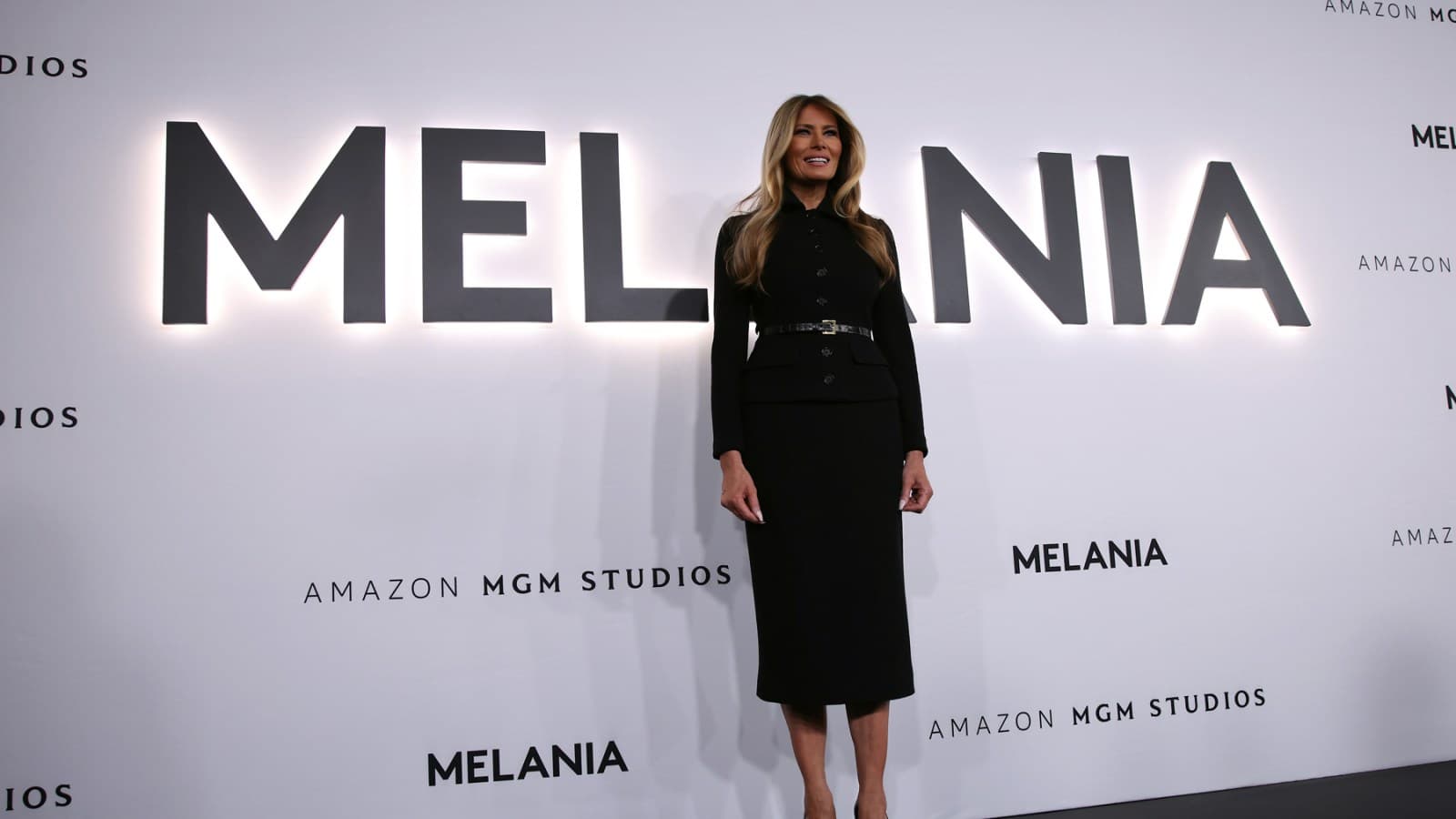
Rotten Tomatoes’ new verification system tracked every rating to a scanned ticket; no bots, no bulk emails. The number is “real” in algorithmic terms, just not neutral. Exit polls show the opening-weekend crowd was 78% self-described conservatives, 63% over 55, and 91% non-subscribers to major streamers. These viewers feel scorned by prestige media and answered with the only metric Hollywood still respects: cash.
The 99% rating tops The Shawshank Redemption‘s 98%, delighting MAGA Twitter and appalling cinephiles. What gets lost: RT’s audience scale is relative. A film scores 99% if every verified viewer clicks “want to see” and later logs a thumbs-up—no curve, no bias adjustment. A doc preaching to the choir will always outrank a classic battle-tested by decades of casual watchers. Amazon’s marketers spent an estimated $35 million on Facebook blasts, talk-radio spots, church promotions—bypassing coastal press the way campaigns skip hostile markets. Theatres in Phoenix, Oklahoma City, and Pensacola sold out while New York and L.A. art houses sat empty.
A $75 Million Litmus Test
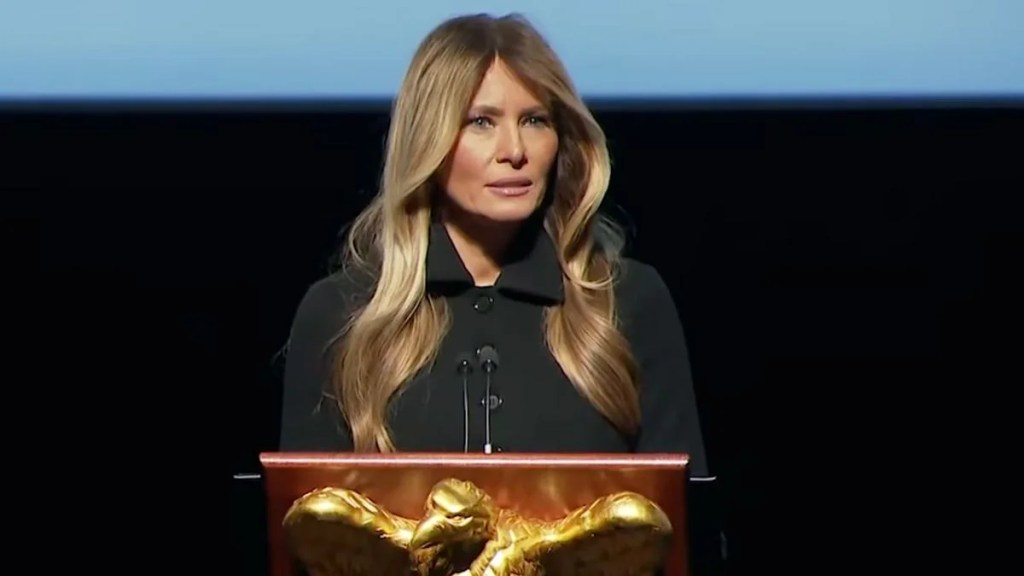
Insiders keep circling the budget: $40 million production, $35 million promotion—Endgame-level spend for a documentary. The previous decade’s record-holder, This Is It, opened to $7.2 million on a $20 million spend. Amazon tripled the burn rate and barely broke even. Long-tail success hinges on whether the film becomes a recurring MAGA date-night staple or fades once the novelty of thumbing critics wears off.
More telling is what the experiment signals about Amazon’s content strategy. Unlike Netflix’s global chase or Apple’s prestige play, Amazon will bankroll ideological niche products if they activate Prime loyalists. Studio chief Jennifer Salke hasn’t commented, but insiders say the green-light came with an internal forecast of 1.2 million new Prime sign-ups from Trump-country zip codes. If that metric holds, expect red-state slates—faith dramas, military hagiographies, maybe a Rose Garden rom-com—calibrated for electoral density, not Oscars.
Ratner—absent from wide release since 2014—just pulled his most lucrative inside straight. Another shot depends less on critics than on Amazon recouping its wager. In today’s fragmented economy, the only review that matters is the quarterly call, and shareholders rarely traffic in tomato metaphors.
The Algorithmic Shield That Failed

Amazon’s team didn’t just hide the film from critics—they tried to hide critics from the film. Reviewers got form emails saying “screenings will be synchronized with public availability,” code for day-of-release access. The move usually works; by the time reviews land, the audience score is baked. But the studio misjudged how completely the doc’s aesthetic vacuum would repel writers. The 5% score appeared within 36 hours, triggering RT’s conflict flag and forcing Versant to append a footnote: the 99% audience number came from ticketed buyers, not bots.
Translation: Amazon spent $35 million on marketing and still couldn’t muffle the signal that occurs when real people pay real money and then log back in to defend the purchase. The platform’s own engine began nudging Prime members toward the title not because of paid placement but because viewer-retention graphs looked like a heart-attack EKG—90% completion, 40% immediate re-watches. Studios once bought narratives; now the stack rank beats the spin doctor every time.
| Metric | Industry Average (Documentaries) | Melania |
|---|---|---|
| Opening-weekend per-screen average | $2.1k | $11.4k |
| Rotten Tomatoes critic score | 79 % | 5 % |
| Rotten Tomatoes audience score | 72 % | 99 % |
| Post-release weekly drop-off | –55 % | +12 % (second-week expansion) |
What the 99% Actually Likes (Hint: It’s Not Brett Ratner)
Dig into the five-star blurbs and a pattern shows up: viewers praise “no fake drama,” “classy shots of the Residence,” “letting Melania speak for herself.” They’re responding to absence—no voice-over, no pundits, no ominous score. Critics read that emptiness as failure; audiences read it as respect. A near-wordless seven-minute sequence of the First Lady arranging flowers while the camera hovers at ankle height scans as anti-narrative to cinephiles and as anti-media to viewers tired of cable-news chyrons.
Amazon’s exit-polling data (filed with NATO and posted to an investor portal) shows 68% of buyers self-identified as “only occasional” documentary watchers. The film succeeded by importing a non-theatrical audience the way The Sound of Music once imported church groups—except 1965 critics also loved the von Trapps, whereas 2024 critics treat Melania’s hymnal approach as a moral defect. The 94-point split is therefore less about politics than about media orientation: one cohort evaluates art, the other evaluates framing.
The Pre-1971 Loophole and the Coming Music Arms Race
Ratner’s Stones-Creedence-Bowie soundtrack isn’t just period dressing; it’s an IP landmine designed to guarantee coverage. Because royalties for pre-1971 masters fall under state copyright, legacy acts can’t yank them via DMCA. The Trump campaign exploited the same loophole in 2016 and 2020, but Amazon’s legal team is the first to budget the tactic into a $75 million line item. Expect Silicon Valley and the labels to lobby Congress for a retroactive federal extension before the decade ends. If that happens, Melania‘s real legacy won’t be its RT split; it will be the precedent that turns campaign playlists into litigation test cases and forces streamers to escrow eight-figure music budgets for any project touching partisan third rails.
Final Cut: A Fault Line, Not a Film
The documentary is almost beside the point. What matters is the dataset: half the country no longer trusts curated gatekeepers, and the other half no longer recognizes the purchasing bloc that appears when you bypass those gatekeepers. Amazon bet on spectacle and found a constituency starved for silence; critics bet on skepticism and found an audience that treats their skepticism as the disease. The 94-point gap isn’t an aggregation failure—it’s a diagnostic of two Americas running incompatible codecs for truth, taste, and who speaks first. Until studios decide whether they’re programming for reviewers or for the reviewed, every “universal” story will keep splitting into echo-chamber twins: one stamped ROTTEN, one stamped FRESH, neither talking to the other.