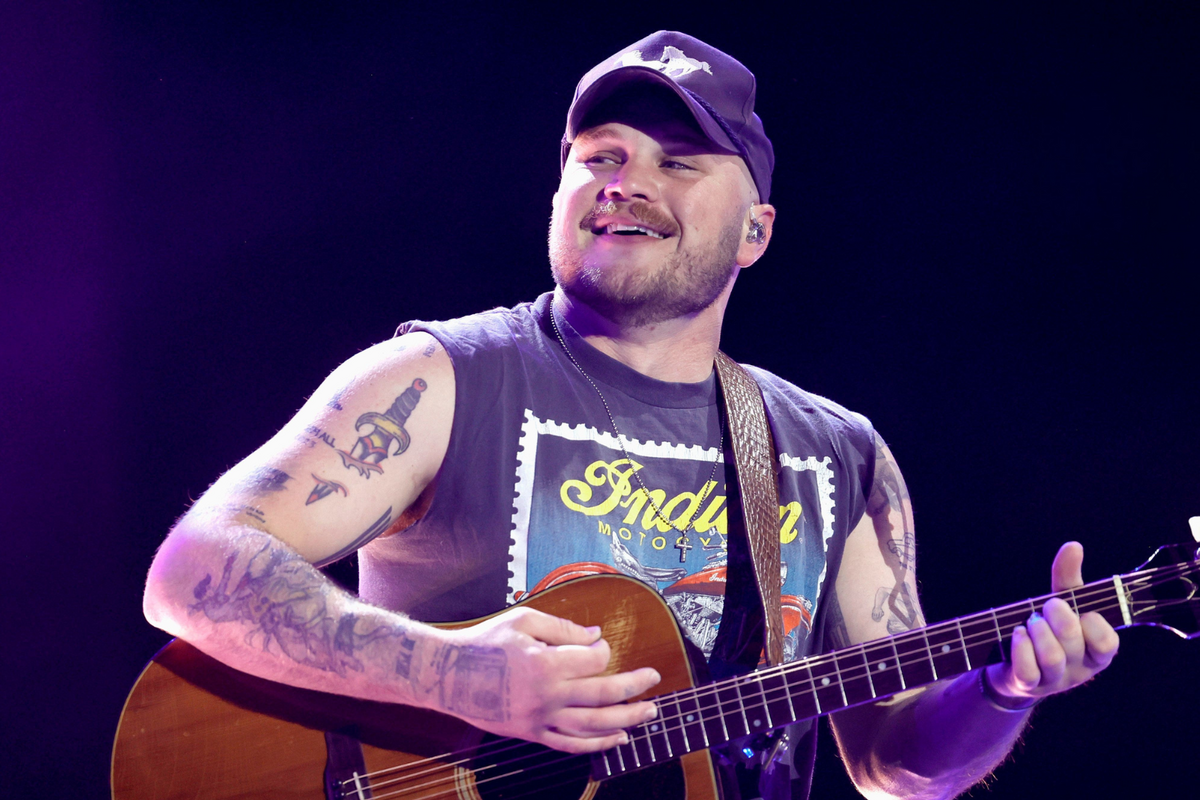
The cobblestone streets of San Sebastián have witnessed countless love stories over the centuries, but few as swiftly unfolding as the one that began this New Year’s Eve. When Zach Bryan carried his bride Samantha Leonard through the Spanish coastal city—her feather-trimmed gown flowing behind them as they ducked into a convertible adorned with “Just Married”—the country music sensation wasn’t just celebrating a wedding. He was completing a romantic arc that began barely six months earlier, raising questions about whether the 29-year-old troubadour had found his forever muse or was simply following his heart’s impulsive rhythm.
As someone who’s spent years chronicling the intersection of celebrity and human nature, I find myself drawn to the velocity of this particular romance. What drives a man who once sang about “something in the orange” to race toward matrimony with such apparent certainty? The timeline alone suggests a love story written in fast-forward: first photographed together at Spain’s Running of the Bulls in July, relationship confirmed in October, and married by December’s end. While many celebrity couples stage-manage their relationships through publicists and strategic paparazzi shots, Bryan’s whirlwind courtship feels refreshingly—perhaps recklessly—authentic.
The Spanish Connection: Why San Sebastián Became the Perfect Backdrop
There’s something poetically circular about Bryan choosing Spain for both the beginning and culmination of this romance. The Basque coastal city, known for its Michelin-starred restaurants and Belle Époque architecture, has become an unexpected character in their love story. When Leonard first posted that July photo from Pamplona’s Running of the Bulls—a tradition that itself celebrates both danger and passion—she perhaps unknowingly set the stage for their Spanish wedding narrative.
But why San Sebastián specifically? The city offers more than Instagram-worthy backdrops. Its old-world charm and relative privacy from American paparazzi make it an increasingly popular destination for celebrities seeking meaningful ceremonies away from the Hollywood spotlight. For a musician whose lyrics often explore themes of home, belonging, and finding one’s place in the world, perhaps exchanging vows in a foreign land represents something profound—a declaration that home isn’t a location but a person.
The choice also speaks to Bryan’s apparent desire to keep this relationship authentic. Rather than opting for a Nashville spectacle or a Malibu beach ceremony, he selected a location that held personal significance, somewhere they could celebrate without the weight of country music industry expectations.
From “Something in the Orange” to “Tougher Than the Rest”: Musical Clues to a Rapid Romance
Those familiar with Bryan’s discography might find themselves searching his lyrics for hints about this rapid romantic evolution. His breakout hit “Something in the Orange” explored the ache of potential love slipping away, while his wedding day Instagram caption—”Tougher than the rest”—borrowed from Bruce Springsteen’s ode to enduring love. The juxtaposition is striking: from uncertainty about love’s timing to declaring his bride’s resilience in just over a year.
What’s particularly fascinating is Bryan’s decision to perform Springsteen’s classic at his own wedding. This wasn’t simply song selection; it was a statement about how he views this relationship. The Boss’s original speaks of finding someone who can weather life’s storms, who won’t break when things get hard. For a musician whose previous marriage ended in 2021 after just a year, this choice suggests either profound growth or perhaps overcompensation for past failures.
The speed of their courtship raises questions about whether Bryan—known for his introspective songwriting—had found in Leonard something he’d been searching for in his music all along. His rapid progression from relationship confirmation to marriage might indicate someone who, having learned from past experience, recognizes when something feels undeniably right.
The Convertible Moment: Symbolism in Their Swift Departure
That video of Bryan carrying Leonard to their decorated convertible has already become social media gold, but it represents more than a charming wedding day tradition. The image of them driving off together—her white dress billowing, both in sunglasses despite the Spanish winter—captures something essential about their relationship’s momentum. They’re not just leaving a wedding venue; they’re accelerating into a shared future at full speed.
The convertible itself serves as a perfect metaphor for their romance: open to the world, vulnerable to elements, yet chosen deliberately over safer, enclosed options. One wonders if Bryan, in that moment, felt the same rush of certainty that must have propelled him from casual dating to marriage in mere months.
The Geography of Love: How Place Shapes Modern Romance
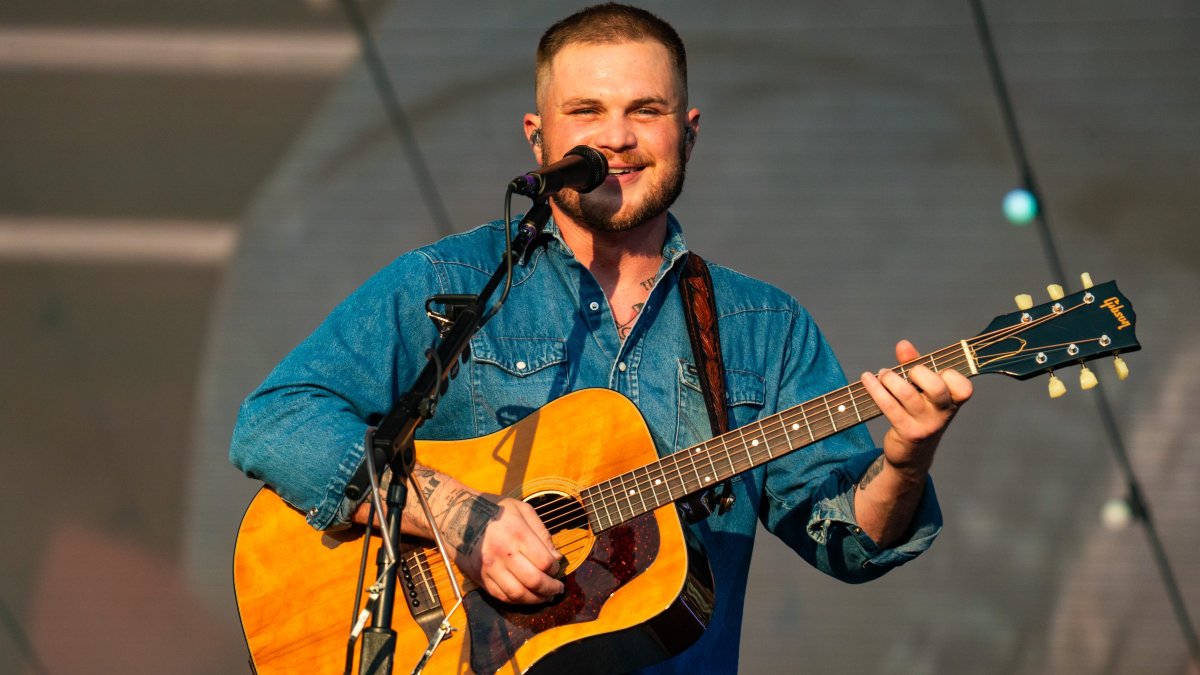
What fascinates me most about Bryan’s choice of San Sebastián isn’t just its aesthetic appeal—it’s how this particular city embodies the tension between tradition and spontaneity that defines his generation’s approach to love. The Basque Country’s culinary capital, with its 19th-century promenades and pintxo bars, has become an unlikely pilgrimage site for American couples seeking what they perceive as “authentic” European romance. But why do we consistently seek foreign soil to sanctify our most intimate decisions?
The psychology here runs deeper than Instagram backdrops. When Bryan carried Leonard through those cobblestone streets, he wasn’t just participating in a personal ritual—he was tapping into a broader cultural phenomenon where Americans increasingly view European destinations as more “real” than domestic alternatives. This geographic romanticism suggests something profound about how millennials and Gen-Z approach commitment: we need the weight of history to validate our impulsive choices.
Consider the data: destination weddings have increased 73% since 2019, with Spain ranking among the top five international locations. But Bryan’s case differs from typical destination weddings. He didn’t just choose Spain; he chose the same country where his romance first sparked public attention. This circular geography suggests a desire to compress time—to make six months feel like six years by creating a narrative loop that begins and ends in the same foreign place.
The Speed of Certainty: Why Young Celebrities Race to the Altar
Bryan’s rapid journey from bachelor to husband raises uncomfortable questions about the velocity of modern celebrity relationships. At 29, he’s part of a demographic that’s simultaneously delaying marriage (the average American now marries at 30.2 for men) while famous twenty-somethings increasingly rush toward lifelong commitments. This paradox deserves examination.
The phenomenon isn’t isolated. Look at the recent spate of young celebrity engagements: Ariana Grande, Justin Bieber, Hailey Baldwin—all following similar compressed timelines. What drives this acceleration among those who seemingly have the least incentive to rush? The answer might lie in the unique pressures of contemporary fame.
For artists like Bryan, whose authenticity forms the cornerstone of their appeal, traditional relationship timelines feel like concessions to industry machinery. A whirlwind romance allows them to maintain the illusion of normalcy while actually participating in an accelerated reality. The six-month courtship becomes a rebellion against the calculated PR relationships that define so much of celebrity culture.
Yet this speed carries risks. Research from the National Marriage Project shows that couples who date less than two years before marriage face 24% higher divorce rates. But Bryan, having already experienced one brief marriage, understands these statistics intimately. His willingness to proceed anyway suggests either extraordinary confidence or a fundamental shift in how younger celebrities approach commitment.
The Paradox of Public Privacy: Social Media’s Role in Intimate Moments
Perhaps the most revealing aspect of Bryan’s wedding narrative is how it unfolded across social media platforms. The choice to share wedding moments—from the “Just Married” convertible departure to the Springsteen-inspired Instagram caption—represents a fascinating evolution in celebrity privacy. Here we have an artist who built his reputation on raw authenticity, now carefully curating his most intimate moments for public consumption.
This isn’t contradiction; it’s the new reality of fame. Young celebrities must navigate between maintaining relatability and protecting genuine intimacy. Bryan’s approach—sharing select, beautifully composed moments while presumably keeping the ceremony itself private—represents a sophisticated understanding of modern celebrity dynamics.
The Springsteen lyric he chose deserves particular attention. “Tougher than the rest” isn’t just romantic; it’s defiant. It positions their relationship as something that survived scrutiny, pressure, and perhaps internal doubts. By invoking The Boss, Bryan places his whirlwind romance within a broader American narrative of working-class authenticity and steadfast commitment.
What This Whirlwind Teaches Us About Modern Love
As I reflect on Bryan’s rapid journey from Spanish romance to Spanish wedding, I’m struck by how perfectly it encapsulates our current cultural moment. We live in an age where technology has compressed both time and space, where six months can feel like six years through the intensity of shared experiences and constant digital documentation. Perhaps what we’re witnessing isn’t impulsiveness but a new form of certainty—one that values intensity over duration.
The choice to marry in San Sebastián, to compress a traditional multi-year courtship into six months, to share these moments while maintaining selective privacy—these aren’t just celebrity behaviors but amplified versions of choices facing many young Americans. In an era where dating apps create infinite options and social media documents every moment, perhaps the most radical act is choosing quickly and definitively.
Bryan’s whirlwind romance challenges us to reconsider our assumptions about relationship timelines. While statistics suggest caution, human connection has never followed neat patterns. Sometimes the heart’s compass points toward swift commitment, geography becomes destiny, and six months proves sufficient to know what decades might never reveal. In the end, every love story writes its own rules, even when—or perhaps especially when—it unfolds in the public eye along Spain’s northern coast.