Volkswagen has taken a significant step back from the trend of minimalist car interiors with the ID. Polo EV, a small electric vehicle that marks a departure from the company’s previous ID-branded EVs by reintroducing physical buttons to the dashboard. This shift towards a more tactile experience comes as a response to consumer fatigue with car interiors that resemble tablets.
A Return to Intuitive Controls
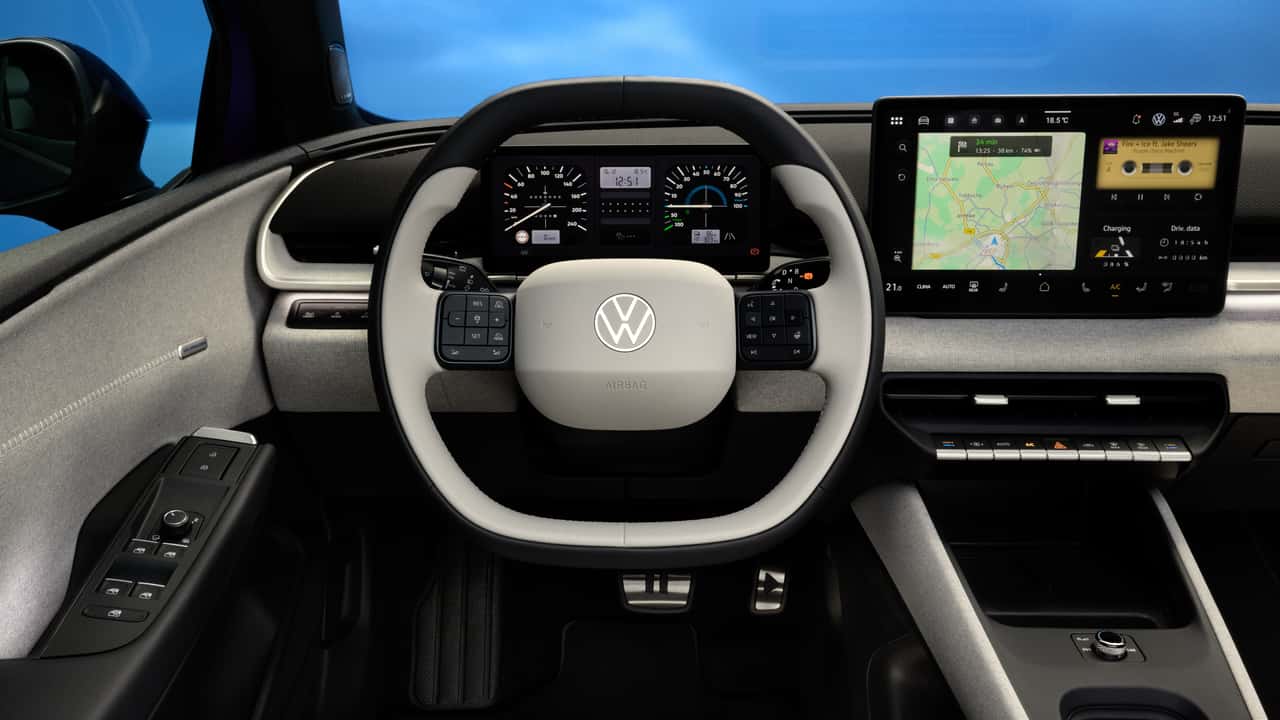
The ID. Polo EV features real buttons, switches, and a knob for audio controls, replacing the touch sliders and haptic panels that have become common in modern cars. Volkswagen’s chief designer, Andreas Mindt, stated that the company will commit to reintroducing physical buttons for important functions in every car they make from now on, starting with the ID. Polo. This approach aims to provide a more intuitive driving experience, prioritizing practicality and ease of use.
The ID. Polo’s interior includes tangible buttons underneath the infotainment display, a steering wheel with multiple buttons, and a knob to adjust audio volume or shuffle between tracks. This blend of physical and digital controls offers the best of both worlds, allowing drivers to access important functions with ease while still enjoying the benefits of modern technology. The ID. Polo still features a 10.25-inch digital cockpit and a nearly 13-inch touchscreen for the infotainment system, providing a seamless and connected driving experience.
Designing with the Driver in Mind
Volkswagen’s decision to bring back physical buttons is a response to consumer feedback. The company’s earlier pivot away from physical buttons was a mistake, according to Andreas Mindt, who acknowledged that they will not repeat it. The new design approach, led by Mindt, prioritizes clarity, quality, and intuitive controls, providing a more traditional and user-friendly experience for drivers.
The ID. Polo’s design features a holistic approach, shaped by customer feedback, and it adopts and further develops familiar VW operating patterns. The vehicle features a retro display that can transform digital instrument displays into screen views reminiscent of the first Golf with a single button press. This attention to detail and commitment to creating a more intuitive driving experience sets the ID. Polo apart from other electric vehicles on the market.
A New Era for Volkswagen Design
The ID. Polo EV is the first vehicle designed entirely under Andreas Mindt’s leadership as VW design chief, marking a new era for Volkswagen design. The company’s focus on physical controls and intuitive design is a significant shift from the trend of minimalist car interiors. The ID. Polo is expected to start from less than $30,000 (€25,000) and is set to go on sale in Europe in April.
The ID. Polo features a row of buttons under the central touchscreen for climate control, physical controls for all windows, and dedicated buttons for volume and track adjustment. This attention to detail and commitment to creating a more tactile experience will likely be a major selling point for drivers who value practicality and ease of use.
The Benefits of a Tactile Experience
The reintroduction of physical buttons in the ID. Polo EV is not just a design choice, but a deliberate attempt to enhance the driving experience. Research has shown that tactile feedback can improve driver attention and reduce distractions on the road. A study by the National Highway Traffic Safety Administration (NHTSA) found that drivers who used physical buttons to control in-vehicle functions had lower rates of crashes and near-misses compared to those who used touchscreens.
In addition to safety benefits, physical buttons can also provide a more intuitive and user-friendly experience. Drivers can operate physical buttons without taking their eyes off the road, reducing the risk of accidents. This approach also caters to a wider range of drivers, including those who may not be tech-savvy or prefer a more traditional driving experience.
Implications for the Automotive Industry
Volkswagen’s decision to bring back physical buttons may have far-reaching implications for the automotive industry. As more manufacturers follow suit, we can expect to see a shift towards more tactile and intuitive car interiors. This trend is already gaining traction, with some manufacturers, such as Tesla, offering optional physical button packs for their vehicles.
The ID. Polo EV’s design approach may also influence other Volkswagen models, as Andreas Mindt has stated that the company will carry over this design philosophy to other new and updated models. This could lead to a more cohesive and user-friendly brand identity, setting Volkswagen apart from competitors.
| Model | Physical Buttons | Touchscreen Size |
|---|---|---|
| Volkswagen ID. Polo EV | Yes, including climate control and audio buttons | 13 inches |
| Tesla Model 3 | No, but optional physical button pack available | 15 inches |
| Toyota Prius | Yes, including climate control and audio buttons | 7 inches |
A New Era of Car Design
The ID. Polo EV marks a significant departure from the trend of minimalist car interiors. As car design continues to evolve, we can expect to see a blend of physical and digital controls. The key is to strike a balance between technology and usability, providing drivers with an intuitive and enjoyable experience.
According to Wikipedia, the concept of human-machine interface (HMI) design has been around for decades, but its application in car design is still evolving. The ID. Polo EV’s design approach is a step in the right direction, prioritizing driver needs and preferences.
In conclusion, Volkswagen’s decision to bring back physical buttons in the ID. Polo EV is a bold move. By prioritizing driver needs and preferences, the company is setting a new standard for car design.
For more information on Volkswagen’s design philosophy, visit the company’s official website.
Additional resources:
National Highway Traffic Safety Administration (NHTSA)
Volkswagen Group