When Jeannie Mai sat down for the “Question Everything” podcast in late January, she wasn’t just another celebrity recounting a breakup. The 47-year-old television host delivered something far more raw: a visceral description of divorce as “experiencing death alive.” Strong words, certainly—but then again, how else do you describe walking away from a marriage that produced a child, a blended family, and very public promises of forever? Behind the sensational headline lies a more complicated story about second divorces, timing that both blessed and haunted, and the particular torment when love collapses under the weight of legal proceedings.
The Anatomy of a “Living Death”
Let’s pause on that phrase for a moment—”experiencing death alive.” It’s the kind of language that makes editors reach for their red pens and trauma counselors lean in. Mai isn’t simply being dramatic; she’s articulating something psychologists have long documented: the body processes major rejection with the same neural pathways it uses for physical pain. When she calls divorce “one of the greatest pains that any human has to endure,” she’s not issuing a press statement so much as a warning label.
Why frame it as death rather than, say, a train wreck or natural disaster? Because death implies finality. There’s no renegotiation with a corpse, no late-night texts promising to do better. The relationship is simply…gone. For someone who previously weathered an 11-year marriage to Freddy Harteis, only to find herself back at the starting line after a brief two-year stint with Jeezy, that finality must feel especially cruel. How do you bury something that keeps breathing long enough to file counter-motions?
A Numbers Game: Monaco’s Age as Mercy and Heartbreak
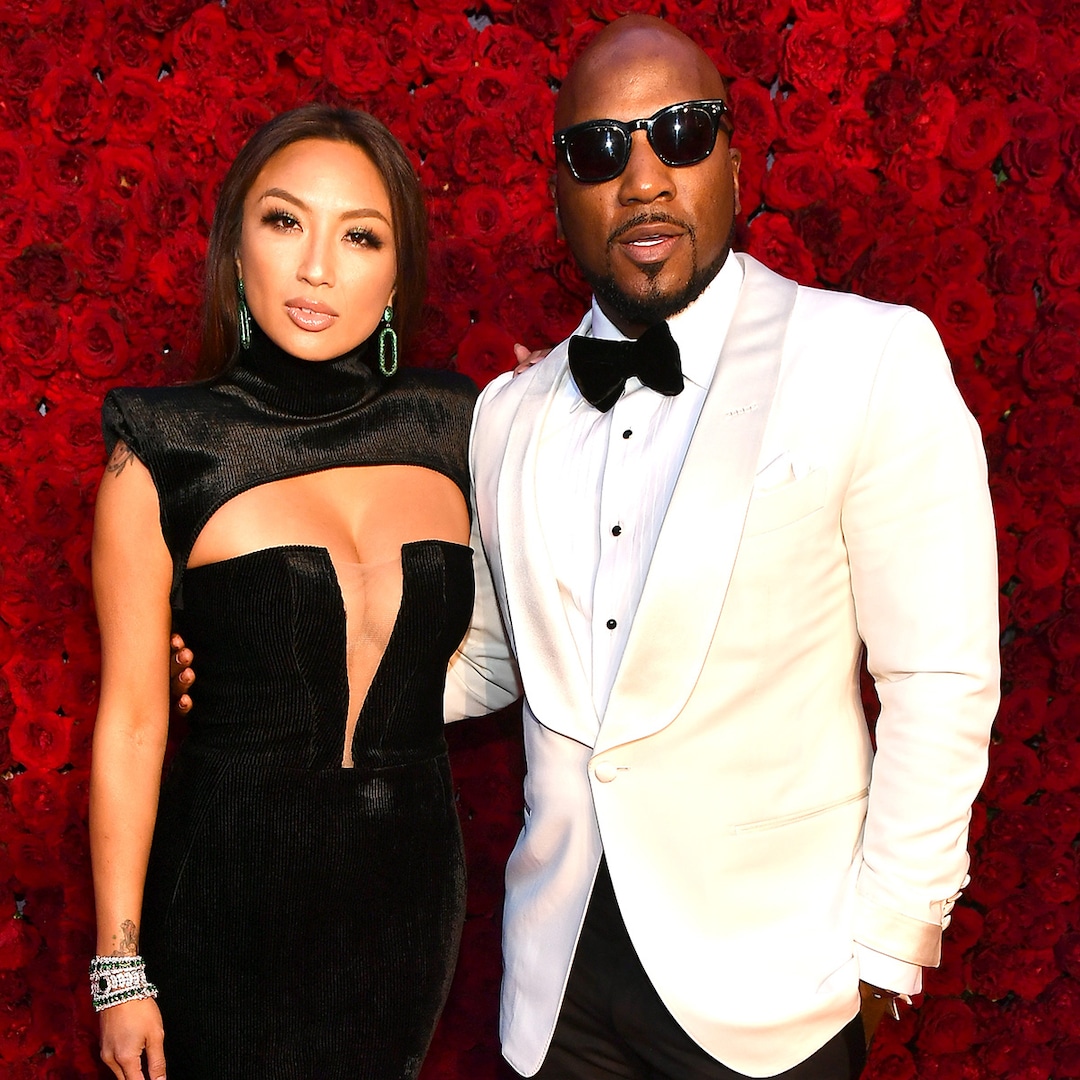
Here’s where the timeline becomes both dagger and deliverance. Jeezy filed for divorce in September 2023, when their daughter Monaco was roughly 20 months old—barely walking, barely talking, but old enough to register stress in the room. Mai clings to the fact that Monaco “won’t remember the turmoil,” a sentiment any parent who has tiptoed through a separation will recognize. Yet gratitude that your child won’t recall the screaming doesn’t erase the reality that the screaming happened.
Still, the math is stark: two weddings, two divorces, one little girl caught in the overlap. Mai’s first marriage ended in 2018; she walked down the aisle with Jeezy in March 2021. That’s barely enough time to process the demise of a decade-plus union, let alone build a foundation sturdy enough for a high-profile rapper, a pandemic, and a newborn. Did anyone ask whether the couple ever truly transitioned from the adrenaline of new love to the quieter rhythm of maintenance? In celebrity culture, courtships get compressed and marriages get branded; there’s little room for the mundane Tuesdays that actually sustain commitment.
Now, Monaco turns four this month, and her mother’s stated goal is to “define peace” for her. Notice the wording—not “provide,” not “create,” but “define.” It suggests an active, ongoing conversation rather than a static environment. How do you define something you’ve struggled to find yourself? And how do you sell a toddler on the concept of peace when custody hand-offs require sheriff’s deputies?
Legal Battles as Public Theater

What remains unsaid in Mai’s podcast interview is that the divorce hasn’t simply ended—it has metastasized. Court documents don’t read like eulogies; they read like cross-examinations. While she speaks of death, both parties continue to file motions, presumably over assets, custody schedules, and perhaps the confidentiality clauses that keep grislier details out of TMZ’s inbox. Death, in this case, is more of a legal fiction: the marriage is emotionally dead but bureaucratically alive, a zombie shuffling through courtrooms.
For consumers of celebrity gossip, the spectacle feels familiar. We watch the Instagram unfollowing, the cryptic song lyrics, the carefully staged paparazzi shots that either scream “I’m thriving” or “I’m barely holding on.” But beneath the choreography lies a more universal question: Why does modern divorce so often resemble war games? Prenups, social-media scrubbing, dueling PR statements—none of these existed for our grandparents, yet they’ve become the default for anyone with a blue checkmark and a bank account. Mai’s metaphor of death might be less about heartbreak and more about the impossibility of a dignified exit once attorneys start billing by the hour.
The Second Divorce Paradox: Why Experience Doesn’t Equal Immunity

Here’s what keeps me up at night: Jeannie Mai had already survived one divorce. She’d already walked through the fire with Freddy Harteis, emerging after 11 years with what should have been battle-tested wisdom. So why does her second divorce sound even more devastating?
The uncomfortable truth? Second divorces often hit harder precisely because we think we should know better. Mai entered her marriage with Jeezy carrying the hard-won knowledge of what doesn’t work. She’d spoken publicly about learning to communicate, about choosing a partner who shared her values. When that relationship also crumbled, it didn’t just break her heart—it broke her narrative about growth and self-knowledge.
Psychologists call this “experienced trauma amplification.” The brain doesn’t just process the current loss; it reactivates every previous wound. For Mai, this meant simultaneously grieving her marriage to Jeezy while reliving the failure of her first marriage. How do you comfort someone who’s not just losing love, but losing faith in their ability to recognize lasting love?
The numbers tell a stark story. While What transforms divorce from painful to “experiencing death alive”? Often, it’s the legal system itself. While Mai has been notably discreet about specifics, the timing suggests a contested process that stretched well beyond the typical six-month waiting period. When someone describes divorce as a living death, they’re usually describing the unique torment of legal proceedings that can stretch months or years. Consider the paradox: You’re grieving a relationship’s end while being forced to negotiate its dissolution. Every asset division, every custody discussion, requires you to engage with the person who has become your source of pain. It’s like performing surgery on yourself without anesthesia—necessary, but brutal. The federal court system’s data shows that contested divorces average 12-18 months to finalize, with complex cases stretching longer. During this time, both parties exist in a strange limbo—technically married but emotionally divorced, legally bound but personally devastated. Is it any wonder Mai reached for metaphors of death to describe this purgatory?
| Divorce Type | Average Duration | Emotional Impact |
|---|---|---|
| Uncontested | 3-6 months | Moderate stress |
| Contested | 12-18 months | Severe trauma |
| High-conflict | 18+ months | Complex PTSD risk |
Redefining Victory: Monaco as the New North Star
But here’s where Mai’s story takes a turn that death metaphors can’t capture. Unlike actual death, divorce offers something corpses never can: the possibility of building something better from the wreckage. When Mai says her goal is to “define peace” for Monaco, she’s not just engaging in wishful thinking—she’s describing the only victory condition that matters anymore.
This is where the age factor becomes not just a mercy but a strategy. Monaco’s toddlerhood during the divorce means her normal is being established now. She won’t remember parents together, but she will remember—deep in her bones—whether home felt safe, whether love felt abundant, whether peace was present. Mai’s focus on creating that environment represents a profound shift from grief to generational responsibility.
Research from the American Psychological Association confirms that children of divorced parents who maintain consistent, peaceful co-parenting relationships show no significant long-term differences from children of married parents. The key isn’t parental togetherness—it’s parental emotional stability.
The Phoenix Paradox
So why does any of this matter beyond celebrity gossip? Because Mai’s raw articulation of divorce as “experiencing death alive” gives language to millions who feel similarly eviscerated but lack the vocabulary to describe it. She’s not just oversharing; she’s offering a map through territory that society prefers to keep unmarked.
Yet the most powerful part of her story isn’t the death metaphor—it’s what comes after. Unlike actual death, divorce forces you to keep living, to keep parenting, to keep building. The relationship dies, but you don’t. You’re left to construct meaning from the ashes, to create peace where chaos reigned.
Mai’s journey suggests that the opposite of divorce isn’t marriage—it’s wholeness. Whether she finds that through co-parenting, new love, or simple self-acceptance remains unwritten. But by naming divorce as a kind of death, she’s also claiming the possibility of rebirth. And that, ultimately, is more than metaphor—it’s the daily, difficult work of choosing to live forward rather than die backward.