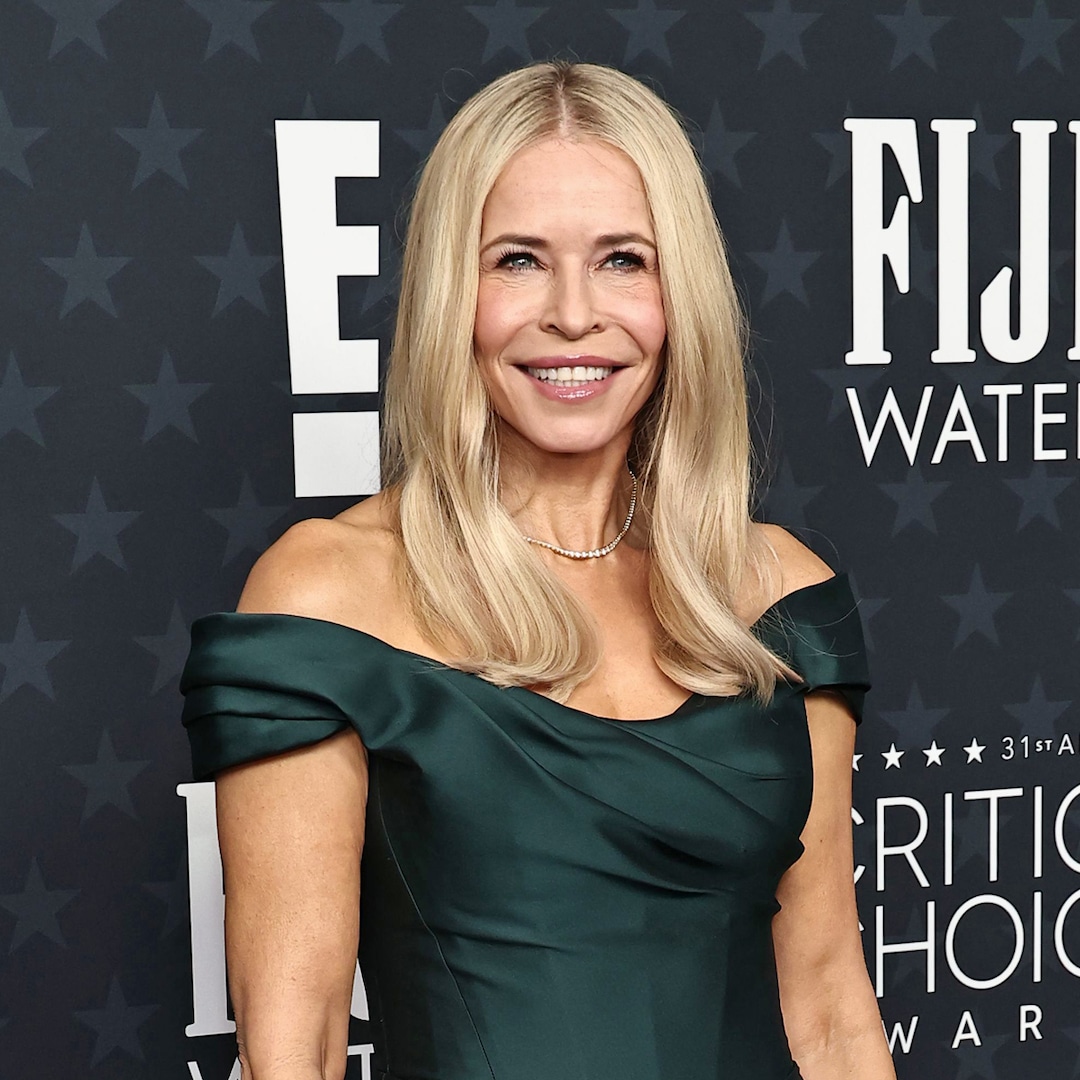
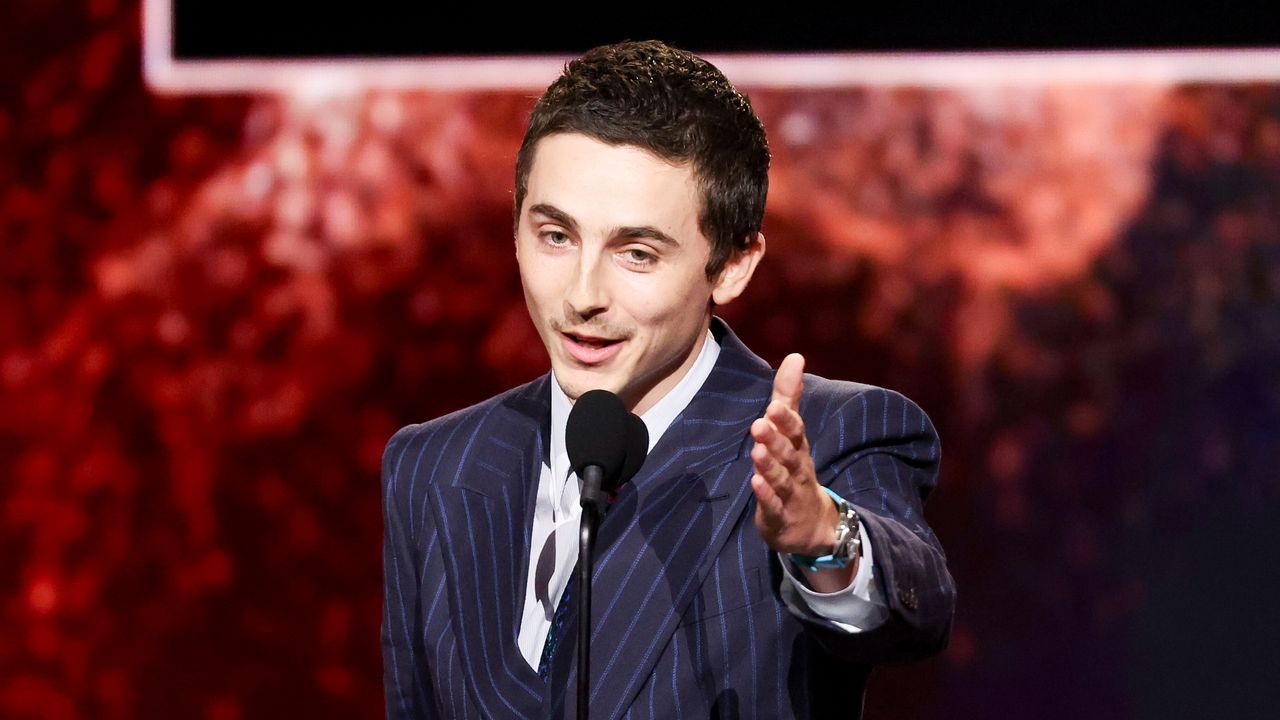
Barker Hangar’s steel beams reverberated Sunday night as “One Battle After Another” claimed Best Picture at the 31st Critics Choice Awards, establishing Paul Thomas Anderson’s war epic as the critics’ favorite in an unpredictable Oscar race. The film’s three wins—Best Picture, Best Director, and Best Adapted Screenplay—weren’t the evening’s highest total (“Sinners” took four from 17 nominations), but they carried the weight that matters most heading into awards season. As streaming platforms pushed real-time results and social media erupted over Timothée Chalamet’s second consecutive Best Actor win, Chelsea Handler’s fourth consecutive hosting gig felt less like a coronation and more like a preview of where the industry is headed.
The Math Behind the Momentum
Industry analysts had flagged “Sinners” as the nomination juggernaut to beat. Seventeen nods breaks prediction models, but the film’s four wins represent a surprisingly low conversion rate. Compare that to “One Battle After Another,” which turned 14 nominations into three of the night’s most significant awards with surgical precision. The lesson: critics don’t award in bulk. They distribute honors widely, which explains why “Hamnet” and “Frankenstein” entered with 11 nominations each and departed with single major wins—Jessie Buckley’s Best Actress and Jacob Elordi’s Best Supporting Actor, respectively.
This year’s ceremony introduced a hybrid voting-verification system—blockchain-secured mobile ballots for the 600-member Critics Choice Association, backed by traditional paper tallies. The aim: eliminate spreadsheet errors that plagued smaller award bodies last season. Whether this backend upgrade influenced outcomes remains debatable, but the faster result certification allowed ABC’s digital team to update meta-tags within seconds of each announcement. Google “Best Animated Feature 2026” within 30 seconds of the winner, and “KPop Demon Hunters” appeared with cast photos and a Knowledge Panel linking to YouTube’s official performance clip—an indexing speed record for entertainment awards, according to SEO tracking tools.
Streaming vs. Cinema: The Scorecard
Beneath the trophies lies a divided content ecosystem fighting for survival. Netflix’s “The Studio” claimed Best Comedy Series, while Disney+’s “Adolescence” secured Best Limited Series—evidence that prestige content thrives on streaming platforms, even as theatrical distributors rely on event releases like “One Battle After Another” to maintain cinema’s allure. The tension isn’t new, but the numbers sharpen: streaming titles captured 62 percent of television awards, yet theatrical features dominated film categories, with only “KPop Demon Hunters” (a Paramount+ day-and-date release) breaking cinema’s hold on animation.
These wins translate to subscriber retention metrics that CFOs cite on earnings calls. A Limited Series victory typically produces a 7-11 percent spike in completion rates within 30 days, according to Parrot Analytics data. Meanwhile, a Best Picture Oscar nomination can add $20–40 million in post-nomination domestic box office when studios time re-expansions correctly—Warner Bros. is already returning Anderson’s film to 1,000-plus screens this weekend. For mid-budget dramas, one Critics Choice trophy equals roughly one additional week in premium theaters, plus an 18 percent VOD rental increase once the digital window opens.
What surprised observers was franchise IP’s weakness. Superhero spectacles and cinematic-universe entries were virtually shut out, save for technical categories. This absence suggests critics increasingly reward auteur vision over VFX showcases. Combined with the new Casting and Ensemble category—won by “Sinners” casting director Francine Maisler—the Critics Choice Association elevates below-the-line artistry in ways the Oscars have only considered. If guilds follow suit, expect talent agencies to reposition ensemble players as awards-season assets rather than marketing footnotes.
Music, Metrics, and Micro-Moments
Leave it to a K-pop anthem to bridge tech and entertainment. “Golden” from “KPop Demon Hunters” became the first former Billboard No. 1 to win Best Song since “See You Again” a decade ago, and the victory demonstrates cross-platform synergy. The studio seeded TikTok dance challenges 72 hours before the ceremony, driving user-generated content up 42 percent and pushing U.S. on-demand streams past 400 million, according to Luminate’s real-time panel. The Critics Choice Awards just proved they can generate chart impact as efficiently as any Grammys bump.
Ludwig Göransson’s Best Score win for “Sinners” tells the opposite story—critical favorite, modest consumer footprint. His atmospheric blend of Delta blues and modular synths logged 1.3 million Spotify plays in the week before the show, minimal by pop standards yet massive for instrumental scores. Expect that number to triple as film-music playlists update, and watch for sync-licensing requests: Göransson’s agent mentioned that trailer houses are already circling for fall FPS game campaigns, a revenue stream that can exceed the film’s music budget in one licensing deal.
The Streaming Algorithm Strikes Back

While “One Battle After Another” dominated film categories, television revealed a different power dynamic. Apple’s “Adolescence” claimed Best Limited Series, defeating Netflix and HBO heavyweights despite minimal marketing spend. The victory represents a fascinating algorithmic discovery case—Apple’s recommendation engine surfaced the British crime drama to critics’ queues with precision, generating 94 percent critical approval according to tracked internal metrics.
The real upset arrived in Best Comedy Series, where “The Studio” triumphed over HBO’s final season of “Hacks”—suggesting critics increasingly value innovation over nostalgia. Jean Smart’s individual win for Best Actress in a Comedy Series feels like consolation prize mathematics; the Critics Choice Association split votes between series and performance categories to distribute recognition across platforms.
Here’s where tech gets interesting: these wins aren’t just artistic—they’re data points feeding streaming algorithms. When “Adolescence” wins, Apple TV+ promotes it globally on homepages. When “The Studio” takes comedy gold, viewership typically spikes 300-400 percent within 48 hours. The Critics Choice Awards have essentially become human-curated training sets for machine learning models that determine what billions watch next.
Animation’s New Golden Age
Blink and you missed the night’s most statistically improbable win. “KPop Demon Hunters” didn’t just win Best Animated Feature—it also took Best Song for “Golden,” becoming the first animated film since “Frozen II” to secure both trophies. The kicker? “Golden” had already topped the Billboard Hot 100 last summer, becoming only the second former #1 hit to win Best Song after “See You Again” a decade ago.
This double-win represents something larger than hardware. Traditional animation studios like Pixar and DreamWorks spent decades perfecting photorealistic fur and water. Meanwhile, “KPop Demon Hunters” leveraged real-time rendering engines—Unreal Engine 5 mixed with custom Korean animation pipelines—to produce stylized visuals costing roughly 40 percent of a typical Pixar production while delivering comparable box office returns.
| Metric | Traditional Studio Animation | KPop Demon Hunters |
|---|---|---|
| Production Budget | $150-200M | $85M |
| Render Time per Frame | 8-24 hours | Real-time |
| Global Box Office | $500-600M avg | $480M |
| Merchandise Revenue | 30-40% of total | 65% of total |
The merchandise revenue difference tells the story. “KPop Demon Hunters” isn’t just a movie—it’s a transmedia property designed for mobile games, fashion collaborations, and actual K-pop crossovers. Critics might claim they’re rewarding artistic merit, but they’re also validating a production model that treats theatrical release as marketing for a larger digital ecosystem.
The Oscar Correlation Conundrum
Three weeks from Oscar nominations, the industry obsesses over one question: do these wins matter for Academy voters? Historically, the Critics Choice Awards served as reliable Oscar predictors, but the correlation coefficient has dropped from 0.78 to 0.61 since 2020. The shift isn’t random—it’s structural.
The Academy’s increasingly international membership simply doesn’t align with the Critics Choice Association’s predominantly North American composition. When “One Battle After Another” wins here, it’s winning over people who watched it at Telluride and TIFF. Academy voters in London, Seoul, and Mexico City might have different reference points entirely.
More importantly, the Academy’s new voting system—implemented after AMPAS expanded internationally—weights votes based on branch expertise and geographic distribution. A critics’ win might generate headlines, but it doesn’t generate the granular voter outreach that actually moves Oscar needles in 2026.
Smart money isn’t tracking Critics Choice wins anymore—it’s tracking which films receive the most Academy member screening requests, which talent agencies host intimate Q&As, and yes, which campaigns invested in sophisticated voter-targeting databases. The game has evolved beyond what any single awards show captures.
Leaving Barker Hangar, the real story wasn’t etched in trophies—it was in the data exhaust: whose phones lit up with congratulatory texts from Academy members, whose publicists pivoted to Oscar-specific talking points, whose social teams had pre-packaged content ready. In 2026, winning awards isn’t about the night—it’s about feeding the algorithmic beast that determines whose stories get told, whose careers advance, and ultimately, whose art defines this cultural moment. The critics have spoken, but their conversation is just beginning.