The electric vehicle (EV) landscape has undergone a significant transformation, with BYD surpassing Tesla as the world’s top EV seller in 2025. This shift in leadership underscores the rapidly evolving nature of the EV market, where factors such as innovation, pricing, and market presence play a crucial role.
The Numbers: BYD Takes the Lead
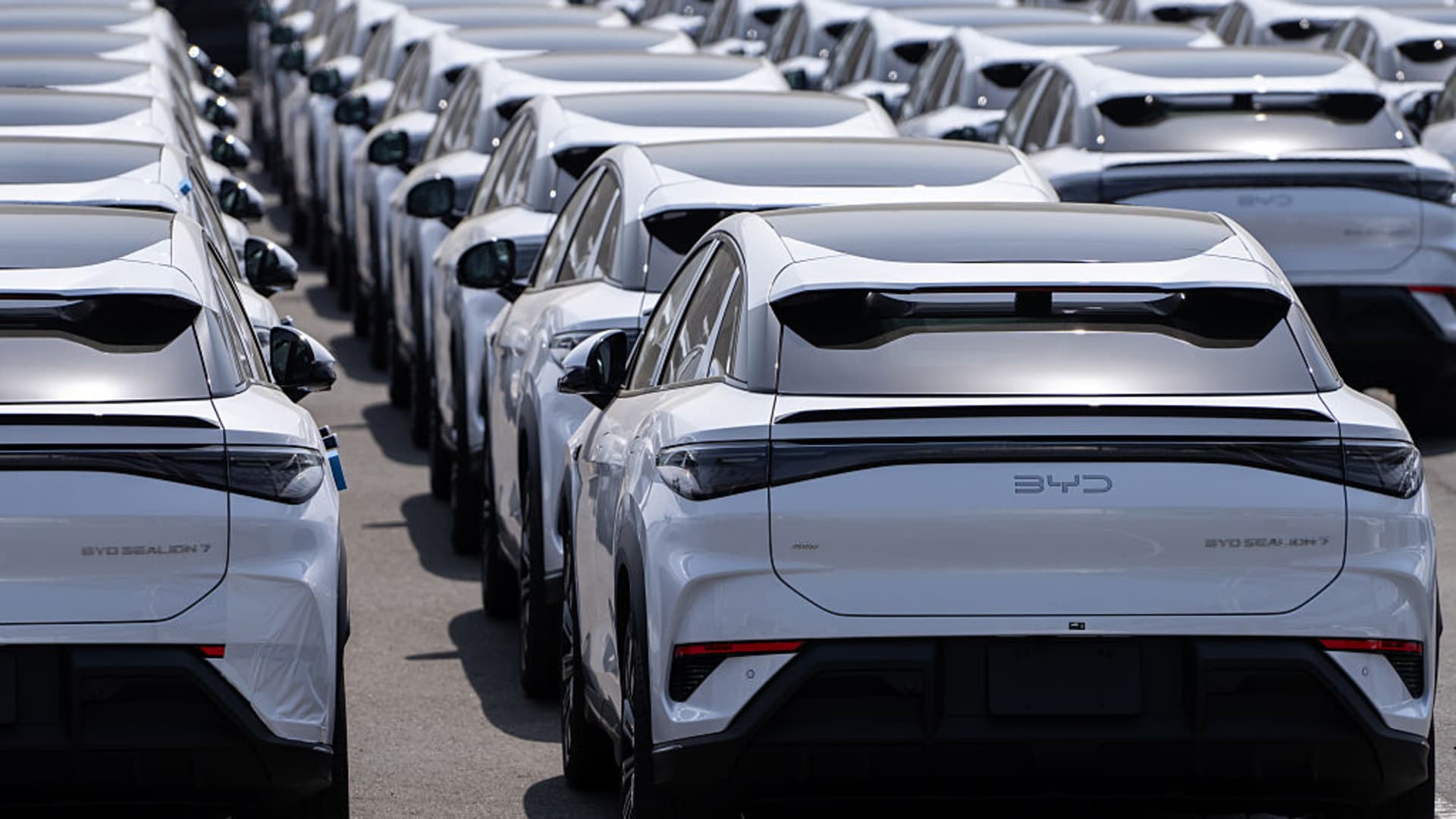
According to recent reports, BYD sold 2.26 million electric vehicles in 2025, marking a 28% increase from the previous year. In contrast, Tesla’s sales dropped to 1.64 million, representing an 8% decline from 2024. This significant gap of 620,000 units highlights BYD’s strong performance, driven primarily by sales growth in markets outside the US, including Europe and Latin America, which complemented its robust presence in China.
The fourth quarter of 2025 saw Tesla’s sales decline by 16% following the expiration of the US $7,500 EV tax credit. This decline contributed substantially to Tesla’s overall yearly performance, with the company delivering 418,227 vehicles in the fourth quarter, falling short of the expected 423,000 vehicles. This underperformance was part of Tesla’s second consecutive year of declining car deliveries.
The rise of Chinese firms like BYD has intensified pressure on Western rivals by offering competitively priced vehicles. BYD’s ability to price its vehicles lower than established brands has been a key factor in its success, contributing to Tesla’s decline in sales. As the EV market continues to expand, competition is expected to intensify, with more automakers entering the market and offering consumers a wider range of choices.
Tesla’s Decline: Factors at Play
Tesla’s decline in sales can be attributed to several factors, including the expiration of the US $7,500 EV tax credit, which had a significant impact on Tesla’s sales in the fourth quarter of 2025. Additionally, increasing competition from other automakers, particularly Chinese firms like BYD, has forced Tesla to reevaluate its market strategy. As more manufacturers expand their EV offerings, Tesla’s once-dominant position is being challenged.
Analysts have noted that Tesla’s lineup appears outdated compared to newer and fresher options from other manufacturers. This perception could be contributing to Tesla’s declining sales, as consumers are drawn to more modern and feature-rich vehicles. The lack of significant updates to Tesla’s lineup has potentially made its vehicles less competitive in a rapidly evolving market.
Tesla’s decline is not solely due to external factors; the company’s failure to innovate and refresh its product lineup has likely contributed to its dwindling sales. As the EV market continues to grow, Tesla will need to reassess its strategy and respond to the changing landscape to regain its position as a leader.
BYD’s Rise to Prominence

BYD’s success can be attributed to its strategic expansion into new markets, including Europe and Latin America. The company’s competitive pricing strategy has been a key factor in its success. BYD’s sales growth was driven by a combination of its strong presence in China and its increasing popularity in other regions.
BYD’s achievement is all the more impressive considering it was accomplished without a presence in the US or Canadian markets. BYD’s global reach and diversified portfolio have enabled it to capitalize on the growing demand for EVs. As the EV market continues to evolve, BYD’s position as a leader is likely to be tested by other manufacturers looking to challenge its dominance.
The Impact of Government Policies on the EV Market
Government policies have played a significant role in shaping the EV market, with incentives and subsidies influencing consumer adoption and manufacturer production. The expiration of the US $7,500 EV tax credit had a notable impact on Tesla’s sales, contributing to the company’s decline in the fourth quarter of 2025.
In contrast, BYD has benefited from supportive government policies in China, where the company is headquartered. The Chinese government has implemented a range of incentives, including subsidies, tax breaks, and investment in charging infrastructure, to promote the adoption of EVs. These policies have helped drive growth in the Chinese EV market, a key factor in BYD’s success.
The Future of the EV Market: Trends and Predictions
The EV market is expected to continue growing rapidly in the coming years, with many analysts predicting increased competition. According to a report by the International Energy Agency (IEA), EVs are expected to reach price parity with internal combustion engine vehicles by the mid-2020s, driving increased adoption.
As the market continues to evolve, new players are likely to emerge, and existing manufacturers will adapt to changing consumer preferences and technological advancements. BYD and Tesla are likely to remain key players in the market, but other manufacturers, such as Volkswagen and General Motors, are also expected to play a significant role.
In conclusion, the shift in the global EV market leadership from Tesla to BYD reflects the rapidly evolving nature of the industry. BYD’s competitive pricing, diversified product lineup, and strategic expansion into new markets have been key factors in its success. As the market continues to grow and become increasingly competitive, it will be interesting to see how manufacturers adapt to changing consumer preferences and technological advancements.