Beloved cartoon characters Betty Boop and Blondie will enter the public domain on January 1, 2026, as their original U.S. copyright protections expire after 95 years. This change allows creators to repurpose and reimagine these iconic characters without needing permission or payments to former rights holders. The expiration marks the latest example of classic American entertainment properties becoming freely available as their copyrights reach the century mark.
Copyright Expiration and Public Domain
U.S. copyright law mandates that works published after 1925 enter the public domain 95 years after initial publication. The first appearances of Betty Boop and Blondie, dating back to the 1930s, will lose copyright protection in 2026. This represents a significant milestone for public domain advocates, who have witnessed a steady increase in available works since 2019 after a 20-year drought caused by congressional copyright extensions.
The original cartoon featuring Betty Boop, “Dizzy Dishes” by Fleischer Studios, and the initial four months of “Blondie” comic strips by Chic Young will enter the public domain. These early character versions become available for anyone to copy, share, and recreate without compensating previous rights holders.
Cultural Significance and Rediscovery
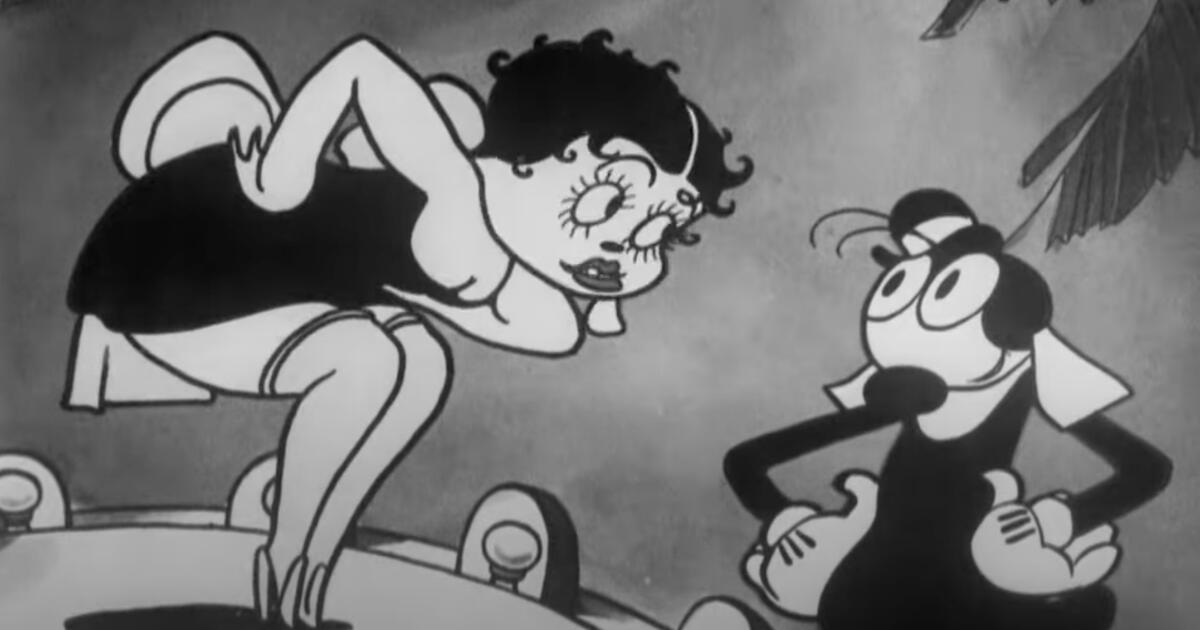
Betty Boop and Blondie’s entry into public domain carries particular cultural weight. These characters’ original 1930s incarnations offer direct insight into Depression-era America, reflecting both the economic desperation and social tensions of the interwar period. Modern audiences will discover that early Betty Boop cartoons targeted adult nightclub crowds rather than children, featuring risqué humor that corporate owners later sanitized.
The 2026 public domain additions include other notable works: the first Nancy Drew novels, Agatha Christie’s initial Miss Marple book, and films like “Animal Crackers” and “Cimarron.” These releases provide creators and historians with fresh material for reinterpretation.
Implications for Creators and the Public
Artists, filmmakers, and writers can now reimagine Betty Boop and Blondie without legal barriers. Independent filmmakers plan Depression-era stories featuring authentic period characters, while game developers create retro-styled adventures starring these newly-freed icons. Publishers can produce affordable editions of early Blondie comics, making them accessible to schools and libraries.
The public domain status raises complex questions about preserving artistic legacy versus enabling creative reinterpretation. While some creators will produce faithful historical works, others plan modern adaptations that may radically transform these characters. This tension between preservation and innovation defines how future generations will encounter these 1930s creations.
International Implications for Character Licensing
While Betty Boop and Blondie enter the U.S. public domain in 2026, their status varies dramatically across global markets—a complexity that multinational media companies must navigate carefully. The rule of the shorter term in many countries means these characters may remain under copyright protection in nations where copyright terms extend beyond the U.S. standard of 95 years.
Japan’s copyright law, for instance, protects works for 70 years after the creator’s death, creating potential conflicts when Japanese companies attempt to use these newly public domain characters in their productions. Meanwhile, the European Union’s harmonized copyright term of 70 years post-mortem means that while the early Betty Boop cartoons enter the public domain, later iterations and character developments remain protected.
| Region | Copyright Term | Betty Boop Status (2026) |
|---|---|---|
| United States | 95 years from publication | Public Domain |
| European Union | 70 years after creator’s death | Partially Protected |
| Japan | 70 years after creator’s death | Protected |
| Canada | Life + 50 years (transitioning to 70) | Uncertain |
This fragmented legal landscape creates opportunities for what legal scholars term “copyright arbitrage“—where creators might establish operations in countries with more favorable public domain laws while carefully restricting distribution in markets where rights remain enforced.
The Adult Origins of a Supposed Children’s Character
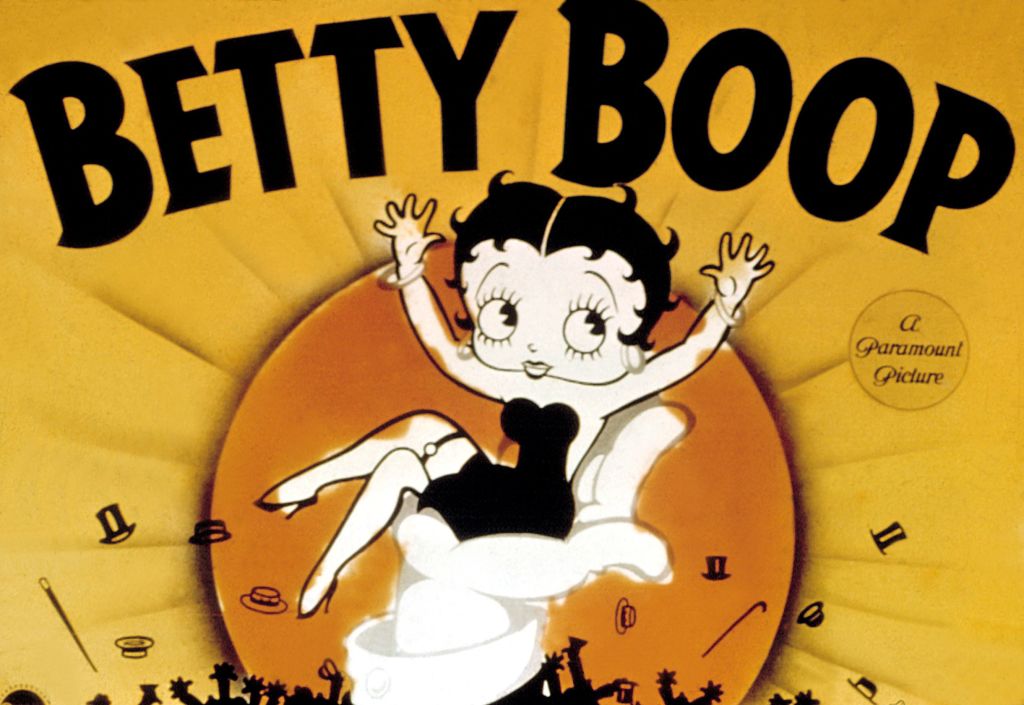
Betty Boop’s transformation from jazz-age flapper to sanitized corporate icon illustrates how public domain status can reveal suppressed cultural narratives. The original Betty, debuting in 1930’s “Dizzy Dishes,” emerged from the cotton club culture of Harlem, with her character design and movements directly inspired by African American jazz singers like Baby Esther.
Unlike her later, tamed iterations, early Betty Boop cartoons contained adult humor, double entendres, and visual gags that targeted Depression-era nightclub audiences rather than children. Her signature phrase “Boop-oop-a-doop” originated as a scat singing style popularized by Black performers—a cultural appropriation that went unrecognized for decades while Fleischer Studios profited from the character.
The public domain release allows contemporary creators to explore these problematic origins without corporate sanitization. Independent filmmakers and historians can now legally examine how Betty’s African American influences were systematically erased as the character became a merchandising juggernaut. This reclamation aligns with broader movements to acknowledge how early American entertainment industries appropriated Black cultural innovations while excluding Black creators from profit-sharing.
Economic Impact on Creative Industries
The entry of these characters into the public domain represents more than artistic freedom—it signals a fundamental shift in how creative industries monetize intellectual property. As U.S. Copyright Office data indicates, the 20-year copyright extension drought (1998-2018) created an artificial scarcity that inflated licensing costs for early 20th-century characters.
Independent game developers, previously priced out of licensing negotiations, can now incorporate these characters into retro-styled games without legal barriers. The mobile gaming market, particularly strong in Asia, stands to benefit significantly as developers create localized versions featuring these characters for markets where they remain culturally relevant.
Academic publishers and educational technology companies can integrate original Blondie comic strips into teaching materials about Depression-era domestic life, creating new revenue streams while preserving cultural heritage. This democratization particularly benefits smaller educational publishers who lacked resources for licensing fees that could exceed $100,000 per character.
Conclusion: A New Chapter in Cultural Democracy
The 2026 public domain additions mark a watershed moment in cultural accessibility, particularly for characters whose commercial exploitation had divorced them from their historical context. Betty Boop’s journey from jazz-age symbol to corporate mascot and back to public ownership illustrates how copyright law shapes collective memory.
Moving forward, the challenge lies not in accessing these characters but in responsibly interpreting their complex histories. Creators must balance artistic freedom with cultural sensitivity, particularly when dealing with characters whose origins involve racial appropriation or gender stereotypes that reflect their era’s prejudices.
The international patchwork of copyright laws complicates this democratization, creating a two-tier system where American creators enjoy freedoms unavailable to their global counterparts. This disparity may pressure other nations to reconsider copyright terms, potentially accelerating a worldwide public domain expansion.
Ultimately, Betty Boop and Blondie’s entry into the public domain represents more than legal technicality—it embodies the ongoing negotiation between corporate ownership and cultural heritage. As these characters enter their second century, their stories become not just entertainment but historical documents, freely available for reinterpretation by future generations seeking to understand the turbulent decades that shaped modern America.