The rapid expansion of data centers, fueled by growing demand for artificial intelligence (AI) and cloud computing, is placing an unprecedented strain on the US electrical grid. As data centers continue to proliferate across the country, concerns are mounting about the grid’s ability to keep up with the surge in energy needs. Virginia, home to the largest data center cluster in the world with 561 data centers in 23 markets, is at the epicenter of this trend. However, the issue extends beyond Virginia, with states like Ohio offering incentives, such as sales tax exemptions, to attract data center investments. This highlights the complex interplay between economic development and energy infrastructure.
The Data Center Boom and Grid Capacity
The US electrical grid faces significant challenges in meeting the growing demand from data centers, which are increasingly being built in remote locations where energy is more abundant and grids are less strained. The increasing demand for AI and cloud computing requires substantial amounts of energy to power the necessary computing infrastructure. In response, some states are taking proactive steps to manage the impact of data centers on the grid. For example, a consortium of governors has asked PJM, the largest electric grid operator, to hold an emergency power auction to help alleviate the surge in electricity costs.
If state energy policies and the current PJM model remain unchanged, the strain on the grid is expected to lead to rolling blackouts, uncontrollable power surges, and skyrocketing electric bills. To address this, governors are proposing reforms to the PJM market, including requiring data centers to take steps to mitigate their impact on the grid. This could involve measures such as generating their own power, shutting down during surges, or paying higher prices for electricity.
AI Data Centers and Energy Demand

Data centers powering AI applications have a substantial energy footprint, contributing to concerns about rising electricity rates. Contrary to claims from AI developers, adding more data centers to the grid will not necessarily lower rates for average consumers, as there is no excess capacity on the grid to absorb the increased demand. Utilities will likely need to build new generation, transmission, and distribution facilities to meet the energy demands of AI data centers, which will require significant investment and may lead to higher rates.
A study by the Berkeley National Laboratory found that states with large-load customers, such as data centers, tended to have lower average rates from 2019-2024. However, this trend may not continue as the grid reaches capacity constraints. The electrical grid is reaching capacity constraints, with many utilities running out of spare capacity to meet the demands of AI data centers, even if AI companies agree to reduce demand during peak hours. This raises important questions about balancing economic development with the need to ensure a reliable and sustainable energy supply.
Economic Development and Energy Infrastructure
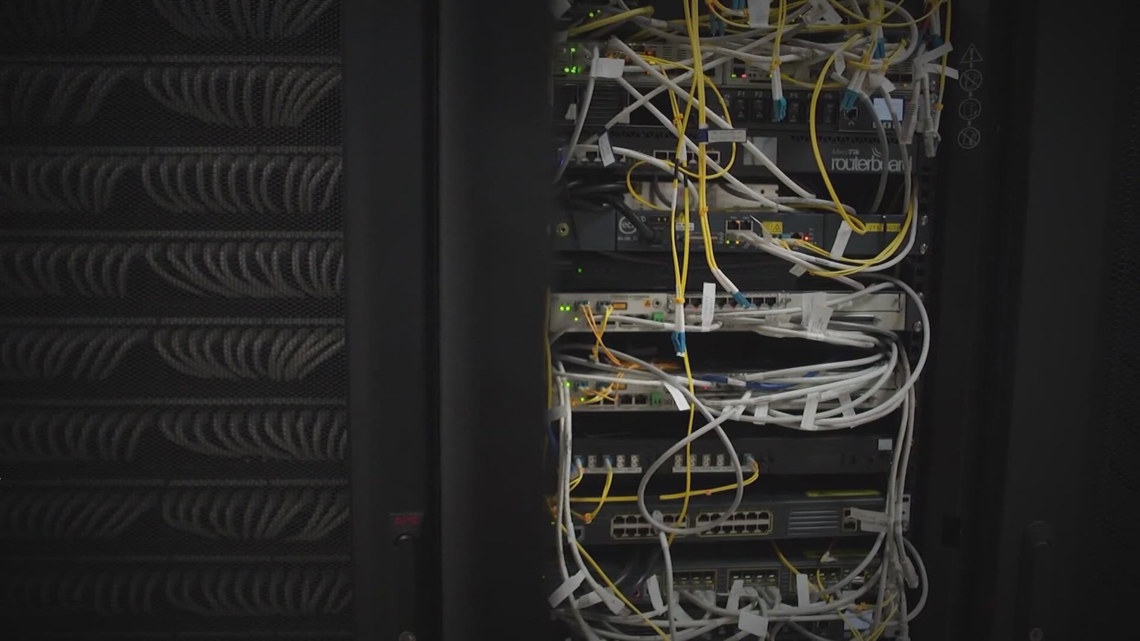
The impact of data centers on the grid has significant economic implications. A $6 billion data center project in Pulaski County, Arkansas, exemplifies the scale of investment in the sector. The project is expected to bring multi-billion dollar investments to the community, potentially creating hundreds of new operations jobs and thousands of construction jobs. However, this also raises questions about ensuring that the benefits of data center investments are shared equitably while minimizing the strain on the grid and the environment.
Regional Disparities and Economic Development
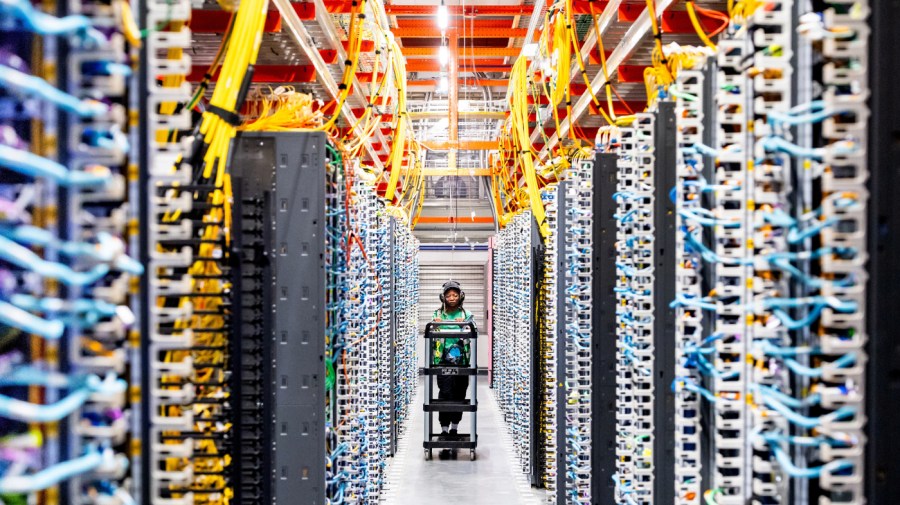
The data center boom is not limited to Virginia, with other states like Ohio, Arkansas, and West Virginia actively courting data center investments. Ohio has introduced sales tax exemptions to attract data centers, highlighting the complex interplay between economic development and energy infrastructure.
| State | Data Center Incentives | Economic Impact |
| — | — | — |
| Ohio | Sales tax exemptions | Attracting data center investments |
| Arkansas | $6 billion data center project | Multi-billion dollar investments, hundreds of jobs |
| West Virginia | Undisclosed incentives | Data center investments and job creation |
However, this raises questions about the long-term sustainability of such investments and the potential strain on local energy infrastructure. As data centers continue to proliferate, states must balance economic development with the need to ensure reliable and sustainable energy supplies.
The Role of Policy and Regulation
The strain on the grid has prompted policymakers to re-examine the current PJM market model and propose reforms to mitigate the impact of data centers on the grid. A consortium of governors has asked PJM to hold an emergency power auction to help alleviate the surge in electricity costs. This auction would allow companies to bid on 15-year contracts, potentially stabilizing rates and expediting the construction of new power plants.
Key Proposed Reforms:
Requiring data centers to generate their own power or shut down during surges
Implementing higher prices for electricity during peak demand periods
- Encouraging data centers to invest in on-site renewable energy sources
These reforms aim to protect consumers and stabilize the energy market, but their effectiveness remains to be seen. The PJM market serves over 65 million people across 13 states, making it a critical component of the US electrical grid.
Technological Innovations and Solutions
As the demand for AI and cloud computing continues to grow, data centers are exploring innovative solutions to reduce their energy footprint. Some data centers are investing in on-site renewable energy sources, such as solar or wind power, to reduce their reliance on the grid. Others are implementing more efficient cooling systems and exploring the use of liquid cooling technologies.
According to the US Department of Energy, data centers can reduce their energy consumption by up to 30% by implementing efficient cooling systems and optimizing their operations. Additionally, the use of edge computing can help reduce the strain on the grid by processing data closer to the source, reducing the need for data transmission and the associated energy consumption.
In conclusion, the data center surge and looming grid capacity crisis require a multifaceted approach to address the strain on the US electrical grid. By requiring data centers to take steps to mitigate their impact on the grid, investing in renewable energy sources, and promoting energy-efficient technologies, we can ensure a sustainable and reliable energy future. Ultimately, it will take a collaborative effort from policymakers, industry leaders, and stakeholders to address this pressing issue and ensure that the benefits of AI and cloud computing are not undermined by the strain on our energy infrastructure. For official information on PJM’s efforts to address the grid capacity crisis, visit the PJM Interconnection website.