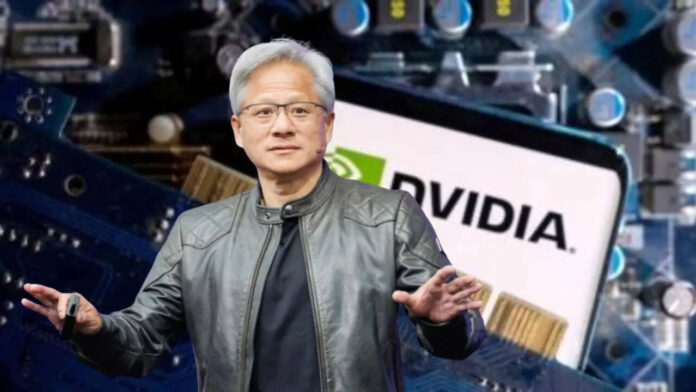
The annual World Economic Forum in Davos, Switzerland, has long been a platform for global leaders to discuss pressing issues like climate change, poverty, and economic inequality. However, this year’s event has taken a notable turn, with tech companies and artificial intelligence (AI) taking center stage. The main promenade, typically reserved for discussions on global issues, has been dominated by tech giants like Meta and Salesforce, drawing attention away from traditional topics. Top tech CEOs, including Elon Musk, Jensen Huang, and Satya Nadella, made on-stage appearances, highlighting the growing importance of AI and the tech industry’s influence on the global stage.
The AI Takeover at Davos
This year’s World Economic Forum has been overshadowed by the excitement around AI. Discussions on major global problems like climate change and poverty are not drawing large crowds, while AI-related talks are attracting more attention. According to Nvidia CEO Jensen Huang, the AI explosion has sparked the “largest infrastructure buildout in history,” with hundreds of billions of dollars already spent on the technology. Huang estimates that “trillions of dollars of infrastructure” need to be built out to support the growth of AI.
The AI-related talks at Davos have been well-attended, with many CEOs boasting about their AI prowess and treating AI like the next gold rush. OpenAI’s recent release of its GPT-5.2 model, touted as a “frontier model for professional work,” has raised questions about its reliability, including its citation of the lesser-known Grokipedia for controversial topics.
The Economic Implications of AI

The economic implications of AI were a major topic of discussion at Davos, with many CEOs discussing the potential for AI to drive growth and transformation. According to Huang, 2025 was one of the largest years in VC funding ever, with most of the funding going to “AI native companies” in industries such as healthcare, robotics, and financial services. This influx of funding is reflective of the perceived potential of AI to disrupt traditional industries and create new opportunities.
Tech Industry’s Growing Influence
The tech industry’s growing influence on the global stage was a major theme at Davos, with many CEOs discussing the need for collaboration and regulation. The significant presence of major tech companies like Meta and Salesforce at Davos, with storefronts on the main promenade, was a testament to the industry’s growing importance. As the tech industry continues to shape the global agenda, it remains to be seen how governments and other stakeholders will respond to the opportunities and challenges presented by AI.
The Implications of AI Dominance at Davos
The overwhelming presence of AI-related talks at Davos has significant implications for the future of technology and its role in shaping global issues. Artificial intelligence is no longer just a niche topic, but a major driver of economic growth and transformation. A report by McKinsey notes that AI has the potential to add up to $15.7 trillion to the global economy by 2030. This has led to a surge in investment in AI-related infrastructure, with companies like Nvidia, Google, and Amazon leading the charge.
| AI Investment (2020-2025) | Amount (in billions) |
|---|---|
| Nvidia | $50+ |
| $100+ | |
| Amazon | $200+ |
The Ethics of AI: A Growing Concern
As AI takes center stage at Davos, concerns about its ethics and potential risks are growing. Bias in AI algorithms, job displacement, and data privacy are just a few of the issues that need to be addressed. According to a report by the World Economic Forum, by 2022, more than a third of the desired skills for most jobs will be comprised of skills that are not yet considered crucial to the job today. This highlights the need for a more nuanced discussion about the impact of AI on society and the need for responsible AI development.
Experts at Davos emphasized the importance of developing AI in a responsible and transparent manner. This includes ensuring that AI systems are designed with ethics in mind, and that they are transparent and explainable. The European Union’s High-Level Expert Group on AI has developed a set of guidelines for trustworthy AI, which include principles such as transparency, accountability, and fairness.
The Future of AI: A New Era of Collaboration?
Despite the dominance of AI-related talks at Davos, there are signs that the tech industry is moving towards a more collaborative approach to AI development. Open-source AI frameworks, such as TensorFlow and PyTorch, have become increasingly popular, allowing developers to share and build on each other’s work. According to a report by GitHub, the number of AI-related projects on the platform has grown by over 50% in the past year alone.
This trend towards collaboration is driven by the recognition that AI is a complex and multifaceted field that requires a diverse set of skills and expertise. By working together, tech companies can accelerate the development of AI and ensure that its benefits are shared by all. As Satya Nadella, CEO of Microsoft, noted at Davos, “The future of AI is not just about technology, it’s about people and society. We need to work together to ensure that AI is developed in a way that benefits everyone.”