## From Squared Circle Dreams to Real-Life Brawls: How WrestleMania Hooked Me on Combat Sports
Let’s be real, most people associate WrestleMania with outlandish costumes, over-the-top storylines, and the occasional pyrotechnic mishap. You might even think it’s just a spectacle, a carnival of athleticism mixed with pure showmanship. But for me, it was more than that. WrestleMania, with its larger-than-life characters and jaw-dropping moves, was the gateway drug that led me down the rabbit hole of combat sports.
The Connection: Finding Parallels Between Wrestling and Real Fights
As I delved deeper into the world of combat sports, I began to notice parallels between wrestling and real fights. The physicality of wrestling, the strategy, and the skill all carried over into the world of MMA.
One of the biggest connections I made was between the art of selling a move in professional wrestling and the art of selling a strike in MMA. In both cases, the goal is to convince the audience that the move or strike is the most devastating thing they’ve ever seen.
However, the key difference between the two is that in MMA, the fighter is actually getting hit, whereas in professional wrestling, the fighter is just acting. This subtle difference can make all the difference in the world, and it’s something that I learned to appreciate as I watched more and more MMA fights.
The Psychology of Combat Sports
Another connection I made between wrestling and MMA was in the psychology of combat sports. In both cases, the mental game is just as important as the physical game.
Wrestlers and MMA fighters alike must be able to read their opponents, anticipate their moves, and stay one step ahead. They must also be able to handle the pressure of competition, the stress of injury, and the emotional toll of losing.
As I watched more and more MMA fights, I began to appreciate the mental toughness required to compete at the highest level. I saw fighters who were able to stay focused and composed under pressure, even when they were getting battered and bruised.
And I saw fighters who were unable to handle the pressure, who became emotional and lost their focus. It was a stark reminder that combat sports are just as much a mental game as they are a physical one.
Conclusion
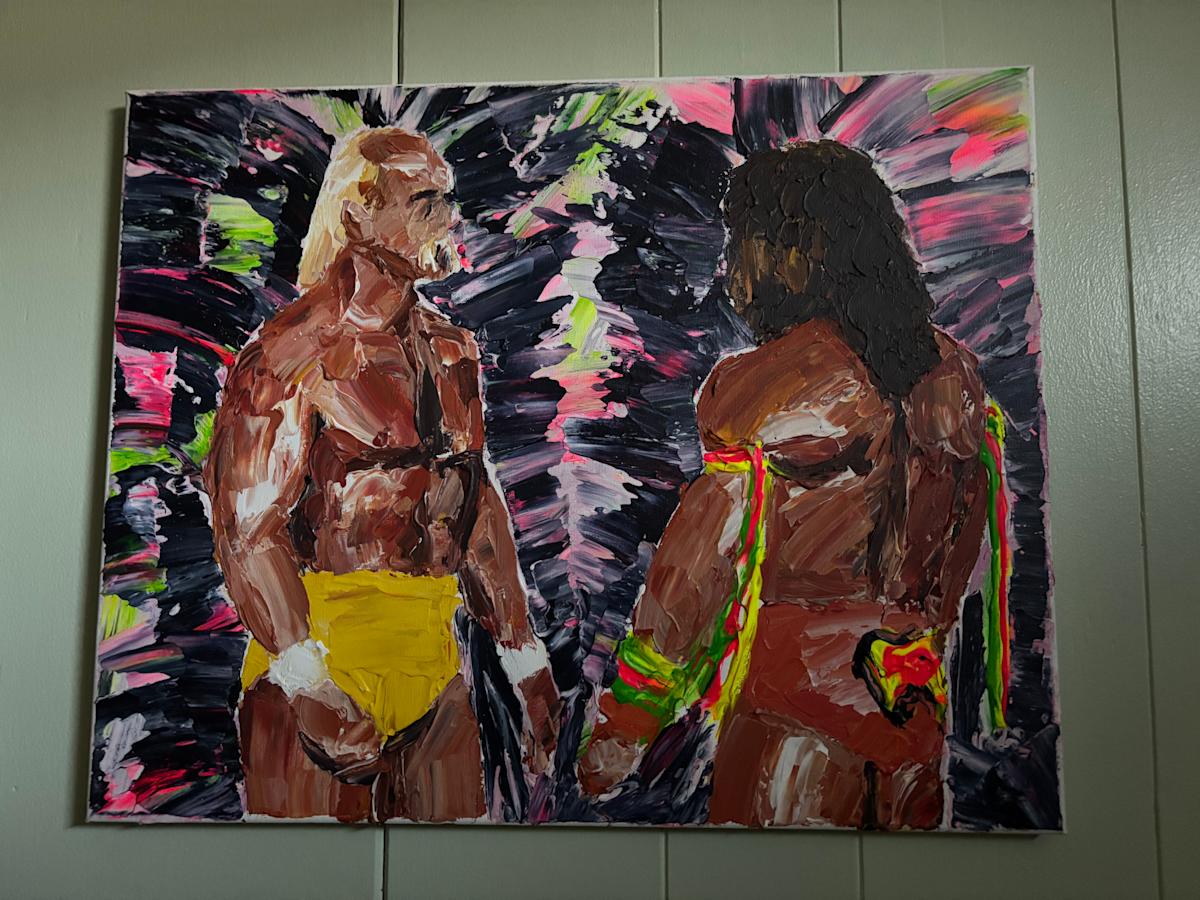
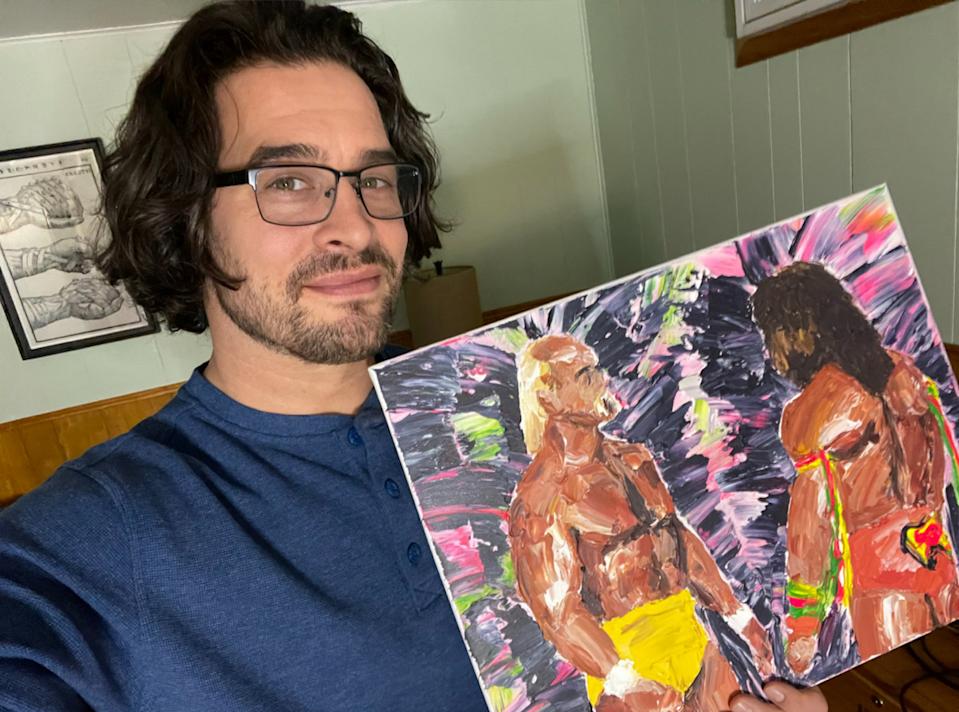
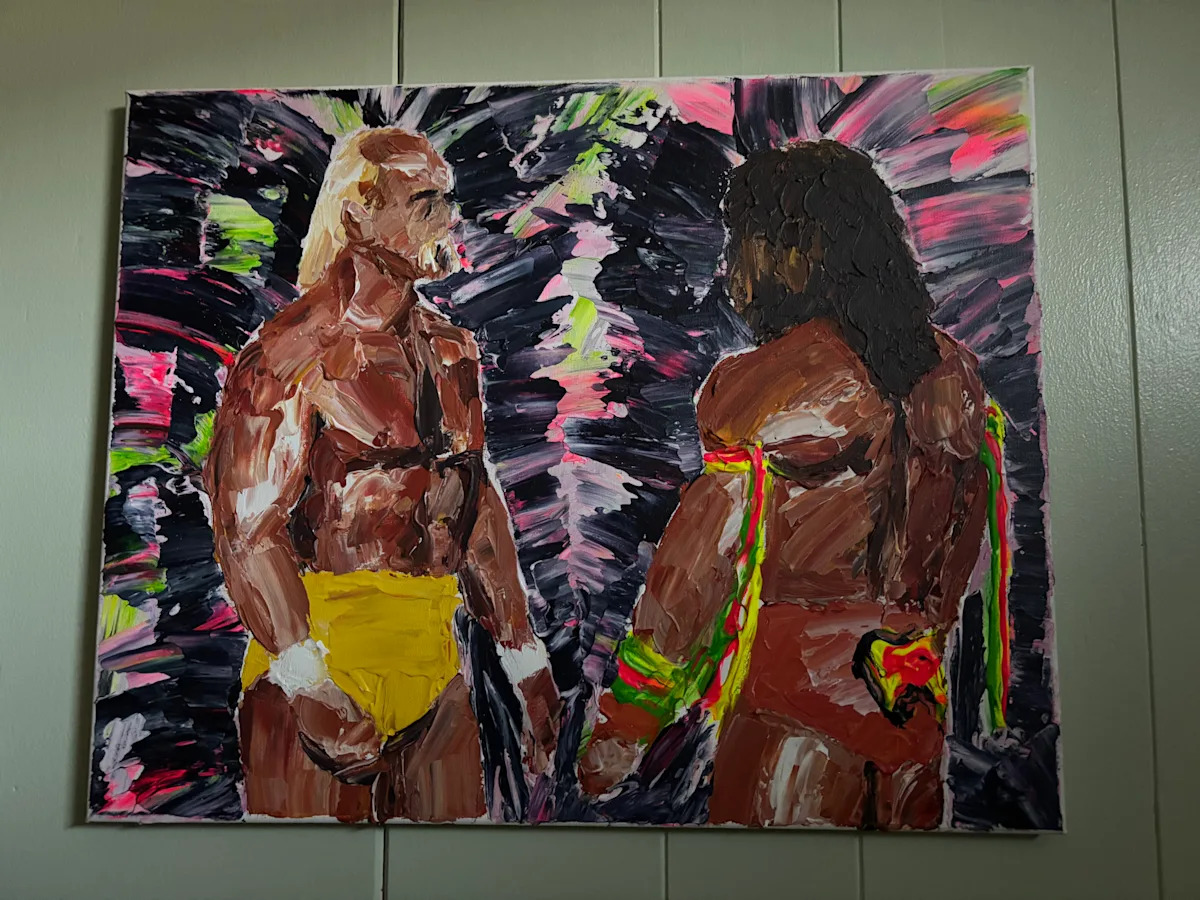
In conclusion, my experience watching WrestleMania VI as a child sparked a lifelong passion for combat sports. From the theatricality of professional wrestling to the raw intensity of MMA, I’ve been drawn to the world of fighting in all its forms.
As I reflect on my journey, I realize that the connections between wrestling and
Conclusion
So, there you have it. WrestleMania, the spectacle that transcends mere spectacle, served as the unlikely gateway drug for many of us into the world of combat sports. It wasn’t just about the larger-than-life personalities and the gravity-defying feats; it was about the raw emotion, the storytelling, and the unpredictable drama that resonated deep within us. Sure, the glitz and glamor were undeniably enticing, but it was the underlying grit and athleticism that hooked us, leading many down a rabbit hole of technical prowess, tactical brilliance, and the captivating reality of real combat.
The impact of WrestleMania extends far beyond the wrestling ring. It’s a cultural phenomenon that has shaped generations, blurring the lines between entertainment and sport, and paving the way for a wider acceptance of combat sports as a legitimate form of athletic competition. As the industry continues to evolve, with new talent emerging and blurring the lines between disciplines, one thing remains constant: WrestleMania’s legacy will forever be etched in the annals of combat sports history, reminding us that sometimes, the most unlikely of beginnings can lead to lifelong passions.