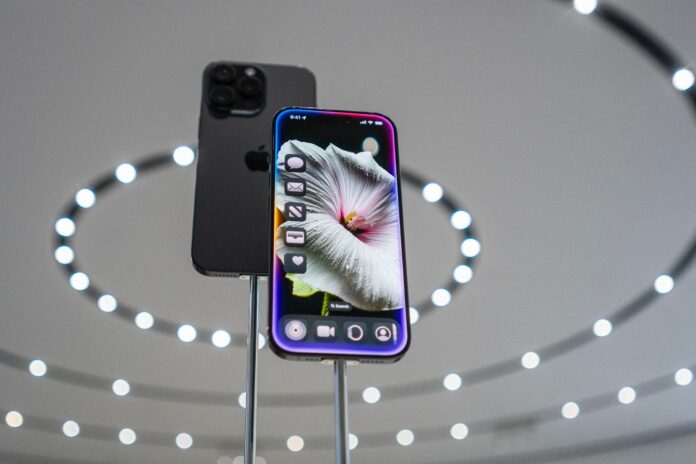
Apple’s whisper-quiet symphony of rumors is building to a crescendo. The iPhone 17 series, rumored to make its grand entrance in September, is poised to rewrite the rules of the smartphone game.

Forget what you know about iPhones – the 17 series is about to shake things up. From a captivating new camera layout that promises to redefine mobile photography to the possibility of an all-new iPhone 17 Air, anticipation is reaching fever pitch.
Upgrade Alert: iPhone 17 Series Rumors and Expectations
As Apple has just completed its iPhone 16 lineup with the iPhone 16e, rumors around the iPhone 17 series are heating up. The next-gen iPhone is expected to arrive in September, following the traditional launch timeline, with some significant upgrades. From the departure of the iPhone Plus model to the highly anticipated iPhone 17 Air, along with a new chipset and major camera upgrades, the iPhone 17 series is said to bring big improvements.
Design and Display Enhancements
Thinner, Sleeker iPhone 17 Air
The iPhone 17 Air is rumored to feature a significantly thinner design, measuring between 5mm and 6.25mm in thickness, making it the slimmest iPhone ever. For comparison, the current iPhone 16 Pro is 8.25mm thick, so the iPhone 17 Air could mark a dramatic shift in Apple’s design philosophy. This new design approach may have a significant impact on the iPhone lineup, potentially changing the way users interact with their devices.
The thinner design is expected to come with a 6.6-inch display, along with a single camera sensor at the back—possibly to keep the device slim. Additionally, the iPhone 17 Air is said to feature a comparatively small battery. However, the exact implications of this design choice on the overall user experience remain to be seen.
ProMotion Displays for All
Apple’s ProMotion technology, which enables a 120Hz refresh rate, is expected to be available across the iPhone 17 lineup, including the standard iPhone 17 and iPhone 17 Air. This means that users will experience a more seamless and responsive interaction with their devices, making it ideal for gaming, video editing, and other resource-intensive tasks.
The displays are also rumored to feature a new anti-reflective coating that is more scratch-resistant and durable than the current Ceramic Shield technology. This upgrade could lead to a more enjoyable viewing experience, even in bright environments.
Camera Upgrades and New Layouts
Horizontal Pill-Shaped Camera Bump
The iPhone 17 Pro and Pro Max are rumored to feature a horizontal pill-shaped camera bump, replacing the current square design. According to Bloomberg’s Mark Gurman, Apple is aiming to make the iPhone 17 Pro cameras as capable as professional cameras, offering users a powerful device for video recording and content creation.
The new camera layout is expected to provide a more ergonomic design, making it easier for users to hold and operate the device while capturing content. Additionally, the horizontal pill-shaped camera bump may allow for more advanced camera features, such as improved zoom capabilities and enhanced low-light performance.
48-Megapixel Telephoto Camera
The iPhone 17 Pro Max is expected to feature a 48-megapixel Telephoto camera, a significant upgrade from the current 12-megapixel sensor. This increase in megapixels could lead to higher-quality photos and videos, making the iPhone 17 Pro Max an ideal choice for professional photographers and videographers.
The enhanced camera capabilities may also enable new features, such as improved Portrait mode, and advanced video recording capabilities. As a result, the iPhone 17 Pro Max may become a more attractive option for content creators and professionals who require high-quality camera performance.
New Camera System for iPhone 17 Air
The iPhone 17 Air is rumored to feature a single-camera setup, a significant departure from the traditional dual-camera system seen in previous iPhone models. This design choice is likely driven by the device’s slim profile, with a thickness of just 5mm to 6.25mm. The single camera sensor will likely be a compromise to achieve this slim design, which could impact the device’s overall camera performance.
This single-camera setup is reminiscent of the iPhone 16e, which also features a single camera lens. However, the iPhone 17 Air is expected to be positioned as a flagship device, which raises questions about the camera’s capabilities. It is unclear whether the single camera will be sufficient to deliver high-quality images and videos, particularly in low-light conditions.
The implications of a single-camera setup on the iPhone 17 Air’s design and pricing are significant. The device’s slim profile may appeal to users who value aesthetics, but it may come at the cost of camera performance. Furthermore, the iPhone 17 Air’s pricing is expected to be similar to the iPhone 16 Plus, which starts at $899 in the US. This could make the device a hard sell for users who expect high-end camera capabilities from a flagship iPhone.
Performance and Features
Apple’s Next-Gen Processor
The iPhone 17 series is expected to feature Apple’s next-generation A19 processor, which promises significant performance and efficiency improvements. The A19 processor is likely to be fabricated using a more advanced process node, which could result in better power management and thermal performance.
The A19 processor will likely enable faster app launching, smoother graphics performance, and improved overall system responsiveness. Additionally, the new processor may also enable new features and capabilities, such as improved machine learning performance and enhanced security features.
In-House Modem
The iPhone 17 series is rumored to feature Apple’s in-house modem, which could have significant implications for cellular connectivity and battery life. The in-house modem is expected to provide better integration with Apple’s hardware and software, resulting in improved data speeds and reduced power consumption.
The use of an in-house modem could also give Apple more control over the design and implementation of cellular connectivity features, enabling the company to optimize performance and power consumption. This could result in longer battery life and faster data speeds for iPhone 17 users.
eSIM Technology
The iPhone 17 series is expected to feature expanded eSIM technology, which could have significant implications for user convenience and security. eSIMs offer greater security since they cannot be stolen or physically removed from a device, and iPhones can store and manage up to eight eSIMs at once.
The expanded use of eSIMs could also simplify the process of switching carriers or traveling abroad, as users will no longer need to physically swap SIM cards. However, the lack of a physical SIM tray could also raise concerns about the device’s compatibility with certain carriers or regions.
Impact on Pricing and Availability
Pricing Trends and Expectations
The iPhone 17 Air’s pricing is expected to be similar to the iPhone 16 Plus, which starts at $899 in the US. This could make the device a hard sell for users who expect high-end camera capabilities from a flagship iPhone. The single-camera setup and lack of dual speakers may be seen as compromises, which could impact the device’s sales and market reception.
However, the iPhone 17 Air’s slim profile and next-generation processor may appeal to users who value aesthetics and performance. The device’s pricing will likely be a key factor in its success, and Apple will need to balance the device’s features and pricing to appeal to a wide range of users.
Availability and Release Date
The iPhone 17 series is expected to be released in September 2025, following Apple’s traditional launch timeline. The release date is likely to be highly anticipated, with many users eagerly awaiting the latest iPhone models.
The release of the iPhone 17 series will likely have significant implications for the tech industry, with many users and manufacturers closely following Apple’s design and feature choices. The iPhone 17 series will likely set the tone for future smartphone design and feature trends, and its success will be closely watched by industry observers.
Global Availability and eSIM Support
The iPhone 17 series is expected to be available in various markets, including China, although the exact regions have not been disclosed. The availability of the iPhone 17 series in different markets will likely depend on factors such as carrier support and regulatory approvals.
The inclusion of eSIM technology could also impact the device’s availability in certain regions, particularly those where eSIMs are not widely supported. Apple will need to balance the benefits of eSIM technology with the need to support a wide range of carriers and markets.
Conclusion
As we conclude our discussion on the highly anticipated iPhone 17 series, it’s clear that Apple enthusiasts have much to be excited about. The article highlights the expected launch of the iPhone 17 Air, alongside a revamped camera layout that promises to revolutionize mobile photography. Additionally, we can expect significant improvements in processor performance, battery life, and display technology, setting a new benchmark for smartphones in the industry.
The implications of these upgrades extend beyond the realm of consumer electronics, with far-reaching consequences for the tech ecosystem as a whole. As Apple continues to push the boundaries of innovation, other manufacturers will be forced to adapt and respond, driving competition and progress in the industry. Furthermore, the iPhone 17 series is likely to have a profound impact on the way we live and interact with technology, shaping the future of mobile computing and beyond.