Hold up, music fans! Drake’s throwing some serious shade at the Grammys and Kendrick Lamar’s Super Bowl halftime show, claiming defamation and sparking a fiery debate.
The Drake-Kendrick Lamar Feud: A Complex Case of Defamation and Free Speech
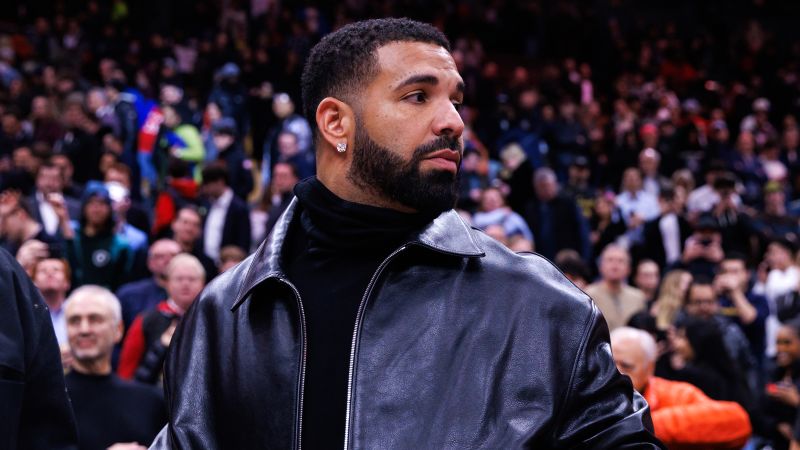
In a dramatic turn of events, Drake has filed a lawsuit against his own record label, Universal Music Group (UMG), alleging defamation and seeking compensatory and punitive damages. The lawsuit stems from Kendrick Lamar’s song “Not Like Us,” which Drake claims contains defamatory lyrics that falsely accuse him of being a pedophile and call for violent retribution against him. The lawsuit has sparked a heated debate about defamation and free speech in the music industry.
The Bitter Rivalry: How it All Began
The beef between Drake and Kendrick Lamar has been brewing for years, with both rappers trading diss tracks and escalating the tension. It all started when J. Cole referred to himself, Drake, and Lamar as the “big three” of rap. Lamar disagreed, and the two have been exchanging verbal blows ever since.
The Beef Between Rappers: A History of Escalation
Drake and Lamar initially collaborated on songs early in their careers, but the tension between them began to build when Lamar disagreed with J. Cole’s “big three” label. The verbal jabs escalated, with Drake dropping “Push Ups” and Lamar responding with “Euphoria,” which prodded Drake’s perceived insecurities, including numerous references to his race.
The Turning Point: Kendrick Lamar’s “Not Like Us”
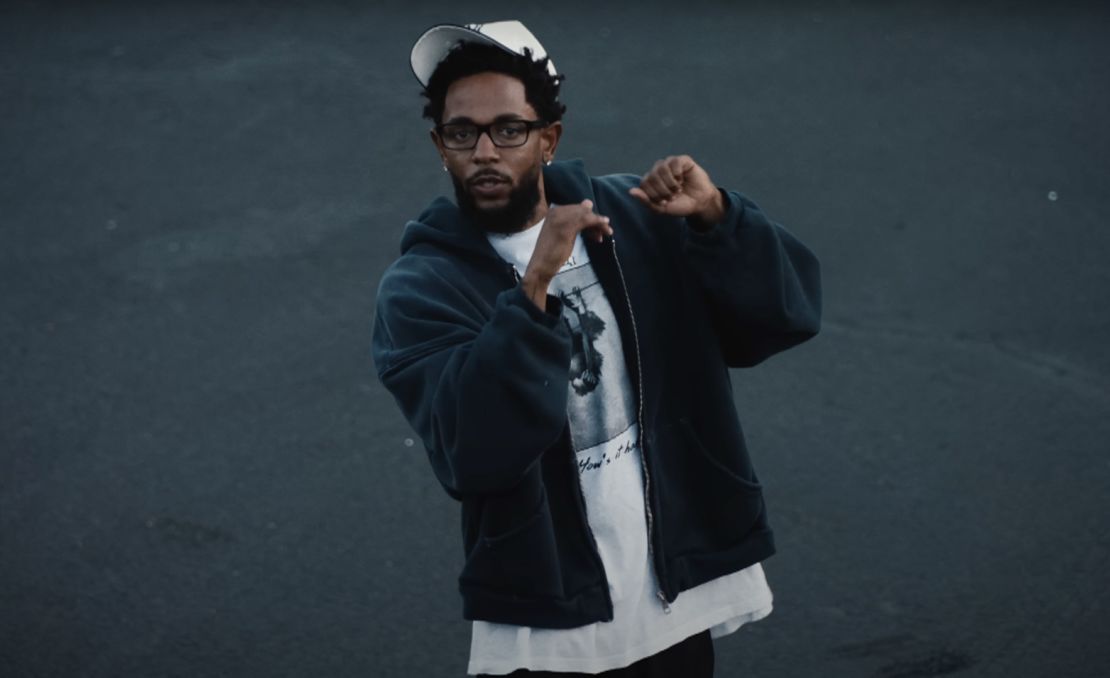
The release of “Not Like Us” marked a turning point in the feud, with Lamar accusing Drake of being attracted to underage girls. Drake vehemently denied the allegations, and the song’s release sparked a firestorm of controversy. The song’s lyrics, including “Say Drake, I hear you like ’em young/You better not ever go to cell block one,” and “Certified lover boy? Certified pedophiles” were seen as particularly inflammatory.
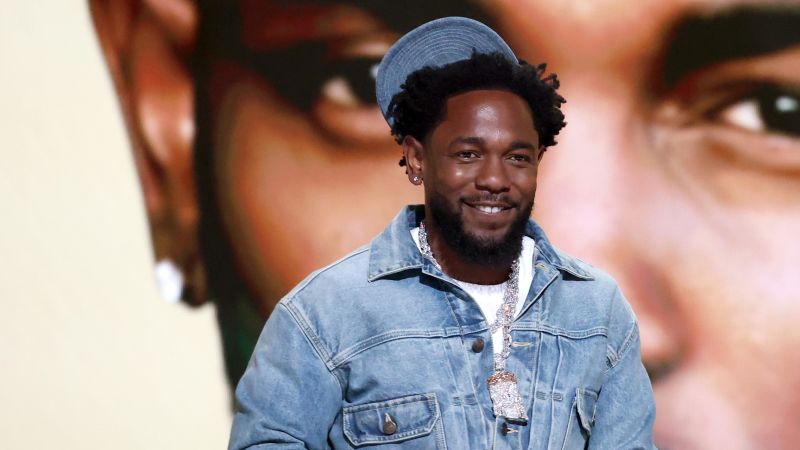
Despite the controversy, “Not Like Us” became a massive hit, topping the Billboard charts and becoming Lamar’s first solo number-one single since 2017’s “Humble.” The song’s success was seen as a victory for Lamar, with many declaring him the winner of the feud.
Defamation and Free Speech: A Complex Case
The lawsuit has raised important questions about defamation and free speech in the music industry. UMG has argued that the lawsuit is “illogical” and “frivolous,” and that it could restrict free-speech protections for musical artists. Drake’s lawyers, on the other hand, argue that the label is responsible for promoting a song that contains defamatory lyrics.
The case is complex, with many legal experts weighing in on the implications of the lawsuit. According to Leah Stevenson, an entertainment attorney with MGL Law firm, the lawsuit has sparked a larger conversation about standing on morals, values, and beliefs.
“This song became a much larger conversation for America about standing on morals, standing on values, standing on the beliefs that we have and the way that we move,” she said. “It became a song that people started using in very big cultural moments, so this song has gotten way bigger than just a diss battle.”
The lawsuit has also raised questions about the role of record labels in promoting and distributing music. UMG has denied any wrongdoing, stating that the label did not engage in defamation and will vigorously defend the litigation.
The Grammys and the Super Bowl: A Platform for Controversy
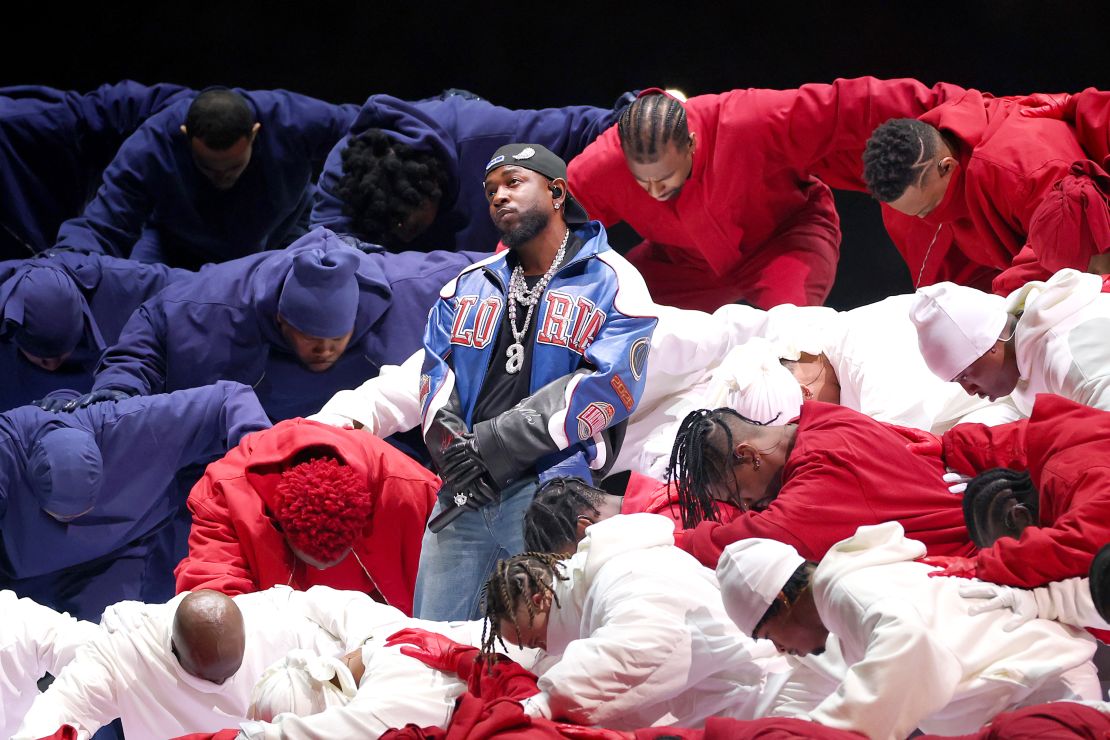
The controversy surrounding “Not Like Us” was further amplified when Lamar performed the song at the 2025 Super Bowl halftime show. The performance was seen as a provocative move, given the ongoing lawsuit and the song’s controversial lyrics.
The Super Bowl performance was seen as a victory lap for Lamar, with many praising his performance and the song’s impact. The song’s viral success was evident, with many fans quoting its lyrics and sharing clips of the performance on social media.
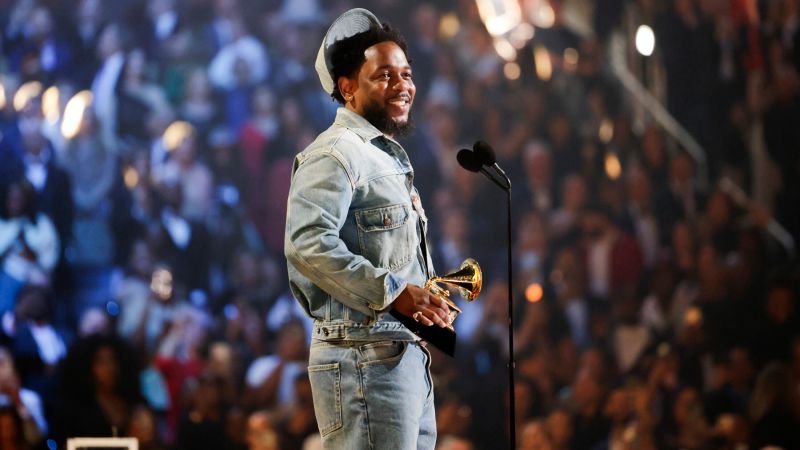
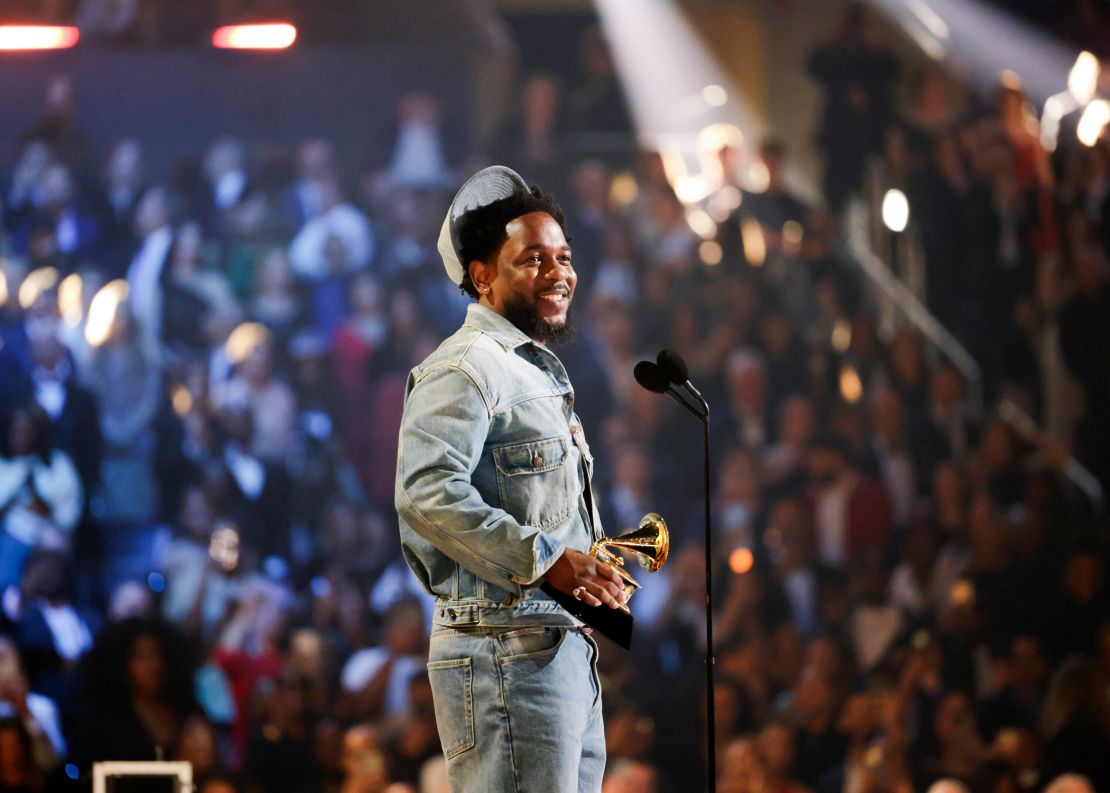
The Grammys also played a significant role in the controversy, with Lamar winning five awards, including song of the year and record of the year for “Not Like Us.” The song’s success at the Grammys was seen as a testament to its staying power, with many praising its impact on the music industry.
Defamation Lawsuits: Understanding the Claims and Counterclaims
Drake claims he was defamed by Kendrick Lamar’s Super Bowl halftime show, and at the Grammy Awards, where over 100 million combined television viewers heard Lamar’s notorious diss track “Not Like Us,” according to court filings. The Canadian rapper levied the new allegations Wednesday in an expanded federal defamation lawsuit against his own record label, Universal Music Group.
Drake’s lawyers wrote in the latest filing that “These prestigious and high-exposure events introduced new listeners” to the allegedly defamatory song. “Not only did streams of the Recording increase significantly following these two mega-cultural events, but threats against Drake and his family did as well.”
Drake’s current label is Republic Records, a division of UMG. Lamar – who is not named in the lawsuit – is an Interscope Records artist, also a division of UMG. Drake’s amended complaint does not accuse Pulitzer Prize-winner Lamar of any wrongdoing.
UMG has argued that the lawsuit should be dismissed, and their motion is still pending. “Drake, unquestionably one of the world’s most accomplished artists and with whom we’ve enjoyed a 16-year successful relationship, is being misled by his legal representatives into taking one absurd legal step after another,” UMG told Geeksultd in a statement on Thursday, in response to Drake’s amended lawsuit.
UMG’s Response: Denying Defamation and Accusing Drake of Frivolous Litigation
“Not only are these claims untrue, but the notion that we would seek to harm the reputation of any artist—let alone Drake—is illogical,” a spokesperson for UMG said in a statement to Geeksultd at the time the lawsuit was filed.
“We have not and do not engage in defamation—against any individual. At the same time, we will vigorously defend this litigation to protect our people and our reputation, as well as any artist who might directly or indirectly become a frivolous litigation target for having done nothing more that write a song.”
The Implications: Could this Lawsuit Restrict Free-Speech Protections for Musical Artists?
UMG’s denial of defamation and accusation of frivolous litigation could have significant implications for free-speech protections for musical artists. If UMG’s motion to dismiss the lawsuit is granted, it could set a precedent for record labels to avoid liability for allegedly defamatory content.
However, if Drake’s lawsuit is successful, it could establish a new standard for record labels to be held accountable for promoting allegedly defamatory content. The outcome of this lawsuit could have far-reaching implications for the music industry and the way artists and record labels interact with each other.
The Super Bowl Halftime Show: A Potential Flashpoint
Kendrick Lamar’s performance at the Super Bowl halftime show is expected to spark further legal action by Drake, given that he has already come after UMG for defamation. According to court filings, Lamar will perform “Not Like Us” during the halftime show, which could lead to more legal action by Drake.
Kendrick Lamar’s Performance: Will it Spark Further Legal Action?
Drake’s lawyers have argued that Lamar’s performance of “Not Like Us” could be seen as a form of defamation, given the song’s allegedly defamatory lyrics. If Lamar performs the song during the halftime show, it could lead to further legal action by Drake.
However, it’s worth noting that Lamar has several options for how he could handle the performance, including using a radio edit or omitting certain lyrics that could be seen as defamatory. The NFL has not released any information on whether there are any limitations on Lamar’s performance.
The NFL’s Response: Has the League Imposed Any Limitations on Lamar’s Performance?
The NFL has not released any information on whether it has imposed any limitations on Lamar’s performance. It’s unclear whether the league will allow Lamar to perform the entire song, or whether they will require him to use a radio edit or omit certain lyrics.
The Public’s Reaction: Will Fans Continue to Sing Along to Controversial Lyrics?
Regardless of whether Lamar performs the entire song or uses a radio edit, it’s likely that fans will continue to sing along to the controversial lyrics. The song has become a cultural phenomenon, and its catchy melody and lyrics have made it a favorite among many fans.
Expert Analysis: What Does it all Mean for Hip-Hop and Free Speech?
Frederick Paige, an assistant professor of civil and environmental engineering at Virginia Tech and co-founder of Virginia Tech Diggin’ in the Crates: Hip Hop Studies at the university, said that “As much as it’s a diss song, it’s also a unifying song.” He noted that the song’s lyrics have sparked a wider conversation about morality and values in hip-hop.
Leah Stevenson, an entertainment attorney with MGL Law firm, said that “This song became a much larger conversation for America about standing on morals, standing on values, standing on the beliefs that we have and the way that we move.” She noted that the song’s popularity has made it a cultural phenomenon, and its impact will be felt for years to come.
Geeksultd spoke to both Paige and Stevenson about the implications of this lawsuit for hip-hop and free speech. They noted that the outcome of this lawsuit could have significant implications for the music industry and the way artists and record labels interact with each other.
Conclusion
In the latest development, Drake has made a bold claim, accusing the Grammy Awards and Kendrick Lamar’s Super Bowl halftime show of defamation. The rapper alleges that the shows’ portrayal of him in a negative light has caused significant damage to his reputation. As highlighted in the article, this is not an isolated incident, but rather a symptom of a larger issue – the blurring of lines between artistic expression and factual accuracy in the entertainment industry.
The implications of Drake’s claim are far-reaching and significant, as it raises questions about the responsibility of award shows and high-profile events to ensure that their presentations are factually accurate. If Drake’s allegations are substantiated, it could set a precedent for future cases of defamation in the entertainment industry. Furthermore, this development highlights the tension between artistic freedom and the need for accountability in the media. As the entertainment industry continues to evolve, it will be interesting to see how this issue is addressed and how it impacts the way we consume and engage with art.