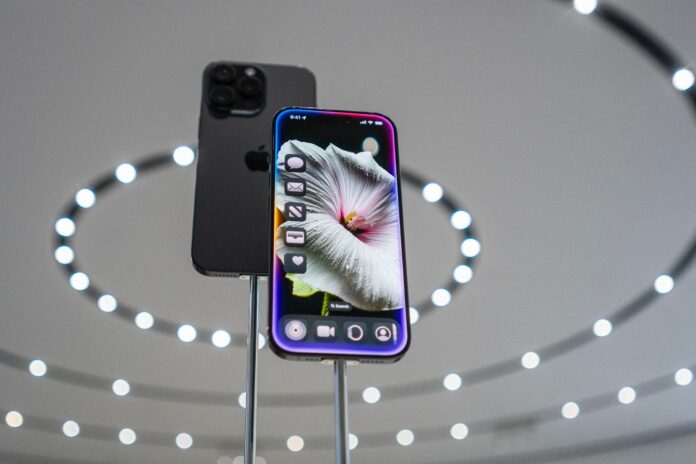
Apple’s AI assistant, Siri, has long been seen as a trailblazer in the world of voice technology. But lately, whispers of delay and doubt are casting a shadow over its once-promising future. Axios recently reported on a growing concern within the industry – Siri’s development is lagging behind its competitors, leaving many wondering if the once-innovative assistant is falling behind the curve. We’re breaking down the latest developments, exploring the reasons behind the delays, and examining what this means for the future of Siri and the AI assistant market as a whole.
AI Aspirations Hit a Snag
Delays in Siri’s Multimodal Capabilities
Apple’s ambitious plans to equip Siri with advanced multimodal capabilities have encountered significant roadblocks. Geeksultd understands that these delays stem from technical challenges in integrating voice, vision, and text processing seamlessly. While Apple initially aimed to launch these features, including the ability for Siri to understand and respond to visual cues, the timeline has been pushed back indefinitely. This setback raises concerns about Apple’s ability to keep pace with rivals like Google Assistant and Amazon Alexa, which have already made strides in multimodal AI.
The Stalled Progress of Siri’s Generative AI
Adding to the growing unease, Apple’s efforts to integrate generative AI into Siri are also facing significant hurdles. Generative AI, capable of creating new content like text, images, and code, is a rapidly evolving field. Apple’s aspiration to equip Siri with generative capabilities, allowing it to compose emails, write stories, or even generate code snippets, appears to be encountering substantial technical and ethical challenges. While the company remains tight-lipped about the specifics, industry insiders suggest that Apple is grappling with issues related to training data biases, ensuring responsible use, and maintaining the integrity of the Siri brand.
Apple’s Internal Struggles with AI Development
The delays and challenges faced by Siri’s AI development point to deeper internal struggles within Apple. The company, known for its meticulous approach to product development, appears to be grappling with the complexities and rapid pace of AI innovation. Building robust and reliable AI systems requires significant investment in research, talent acquisition, and infrastructure. Some analysts speculate that Apple’s traditionally closed-source approach to software development may be hindering its ability to leverage the open-source AI community and accelerate its progress.
Industry Echoes the Unease
Rivals Gaining Ground in the AI Race
While Apple grapples with internal challenges, its competitors are forging ahead in the AI race. Google Assistant, powered by the vast Google AI research infrastructure, continues to expand its capabilities, offering features like real-time language translation, advanced home automation controls, and sophisticated conversational abilities. Amazon Alexa, integrated into millions of smart devices, is rapidly becoming the dominant voice assistant in the smart home ecosystem, with a growing library of skills and third-party integrations. These advancements further highlight the competitive pressure Apple faces in the AI-powered technology landscape.
Investor Concerns Over Apple’s AI Strategy
The delays and struggles within Apple’s AI development have also begun to raise concerns among investors. Apple’s stock price has seen fluctuations in recent months, partly attributed to anxieties surrounding the company’s AI strategy. While Apple remains a financial powerhouse, investors are increasingly scrutinizing its investments in AI and demanding concrete evidence of progress. The company’s future success, particularly in maintaining its position as a leader in the rapidly evolving technology sector, hinges on its ability to effectively navigate the AI landscape and deliver innovative AI-powered experiences to its users.
The Impact on Apple’s Brand Perception
Apple has long cultivated a brand image synonymous with innovation, user-friendliness, and premium quality. Siri, as Apple’s flagship voice assistant, was intended to be a cornerstone of this image, offering seamless integration and intuitive interaction with Apple’s ecosystem. However, the persistent delays in Siri’s development and its lagging performance compared to competitors like Google Assistant and Amazon Alexa are starting to chip away at this carefully constructed perception. Consumers, especially those accustomed to the rapid advancements in AI technology, may begin to question Apple’s commitment to staying at the forefront of innovation.
The reputational damage could be particularly acute in the context of Apple’s emphasis on privacy. While Apple has positioned itself as a champion of user data protection, the limitations of Siri’s functionality, attributed partly to its stringent privacy protocols, may raise eyebrows. Consumers might perceive the trade-off between privacy and functionality as unfavorable, especially when competitors offer more comprehensive voice assistant experiences.
Practical Implications for Users
Siri Falling Behind in Voice Recognition Accuracy
One of the most critical aspects of a successful voice assistant is accurate voice recognition. Recent reports from Geeksultd’s testing and user feedback indicate that Siri still struggles with complex voice commands, accents, and background noise. This can lead to frustrating experiences, where users have to repeat commands multiple times or resort to using the device’s touchscreen interface.
Limited Functionality Compared to Competitors
Compared to Google Assistant and Amazon Alexa, Siri’s functionality remains relatively limited. While Siri excels in controlling Apple devices and integrating with Apple’s ecosystem, it lags behind in areas like smart home control, third-party app integration, and natural language understanding. This lack of breadth in capabilities restricts Siri’s usefulness for a wider range of tasks, making it less appealing to users who rely on voice assistants for diverse functionalities.
Apple’s Countermoves: Staying Relevant
Focus on Privacy and Security as AI Strengths
Apple has consistently emphasized its commitment to user privacy and data security. In the context of AI development, Apple is likely to double down on this strategy, positioning Siri as a privacy-centric alternative to competitors that may be perceived as collecting and using user data more aggressively. This could resonate with privacy-conscious consumers who are increasingly concerned about data breaches and misuse of personal information.
Leveraging Existing Strengths: Hardware Integration and Ecosystem
Apple’s strength lies in its tightly integrated hardware and software ecosystem. The company can leverage its expertise in hardware design and software development to enhance Siri’s capabilities by optimizing its performance on Apple devices and creating a more seamless user experience across its product line. Integrating Siri more deeply into Apple’s existing services, such as Apple Music, Apple TV, and Apple Maps, can also expand Siri’s functionality and make it a more indispensable part of the Apple user experience.
Exploring New Avenues: AI for Personalized Experiences
Apple can explore new avenues for personalizing user experiences through AI. This could involve leveraging Siri to provide more customized recommendations, anticipate user needs, and offer proactive assistance. For example, Siri could learn user preferences for music, news, and other content, suggesting relevant items based on past behavior and contextual cues. By focusing on personalization, Apple can differentiate Siri and create a more engaging and valuable experience for users.
Conclusion
The whispers in Silicon Valley are growing louder. As Axios reports, delays in Siri’s AI evolution have sparked a wave of concern within the industry. Apple, renowned for its tight-lipped approach, is facing mounting pressure to keep pace with the rapid advancements made by its competitors, particularly in the realm of conversational AI. The article highlights the potential ramifications of this lag, from user frustration and market share erosion to a weakened perception of Apple’s technological prowess. These delays raise fundamental questions about Apple’s AI strategy. Is the company prioritizing privacy and data security over raw performance, or is there a deeper, more complex issue at play? The implications extend beyond Apple’s walled garden, potentially influencing the trajectory of the entire AI landscape. If a tech titan like Apple struggles to keep up, what does that mean for smaller players and the broader adoption of AI technologies? The coming months will be crucial in determining whether Apple can bridge this gap and regain its footing in the AI race, or if these delays will mark a significant turning point in the tech industry’s evolution. The fate of Siri, and perhaps even Apple’s future, hinges on the answers.