As the skies grow dark and the winds howl, a sense of devastation grips the nation. A relentless string of violent tornadoes and storms has left a trail of destruction in its wake, claiming countless lives and leaving families shattered. The southeastern United States, once a haven for warmth and tranquility, has become a battleground against the fury of Mother Nature. The latest updates from the affected areas paint a harrowing picture of devastation, with reports of catastrophic damage, upended homes, and a mounting death toll that seems to grow by the hour.
Tornadoes Wreak Havoc in Multiple States
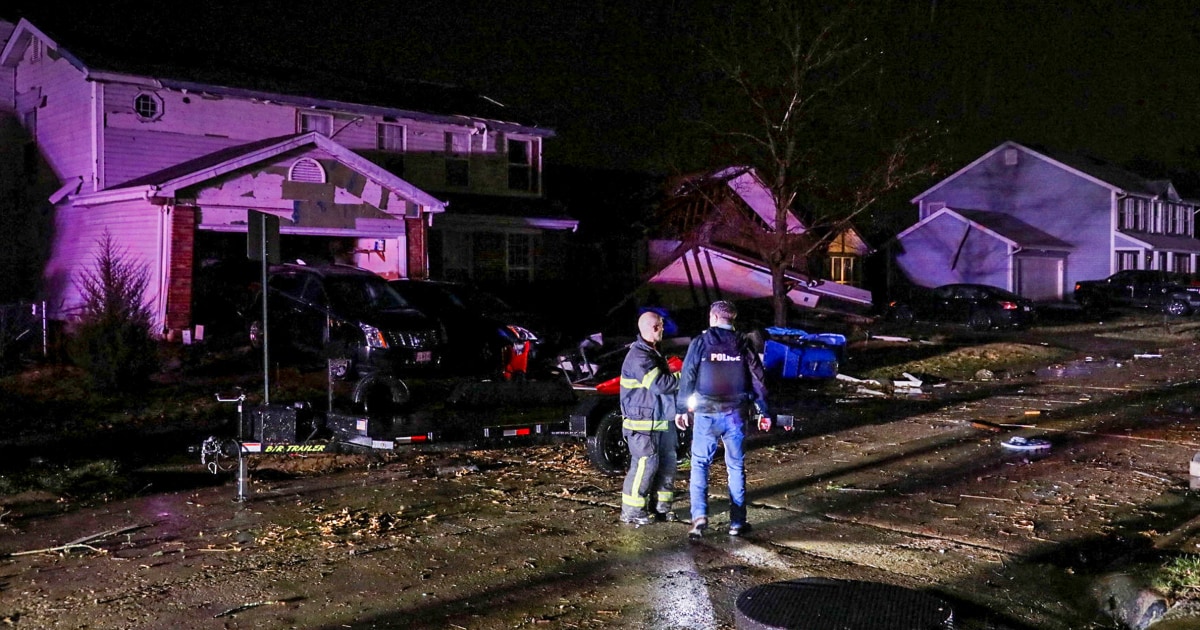
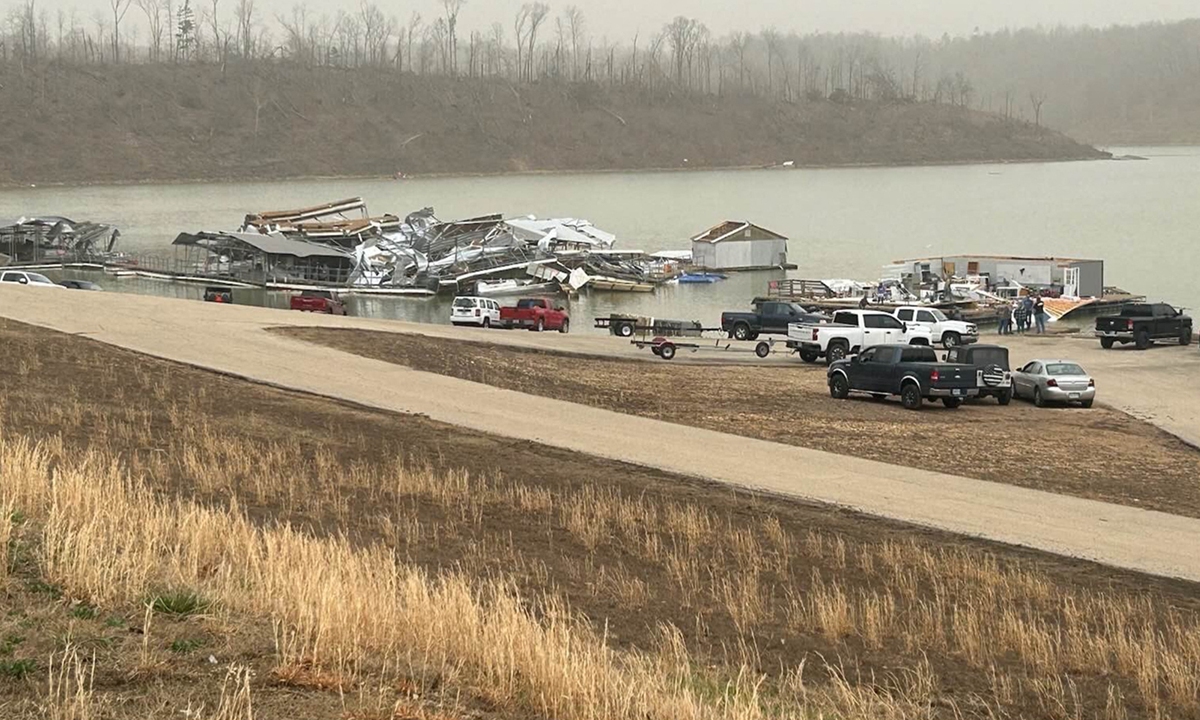
At least 34 people died as of Saturday night as dozens of violent tornadoes, blinding dust storms, and gust-driven wildfires continue battering the central and southern United States.
More than 40 tornadoes hit eight U.S. states over the past 24 hours, while severe weather threat continues in southern and southeastern areas in the country, ABC News reported.
In the southern state of Mississippi, Governor Tate Reeves announced on Saturday that six people died in three counties and three more people were missing.
“It appears that multiple tornadoes moved through our county from the southwest to the northeast, causing significant damage to multiple areas,” said Tylertown Police Chief Jordan Hill.
Up to 19 tornadoes may have passed through the midwest state of Missouri, killing at least 11 people in four counties while causing widespread havoc, said Missouri Governor Mike Kehoe’s office.
Later in the day, local media reported the death toll in the state rose to 12 due to tornado strikes.
In Arkansas, late-night storms left three dead and nearly 30 injured, local authorities said.
Devastating Dust Storms and Wildfires
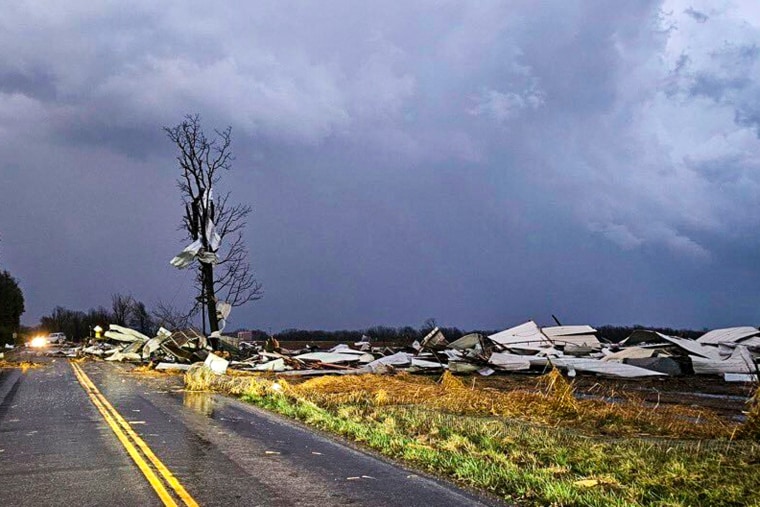
Two massive dust storms in Kansas and Texas caused dozens of vehicle pileups, killing 12 people, local media reported on Saturday.
The destructive storms have fueled more than 100 wildfires in several central states, CBS News reported.
In Oklahoma, one person died from wildfire smoke, Governor Kevin Stitt said at a press conference.
As of Saturday morning, more than 170,000 acres have burned with nearly 300 homes and buildings damaged as more than 130 blazes were reported across 44 counties in Oklahoma, Stitt said.
Severe Weather Warnings and Alerts
High-Risk Alert Issued by National Weather Service
The Storm Prediction Center warned of extreme weather conditions affecting over 100 million people, forecasting wind speeds of up to 80 mph and blizzards in the North.
Forecasters predict that over the weekend, wind speeds could reach 80 mph (130 kph) from the U.S.-Canada border down to Texas.
The North is expected to face blizzards, while the South and Southeast could experience severe tornadoes, large hail, and wildfires.
Heavy rainfall on the East Coast may also lead to flooding.
Red Flag Warnings in Place Across Multiple States
Red flag warnings — which signal critical fire weather conditions — are currently in place over large parts of Texas, Oklahoma, Kansas, Colorado, Nebraska, Wyoming, and South Dakota.
States Respond to the Crisis
Georgia Governor Brian Kemp has announced a state of emergency as storms approach, with other governors providing updates on damage and casualties.
Governors Declare States of Emergency
Georgia Governor Brian Kemp announced a state of emergency on Saturday, stating, “This storm will hit at the worst possible time, as people are heading to or already in bed. Be prepared ahead of time and remain weather aware as long as this system is in the state.”
Other governors have also provided updates on damage and casualties, with Alabama Governor Kay Ivey reporting 52 counties affected by severe weather.
Emergency Response and Damage Assessment
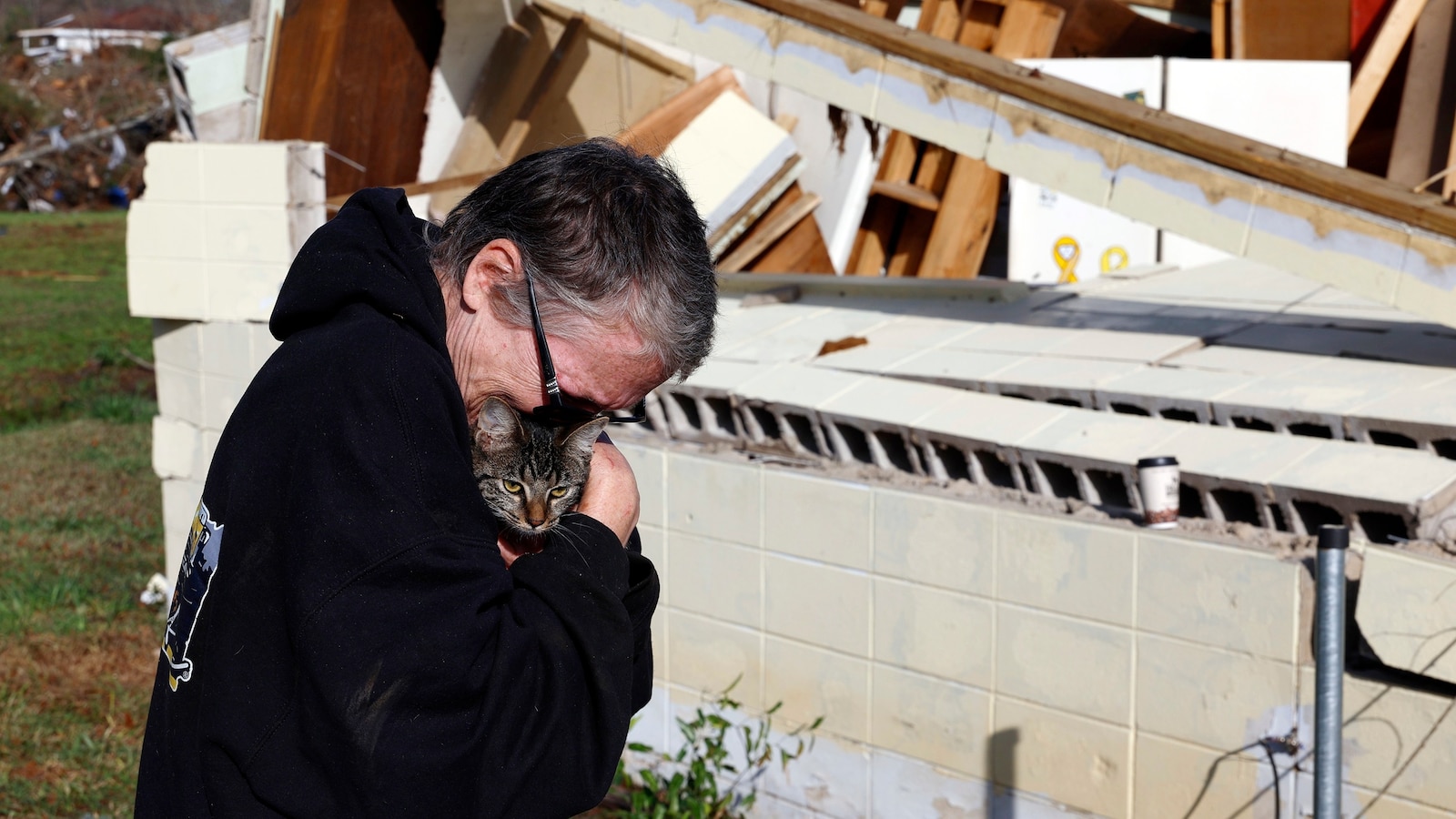
Officials are working to assess damage and provide aid to affected areas, with Alabama Governor Kay Ivey reporting, “Yesterday’s severe weather impacted most of Alabama. Unfortunately, we have learned of the loss of at least two of our fellow Alabamians — one life in Plantersville and one in Winterboro.”
Ivey also stated that 52 of Alabama’s 67 counties reported damage from the severe weather outbreak, with a damage assessment continuing.
Aftermath and Implications
The death toll has risen to at least 36 people in seven states, with Missouri reporting the most deaths.
Death Toll Rises as Search and Rescue Efforts Continue
At least 36 people in seven states have died amid the severe weather outbreak, officials said Sunday. At least 12 deaths were reported in Missouri, the most of any state, officials said.
Search efforts are ongoing in affected areas, with officials working to locate those missing and provide aid to those affected.
Practical Advice for Those Affected
For those affected by the storms, Geeksultd recommends following these tips for staying safe during severe weather events:
- Stay informed: Monitor local news and weather reports for updates on the storm’s progress and any evacuation orders.
- Have a plan: Develop a plan for emergency situations, including a communication plan and a list of important phone numbers.
- Stock up on supplies: Make sure you have enough food, water, and medications to last for at least three days.
- Charge your devices: Charge your phone, laptop, and other devices in case the power goes out.
Geeksultd also recommends checking with local authorities for resources and support available to those affected by the storms.
Conclusion
Conclusion: The Devastating Toll of Unrelenting Storms
As the violent tornadoes and storms continue to ravage parts of the United States, the death toll rises, leaving a trail of devastation in its wake. The sheer intensity of these natural disasters has sparked a heated debate about the escalating threat of extreme weather events. The catastrophic consequences of these storms are nothing short of alarming, with the potential to disrupt the lives of millions and exacerbate existing social and economic inequalities. It is imperative that policymakers, researchers, and the general public come together to address this pressing issue, lest we risk losing the very fabric of our society.
The significance of this crisis cannot be overstated. The United States is not immune to the effects of climate change, and the frequency and intensity of these storms are a direct result of human activities that are knowingly exacerbating the problem. The data is clear: the connection between greenhouse gas emissions and extreme weather events is undeniable. The road to sustainability and resilience begins with a collective recognition of our responsibility to mitigate the worst effects of these disasters. It is time for us to recognize the urgent need for action, for policymakers to prioritize the most vulnerable populations, and for the public to take a collective stand against the forces of destruction.