“A Blow to Environmental Protection: Unpacking the Trump Administration’s Shocking Move to Dismantle EPA’s Science Office”
In a shocking turn of events that has left environmental advocates reeling, the Trump administration has announced plans to dismantle the Environmental Protection Agency’s (EPA) Science Advisory Board Office. This bold move, aimed at “streamlining” the agency’s operations, has sparked widespread outrage and concern among scientists, researchers, and conservationists. By gutting the EPA’s science office, the administration is essentially dismantling the very foundation of the agency’s ability to make informed, evidence-based decisions on environmental policy.
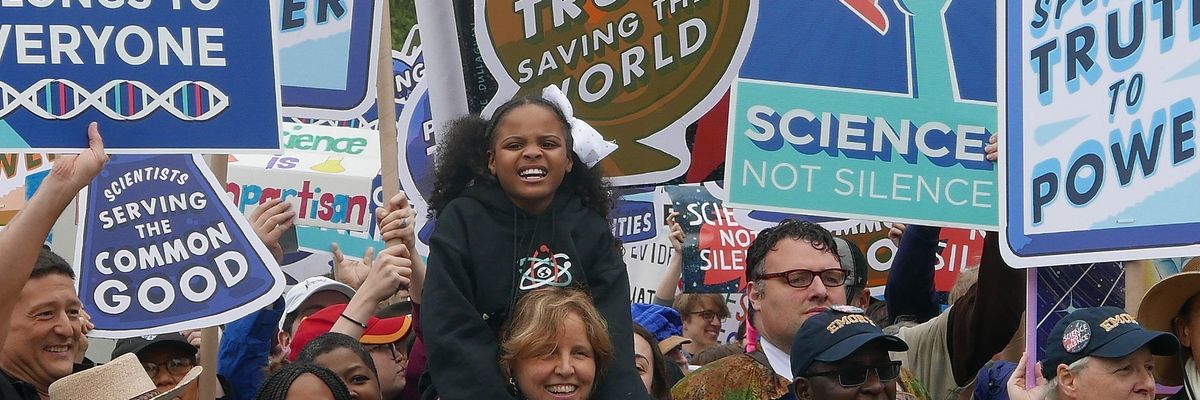
Potential Consequences for Environmental Protection and Public Health

The Trump administration’s plan to eliminate the Environmental Protection Agency’s (EPA) Office of Research and Development (ORD) has raised concerns about the potential consequences for air and water quality, toxic chemicals, and climate change. The ORD is responsible for providing crucial scientific analysis on these issues, informing environmental regulations and policies.
Without the ORD, the EPA may struggle to fulfill its mission to protect human health and the environment. The potential consequences of this move could be far-reaching, including:
- Weakened regulations on air and water pollution, potentially leading to increased health risks for vulnerable populations.
- Reduced oversight of toxic chemicals, potentially leading to increased exposure and health risks.
- Compromised efforts to address climate change, potentially leading to increased greenhouse gas emissions and associated health impacts.
- Regulatory decisions that prioritize economic interests over environmental and public health concerns.
- A lack of transparency and accountability in the decision-making process.
- Increased uncertainty and controversy surrounding environmental policies and regulations.
- Weakened environmental regulations and standards.
- Increased lobbying and influence peddling by corporate interests.
- A lack of accountability and transparency in the decision-making process.
Compromised Science-Driven Decision-Making

The loss of independent research at the EPA could lead to science-driven decision-making being compromised. Without the ORD, the agency may rely more heavily on external sources of information, potentially influenced by corporate interests. This could result in:
Increased Corporate Influence on Environmental Policy
The elimination of the ORD could create an opportunity for corporate interests to exert greater influence over environmental policy. Without the agency’s independent research and analysis, industry groups may be able to shape regulations and policies in their favor. This could result in:
Reactions from the Scientific Community and Lawmakers
The proposed cuts to the EPA’s ORD have sparked widespread concern and criticism from the scientific community and lawmakers. Former EPA officials and lawmakers have spoken out against the plan, warning that it could have devastating consequences for environmental protection and public health.
Concerns from Former EPA Officials
Dozens of former EPA officials who served in both Republican and Democratic administrations have penned a letter to current EPA Administrator Lee Zeldin, warning that the cuts will make it impossible for the agency to fulfill its mission. The letter states that the ORD is “the backbone of the agency’s ability to develop and implement science-based regulations and policies.”
Concerns from Lawmakers
Lawmakers from both parties have expressed concerns about the proposed cuts. Representative Zoe Lofgren of California, a member of the House Science Committee, stated that “every decision EPA makes must be in furtherance of protecting human health and the environment, and that just can’t happen if you gut EPA science.”
Potential for Bipartisan Opposition
The proposal to eliminate the ORD may face bipartisan opposition in Congress. Lawmakers from both parties have expressed concerns about the potential consequences of the cuts and may work together to block the plan.
The Broader Context and Future Implications
The Trump administration’s plan to eliminate the EPA’s ORD is part of a broader effort to shrink the federal workforce and reduce regulatory oversight. This move could have far-reaching implications for environmental protection and public health.
Broader Efforts to Shrink the Federal Workforce
The Trump administration has proposed significant cuts to the federal workforce, including the elimination of entire agencies and programs. This could have devastating consequences for environmental protection and public health, as well as other areas of federal responsibility.
Reducing Regulatory Oversight
The administration’s efforts to reduce regulatory oversight could have significant consequences for environmental protection and public health. Weakened regulations and standards could lead to increased pollution, decreased public health, and other negative outcomes.
Future Implications for Environmental Protection and Public Health
The elimination of the ORD could set a precedent for future administrations to dismantle scientific research offices in federal agencies. This could have far-reaching implications for environmental protection and public health, as well as other areas of federal responsibility.
The consequences of this move could be severe and long-lasting, potentially leading to:
- Weakened environmental regulations and standards.
- Increased pollution and decreased public health.
- A lack of accountability and transparency in the decision-making process.
Conclusion
The Fate of the Science Office: A Critical Examination
In a move that has sparked intense debate, the Trump administration has announced plans to dismantle the Environmental Protection Agency’s (EPA) Science Office. This significant shift has far-reaching implications for environmental policy, science, and the future of public health. The Science Office was established in 2000, with the primary goal of integrating scientific research into policy-making processes. It played a crucial role in shaping environmental regulations, such as the Clean Air Act and the Clean Water Act.
The reasons behind the administration’s decision to dismantle the Science Office are complex and multifaceted. Some argue that the EPA’s Science Office was too bureaucratic, too focused on environmental regulations, or too slow to respond to emerging scientific findings. Others claim that the office was creating unnecessary red tape and stifling innovation. However, it is essential to consider the broader implications of this decision. The Science Office has been a benchmark for scientific integrity and accountability in environmental regulation, and its dismantling would send a chilling message to researchers, policymakers, and the public.
The significance of this issue extends beyond the Trump administration’s actions. It highlights the ongoing struggle between science, policy, and politics in the United States. It also underscores the importance of a robust scientific research infrastructure and the need for scientists to be empowered to speak truth to power. As the world grapples with pressing environmental challenges, such as climate change, air and water pollution, and biodiversity loss, the importance of science-based policies and regulations cannot be overstated. The fate of the Science Office serves as a stark reminder of the need for science-savvy policymakers and a commitment to the principles of scientific integrity and accountability.