The Midwest is bracing for a second onslaught as violent tornadoes and relentless storms continue their brutal rampage across the U.S. The death toll is climbing, leaving communities in ruins and families grappling with unimaginable loss. What started as a series of isolated storms has escalated into a relentless tempest, raising questions about the growing ferocity of these weather events and the challenges of preparedness in the face of such raw power.
The Devastating Toll of Extreme Weather
The Fatality Toll
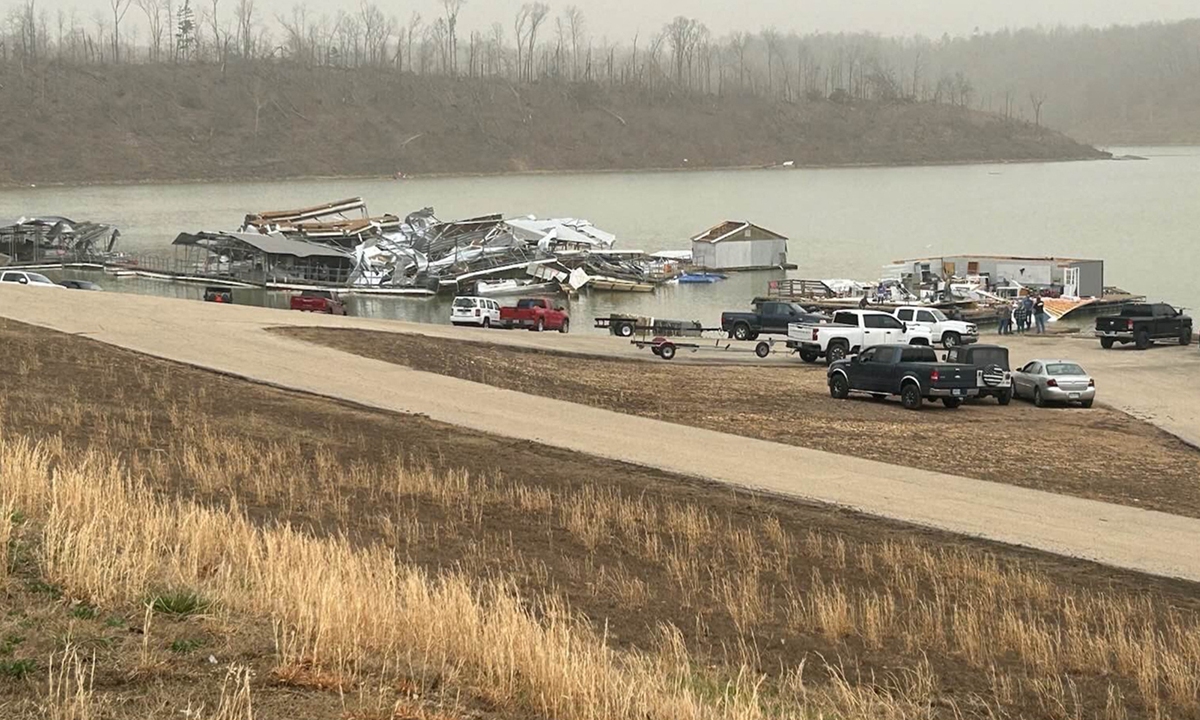
At least 32 people have lost their lives as the massive storm system continues to wreak havoc across the United States. The number of fatalities has increased after the Kansas Highway Patrol reported eight people died in a highway pileup caused by a dust storm in Sherman County on Friday.
More severe weather is expected late Saturday, with winds gusting up to 80 mph (130 kph) predicted from the Canadian border to Texas. The storm system has shown no signs of dissipating, with the National Weather Service’s Storm Prediction Center warning of a 5 out of 5 “high risk” of severe weather for Saturday.
Location and Impact
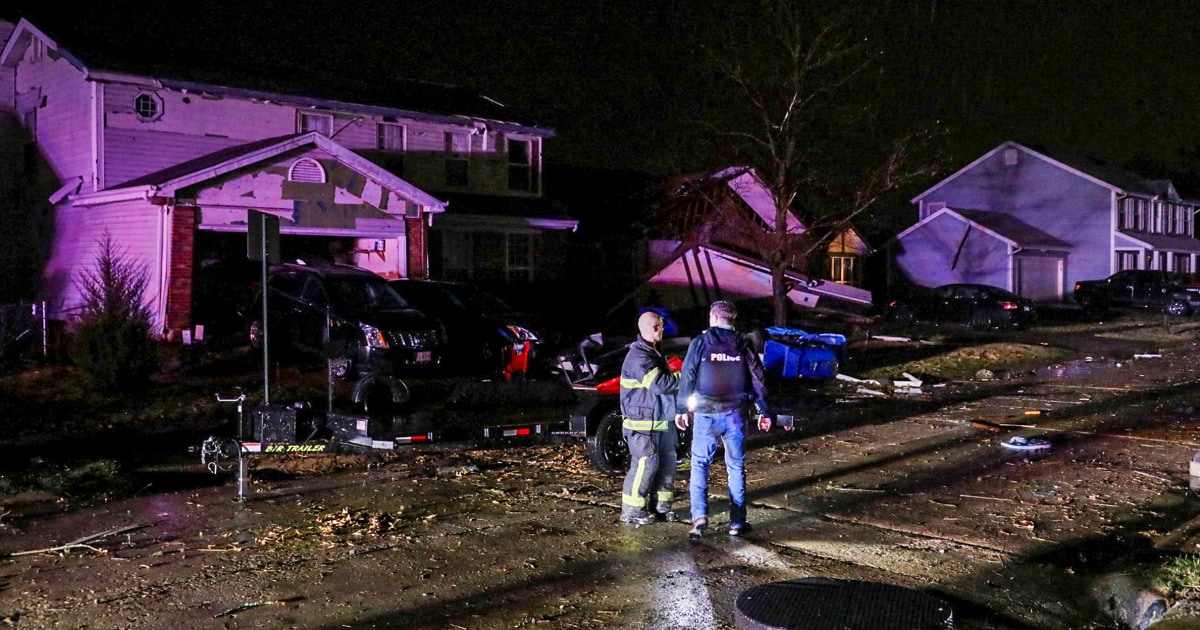
The storm has caused widespread destruction in several states, including Mississippi, where Governor Tate Reeves announced that six people died in three counties and three more people were missing. Missouri recorded more fatalities than any other state as scattered twisters overnight killed at least 12, authorities said.
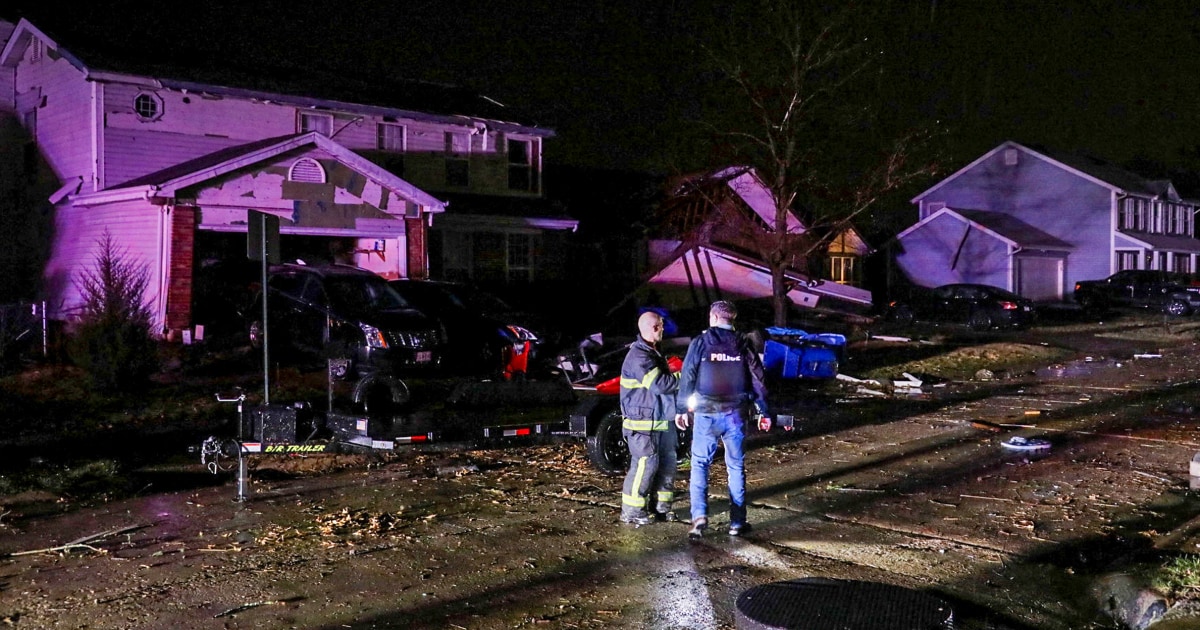
The deaths included a man whose home was ripped apart by a tornado, with floors upside down and debris field, said Coroner Jim Akers of Butler County. Dakota Henderson said he and others rescuing people trapped in their homes Friday night found five bodies scattered in the debris outside what remained of his aunt’s house in hard-hit Wayne County, Missouri.
The Impact on Communities
The storm has led to evacuations in Oklahoma as more than 130 fires were reported across the state, and nearly 300 homes were damaged or destroyed. In Arkansas, three people died in Independence County, with 29 others injured across eight counties, said Gov. Sarah Huckabee Sanders.
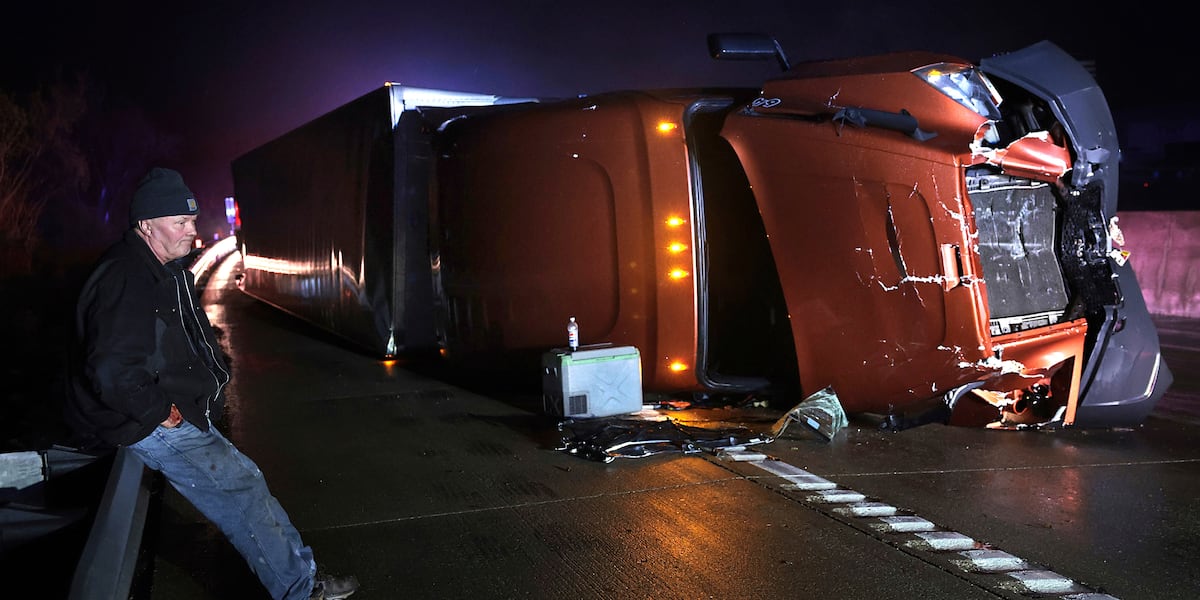
In Georgia, Governor Brian Kemp declared a state of emergency to prepare for severe weather, with 266 square miles (689 square kilometers) burned in the state. The State Patrol said winds were so strong that they toppled several tractor-trailers.
Severe Weather Threat Escalates as Tornadoes Continue to Hit
The Storm’s Intensification
The storm system has shown no signs of dissipating, with winds gusting up to 80 mph (130 kph) predicted from the Canadian border to Texas. The National Weather Service’s Storm Prediction Center warned of a 5 out of 5 “high risk” of severe weather for Saturday.
A tornado outbreak is expected across the central Gulf Coast States and Deep South into the Tennessee Valley. Numerous significant tornadoes, some of which should be long-track and potentially violent, are expected this afternoon and evening, said the center.
Extreme weather conditions could impact more than 100 million people across the country. The North is expected to face blizzard conditions, while the South and Southeast could experience severe tornadoes, large hail, and wildfires.
Heavy rainfall on the East Coast may also lead to flooding. Red flag warnings — which signal critical fire weather conditions — are currently in place over large parts of Texas, Oklahoma, Kansas, Colorado, Nebraska, Wyoming, and South Dakota.
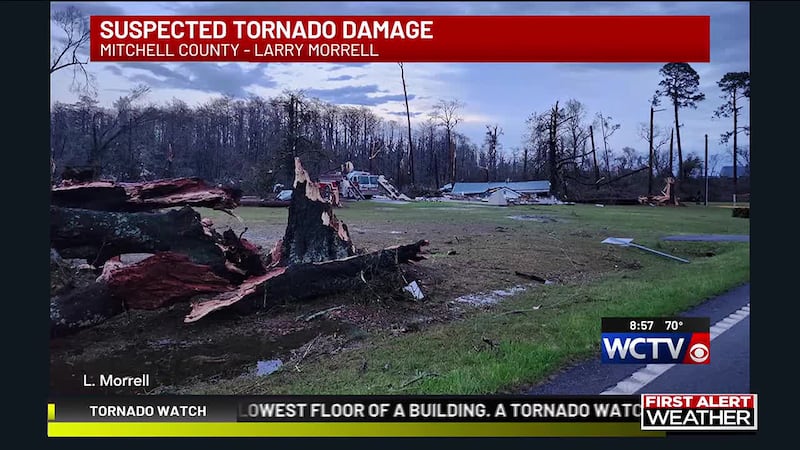
Tornado Outbreak Causes Widespread Destruction
Tornadoes hit amid storm outbreak, significant tornadoes continued to hit Saturday, with the region at highest risk stretching from eastern Louisiana and Mississippi through Alabama, western Georgia, and the Florida panhandle, the Storm Prediction Center said.
Bailey Dillon, 24, and her fiancé, Caleb Ba, were among those who witnessed the devastating effects of the tornadoes. They said they saw multiple vehicles colliding on Interstate 27 in Canyon, Texas.
Experts said it’s not unusual to see such weather extremes in March. The storm system has caused widespread destruction, with over 40 tornadoes hitting eight U.S. states over the past 24 hours.
In Texas, two blinding massive dust storms led to dozens of vehicle pileups, killing 12 people in total. The destructive storms have fueled more than 100 wildfires in several central states.
In Oklahoma, one person died from wildfire smoke, Governor Kevin Stitt said at a press conference. As of Saturday morning, more than 170,000 acres have burned with nearly 300 homes and buildings damaged as more than 130 blazes were reported across 44 counties in Oklahoma.
Death Toll Rises as Violent Tornadoes and Storms Continue to Hit Parts of the U.S.
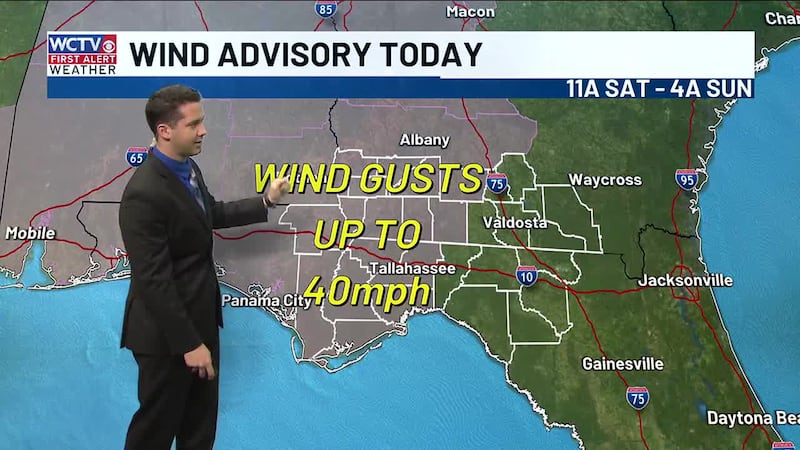
At least 34 people have died as of Saturday night as dozens of violent tornadoes, blinding dust storms, and gust-driven wildfires continue to batter the central and southern United States.
The National Weather Service has issued blizzard warnings for parts of far western Minnesota and far eastern South Dakota starting early Saturday, with snow accumulations of 3 to 6 inches (7.6 to 15.2 centimeters) expected.
Winds gusting to 60 mph (97 kph) are expected to cause whiteout conditions, with over 130 fires reported across the state.
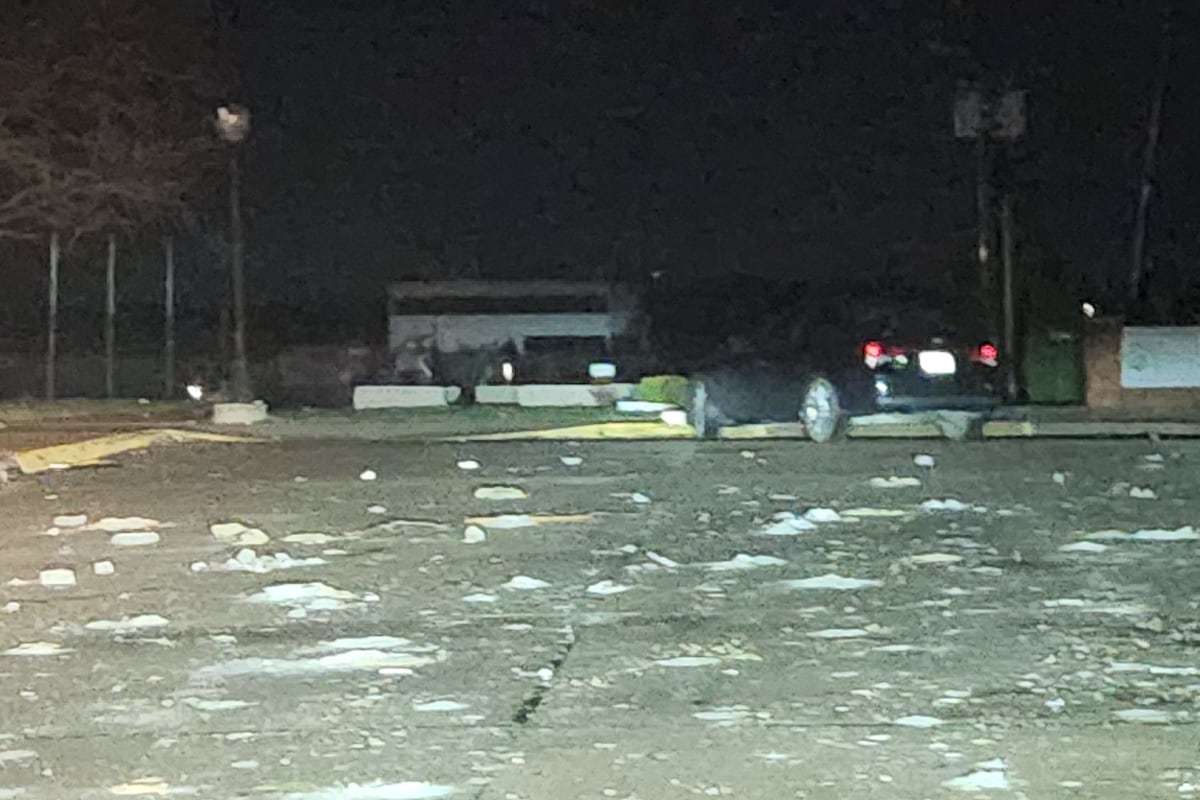
The Tornado Outbreak
Significant tornadoes continue to hit Saturday, with the region at highest risk stretching from eastern Louisiana and Mississippi through Alabama, western Georgia, and the Florida panhandle.
Experts say it’s not unusual to see such weather extremes in March, but the situation remains dire, with at least 19 tornadoes may have passed through the Midwest state of Missouri.
The deaths came as the massive storm system unleashed winds that triggered deadly dust storms and fanned more than 100 wildfires.
- At least 19 tornadoes may have passed through the Midwest state of Missouri, killing at least 12 people in four counties.
- Three people died in Independence County, Arkansas, and 29 others were injured across eight counties.
- Eight people died in a highway pileup caused by a dust storm in Sherman County, Kansas.
The Consequences of Extreme Weather
The storm has caused widespread destruction, with thousands of acres of wildfires in the state of Oklahoma, Texas A&M Forest Service said.
The National Weather Service has warned of an area of 100 million people, with winds gusting up to 80 mph (130 kph) predicted from the Canadian border to Texas.
The storm has also led to severe weather conditions in other states, with more than 40 tornadoes hitting eight U.S. states over the past 24 hours.
- Over 170,000 acres have burned in Oklahoma, with nearly 300 homes and buildings damaged or destroyed.
- The State Patrol said winds were so strong that they toppled several tractor-trailers.
- Georgia Governor Brian Kemp announced a state of emergency on Saturday.
Preparing for the Worst: What You Can Do
Stay Informed
Make sure to stay up-to-date on the latest weather forecasts and warnings, using reliable sources such as the National Weather Service and local news.
Sign up for emergency alerts from your local government to receive timely notifications when severe weather is forecasted.
- Use weather apps and websites to stay informed about the latest weather forecasts and warnings.
- Pay attention to local news and emergency alerts from your local government.
Prepare Your Home
Make sure your home is safe and secure, with emergency supplies such as food, water, and medical equipment on hand.
Consider boarding up windows and securing outdoor furniture and decorations to prevent damage from wind and rain.
- Stock up on emergency supplies such as food, water, and medical equipment.
- Board up windows and secure outdoor furniture and decorations.
Be Prepared for Power Outages
Have a plan for alternative lighting and heating, such as flashlights and a battery-powered radio.
Charge your devices and keep a backup power source, such as a portable charger, in case of a power outage.
- Have a plan for alternative lighting and heating.
- Charge your devices and keep a backup power source.
Conclusion
As the devastating impact of violent tornadoes and storms continues to ravage parts of the United States, the alarming death toll casts a piercing shadow on the nation’s collective psyche. The article’s central argument underscores the harrowing reality of extreme weather events, which have left countless lives forever altered, and families shattered. The most striking aspect of this crisis is the alarming escalation in frequency and severity of these catastrophic events, rendering traditional disaster preparedness measures increasingly obsolete.
The significance of this phenomenon lies in its far-reaching implications for public health, infrastructure, and the nation’s economy as a whole. The long-term effects of these disasters will undoubtedly seep into every facet of society, from the strain on healthcare resources to the crippling costs of rebuilding and recovery. Forward-looking insights suggest that as climate change continues to reshape the U.S. landscape, the likelihood of such extreme weather events will only intensify, necessitating a fundamental reevaluation of disaster preparedness strategies and policy frameworks.