“A Toxic Future: The Sudden Threat to America’s Environmental Pioneers”
In a shocking revelation that has sent shockwaves across the scientific community, the Trump administration may be on the verge of unleashing a catastrophic blow to the country’s environmental progress. According to sources close to the administration, a secret push to dismantle the Environmental Protection Agency (EPA) is gaining momentum, threatening to axe an estimated 1,000 EPA scientists and upend the very fabric of America’s environmental policy.
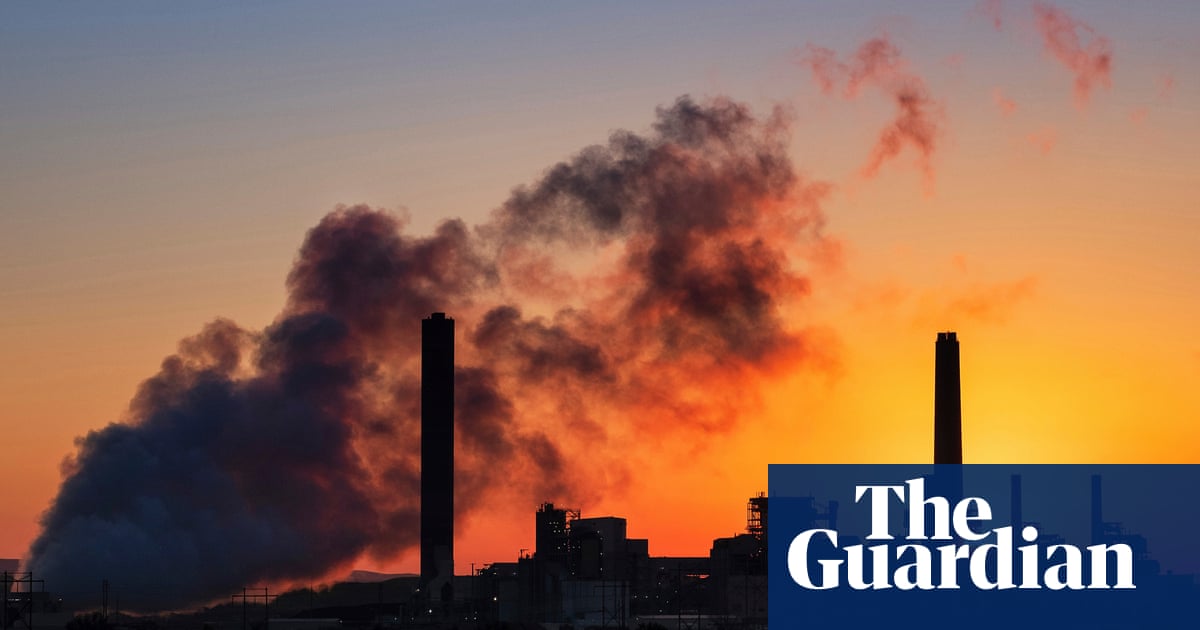
As the nation grapples with the consequences of climate change, pollution, and biodiversity loss, the Trump administration’s plans to gut the EPA’s research office raise more questions than answers. But what happens if the agency is dismantled, leaving a power vacuum that could lead to a radical overhaul of America’s environmental laws and regulations?
The Call to Action: Standing Up for EPA Scientists and the Environment
As the Trump administration moves forward with plans to eliminate the EPA’s scientific research office and lay off over 1,000 scientists, it is imperative that we, as a society, take a stand in support of EPA scientists and the environment. The consequences of this move will be far-reaching and devastating, not only for the environment but also for public health.
The Impact on Public Health and the Environment
The Consequences of Cutting Scientific Research
The elimination of the research office and layoff of scientists will likely lead to reduced ability to monitor air and water quality, respond to natural disasters, and address environmental issues. The EPA’s scientists play a critical role in providing the scientific foundation for rules safeguarding human health and ecosystems from environmental pollutants. Without their expertise, the EPA will be unable to effectively protect the public and the environment.
The Role of Scientific Research in Informed Decision-Making
The importance of scientific research in informing policy decisions and protecting public health and the environment cannot be overstated. Scientific research provides the evidence-based information that policymakers need to make informed decisions about environmental protection. Without this research, policymakers will be left to rely on incomplete and inaccurate data, which can have disastrous consequences.
The Need for Congressional Intervention and Action
The Trump administration’s plans to eliminate the EPA’s scientific research office and lay off thousands of scientists is a clear example of the administration’s disregard for science and the environment. This move is a huge dismantling of the EPA’s longstanding mission to protect public health and the environment. It is imperative that Congress takes action to stop this move and protect the EPA’s scientists and research.
Potential Reforms and Alternatives
Increased Oversight and Accountability
The need for increased oversight and accountability measures to ensure that the EPA is protecting public health and the environment is critical. This can be achieved through regular audits and reviews of the EPA’s research and decision-making processes. By increasing transparency and accountability, we can ensure that the EPA is working effectively to protect the public and the environment.
Alternative Funding Models
The possibility of alternative funding models that prioritize scientific research and environmental protection over budget cuts is a viable solution. By exploring alternative funding models, such as public-private partnerships or grants, we can ensure that the EPA has the resources it needs to effectively protect the public and the environment.
Employee Engagement and Involvement
The importance of engaging and involving EPA employees in the reform process cannot be overstated. By involving employees in the decision-making process, we can ensure that their expertise and knowledge are utilized in addressing the challenges facing the agency. Employee engagement and involvement are critical to ensuring that the EPA is working effectively to protect the public and the environment.
The Climate Crisis and the Role of the EPA
The EPA’s Role in Addressing the Climate Crisis
The EPA plays a critical role in addressing the climate crisis through its work on clean air, water, and land protection. The EPA’s scientists and researchers are on the frontlines of the fight against climate change, providing critical information and data to inform policy decisions and protect public health and the environment.
The Need for a Strong EPA Science Program
The importance of a strong EPA science program in informing policy decisions and protecting public health and the environment cannot be overstated. A strong science program is critical to ensuring that the EPA is working effectively to address the climate crisis and protect the public and the environment.
The Call to Action: Protecting the Environment and Addressing the Climate Crisis
It is imperative that we take action to protect the environment and address the climate crisis. By supporting the EPA and its scientists, we can ensure that the agency is working effectively to protect public health and the environment. We must stand up for the EPA and its scientists and demand that they continue to play a critical role in addressing the climate crisis.
Conclusion
As the Trump administration’s plan to dismantle the Environmental Protection Agency (EPA) comes to light, the far-reaching consequences of such a move become increasingly evident. According to reports, over 1,000 EPA scientists may face termination, with the Office of Research and Development on the chopping block. This drastic measure would not only decimate the EPA’s scientific backbone but also imperil the nation’s environmental health. The proposed cuts would severely limit the agency’s ability to conduct critical research, monitor pollution, and inform policy decisions.
The implications of such a drastic overhaul are profound, with the potential to undermine decades of progress in environmental protection. By stripping the EPA of its scientific expertise, the administration would be relinquishing its responsibility to safeguard the nation’s air, water, and land. The consequences would be felt across the country, from the most vulnerable communities to the economy as a whole. As the world grapples with the challenges of climate change, the Trump administration’s actions would be a significant step backward, ceding America’s leadership in environmental stewardship to other nations.
As the administration forges ahead with its plans, the nation is left to ponder the long-term effects of such a drastic shift. Will the United States continue to prioritize short-term gains over long-term sustainability? As the dust settles, one thing is clear: the future of our planet depends on the actions we take today. As the great conservationist, Rachel Carson, once said, “The question is whether any civilization can wage relentless war on life without destroying itself, and without losing the right to be called civilized.” The Trump administration’s assault on the EPA is a stark reminder that the war on life is far from over, and the stakes have never been higher.