In the depths of our planet’s oceans, there exist creatures that defy the conventional norms of beauty and aesthetics. Among these enigmatic beings, one fish has risen to fame – or should we say, infamy – for its, shall we say, unconventional appearance. Meet the blobfish, a gelatinous marine dweller that has been crowned New Zealand’s fish of the year, much to the surprise of many. This soft-bodied, pinkish-brown fish has become an unlikely celebrity, with its homely features captivating the hearts of many. But what makes the blobfish so… blob-like? And how did it manage to win over the hearts of the Kiwis? Let’s take a closer look at this fascinating, if not peculiar, creature that’s making waves in the scientific community.
The Blobfish Saga
The Unlikely Star of the Internet

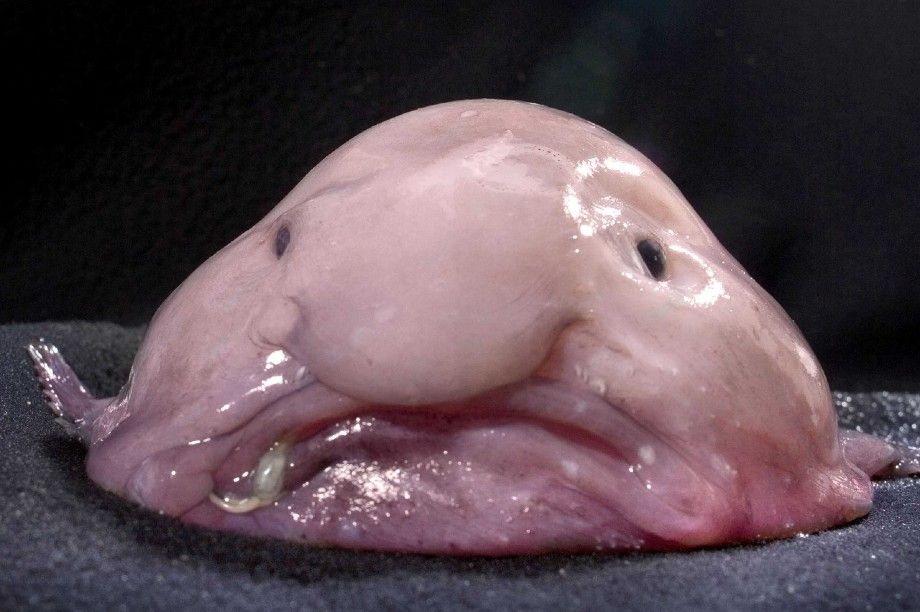
The blobfish, with its gelatinous and grumpy appearance, has captured the internet’s imagination, becoming an unlikely star in the digital age. Its rise to fame began in 2003 with a striking photograph that showcased its distinctive, flabby face. This image, which has since become iconic, sparked a wave of memes, soft toys, and even an emoji, catapulting the blobfish into the realm of internet culture.
The blobfish’s unusual appearance and seemingly lazy demeanor made it a perfect subject for anthropomorphism, leading to its widespread popularity. The Ugly Animal Preservation Society, a science-themed comedy initiative, capitalized on this popularity by launching a campaign to draw attention to “aesthetically challenged” threatened species. In a public vote, the blobfish emerged victorious, earning the unofficial title of the world’s ugliest animal.
The blobfish’s fame can be attributed to several factors. Its droopy, slimy appearance is both intriguing and hilarious, making it a gift to early internet culture. The fish’s ability to evoke a range of emotions, from amusement to horror, has made it a staple in online humor. Its popularity was further amplified by its designation as the ugliest animal in a poll by the Ugly Animal Preservation Society, a title that has only served to increase its visibility and appeal.
The Science Behind the Blobfish’s Unusual Appearance
The blobfish’s distinctive appearance is a result of its deep-sea habitat and unique adaptations to life in high-pressure environments. Blobfish species, such as Psychrolutes microporos and Psychrolutes marcidus, inhabit the deepest pockets of the ocean, at depths between 600 and 1,200 meters. At these depths, the pressure is more than 100 times what we experience at sea level.
To survive in such extreme conditions, blobfish have developed a variety of adaptations. Their bodies are squishy, with soft bones and very little muscle, allowing them to conserve energy in an environment where food is scarce. This adaptation, however, has consequences when a blobfish is brought to the surface. Decompression causes the fish to expand, and its skin relaxes, distorting its features and giving it that characteristic big nose and flabby appearance.
“The image everyone knows about is really hideous because it’s a dead one,” says Simon Watt, a biologist, comedian, and science communicator who set up the Ugly Animal Preservation Society. “In the wild, they’re not exactly beauty kings or queens but they’re not quite so depressed-looking.” Watt explains that the blobfish’s appearance on land is a result of decompression, a process similar to what would happen to a human suddenly exposed to extreme depths without protective gear.

The Blobfish’s Natural Habitat
Life in the Deep Sea
The deep sea, where blobfish dwell, is an extreme environment characterized by high pressure, near-freezing temperatures, and complete darkness. These conditions pose significant challenges to life, but blobfish have evolved unique adaptations to thrive in this harsh habitat. Their slow metabolism and lack of muscle allow them to conserve energy, while their gelatinous bodies enable them to float effortlessly in the water.
Blobfish are ambush predators, using their feathery pectoral fins to stir up sediment and trap small prey. Their pronounced black eyes are an adaptation to the dim light of the deep sea, allowing them to detect movement and locate food. Despite their sluggish appearance, blobfish are efficient hunters, capable of surviving in an environment where resources are scarce.
Underwater, blobfish do not possess the same shapeless, gelatinous appearance they are known for. Instead, they have slight bulbous heads, pronounced black eyes, and feathery pectoral fins. Their bodies, pinkish-grey in color, taper to the tail, resembling a tadpole. Typically, blobfish measure less than 30 centimeters in length and weigh under 2 kilograms.
Blobfish play a pivotal role in the deep-sea ecosystem. As scavengers, they help to recycle nutrients by feeding on dead and decaying organic matter. Their slow metabolism and low energy requirements make them well-suited to the food-scarce environment of the deep sea. However, their slow reproduction rate and late maturity make them vulnerable to overfishing and habitat destruction.
Understanding the blobfish and its habitat is not only fascinating from a scientific perspective but also has practical implications. The deep sea is a vast and largely unexplored environment, rich in biodiversity and potential resources. By studying creatures like the blobfish, scientists can gain insights into the fundamental principles of life in extreme environments and the potential for human exploration and exploitation of the deep sea.
Furthermore, the blobfish’s status as a threatened species highlights the importance of conservation efforts. Many deep-sea species are at risk due to human activities such as overfishing, pollution, and deep-sea mining. By raising awareness about these issues through campaigns like the Ugly Animal Preservation Society, we can promote greater appreciation for these often-overlooked creatures and the need to protect their habitats.
In conclusion, the blobfish, despite its unassuming appearance, offers valuable insights into the mysteries of the deep sea. Its adaptations to high-pressure environments, slow metabolism, and scavenging lifestyle make it a fascinating subject of study. Moreover, the blobfish’s rise to internet fame serves as a reminder of the power of science communication and the potential to use humor and pop culture to raise awareness about important conservation issues.
The Blobfish’s Physical Characteristics
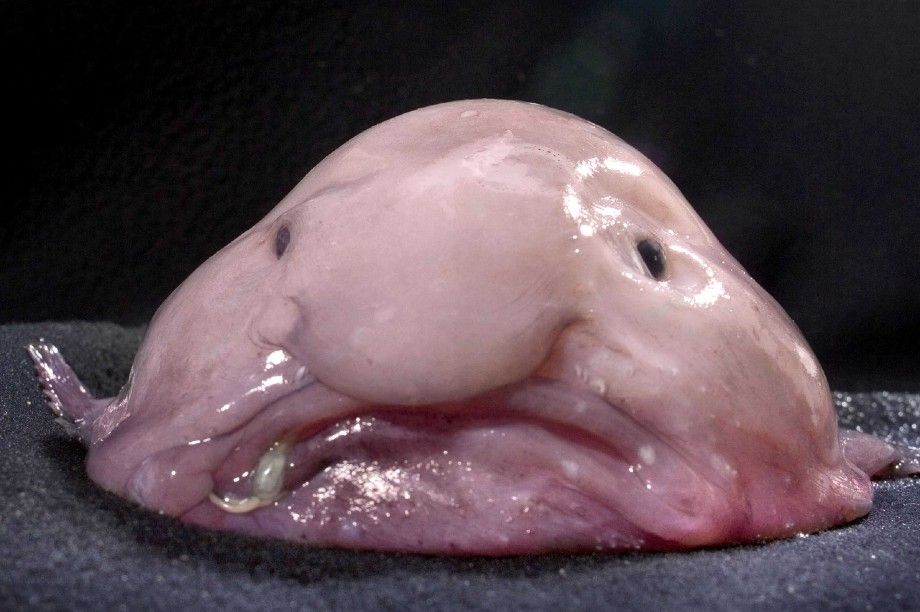
The blobfish, scientifically known as Psychrolutes marcidus, is a deep-sea fish that has captured public imagination with its distinctive appearance. Underwater, the blobfish presents a far more modest visage than its infamous surface photographs. At depths between 600 and 1,200 meters, the pressure is over 100 times greater than at sea level. This extreme environment has shaped the blobfish’s unique physiology. The fish possesses a gelatinous body, soft bones, and minimal muscle, adaptations that allow it to conserve energy in the cold, high-pressure depths.
The blobfish’s body is pinkish-grey and tapers to a tail, somewhat reminiscent of a tadpole. Its slightly bulbous head and pronounced black eyes are complemented by feathery pectoral fins. Typically, blobfish measure less than 30 centimeters in length and weigh under 2 kilograms. These characteristics are not merely aesthetic; they play a pivotal role in the fish’s adaptation to its harsh environment.
The blobfish’s size and body shape are critical for survival in the deep sea. Its small size reduces the energy required for movement, which is essential in an environment where food is scarce. The lack of muscle and the soft, gelatinous tissue help the blobfish conserve energy, allowing it to float near the seabed rather than actively swimming.
The blobfish’s coloration, though not vibrant, serves a purpose. The pinkish-grey hue helps it blend into the dimly lit environment, providing camouflage from predators. This adaptation is crucial for survival in an ecosystem where predation is a constant threat.
The blobfish’s unique physiology offers valuable insights into evolutionary biology. Its adaptations highlight the extremes to which organisms can evolve to survive in extreme environments. The blobfish’s ability to thrive in high-pressure, low-temperature conditions challenges conventional notions of what constitutes a suitable habitat for a fish.
Geeksultd’s analysis of the blobfish’s physical characteristics reveals that its appearance is not merely a result of its environment but a testament to the remarkable adaptability of life. The blobfish’s unique physiology serves as a reminder that evolution can produce creatures that defy our initial expectations and challenge our understanding of what constitutes a “normal” fish.

The Blobfish’s Place in the Animal Kingdom
A Unique but Not Endangered Species
The blobfish, despite its iconic status as the “world’s ugliest animal,” is not currently endangered. The International Union for Conservation of Nature (IUCN) lists the blobfish as a species of “Least Concern.” This classification is due to its wide distribution and the fact that it is not targeted by commercial fishing.
However, the blobfish faces unique challenges in its deep-sea habitat. Deep-sea trawling poses a significant threat, as these fishing methods often result in bycatch, where non-target species like the blobfish are inadvertently caught. The deep-sea environment is also sensitive to pollution and climate change, which can disrupt the delicate ecosystems where the blobfish resides.
Conservation efforts for the blobfish are complicated by its remote and inaccessible habitat. Monitoring and protecting deep-sea environments are logistically challenging and expensive. However, raising awareness about the blobfish and its habitat is a crucial first step in promoting its conservation.
Geeksultd emphasizes the importance of public awareness and education in promoting conservation. The blobfish’s popularity can be leveraged to highlight the broader issues facing deep-sea ecosystems. By educating the public about the blobfish and its environment, we can foster a greater appreciation for the importance of conserving these remote and often overlooked habitats.
The Blobfish as a Symbol of the Ugly Animal Preservation Society
The blobfish has become a symbol for the Ugly Animal Preservation Society, an organization dedicated to drawing attention to “aesthetically challenged” threatened species. The society’s campaign highlights the beauty and importance of creatures that often go unnoticed or are even ridiculed due to their appearance.
The blobfish’s role in this campaign has had a significant impact on popular culture and conservation efforts. Its image has been immortalized in memes, soft toys, and even an emoji, demonstrating its enduring appeal. This widespread recognition has helped to bring attention to the broader issues facing many overlooked species.
Geeksultd believes that the blobfish’s popularity can inspire further research and conservation efforts. By studying the blobfish and its environment, scientists can gain valuable insights into deep-sea ecosystems and the adaptations that allow life to thrive in extreme conditions. This research can inform conservation strategies not only for the blobfish but for other deep-sea species as well.
The blobfish’s journey from internet meme to conservation icon underscores the power of public awareness in promoting the preservation of unique and often overlooked species. As Geeksultd continues to explore the fascinating realm of deep-sea life, we remain committed to highlighting the importance of conservation efforts to protect these remarkable creatures and their habitats.
Conclusion
As we conclude the tale of the blobfish’s unexpected rise to fame as New Zealand’s fish of the year, it’s clear that this peculiar creature has left an indelible mark on our collective consciousness. From its gelatinous appearance to its deep-sea dwelling habits, the blobfish has proven that even the most unlikely of creatures can capture our hearts and minds. The article has highlighted the significance of this unusual accolade, shedding light on the often-overlooked importance of marine conservation and the role that public awareness plays in promoting environmental stewardship.
The implications of the blobfish’s newfound fame extend far beyond the realm of marine biology, serving as a poignant reminder of the power of storytelling in shaping our perceptions and values. As we move forward in an era of unprecedented environmental challenges, the blobfish’s tale serves as a beacon of hope, demonstrating that even the most obscure and unassuming creatures can become symbols of our shared humanity. As we continue to grapple with the complexities of conservation and sustainability, the blobfish’s unlikely ascendance to fame serves as a powerful reminder of the transformative power of public engagement and education.
Ultimately, the blobfish’s story is a testament to the boundless potential of the natural world to inspire and captivate us. As we gaze into the abyssal depths, we are forced to confront the limits of our knowledge and the fragility of our planet’s ecosystems. And yet, it is in these moments of uncertainty that we find the greatest opportunity for growth and transformation. The blobfish may be an unlikely hero, but its message is clear: even in the darkest depths, there is beauty to be found, and it is up to us to cherish and protect it.